
Your cart is currently empty!
22-Year-Old’s “Stomach Ache” Leads To Diagnosis Of One Of The World’s Rarest Cancers
A stomach ache seemed like a symptom that could have almost any ordinary explanation. For one 22-year-old, however, the complaint eventually led to a devastating diagnosis and a prognosis of around a year to live.
Contents
show
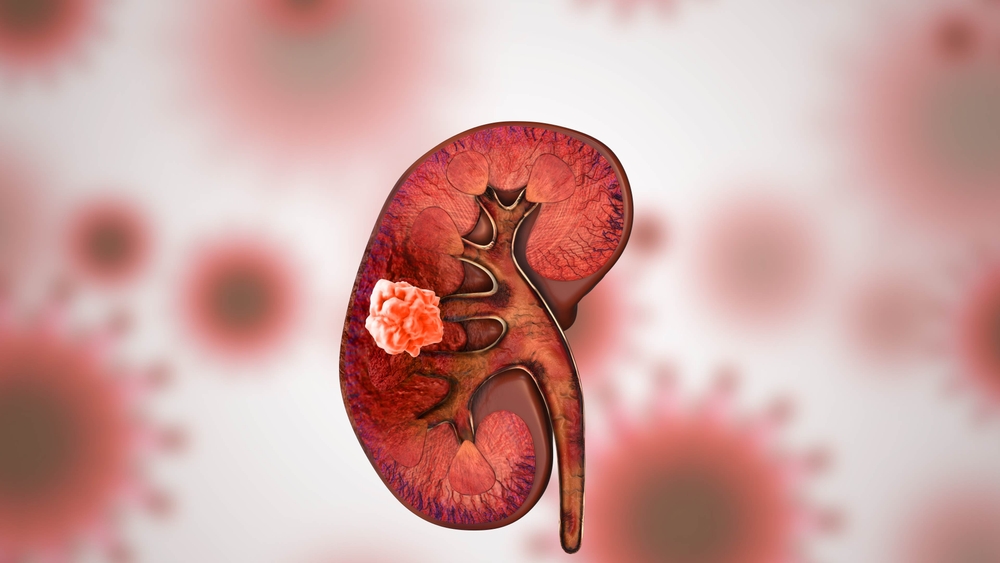
The cancer involved is renal medullary carcinoma, an exceptionally rare form of kidney cancer that is known for affecting young people and spreading aggressively. Fewer than one in 100 people worldwide who are diagnosed with kidney cancer have this particular type, making it a disease most people have probably never heard of.
The Rare Cancer Behind The Shocking Diagnosis
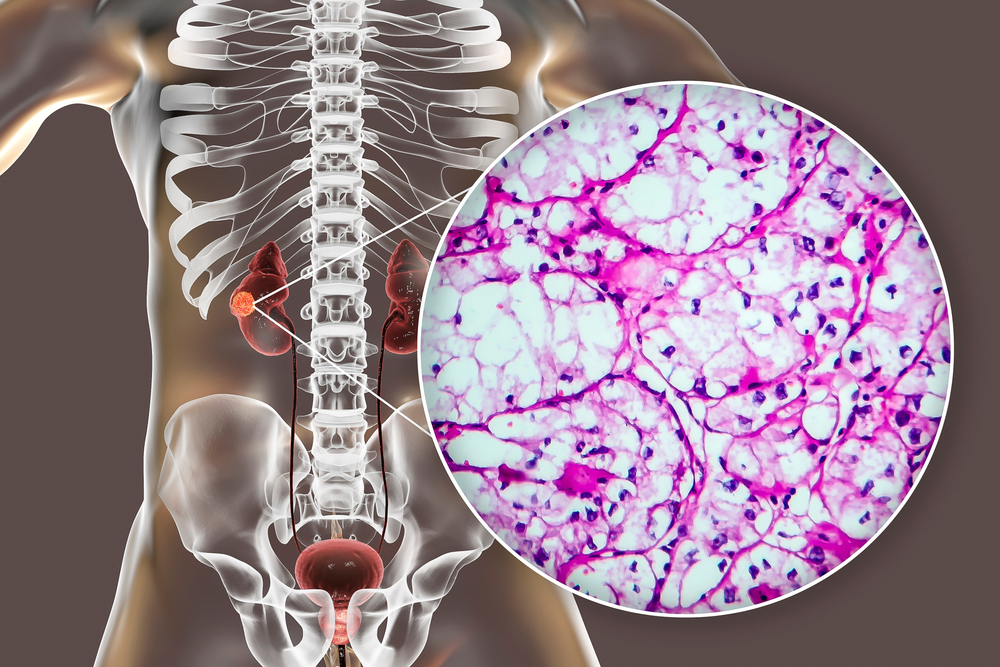
Renal medullary carcinoma, or RMC, is a rare and aggressive cancer that forms deep inside the kidney. Unlike many cancers that are more commonly associated with older adults, RMC has a strong connection with teenagers and young adults.
According to Cleveland Clinic, the disease is most common in Black males in their teens or twenties who have sickle cell trait or sickle cell disease. It is generally seen in people between the ages of 11 and 39, while males are two to three times more likely to develop it.
The cancer is also known for progressing rapidly. Cleveland Clinic says most renal medullary carcinomas have already spread by the time doctors diagnose them, making early recognition particularly difficult.
That combination makes the reported case especially striking. A person who is only 22 years old can be facing a cancer that doctors describe as aggressive, rare and difficult to treat, despite being far outside the age range many people associate with serious kidney disease.
Why The Symptoms Can Be Easy To Overlook
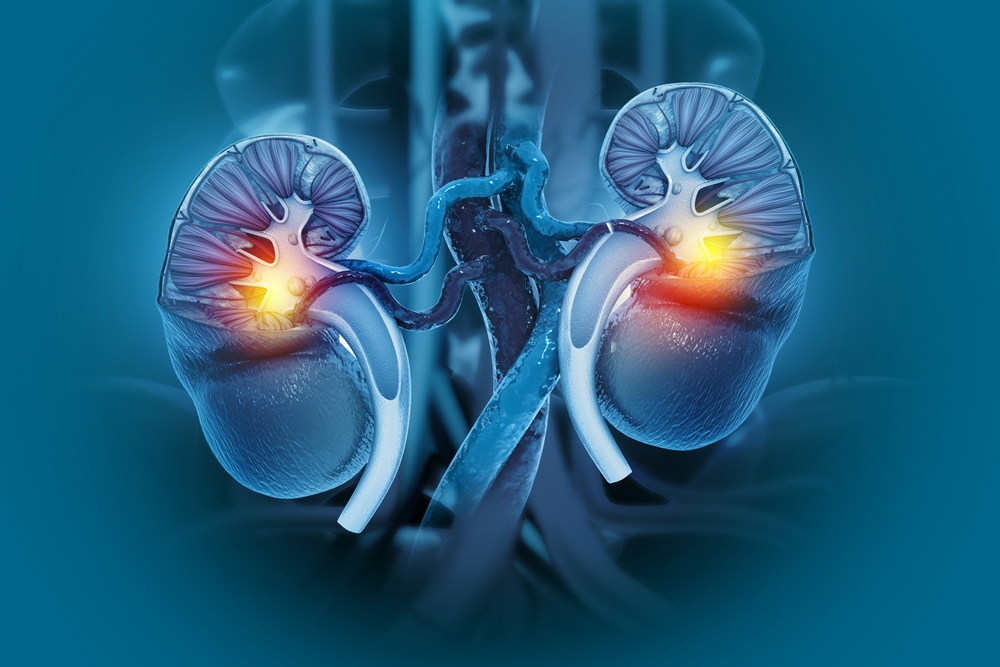
The symptoms of renal medullary carcinoma can vary, and some may initially seem like signs of a much less serious problem. Pain around the affected kidney is one possible symptom, while other warning signs can involve several parts of the body.
Cleveland Clinic identifies blood in the urine as the usual first presenting symptom. People with RMC can also experience pain around the affected kidney, a lump or mass near the lower back, fever, night sweats and unexplained weight loss.
The location of the pain can make the situation particularly confusing. The kidneys sit toward the back of the body beneath the ribcage, so discomfort in that region can potentially be interpreted as abdominal, stomach or back pain depending on how it presents.
None of these symptoms automatically means someone has renal medullary carcinoma. The disease is extremely rare, and the same symptoms can occur with many other medical conditions. But persistent or unexplained symptoms can still warrant medical attention.
The Sickle Cell Connection Makes RMC Even More Unusual
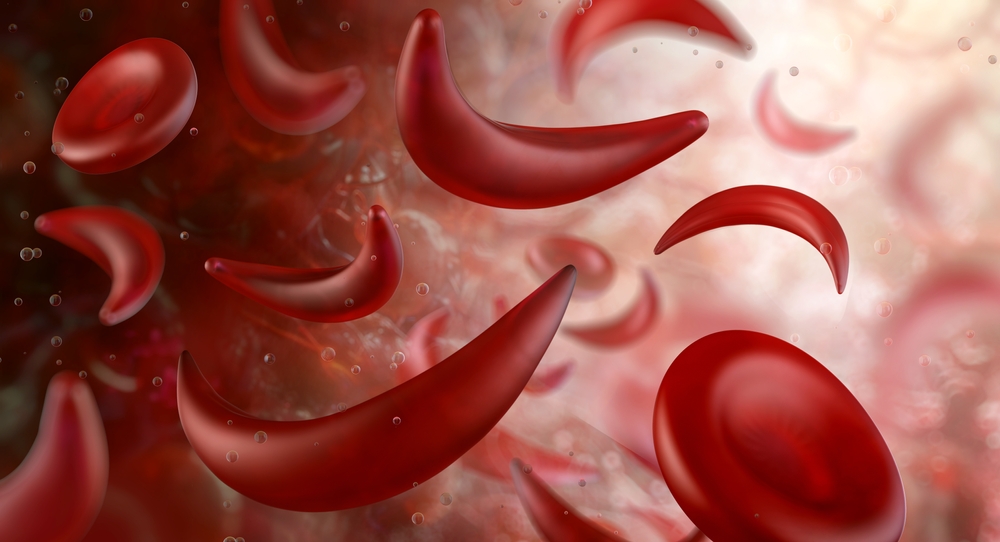
One of the defining features of renal medullary carcinoma is its strong association with sickle cell trait and sickle cell disease. Cleveland Clinic says almost everyone diagnosed with RMC has sickle cell trait or sickle cell disease.
Sickle cell conditions affect the shape of red blood cells. Instead of remaining round and flexible, the cells can become sickle-shaped, which can interfere with normal blood flow and reduce the amount of oxygen delivered to tissues.
Researchers believe this may help explain why RMC develops in the kidney, although the exact relationship has not been established. One theory focuses on the renal medulla, the inner portion of the kidney where sickled blood cells may become trapped.
When tissue receives too little oxygen, it can become damaged. Cleveland Clinic notes that researchers believe this damage could potentially contribute to changes in cells and genes that allow cancer to develop.
There is still more to learn about the connection. Doctors know that RMC involves a mutation in the SMARCB1 gene, which normally acts as a tumor suppressor. When that gene stops functioning properly, abnormal cells can grow without the usual controls.
A Cancer That Can Strike Surprisingly Young People
The age profile of RMC is one of the reasons the disease can be so difficult for the public to recognize. Kidney cancer is often associated with older adults, but renal medullary carcinoma has a very different pattern.
Cleveland Clinic lists ages 11 to 39 as the range in which RMC is more commonly diagnosed. That means teenagers and people in their twenties can fall directly within the population most affected by this rare cancer.
The disease also has a distinct racial and sex pattern. Most people diagnosed with RMC in the United States are Black, and males are two to three times more likely than females to develop it.
Those patterns do not mean that every young person with stomach or abdominal pain should fear kidney cancer. RMC remains extraordinarily uncommon. But they help explain why doctors pay particular attention to certain combinations of symptoms and medical history.
For the 22-year-old at the center of this story, the diagnosis illustrates just how dramatically a seemingly ordinary health complaint can lead to an unexpected discovery.

How Doctors Find This Rare Cancer
Diagnosing renal medullary carcinoma can require several tests because doctors first need to identify a tumor and then determine whether the disease has spread. Imaging plays an important role in that process, particularly because RMC is often advanced by the time it is discovered.
Doctors commonly use CT scans and MRI scans to examine the kidneys and look for tumors. They may also use a full-body CT scan or PET scan to check whether cancer has spread to other parts of the body.
A biopsy provides another crucial piece of information. During the procedure, doctors use a needle to collect a small tissue sample from the tumor, which is then examined by a pathologist in a laboratory.
That combination of imaging and tissue analysis allows the medical team to determine whether the tumor is renal medullary carcinoma and assess how far the disease has progressed.

Treatment Usually Starts With Chemotherapy
There is currently no cure for renal medullary carcinoma, but treatment can help some patients live longer. Because the cancer can spread rapidly, chemotherapy is usually an important part of the initial treatment approach.
Chemotherapy uses drugs designed to kill cancer cells. Doctors may also recommend surgery depending on the patient’s circumstances, including removing the affected kidney and nearby lymph nodes.
A nephrectomy, or removal of the kidney, may be used to try to slow the cancer’s spread. Surgery can also sometimes be performed to relieve symptoms caused by the disease.
The treatment plan depends on the individual patient and the extent of the cancer. Healthcare providers can explain the potential benefits and risks of the available options.
Researchers Are Still Looking For Better Options
Because renal medullary carcinoma is so rare, doctors and researchers continue to study treatments that could improve outcomes. Clinical trials are one avenue being explored for patients who qualify.
Some clinical trials are investigating combinations of chemotherapy with newer treatments, including targeted therapy and immunotherapy. These approaches are designed to attack cancer in different ways and are still being evaluated for their effectiveness against RMC.
For patients dealing with a diagnosis this serious, clinical trials can potentially provide access to treatments that are still being studied. They also give researchers valuable information about a disease that remains poorly understood.
The rarity of RMC makes every new piece of clinical evidence important. Doctors still have questions about why the cancer develops, how it spreads so quickly and which treatment combinations work best.
The Prognosis Has Historically Been Extremely Poor
The prognosis associated with renal medullary carcinoma helps explain why a diagnosis can be so devastating for a young patient. Cleveland Clinic reports that life expectancy after diagnosis was once fewer than six months.
Treatment advances have changed those figures, although the outlook remains serious. The median survival reported by Cleveland Clinic is now 12 months after diagnosis.
That number should not be interpreted as an exact prediction for an individual. A median is the midpoint within a group of patients, meaning some people live for less time while others survive beyond that point.
That distinction is important when considering the reported prognosis given to the 22-year-old. Being told that someone has around a year to live does not mean that person has been given an exact countdown.
A One-Year Prognosis Is Not A Fixed Deadline
Cancer survival statistics describe what has happened to groups of patients. They cannot determine precisely what will happen to one person.
Individual outcomes can differ depending on factors such as how far the disease has spread, how the cancer responds to treatment and which therapies are available.
Cleveland Clinic also stresses that despite the poor prognosis associated with RMC, nothing is certain. Healthcare providers remain the best source for explaining what a particular patient’s diagnosis and treatment options mean.
For a 22-year-old facing this disease, those distinctions are more than statistics. A diagnosis of an aggressive cancer at such a young age can change almost every part of a person’s life.
At the same time, the medical community continues to investigate new treatments. Chemotherapy, surgery and clinical trials remain among the options doctors may consider.
Why This Rare Cancer Deserves More Attention
Renal medullary carcinoma is uncommon enough that most people will never encounter the name. Yet its distinctive patient profile and aggressive behavior make it an important disease for researchers to understand.
Its connection with sickle cell trait and sickle cell disease also remains an area of ongoing research. Scientists know there is a strong association, but the exact biological mechanism behind it is not completely understood.
The disease’s genetic component provides another avenue for investigation. RMC is associated with changes in the SMARCB1 gene, which normally helps suppress tumor growth.
Understanding how that gene becomes disrupted could help researchers learn more about why these tumors form and how they might eventually be targeted with better treatments.
The Story Started With A Symptom That Seemed Ordinary
The reported case of the 22-year-old puts a human face on a cancer most people have never heard of. A symptom that might initially seem routine ultimately became connected with one of the rarest and most aggressive forms of kidney cancer.
RMC remains exceptionally uncommon, so a stomach ache by itself should not lead someone to assume they have this disease. But symptoms such as blood in the urine, unexplained weight loss, persistent fever, night sweats or continuing pain should be discussed with a healthcare professional.
For patients who are diagnosed with RMC, the prognosis can be frightening. Yet a median survival figure cannot tell an individual exactly what their future will look like.
The search for better treatments is still underway, and clinical trials are testing new combinations of therapies. For a disease this rare, those efforts could determine how much more time future patients are able to gain after receiving a diagnosis.
22-year-old cancer diagnosis, aggressive cancer, cancer diagnosis, cancer prognosis, cancer symptoms, chemotherapy, health news, kidney cancer, kidney cancer symptoms, medical news, rare cancer, rare kidney cancer, renal cancer, renal medullary carcinoma, sickle cell disease, sickle cell trait, stomach ache, stomach pain, young adults and cancer