
Your cart is currently empty!
23-Year-Old’s Collapsed Lung After Six Years of Vaping Prompts Urgent Warning to Others
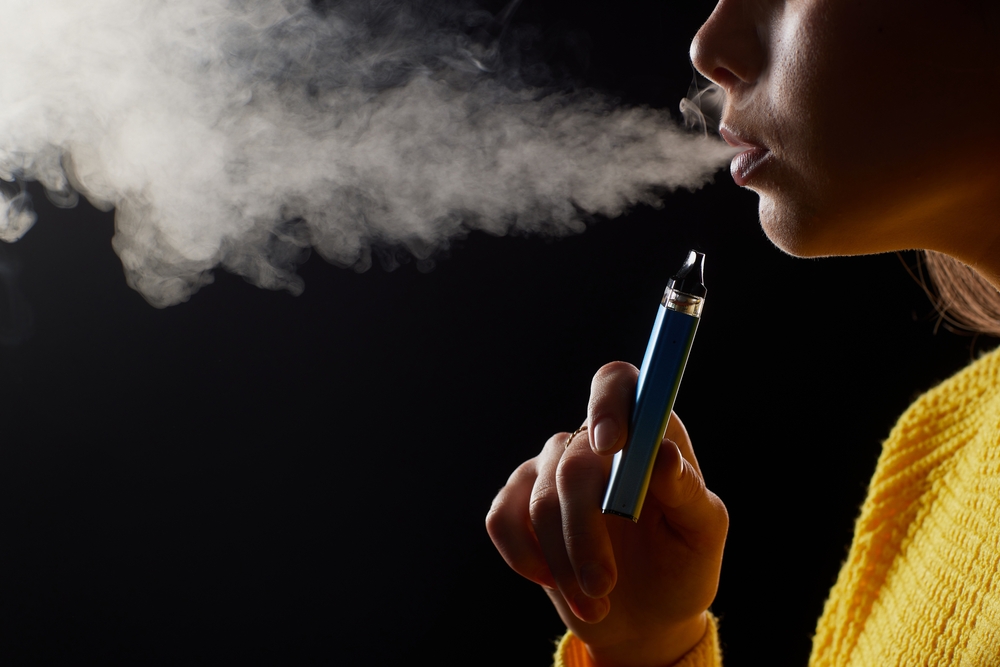
Hudson Williams thought he had made a smart choice. At 23, he worked at a cement plant in Austin, Texas, living what seemed like an ordinary life. But on August 30, while sitting in his work truck during a routine shift, something went terribly wrong. What started as mild discomfort turned into a medical emergency that would force him to confront a habit he never believed would hurt him.
Contents
show
His story has become a cautionary tale about the hidden dangers lurking in disposable vapes, devices marketed as sleek alternatives to traditional cigarettes. Williams now speaks openly about his experience, hoping to reach others before they face similar consequences.
From Cigarettes to Vapes for a Better Taste
Williams began smoking cigarettes in 2018, joining many peers who experimented with tobacco products. A year later, he made what seemed like a logical switch. Friends around him had started vaping, and the appeal was immediate. Vapes offered flavors that cigarettes never could, and Williams quickly abandoned traditional smoking for what he believed was a better option.
“I was smoking cigarettes for a year prior to when I started vaping. A lot of my friends had also started vaping and I made the switch because it tasted better,” Williams explained.
Nobody warned him about what might come next. No health professional sat him down to discuss long-term risks. Like millions of young Americans, Williams simply followed a trend that seemed harmless enough on the surface.
Six Years of Growing Addiction

What began as casual use in 2019 transformed into something far more serious over the following years. Williams found himself reaching for his vape with increasing frequency. At first, he used it sporadically throughout the day. But as months turned into years, his consumption patterns changed.
By 2024, Williams had become dependent on his device in ways he never anticipated. He would reach for his vape every 10 seconds, creating a cycle of constant nicotine delivery that ruled his daily routine. Each month, he burned through two or three disposable vapes, never questioning whether his body could handle such intense exposure to chemicals and vapor.
Working long shifts at the cement plant meant hours of easy access to his vape. Unlike cigarettes, which required breaks and designated smoking areas, vaping allowed him to maintain his habit without interruption. What Williams didn’t realize was that every puff carried consequences his lungs would eventually struggle to manage.
August 30 Brought Sudden, Severe Pain

Williams settled into his work truck on what appeared to be another normal day. Nothing about the morning suggested danger. But then his chest began to feel strange. At first, he mistook the sensation for heartburn, something minor and manageable. He waited, expecting the discomfort to pass.
Instead, it got worse. Much worse.
Within 15 minutes, the pain had transformed into something Williams had never experienced. He later described it as feeling like someone had fired a shotgun into his chest. Breathing became difficult, then nearly impossible. Pain radiated outward from his chest to his rotator cuff, collarbone, neck, and even his earlobe. Every attempt to inhale brought fresh agony.
Panic set in as Williams realized he needed medical help. A friend drove him to the nearest emergency room while he struggled to maintain composure through waves of pain that seemed to attack his entire upper body.
Emergency Room Diagnosis Revealed Lung Collapse

Doctors at the hospital moved quickly to assess Williams’ condition. After examining him and reviewing diagnostic tests, they delivered news that shocked the young factory worker. His left lung had collapsed by 10 percent, a condition known medically as a pneumothorax. Air had leaked into the space between his lung and chest wall, creating pressure that prevented his lung from expanding properly.
Medical staff immediately provided pain medication and supplemental oxygen to stabilize his condition. Williams spent the night in the hospital under observation, giving doctors time to ensure his lung wouldn’t collapse further. As he lay in the hospital bed, connected to monitors and breathing equipment, the reality of his situation began to sink in.
Years of vaping had damaged his lungs in ways he couldn’t see or feel until catastrophe struck. Doctors explained how the chemicals in vape aerosol eat away at lung tissue, creating small air-filled sacs called blebs. When these blebs rupture, they can cause the lungs to collapse, sometimes without warning.
Doctors Say Vaping Caused 100 Percent of the Damage

Williams received clear answers about what had caused his medical emergency. Physicians told him directly that vaping bore full responsibility for his collapsed lung. No other factors contributed. Six years of constant exposure to e-cigarette chemicals had weakened his lung tissue to a breaking point.
But doctors also delivered more troubling news. Even if Williams quit vaping immediately and never touched another device, his lungs could collapse again. Permanent damage had already occurred, leaving him vulnerable to future episodes. Some patients experience full lung collapses or even bilateral collapses affecting both lungs simultaneously. Williams had been fortunate in that regard, but his future remained uncertain.
E-cigarettes produce aerosol by heating liquid that typically contains nicotine, flavorings, and a mixture of toxic chemicals. When inhaled, this vapor delivers harmful substances deep into the lungs, including formaldehyde, acetaldehyde, and other volatile organic compounds known to cause cancer. Over time, these substances damage lung tissue and can lead to DNA mutations and inflammation.
Research continues to uncover new dangers associated with vaping. Earlier in 2024, doctors documented the first case of aggressive lung cancer thought to be directly caused by e-cigarettes in a New Jersey man. As more studies emerge, the picture becomes clearer about vaping’s potential to cause serious, lasting harm.
He Saw the Warnings but Never Thought It Would Happen

Williams admits he wasn’t ignorant about vaping risks. Social media posts and news articles had warned about potential dangers. Friends shared stories, and health organizations issued statements about unknown long-term effects. But like many young people, Williams believed those warnings applied to someone else, somewhere else. Personal invincibility is a common feeling among people in their early twenties, and Williams fell prey to that same mindset.
“I’d seen posts about it before. But it was one of those things where it hadn’t happened to anyone that I knew so I didn’t think it mattered or that it would happen to me,” he said.
None of his friends had experienced complications from vaping. Nobody in his immediate circle had been hospitalized. As far as Williams could tell, vaping remained a safe choice, or at least safer than returning to cigarettes. He continued his habit without serious concern, never imagining that his lungs were quietly deteriorating with each puff.
Looking back, Williams recognizes how denial shaped his behavior. Warnings existed, but accepting them would have required acknowledging his addiction and making difficult changes. It was easier to assume he would be fine, that his youth would protect him from consequences.
Hospital Stay Became His Wake Up Call

Something shifted during Williams’ time in the hospital. Lying in a medical bed, struggling to breathe, forced to confront what vaping had done to his body, Williams finally understood that he needed to quit. Previous attempts to stop had failed, but facing a collapsed lung created motivation stronger than any before.
“I quit vaping as soon as this happened. It was 100% the wake-up call that I needed to quit for good,” Williams said.
Regret washed over him as he processed the reality of his situation. Years of addiction had led to this moment, and while he felt grateful his collapse wasn’t more severe, fear remained about what might happen next. Would his lung collapse again? Would he face respiratory problems for the rest of his life? Questions without easy answers haunted him as he recovered.
Breaking free from nicotine addiction proves difficult for most people who attempt it. Williams acknowledges that reality openly. Vaping creates both physical dependence and psychological habits that resist change. But his hospitalization provided the push he needed to finally walk away from devices that had controlled his daily routine for six years.
Growing Vaping Crisis Among Young Americans
Williams’ experience reflects a broader public health concern affecting millions. Approximately six percent of US adults report vaping regularly, translating to roughly 17 million people. Among young adults aged 18 to 24, rates climb even higher, with more than 15 percent in that demographic reporting regular use.
Perhaps most concerning is the youth adoption of vaping. About 1.6 million middle and high school students continue to vape despite declining usage since peak rates in 2019. Young people who start vaping often develop nicotine addictions that can last years or decades, creating potential for long-term health complications.
Public health officials have struggled to combat vaping’s popularity among youth. Marketing tactics, appealing flavors, and social media influence all contribute to the normalization of e-cigarette use. Many young people view vaping as harmless fun rather than a serious health risk.
Medical professionals worry about a generation that may face consequences decades from now. Unlike cigarettes, which have been studied extensively over many years, vaping remains relatively new. Scientists continue discovering new information about how e-cigarettes affect human health, but a complete understanding of long-term impacts may take decades to develop.
His Message to Others Still Vaping

Williams now dedicates his effort to warning others about the dangers he experienced firsthand. He speaks candidly about his addiction and its consequences, hoping his story might convince even one person to quit before facing similar medical emergencies.
His message is direct and unvarnished. Vaping isn’t cool, despite marketing that suggests otherwise. Quitting requires real effort and determination. Breaking the addiction proves harder than most people expect, and relapse remains a constant threat. But Williams insists change is possible if people commit to protecting their health.
“It’s a nasty habit and it’s hard to get out of, but it’s definitely possible,” he said.
Williams understands that many current vapers will ignore his warning just as he ignored warnings from others. Human nature makes it easy to believe bad outcomes only happen to other people. But he continues sharing his story anyway, driven by hope that some listeners will take his experience seriously and make different choices.
Recovery continues for Williams as he adjusts to life without vaping. He watches his breathing carefully, aware that another collapse could occur at any time. But he also feels relief at having broken free from constant dependence on a device that nearly cost him his life. His wake-up call came at a high price, but Williams believes sharing that experience might spare others from paying the same cost.