
Your cart is currently empty!
An 8-Year-Old Uncovered a Hidden Connection Between Ants, Wasps, and Trees Scientists Overlooked for 100 Years
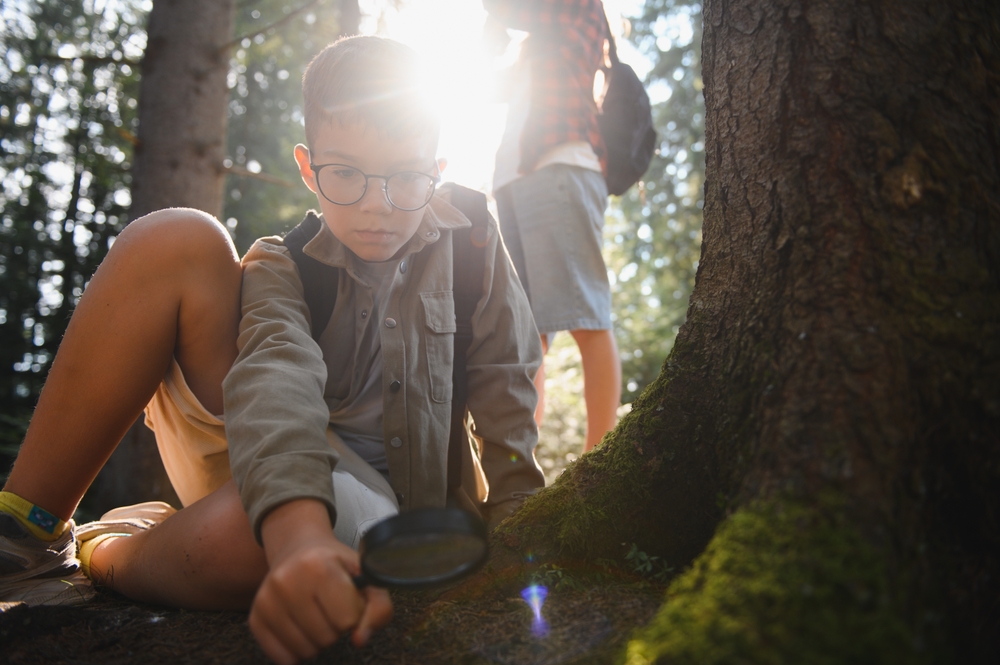
Science often relies on years of rigorous academic research and advanced technology to shift an established paradigm or rewrite a long-held textbook rule. Yet, sometimes, it only takes an observant child playing near a fallen log to challenge a century of accepted biology. When an eight-year-old boy in Pennsylvania noticed a group of ants carrying what looked like ordinary seeds across his backyard, he inadvertently stumbled upon an intricate, hidden deception playing out on the forest floor.
Contents
show
An Underground Railroad, Hijacked
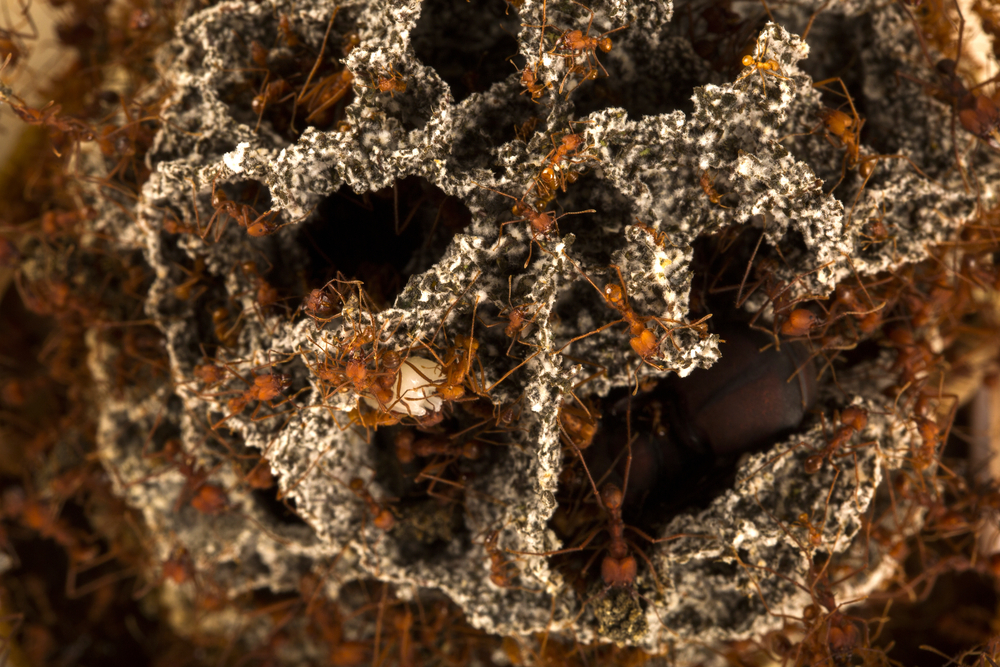
For over a hundred years, biologists have understood a mutually beneficial relationship between ants and certain plants. This phenomenon, known as myrmecochory, occurs when plants rely on ants to disperse their seeds. The strategy is highly effective because plants grow a small, nutrient-dense appendage on their seeds called an elaiosome. Andrew Deans, a professor of entomology at Penn State University, notes the mutual benefit of this behavior. “In myrmecochory, ants get a little bit of nutrition when they eat the elaiosomes, and the plants get their seeds dispersed to an enemy-free space,” Deans stated in a university release.
Once safely inside the colony, the ants consume only the edible appendage, leaving the actual seed intact. The seed is then essentially planted in a secure environment, protected from predators and ready to germinate. This well-documented biological process has been a staple in science textbooks for generations.
However, recent field observations challenge the idea that plants are the only organisms utilizing this underground transportation network. What appeared to be ordinary seeds scattered near an anthill in a Pennsylvania backyard turned out to be something entirely different. They were oak galls. These small, round growths are induced by cynipid wasps. When a female wasp lays her eggs on an oak leaf, she triggers the plant to form a protective woody casing around the developing larvae.
Traditionally, entomologists believed the relationship ended there, with the oak gall simply serving as a stationary shield for the growing insect. The presence of these galls in the jaws of scavenging ants suggested a much more intricate biological manipulation at play.
A Curious Mind in the Backyard
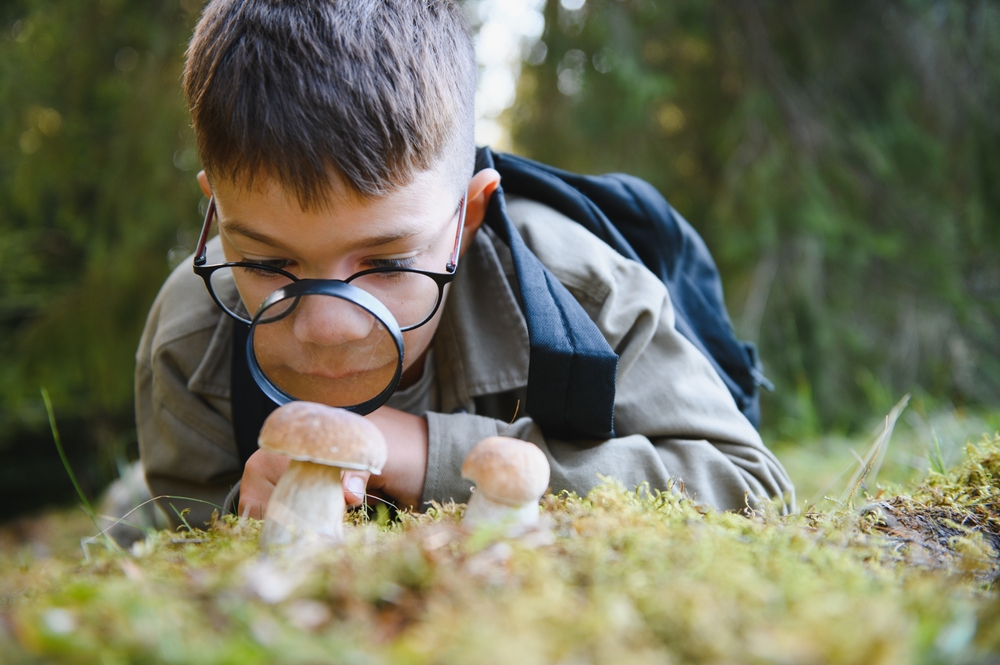
Groundbreaking scientific discoveries are often associated with pristine laboratories and expensive equipment. However, the natural world occasionally reveals its most profound secrets in the most ordinary settings. In this case, a major biological breakthrough began under a fallen log in a Pennsylvania backyard.
Eight-year-old Hugo Deans was exploring near his home when he noticed a bustling ant colony. The insects were actively dragging tiny, spherical objects toward their underground nest. Initially, the young observer assumed the insects were simply foraging for plant seeds.
“I thought they were seeds, and I felt excited because I didn’t know ants collected seeds,” Hugo reflected on his initial discovery.
Curious about his find, Hugo showed the objects to his father, Andrew Deans, who happens to be a professor of entomology at Penn State University. The professor immediately recognized that the small spheres were not seeds at all. They were oak galls.
This identification instantly sparked a mystery. “I was surprised that ants would collect galls because why would they do that?” Hugo noted, asking the exact question that would soon puzzle researchers.
While entomologists knew that wasps manipulated oak leaves to create these protective casings, the active involvement of ants was completely undocumented. Upon closer inspection, the father and son duo noticed a crucial detail. Typical oak galls induced by certain wasp species feature a fleshy, pale pink appendage on top. However, the galls scattered around the ant nest were stripped of this specific part.
“First, we observed that, while these galls normally contain a fleshy pale-pink cap, the galls near the ant nest did not have these caps, suggesting that maybe they were eaten by the ants,” Andrew Deans explained in a university release. This single observation catalyzed a formal scientific investigation.
Wasps Exploit an Ancient Instinct
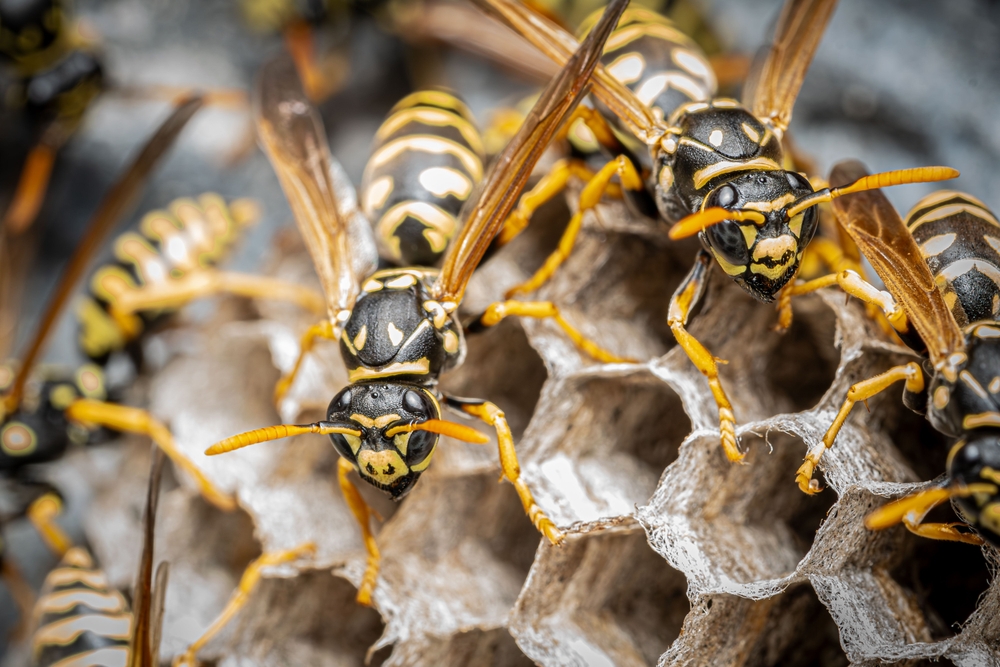
To test whether the ants were intentionally targeting the fleshy appendages on the oak galls, researchers moved the investigation to the laboratory. They offered ant colonies various options: intact oak galls, galls with the appendages removed, regular plant seeds, and isolated appendages.
The insects eagerly collected the intact galls, the seeds, and the isolated caps, but completely ignored the galls lacking the fleshy top.
Because this specific part of the gall lacked a scientific name, researchers coined the term “kapokap,” derived from the Hawaiian word for “cap” or “crown.” This distinguished the wasp-induced structure from the botanical elaiosomes found on seeds.
The laboratory results, later published in the journal American Naturalist, confirmed the backyard observations. “We found that ants transported galls to their nests, then consumed the kapokaps and left the rest of the gall intact,” Andrew Deans stated.
By isolating these variables, the scientists proved the ants were not merely scavenging random debris. Instead, the behavior perfectly mirrored how ants handle seeds during natural dispersal. The experiment demonstrated that cynipid wasps are effectively tricking another insect species into performing a vital survival service, revealing a new, undocumented layer of interspecies manipulation.
The Chemistry of Deception and Survival
To understand why the ants were so drawn to the kapokaps, the research team analyzed the chemical makeup of these unique structures. They discovered that the appendages on the oak galls were packed with specific fatty acids. This nutritional profile is strikingly similar to the elaiosomes found on the plant seeds that ants naturally forage.
The cynipid wasps are essentially utilizing chemical mimicry. By prompting the oak tree to produce an appendage that smells and tastes like a valuable botanical food source, the wasps manipulate the ants into providing free transportation and shelter. John Tooker, an entomology professor at Penn State who co-authored the study, highlighted the ingenuity of this evolutionary strategy. He explained that the wasps are hacking the existing relationship between plants and ants entirely for their own benefit.
This complex deception offers a massive survival advantage for the developing wasp. If an oak gall remains exposed on the forest floor, it is highly vulnerable. Birds, rodents, and parasitic insects actively hunt for these stationary casings. Furthermore, exposure to harsh weather and fungal infections can easily destroy the growing larva inside.
However, once the gall is carried into the ant colony, the environment changes drastically. The underground nest provides a climate-controlled, secure vault. The ants act as unwitting bodyguards, fiercely defending their territory from the exact predators that would normally consume the vulnerable wasp. Safe within these subterranean tunnels, the cynipid insect can mature over the winter months, completely shielded from external threats until it is ready to emerge in the spring.
A Reminder to Look Closer
The strange relationship between the cynipid wasp, oak trees, and ants is a reminder that nature is often far more connected than it first appears. For decades, scientists believed they already understood how these seeds spread, yet an entire hidden interaction was happening right in front of them. Only when someone looked a little closer did it become clear that the wasps were using chemical tricks to take advantage of a partnership that already existed in the forest.
What makes the discovery even more fascinating is where it began. Hugo Deans was not conducting experiments in some massive high-tech lab. He was simply paying attention to the small things happening around him. His curiosity and patience turned an ordinary backyard observation into a scientific breakthrough, proving that important discoveries can still come from everyday moments.
The story of the kapokap is also a reminder that there are still countless mysteries hiding in familiar places. Sometimes the next big discovery is not buried deep in a remote jungle or unlocked by expensive equipment. Sometimes it starts with slowing down, noticing the details, and letting nature reveal something people had overlooked for generations.