
Your cart is currently empty!
9 Out of 10 Americans Are Ready to Forget 2025

Most Americans would prefer to forget 2025 ever happened. A new survey from Talker Research, shared by StudyFinds, found that only 10% of respondents described the past year as “great.” Everyone else landed somewhere between lukewarm acceptance and outright misery, painting a picture of a nation running on fumes rather than optimism.
Contents
show
Survey results captured responses from 2,000 Americans asked to reflect on how the year felt to them. Not how it looked on social media. Not how economists described it. How it felt in their actual lives. About 39% called 2025 “just okay,” while 19% labeled it “bad,” and another 10% went further, describing it as “awful.” Roughly 40% fell into the “good” or “very good” camp, which sounds reasonable until you consider how much ground separates “good” from “great.”
News headlines spent much of 2025 talking about economic recovery and life returning to normal. Most people didn’t buy it. They felt like they were scraping by, not thriving. Survey responses painted a portrait of Americans doing everything right and still wondering why contentment felt so far out of reach.
Financial Strain Shaped How People Judged Their Year

Money problems sat at the center of national disappointment. Rising costs, stubborn debt, and paychecks that seem to shrink against monthly expenses defined how many Americans evaluated their happiness. Even respondents who reported financial stability expressed anxiety about housing, healthcare, and whether their savings would last.
What emerged from the data wasn’t panic. It was fatigue. Americans have grown tired of stretching dollars that refuse to stretch far enough. Grocery bills keep climbing. Rent keeps climbing. Healthcare costs keep climbing. Wages move at a slower pace, if they move at all. People aren’t collapsing under the weight of financial stress, but they aren’t comfortable either.
Younger adults felt financial pressure most acutely. Gen Z, millennials, and Gen X all identified a lack of money as their biggest barrier to achieving personal goals. When you’re worried about making rent or paying down student loans, aspirations like outdoor hobbies or mental wellness retreats start to feel like luxuries reserved for someone else.
Baby boomers told a different story. When asked about obstacles to reaching their goals, they pointed to a lack of willpower rather than a lack of funds. Presumably more financially stable after decades in the workforce, older Americans named internal barriers instead of external ones.
Burnout and Repetition Drained National Morale

Mental health played a major role in how people assessed their year. Many respondents described exhaustion and repetitive routines that made staying hopeful difficult. Work frustrations came up often. So did a general sense of unease that seemed hard to pin down but impossible to ignore.
Americans weren’t falling apart. They also weren’t finding much to feel excited about. Days blurred together. Weeks passed without memorable moments. People kept showing up to work, paying bills, trying to stay healthy, and wondering why all that effort didn’t translate into feeling good about the year.
On average, respondents rated their mental health at 7 out of 10. Men scored slightly higher at 8 out of 10. Neither number suggests a crisis, but neither suggests flourishing either. Americans are getting by. Getting by has become the ceiling rather than the floor.
About 28% of respondents said mental health challenges prevent them from following through on personal goals. Another 22% blamed a lack of time. Between financial stress, work demands, and the mental fog of exhaustion, many Americans feel trapped in cycles they can’t seem to break.
Strong Relationships Separated the Satisfied from the Struggling

What made the difference for the 10% who called 2025 “great”? Their circumstances weren’t wildly different from everyone else’s. They faced similar economic pressures and lived in the same uncertain world. Yet something set them apart.
Respondents who rated the year highly were more likely to report strong personal relationships. They described manageable expectations and a feeling of control over their time. Their optimism seemed rooted in connection and stability rather than career wins or financial windfalls.
Calling 2025 “great” turned out to be less about external success and more about internal peace. People who felt supported by family and friends, who didn’t overload themselves with impossible goals, and who maintained some sense of agency over their schedules found reasons to feel good about the year. Everyone else kept waiting for circumstances to improve.
Age Influenced How Harshly People Judged the Year

Generational differences shaped survey responses in predictable ways. Younger adults reported higher levels of frustration, often tied to career uncertainty and financial stress. Older respondents graded the year more gently, even when dealing with similar pressures.
Life experience may soften judgment. Someone who has survived multiple recessions, job losses, and personal setbacks might view a mediocre year with more patience than someone still waiting for their life to take off. Perspective helps. It doesn’t erase stress, but it provides a longer timeline against which to measure disappointment.
Gen Z respondents were most likely to internalize setbacks. About 36% said they criticize themselves or feel guilty when they fail to meet goals. Millennials, Gen X, and baby boomers responded differently. About 42% of millennials, 48% of Gen X, and 55% of baby boomers said they accept failure as part of the process and keep moving forward.
Self-compassion appears to grow with age. Older Americans have likely experienced enough failed resolutions and abandoned goals to know that stumbling doesn’t mean giving up entirely. Younger people, especially Gen Z, seem to take setbacks more personally, turning external disappointments into internal judgments.
Americans Are Betting on 2026
Despite the rough year, Americans aren’t giving up. About 38% of respondents plan to set personal goals for 2026, with an average of six resolutions per person. Millennials lead the charge, with 57% setting goals. Baby boomers trail at 23%, perhaps skeptical of the resolution ritual after decades of watching January ambitions fade by February.
Men show more enthusiasm than women across the board. About 44% of men plan to set resolutions, compared to 35% of women. Men also reported higher motivation to follow through, with 93% feeling confident they’ll complete their goals versus 85% of women.
Saving money and getting more exercise tied as the most common resolutions, each claimed by 45% of respondents. Physical health improvement came next at 41%, followed by eating healthier at 40%. Other popular goals include better overall financial wellness at 34%, spending more time outdoors at 29%, and improving mental health at 29%.
Financial and physical priorities reflect twin anxieties about stability and well-being. Americans seem to recognize that bank accounts and bodies function as two sides of the same coin when it comes to quality of life. Financial stress affects physical health. Physical health affects mental resilience. Progress in one area often supports progress in the other.
Different Generations Cope in Different Ways
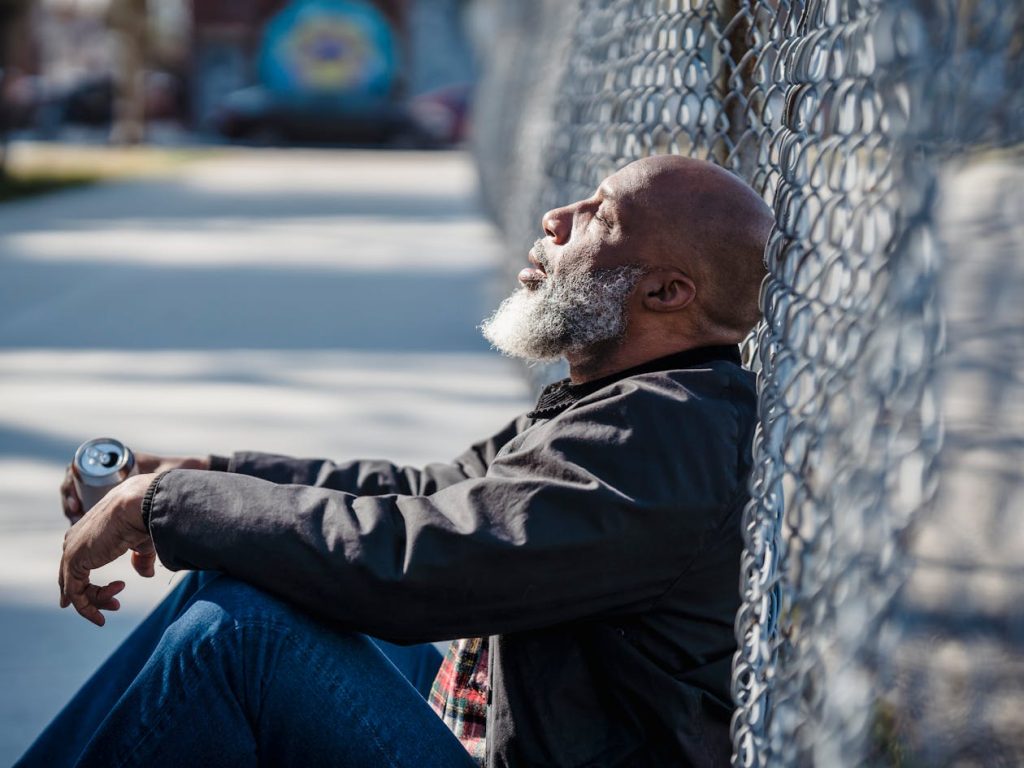
When stress hits, generational preferences for coping diverge. Gen Z leans on family time and sleep, with 36% naming each as their go-to strategy. Millennials prefer listening to music and podcasts, with 43% turning to audio content for comfort. Gen X and baby boomers favor regular walks, at 42% and 46% respectively.
About 54% of respondents said they talk openly about mental health with loved ones. Millennials were most transparent at 63%, and men were more open than women at 59%. Willingness to discuss mental health struggles may itself function as a coping mechanism, turning private anxieties into shared conversations.
Some respondents offered creative approaches to boosting their mood. Answers ranged from treasure hunting and lifting weights to rock music to skateboarding. One person enjoys dancing like nobody’s watching. Another finds peace in watching interviews with Tyler, the Creator. Someone admitted that crying on purpose helps. Another shared that encouraging others takes their mind off personal problems and sometimes brings encouragement back in return.
Half Believe Next Year Will Be Better
Despite the widespread disappointment with 2025, optimism hasn’t disappeared entirely. Half of the respondents believe 2026 will be their year to reach a better mental place. That hope stands in contrast to how people felt about the year just ending, suggesting many view January as a genuine fresh start rather than a continuation of current struggles.
Whether those six resolutions per person actually stick remains uncertain. History suggests most will fade. But the effort itself may carry value after a year most Americans would rather forget. Trying to improve beats accepting another lackluster stretch of time survived rather than enjoyed.
For a country that keeps hearing things are improving, the gap between official messaging and lived experience might be the most honest finding of all. Americans aren’t asking for miracles in 2026. They’re asking to feel like effort leads somewhere. They’re asking for a year that feels better than “just okay.” After 2025, that bar shouldn’t be hard to clear. Whether it will be is another question entirely.