
Your cart is currently empty!
92 Year Old Milton H Has Just Reached 500 Pure Barre Classes
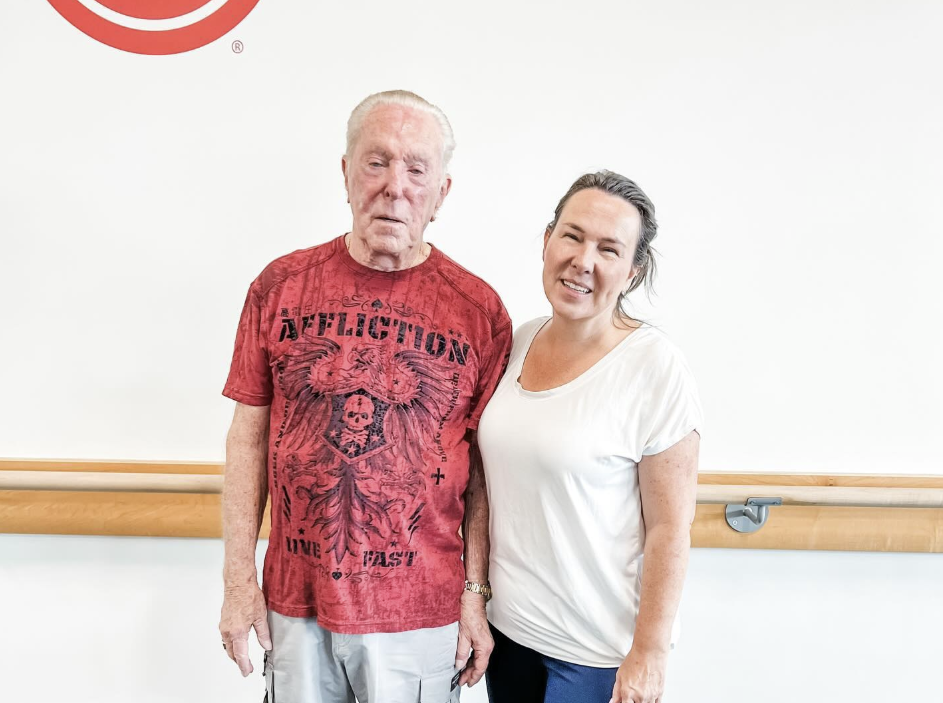
Most people would be thrilled to reach 500 workouts at any age. Milton H. reached the milestone at 92, after repeatedly walking into a Florida fitness studio and putting in the work.
Contents
show
Pure Barre St. Augustine recently celebrated Milton’s 500th class with photos shared online, and the achievement quickly attracted thousands of likes and a flood of congratulatory comments. His age made the milestone striking, but the number 500 tells an even bigger story: he kept showing up.
Milton H. Just Reached A Milestone Most People Never See
Pure Barre St. Augustine shared the celebration on Instagram on August 18, posting two photos of Milton alongside the studio’s distinctive barre.
In one photograph, Milton stands beside a barre marked with “500,” dressed in workout clothes as he celebrates the achievement. Another photo shows him signing the barre alongside other members who have also reached the milestone.
The studio captioned the post, “92 years young. 500 classes strong,” before praising Milton’s dedication and consistency. The studio also described him as proof that people can continue getting stronger and staying active later in life.

The reaction online was immediate. Thousands of people liked the post, while commenters filled the replies with congratulations and encouragement.
One commenter wrote, “Congratulations Milton!! What an accomplishment!!” Another told him, “Show ’em how it’s done, Milton! You are a role model.” A third person summed up the feeling with, “Way to go! What an inspiration!”
There is plenty of reason for people to be impressed. Reaching 500 classes means an individual has made exercise part of their life over a significant period, although Milton’s exact timeline has not been made public.
The studio has not disclosed when he started attending or how frequently he trains. That means it would be impossible to accurately calculate how many months or years it took him to reach the milestone.
What is known is much simpler. Milton kept going until he reached 500.
The 500 Classes May Be More Impressive Than His Age
The obvious headline is that Milton is 92, but the more useful number might be 500. Age makes the achievement memorable, while attendance reveals the habit behind it.
There is no publicly available before-and-after transformation showing that Milton lost a particular amount of weight or gained a specific amount of muscle. There is also no evidence that he was trying to break a fitness record.
The story is about consistency.
That distinction matters because exercise is often presented through dramatic transformations. Someone starts a program, changes their body, hits a personal record, and suddenly the workout becomes newsworthy.
Milton’s achievement is much less complicated. He went to class, then he went again, and eventually those individual visits accumulated until there were 500 of them.
The available information does not tell us exactly which Pure Barre classes Milton takes, how difficult his workouts are, whether he modifies particular exercises, or what his fitness routine looks like outside the studio. Those details should not be invented simply because his milestone has gone viral.
What the photographs do show is someone who has remained committed to a structured fitness environment long enough to reach a number that would be impressive for almost anyone. That makes his achievement relatable to people who have struggled to maintain an exercise routine.
The hardest part of many fitness plans is not knowing what to do. It is continuing to do it after the excitement of starting has disappeared.
What Actually Happens In A Pure Barre Class?
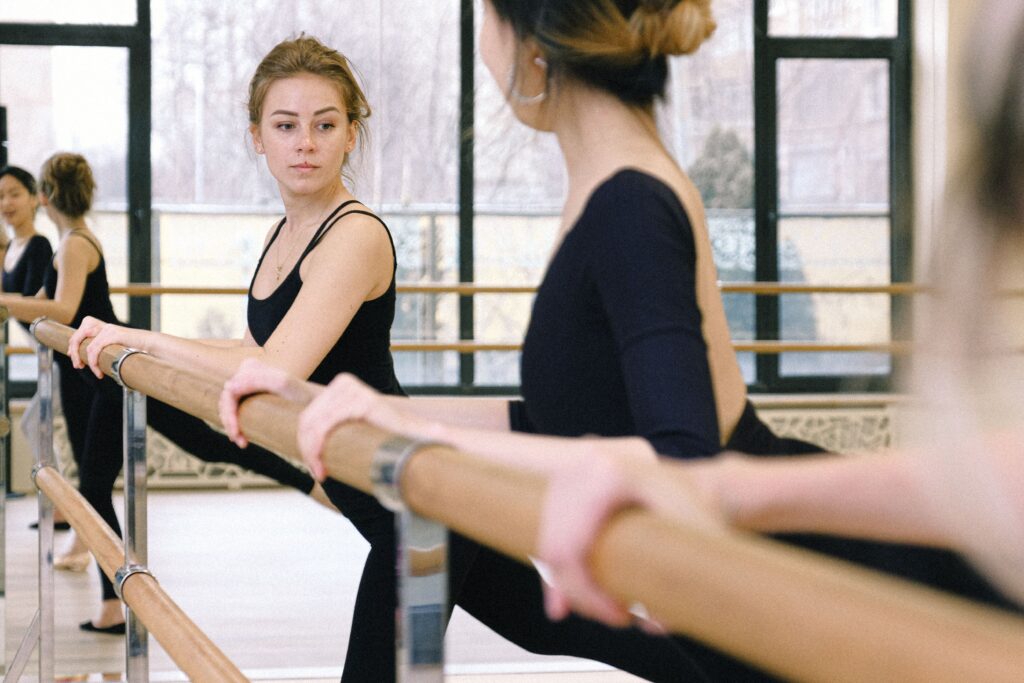
For anyone unfamiliar with Pure Barre, the workout combines movements associated with ballet conditioning, Pilates, and yoga. The company describes its classes as low-impact workouts that use small movements to target strength, cardio, and flexibility.
The format is designed as a group fitness experience rather than a traditional dance class, which means participants do not need to be professional dancers to take part.
Pure Barre offers different class formats, and they can place different demands on the body. The St. Augustine studio’s offerings include Classic, Align, Empower, and Define, according to the reference material.
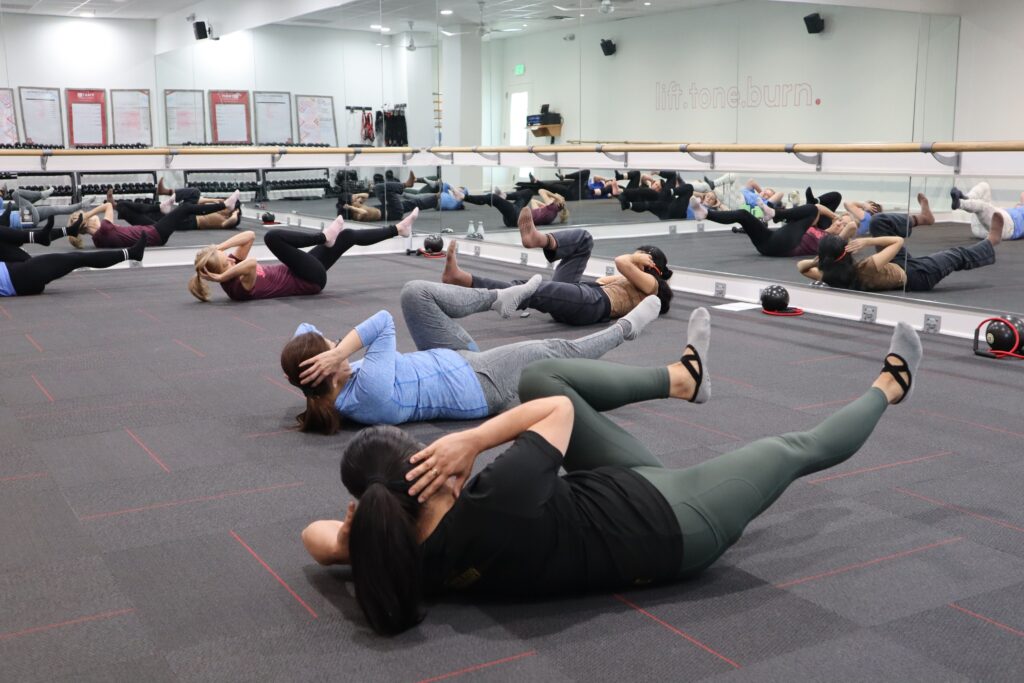
Classic is described as a 50-minute full-body workout using small, low-impact movements. Align places more emphasis on flexibility, balance, mobility, and stability, while Empower adds higher-intensity intervals, ankle weights, and a plyometric platform.
Define incorporates dumbbells and more conventional functional-strength exercises.
That variety matters when discussing Milton’s milestone because “500 Pure Barre classes” does not automatically describe one identical workout repeated 500 times. His exact routine has not been published.
There is also no evidence that every exercise he performs is appropriate for every person in their 90s. Fitness needs vary considerably with age, experience, mobility, previous injuries, and individual health.
The safer lesson is that Milton appears to have found a form of structured exercise that he has been able to continue. The structure itself may be part of the appeal.
A barre can provide a stable point for certain movements, while the instructor and class create a scheduled setting for exercise. The group environment can also give people a reason to return when motivation is not particularly high.
For someone trying to establish a long-term routine, those factors can make a difference.
Research Shows Strength Can Improve In Your 90s

Milton’s story is unusual, but the basic idea behind it is supported by research cited in the reference material.
One small randomized trial involved 40 nursing-home residents between the ages of 90 and 97. After eight weeks of light-to-moderate lower-body resistance training, the training group increased leg-press strength by an average of 10.6 kilograms.
That does not mean every participant experienced dramatic improvements across every aspect of physical health. Most of the study’s secondary measures did not improve significantly, which is one reason the findings should be kept in perspective.
Another randomized trial involved 24 frail adults with an average age of almost 92. The participants trained twice a week for 12 weeks, combining resistance exercises with balance and gait practice.
The training group improved in several areas, including chair-rise ability, timed mobility, balance, strength, and power.
Neither study tested Pure Barre, and neither provides evidence about Milton specifically. They do, however, demonstrate a broader point that makes his achievement more interesting: people can continue responding to appropriately designed resistance, balance, and functional training even at very advanced ages.
That does not mean everyone should attempt the same workout. It means getting older does not automatically erase the body’s ability to adapt to physical training.
Milton’s Story Is Really About Consistency
Five hundred classes sounds enormous when written as a single number, but nobody attends 500 classes in one giant effort. The number is created through individual sessions, each one much less impressive on its own.
This is where Milton’s achievement offers a lesson that has little to do with barre. A person does not need to begin with the goal of reaching 500 workouts, because that number could feel meaningless to someone who is struggling to establish a routine.
The useful approach is smaller. Choose something that can realistically be repeated, then keep returning to it.
That could mean a fitness class, walking, swimming, cycling, strength training, or another activity that suits the individual. Milton’s particular choice does not have to become someone else’s choice for the principle to work.
The goal is to create a routine that can survive ordinary life.
There will be missed sessions and difficult weeks. Travel happens, schedules change, and people sometimes need to modify their workouts. Consistency does not require perfection.
It requires returning when circumstances allow.
That may explain why a 92-year-old reaching 500 classes has connected with people far beyond the fitness community. His achievement is spectacular without requiring anything extreme.
The Community Around Him Has Become Part Of The Story
Milton’s milestone was not quietly recorded in a spreadsheet. The St. Augustine studio turned it into a celebration, photographing him beside the 500 marker and allowing him to sign the barre alongside other members who had achieved the same milestone.
That small detail says something about the role a fitness community can play in long-term exercise. A workout can be solitary, but it does not have to be.
Having a class scheduled can create accountability. Seeing familiar faces can make exercise feel less like a chore, while reaching a milestone can give people a concrete marker of progress when physical changes are difficult to measure.
Pure Barre has built much of its brand around that community experience. The company celebrated its 25th anniversary with a global event that brought together more than 600 studios for a simultaneous barre class.
The event was livestreamed from SUMMIT One Vanderbilt in New York City and was promoted as the largest simultaneous barre class in history.
The company began in 2001 when dancer and choreographer Carrie Dorr opened its first studio in Michigan. By its 25th anniversary, Pure Barre had grown to more than 620 locations around the world, including studios in Mexico and Japan.
Milton’s 500th class therefore happened inside a fitness network that places considerable emphasis on shared experiences and milestones. Still, nobody else attended those 500 classes for him.
Getting Older Does Not Mean Ignoring Your Limits

There is a temptation to turn stories like Milton’s into a message that age should never be a barrier. That would miss the more useful point.
Age can affect muscle mass, balance, mobility, recovery, bone health, and the ability to perform certain movements. Older adults can also have medical conditions or previous injuries that require modifications to their exercise routines.
Milton’s achievement should not be presented as evidence that every 92-year-old can safely perform the same workout. His personal circumstances are not publicly known in enough detail to make that claim.
Instead, his story shows that age alone does not tell the entire story of what someone can accomplish. The research reinforces that idea without turning it into a promise.
Older adults in their 90s have demonstrated improvements in strength and physical function through appropriately designed training, while individual results vary. That distinction is important because Milton is not proof that one particular fitness class works for everyone.
He is an example of someone who has maintained a remarkable level of participation in organized exercise at an advanced age.
The 500th Class Was The Milestone, But The Habit Was The Achievement
There is something fitting about celebrating a 500th class with a photograph beside a number. Five hundred makes the achievement look enormous, but Milton reached it one workout at a time.
The number also explains why his story has travelled so far. People can look at the 92 and be surprised, but they can look at the 500 and understand the effort required to get there.
It is difficult to fake that kind of consistency.
Milton’s story does not require a miracle claim or an extreme fitness challenge. It comes down to a man continuing to participate in something he had chosen to make part of his life.
At 92, that makes the 500th class worth celebrating. His next class may be less newsworthy, but it could be the one that keeps the entire number growing.
Featured Image Credits – Instagram @purebarrestaugustine