
Your cart is currently empty!
Deadly Listeria Outbreak Linked to Precooked Pasta Meals Spreads Across the US
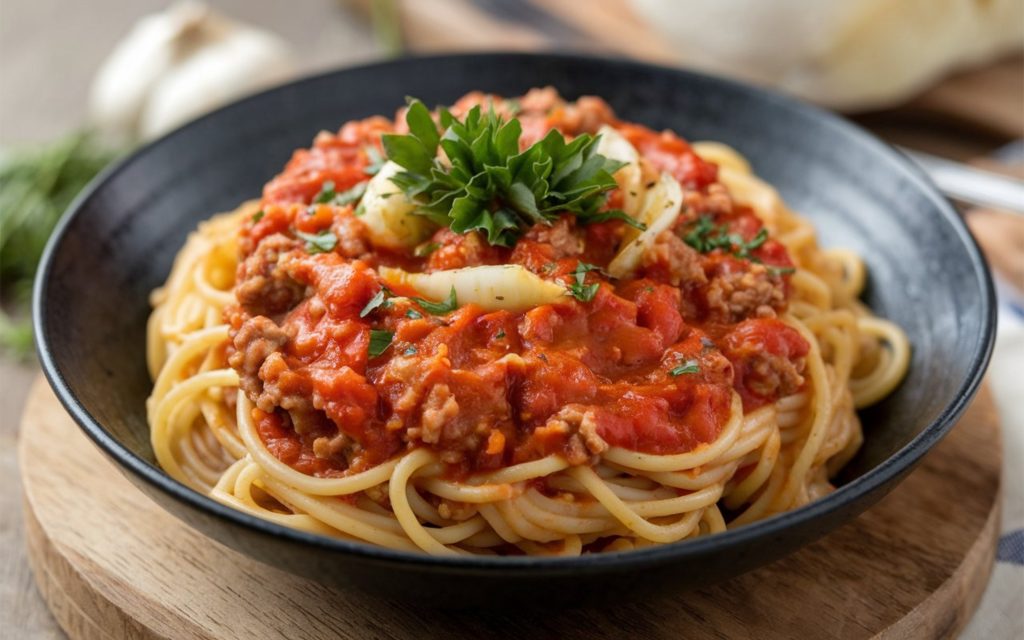
The comforting aroma of creamy fettuccine, marinara meatballs, or smoked mozzarella pasta salads has turned into a nationwide health scare after a deadly listeria outbreak linked to popular ready-made pasta meals swept across the United States. At least six people have died, twenty-five have been hospitalized, and one pregnancy ended in tragedy as federal health agencies scramble to contain one of the most alarming foodborne illness outbreaks in recent years.
Contents
show
From Trader Joe’s to Walmart, supermarket chains across the country have pulled dozens of pasta dishes from their shelves as investigations point to a single supplier: Nate’s Fine Foods. The outbreak, which began quietly in June, now spans eighteen states and continues to raise unsettling questions about how such contamination spread so far, so fast.
How the Outbreak Unfolded
What began as a few isolated cases in early summer quickly evolved into a national emergency. The Centers for Disease Control and Prevention (CDC) and the Food and Drug Administration (FDA) confirmed that the source was linked to precooked pasta supplied by Nate’s Fine Foods, a California-based manufacturer that provides pasta components to multiple food brands and grocery chains.
By late October, the numbers had surged. Twenty-seven confirmed infections were reported across eighteen states. Six people had died, twenty-five required hospitalization, and one pregnancy-associated illness resulted in a fetal loss. These are only the confirmed cases. Officials warn that many others could be unreported due to the difficulty of identifying listeriosis early.
The CDC’s data showed the outbreak stretching from coast to coast, affecting people in states including California, Hawaii, Illinois, Michigan, Texas, and Virginia. Each new report pushed regulators to expand recalls, exposing how deeply intertwined modern food supply chains have become.
The Recalled Meals and Where They Were Sold
The scale of the recalls has been extraordinary, encompassing a vast range of products and retailers. The implicated foods include everything from deli pasta salads to fettuccine Alfredo trays and linguine with meatballs. All were traced back to batches of pre-cooked pasta distributed by Nate’s Fine Foods.
Among the recalled items were:
- Trader Joe’s Cajun Style Blackened Chicken Breast Fettuccine Alfredo in 16-ounce trays
- Marketside Linguine with Beef Meatballs & Marinara Sauce sold at Walmart
- Marketside Grilled Chicken Alfredo with Fettuccine sold in multiple sizes at Kroger and Walmart
- FreshRealm’s Home Chef Chicken Fettuccine Alfredo sold at Kroger and Walmart
- Albertsons deli-made pasta salads sold under various store brands including Safeway and Vons
- Scott & Jon’s Shrimp Scampi with Linguini Bowls from Demer Food Group
- Sprouts Farmers Market Smoked Mozzarella Pasta Salad
- Kroger deli bowtie and penne pasta salads
- Giant Eagle Smoked Mozzarella Pasta Salad
The common thread linking these diverse products is their use of pre-cooked pasta from Nate’s Fine Foods. Once it became clear that this supplier’s batches were contaminated, the FDA advised consumers to thoroughly inspect refrigerators and freezers, discarding any affected items regardless of brand.
Nate’s Fine Foods issued a statement in late September acknowledging its voluntary recall and apologizing for the concern caused. The company emphasized its cooperation with federal authorities and stated that it was committed to “taking every necessary step to protect the health and trust of consumers.”
The Science Behind Listeria
Listeria monocytogenes is not your average bacterium. Found naturally in water, soil, and animal feces, it has a chilling talent for survival. Unlike many bacteria that die off in the cold, listeria thrives at refrigerator temperatures, making it especially dangerous for ready-to-eat foods that people rarely reheat.
Once ingested, the bacteria can cause listeriosis, a severe infection that primarily threatens older adults, pregnant women, newborns, and those with weakened immune systems. While healthy individuals may experience only mild symptoms like fever and diarrhea, vulnerable populations can face devastating consequences.
Symptoms often begin within a few days of consuming contaminated food, but in some cases, they can take up to ten weeks to appear. They include fever, muscle aches, headache, neck stiffness, confusion, loss of balance, and convulsions. For pregnant women, even mild infections can result in miscarriage, stillbirth, or severe illness in newborns.
According to the CDC, listeriosis is the third leading cause of death from foodborne illness in the United States. Roughly 1,250 Americans contract it annually, and about 170 die. Those statistics highlight why every confirmed outbreak triggers an immediate and massive federal response.
Inside the Nationwide Recall Effort

By the end of September, the FDA, CDC, and the U.S. Department of Agriculture’s Food Safety and Inspection Service (USDA FSIS) were working around the clock to track down the contaminated batches. Nate’s Fine Foods expanded its recall on September 30 to include multiple lots of pre-cooked pastas distributed nationwide.
The effort required coordination across countless supermarket chains, each with its own private labels and regional supply networks. Stores like Walmart, Kroger, Albertsons, Trader Joe’s, Giant Eagle, and Sprouts scrambled to identify, remove, and destroy potentially contaminated products.
For instance, Kroger’s recall affected its Basil Pesto Bowtie Salad and Smoked Mozzarella Penne Salad sold at deli counters and grab-and-go sections across nearly half the country. Albertsons had to recall various pasta salads sold in dozens of states under multiple brand names. Even Sprouts Farmers Market, known for its focus on fresh, health-oriented foods, was forced to pull its Smoked Mozzarella Pasta Salad from shelves across more than twenty states.
While some retailers acted out of direct confirmation of contamination, others, like Trader Joe’s, issued precautionary recalls after discovering that their ingredients came from a shared source. Trader Joe’s noted that none of its tested samples showed positive results for listeria but that it was taking action “out of an abundance of caution.”
The overlapping nature of these recalls revealed how a single supplier can quietly reach millions of consumers through multiple grocery chains and private-label brands. The outbreak serves as a vivid case study in the complexity and vulnerability of the modern food supply chain.
How Contamination Likely Occurred
Although investigators have not yet disclosed the exact point of contamination, food safety experts suggest that it may have originated during production or packaging at the supplier level. Because listeria can persist on surfaces and in cold, moist environments, even minor lapses in sanitation at a food processing facility can allow the bacteria to survive and spread.
Pre-cooked pasta, often cooled and stored before packaging, provides an ideal environment for listeria if strict controls are not maintained. Once contaminated pasta is distributed to various brands, tracing it back becomes a forensic challenge. The same pasta may appear in fettuccine trays for one retailer, pasta salads for another, and shrimp linguine bowls for yet another.
The FDA’s investigation has focused on the Roseville, California, facility of Nate’s Fine Foods, where federal inspectors are reviewing sanitation protocols and temperature control logs. The company’s voluntary recall suggests that evidence has already linked its products to the outbreak through genetic fingerprinting of bacterial samples collected from patients and food batches.
The Human Toll Behind the Numbers

Behind every statistic lies a person whose life was altered by a meal they believed was safe. Among the twenty-seven infected, six have died across states, including Hawaii, Illinois, Michigan, Oregon, Texas, and Utah. One case involved a pregnant individual whose illness led to a fetal loss, highlighting how merciless listeria can be for expectant mothers.
While most patients recover with prompt antibiotic treatment, hospitalization rates for listeriosis are strikingly high. In this outbreak, twenty-five of the twenty-seven confirmed cases required hospital care. That 93 percent hospitalization rate underscores the disease’s severity compared to most foodborne pathogens.
Stories from previous outbreaks show how symptoms can escalate suddenly. What begins as fatigue and fever can progress to confusion, seizures, or even septicemia. For families who have lost loved ones, the grief is often compounded by the realization that a simple grocery purchase triggered the tragedy.
Lessons From Past Listeria Outbreaks
This is not the first time listeria has shaken consumer confidence. The United States has experienced several major outbreaks in recent decades, each revealing systemic weaknesses in food safety oversight.
In 2011, contaminated cantaloupes from a Colorado farm killed 33 people in what became one of the deadliest foodborne illness outbreaks in modern U.S. history. In 2015, ice cream products from Blue Bell Creameries caused ten illnesses and three deaths. In 2017, frozen vegetables from a Washington-based processor were recalled after listeria was found in a production line that hadn’t been sanitized for over a year.
Each case pushed regulators and manufacturers to tighten controls, yet the persistence of new outbreaks shows how easily the pathogen exploits any lapse in sanitation, inspection, or temperature control.
The current outbreak, spreading across eighteen states through one type of product precooked pasta illustrates the same point: safety procedures must evolve as food production becomes more centralized and complex.
What Consumers Can Do Right Now
Health officials are urging all consumers to check their refrigerators and freezers immediately for any recalled pasta meals or pasta salads. Even if the product looks or smells fine, it should not be eaten. Contaminated food may show no signs of spoilage, yet still harbor deadly bacteria. Practical steps include:
- Checking brand names, lot numbers, and use-by dates of any prepared pasta or salad items purchased since June 2025.
- Returning recalled products to stores for a refund or safely disposing of them in sealed bags to avoid cross-contamination.
- Thoroughly cleaning refrigerators, countertops, and utensils that came in contact with the recalled foods. Listeria can cling to surfaces and survive for weeks in cool, damp environments.
- Seeking medical attention if symptoms such as fever, headache, stiff neck, or muscle aches occur after eating any potentially contaminated meal.
The CDC emphasizes that those who are pregnant, over sixty-five, or immunocompromised should be especially cautious. Even mild symptoms in these groups warrant medical evaluation.
Why Outbreaks Like This Keep Happening
The modern food system’s efficiency is both its strength and its weakness. Centralized production means that a single contaminated batch can reach hundreds of stores in dozens of states within days. Ready-to-eat meals, which are often eaten cold or only briefly reheated, bypass one of the most effective defenses against foodborne bacteria: heat.
Compounding the problem, prepackaged meal brands frequently source ingredients from shared suppliers, sometimes under private labels that mask their origins. A person buying pasta salad from a local grocery deli may unknowingly be eating the same product sold under a national brand name elsewhere.
Even with improved inspection standards, contamination can slip through. Many food safety experts argue that the FDA’s inspection frequency for food manufacturing plants remains insufficient. Facilities that handle high-risk products like ready-to-eat foods need constant vigilance and updated monitoring technologies.
The Broader Implications for Food Safety

This outbreak has reignited debate over how the United States monitors food safety in a globalized, industrialized system. Despite technological advances, contamination detection still often depends on consumers falling ill before regulators can trace the cause.
Genomic sequencing, now used to match bacterial DNA between patients and foods, has improved traceability, but it cannot prevent contamination from happening in the first place. Food safety experts are calling for stronger mandatory testing, more transparent reporting, and better coordination between federal and state agencies.
There is also a growing push to educate consumers on the risks of ready-to-eat meals. While convenience has become a cornerstone of modern eating habits, it carries hidden risks when production shortcuts or lapses in hygiene occur.
The Fragility of Trust in the Food We Eat
The listeria outbreak tied to precooked pasta meals is more than a headline about tainted food. It’s a wake-up call about how fragile our trust in everyday convenience foods can be. Each recall notice is a reminder that behind the colorful packaging and neatly labeled “best by” dates lies a complex chain of farms, factories, and distributors that must all function flawlessly to keep us safe.
Consumers rarely think about the journey their pasta takes before it reaches the dinner table. Yet, as this tragedy shows, even one break in that chain can ripple across the country with deadly consequences.
There will be investigations, lawsuits, and policy debates. But for the families who have lost loved ones, the pain is permanent. For everyone else, the lesson is sobering but necessary: convenience should never come at the expense of vigilance.
Food safety represents a collective responsibility encompassing every stage of the food chain, from production facilities to household kitchens. The hope now is that the loss from this outbreak will push both industry and regulators to act faster, test more rigorously, and restore the sense of safety we often take for granted in every meal we share.