
Your cart is currently empty!
He Bought a $600 Car, Put It in His Ex’s Name, Left It at O’Hare, and It Racked Up 678 Tickets Worth $105,000
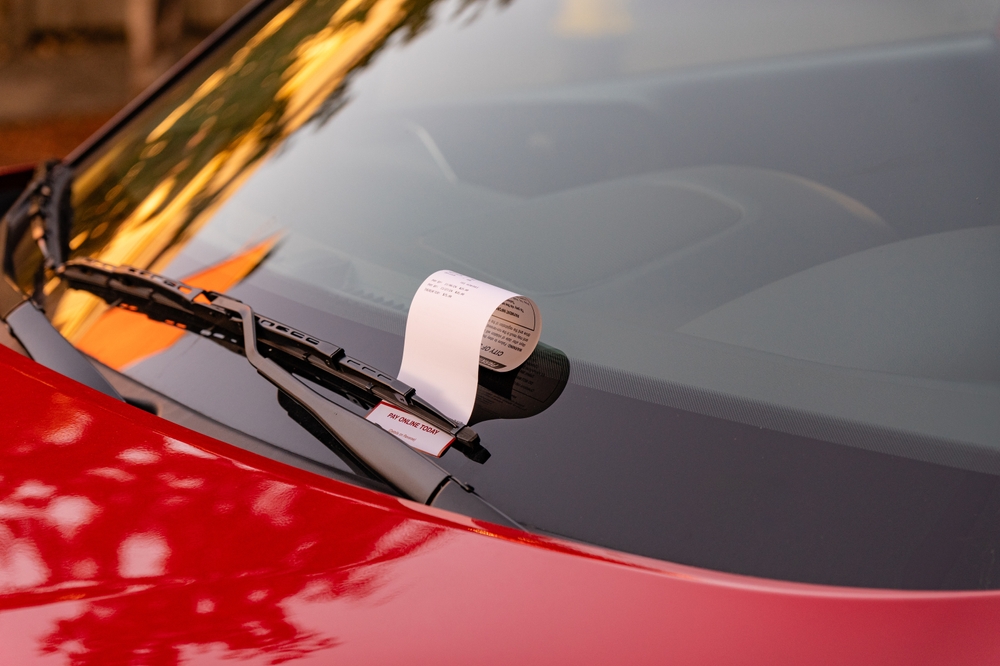
The story of Jennifer Fitzgerald and the six figure pile of parking tickets tied to her name has often been shared online as a strange curiosity, but when you peel back the layers, it becomes something far more complicated. It is a mix of personal conflict, bureaucratic stagnation, and a chain of small decisions that eventually spiraled into one of the most unbelievable parking related sagas in Chicago history. What began with a $600 purchase ended with years of debt, legal battles, and ongoing public scrutiny, and the details behind the headline reveal a picture much larger than a simple case of unpaid fines.
Contents
show
According to reporting from DNAinfo Chicago, the car registered in Fitzgerald’s name sat unattended in an O’Hare Airport parking lot for two and a half years, accumulating 678 tickets that eventually totaled more than $106,000. The incident quickly forced questions about municipal responsibility, individual accountability, and how a situation like this could grow unchecked for so long. At the center of it all was Fitzgerald, an unemployed single mother who said she had no idea the car had been placed under her name. Her attorney argued that the story was not one of neglect but of deception and oversight, and that crucial decisions by the city made the fallout worse for everyone involved.
How a $600 Car Became a Six Figure Problem
According to the lawsuit filed on behalf of Fitzgerald, her ex boyfriend had purchased the Chevy Monte Carlo from her uncle in 2008 for $600 and then, without her knowledge, registered the vehicle in her name. This detail became the core of the legal argument because registration typically determines responsibility. Fitzgerald’s legal team asserted that she never should have been held liable for the enormous fines that followed, given that she did not authorize the registration and did not control the vehicle during the years it accumulated penalties.
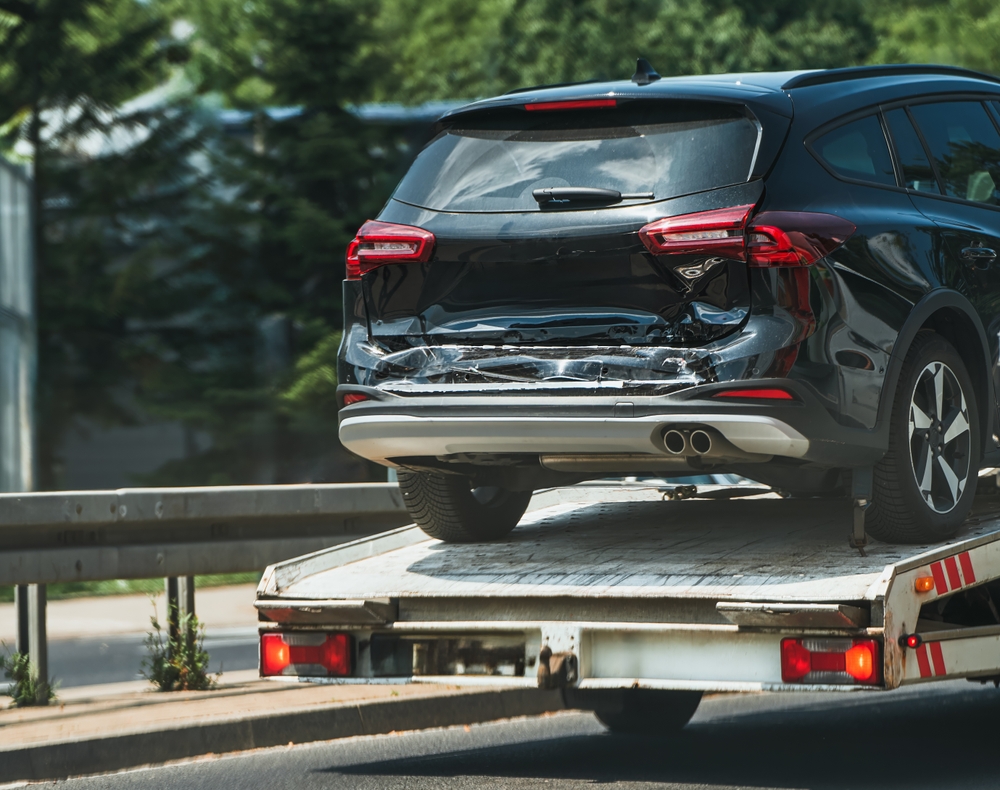
The abandoned car remained parked at O’Hare International Airport for two and a half years before the city finally towed it. The length of time the vehicle sat untouched raised concerns about oversight within the municipal system and why standard towing procedures were not followed much earlier. Ticket after ticket piled up, each one adding to the total until the amount grew to a new city record. What made matters worse was the growing realization that this was not merely an oversight of weeks or months but a pattern that stretched across years.
Fitzgerald and her attorney argued that the city’s handling of the situation showed a disregard for its own rules. In the lawsuit, her attorney stated that “only a fraction of the tickets issued were written legitimately” and argued that proper towing procedures were ignored. This became one of the strongest criticisms of the city’s involvement. If the car had been removed when it first appeared to be abandoned, the ticket count would never have ballooned to such an extraordinary figure.
When Municipal Systems Fail to Act
The delay in towing the vehicle sparked a broader debate about how city systems function when dealing with abandoned vehicles in large parking facilities. Airports routinely handle thousands of cars a day, but even within such a chaotic environment, a car sitting in the same spot for years should have prompted intervention. The fact that no action occurred for such a prolonged period added weight to the argument that the city had failed to enforce its own municipal code.
Attorney Robin Omahana pointed directly to these failures when he challenged the legitimacy of many of the tickets issued. He argued that the city had violated established procedures by continuing to issue citations long after the car should have been removed. According to DNAinfo Chicago, he remarked that the city had “a little egg on their face with writing so many tickets on one car,” a reflection of how unusual and embarrassing the situation had become for municipal officials.
The lawsuit was initially dismissed, but the judge allowed Omahana to file an amended complaint. This decision kept the case alive long enough for public attention to build, and that attention ultimately pressured the city into negotiating. Without the visibility brought on by media coverage, Fitzgerald’s situation might have remained unchanged, leaving her burdened with a six figure debt she had no realistic means of paying.

Negotiations, Settlements, and a Search for Accountability
Once the lawsuit began gaining public traction, the city’s stance shifted, and negotiations finally opened. Before the final agreement was reached, the city made several settlement offers, including one that lowered the total owed to about $2,500. However, Fitzgerald was unable to meet the required downpayment due to her financial circumstances, leaving her effectively stuck in place despite the reduced amount.
A final settlement was reached for $4,470. The agreement included involvement from Fitzgerald’s ex boyfriend, who contributed a $1,600 downpayment. Fitzgerald would then be responsible for paying the remaining balance at a rate of $78 a month for three years. While this was a dramatic decrease from the original sum, it still carried a sense of unresolved responsibility and emotional strain for someone who argued she had never chosen to own the car in the first place.
The settlement also raised questions about the broader issues at play. There was no formal admission of error from the city, and no criminal charges were filed against the ex boyfriend who had allegedly registered the car in her name without her consent. Instead, the resolution existed somewhere in the middle, acknowledging the unreasonable ticket total without fully accepting or assigning blame for how the situation came to be.

The Human Story Behind the Viral Headline
Stories like this tend to grow viral because of how outrageous the numbers sound. A $600 car leading to over $100,000 in tickets reads like a punchline, but the real world consequences were heavy and personal. Fitzgerald was an unemployed single mother navigating a legal and financial crisis she did not believe she caused. This was not simply a bizarre headline but a life altering burden that stretched across years.
The emotional toll of being tied to an ex partner through a legal mess created its own layer of stress. In addition to the financial strain, Fitzgerald had to relive aspects of a past relationship while simultaneously fighting a system that seemed uninterested in contextual details. The case is a reminder that viral stories often flatten people into symbols, even when they are struggling behind the scenes.
Public sympathy gradually grew as more people learned the full story, particularly when they realized how easily ordinary individuals can become overwhelmed by municipal systems that do not adapt when something clearly unusual is happening. The case resonated with many who had experienced their own frustrations with city bureaucracy, fines, or administrative errors that feel impossible to overturn.
What This Case Shows About Oversight, Systems, and Everyday Vulnerability
This incident highlights the importance of effective municipal oversight and the need for systems that can identify unusual patterns before they escalate. A single car sitting unmoved for years should have triggered intervention early, yet it remained unnoticed and unaddressed. This is the kind of structural gap that can affect anyone, especially those with limited resources to challenge procedural errors.
In 2012, a Chicago man named Brandon Preveau bought a car for $600, registered it in his ex-girlfriend’s name, and parked it at O’Hare airport, accruing 678 parking tickets totaling $105,761.80. pic.twitter.com/TduKYXoHTG
— Morbid Knowledge (@MorbidKnowledge) November 13, 2025
It also reveals how heavily legal and financial responsibility relies on documentation, even when circumstances contradict what the paperwork shows. Fitzgerald argued that she had no knowledge of the registration, but the system initially relied solely on the name printed on the form. That gap between reality and documentation can create significant consequences for people caught in the middle.
A key takeaway from the case is the power of public attention. Once the story became widely known, negotiations became possible, demonstrating that transparency and visibility can push institutions to act in ways they previously resisted. Still, the outcome shows that even when progress is made, it is often imperfect, and some burdens remain.
In 2012, a Chicago man named Brandon Preveau bought a car for $600, registered it in his ex-girlfriend’s name, and parked it at O’Hare airport, accruing 678 parking tickets totaling $105,761.80.
— Morbid Knowledge (@MorbidKnowledge) June 3, 2024
Initially, his ex-girlfriend, Jennifer Fitzgerald, was held responsible for the full… pic.twitter.com/QbI5Omge40
The Lesson Buried Under the Tickets
The saga of the abandoned car at O’Hare is more than a strange headline. It is a lesson in how small acts of carelessness, strained personal relationships, and institutional failures can collide in ways that overwhelm ordinary people. It is a reminder that behind every viral oddity is a real person dealing with the fallout. It also encourages reflection on the importance of municipal reform, personal vigilance regarding documentation, and the ongoing need for systems that respond with fairness rather than rigidity.
Although the final settlement was far smaller than the original amount, the emotional and financial toll endured by Jennifer Fitzgerald illustrates how quickly situations can escalate when left unchecked. The story stands as a cautionary tale and an invitation to improve the structures meant to serve and protect residents, ensuring that what happened in this case does not happen again.