
Your cart is currently empty!
Mcdonalds Faces Lawsuit Over What the Mcrib is Really Made Of
For many fast food fans, the return of the McRib is a ritual. Social media fills with countdowns, location trackers go live, and customers rush to McDonald’s restaurants before the cult-favorite san
Contents
show
dwich disappears once again. For more than four decades, the McRib has existed not just as a menu item, but as a cultural moment built on scarcity, nostalgia, and familiarity.
Now, that same sandwich is at the center of a sweeping class action lawsuit that claims the iconic product has misled customers for years. According to the complaint, the controversy is not about food safety or taste, but about expectations. Plaintiffs argue that the McRib’s name, shape, and marketing lead reasonable consumers to believe it contains actual pork rib meat, when it allegedly does not.
McDonald’s strongly disputes those claims and says the lawsuit misrepresents the facts. Still, the case has sparked widespread discussion online, reopening long-standing questions about food marketing, transparency, and how much meaning consumers attach to a product’s name.
How the Lawsuit Began
The proposed class action lawsuit was filed on December 23 in the U.S. District Court for the Northern District of Illinois. It was brought by four plaintiffs from California, New York, Illinois, and Washington, D.C., who say they purchased the McRib believing it contained pork rib meat.
According to the complaint, the plaintiffs argue that McDonald’s has engaged in deceptive marketing practices by branding the sandwich in a way that implies it contains a premium cut of meat. The lawsuit claims that the McRib does not include any actual rib meat at all and is instead made from what is described as restructured pork, a process that combines various cuts of pork into a uniform patty.
The plaintiffs say they would not have purchased the McRib, or would have paid less for it, had they known the sandwich did not contain rib meat. They are seeking class certification on behalf of consumers nationwide who purchased the McRib over the past four years, as well as state-specific subclasses.
What the Plaintiffs Are Alleging
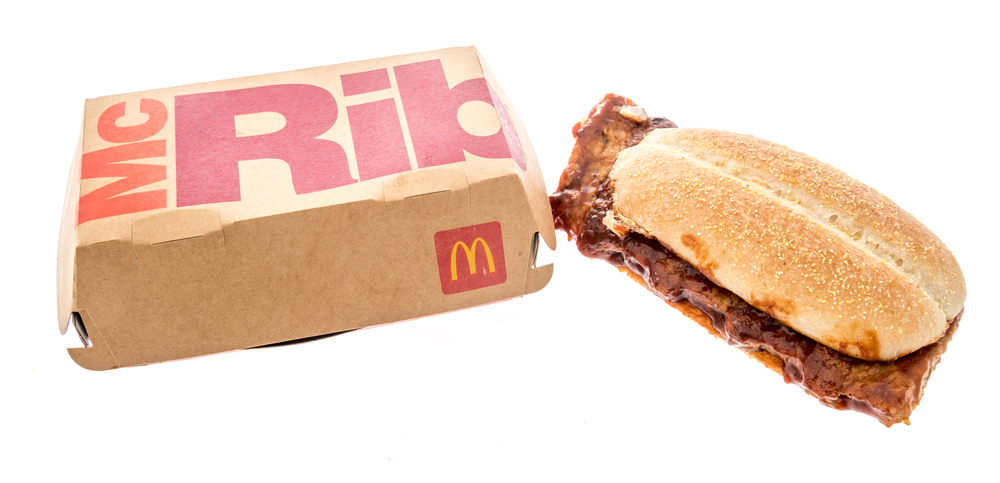
At the core of the lawsuit is the argument that McDonald’s marketing creates a misleading impression. The complaint states that the name McRib, combined with the sandwich’s distinctive rib-like shape, signals to consumers that they are buying a pork rib product.
The lawsuit points out that pork rib meat, including baby back ribs and spare ribs, is widely regarded as a premium cut that commands higher prices in the marketplace. By contrast, the plaintiffs allege that the McRib is made from lower-grade pork components that are reshaped and processed to resemble ribs.
According to the complaint, this difference matters because consumers are willing to pay more for rib meat. The plaintiffs argue that McDonald’s capitalized on this perception while charging prices that sometimes exceeded those of core menu items.
The lawsuit includes 16 legal claims, including fraudulent misrepresentation, fraudulent omission, breach of warranty, breach of contract, unjust enrichment, and violations of state consumer protection laws in multiple jurisdictions.
The Importance of a Product Name
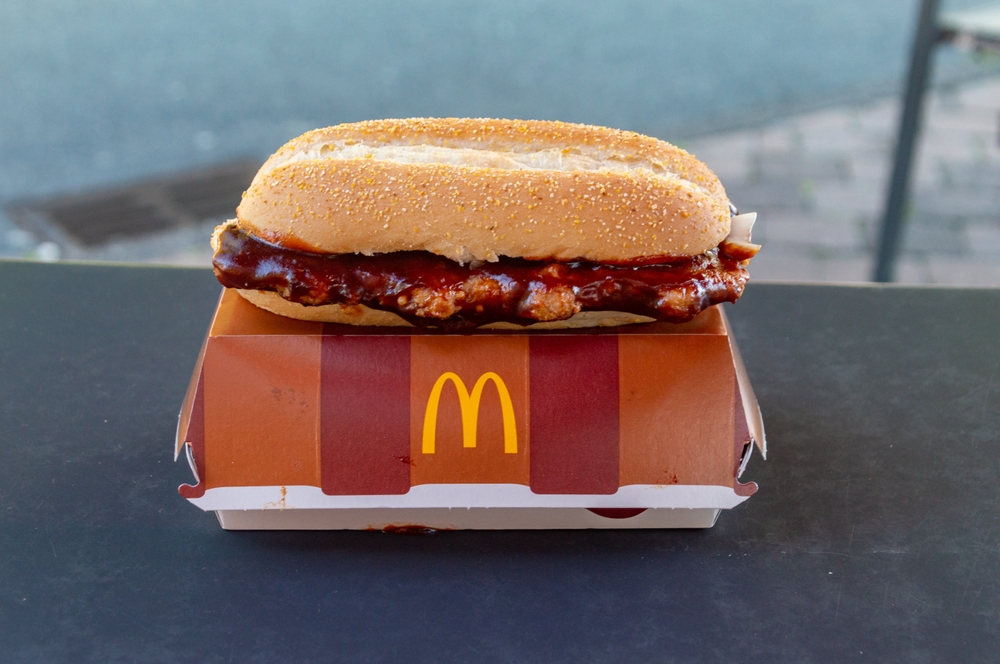
One of the most debated aspects of the case is whether a product’s name alone can create a legally actionable expectation. Consumer protection law often focuses on what a reasonable consumer would believe based on the overall presentation of a product.
The plaintiffs argue that the word rib carries a clear and commonly understood meaning. They claim that when consumers see a sandwich called the McRib, shaped like a rack of ribs and priced at a premium, it is reasonable to assume that the product contains rib meat.
The lawsuit describes the name as intentionally misleading, stating that McDonald’s knowingly omitted information about the absence of rib meat despite understanding that the detail would matter to consumers.
McDonald’s, however, contends that the name McRib is simply a brand name, not a literal description of the meat cut used. The company maintains that it has never claimed the sandwich contains rib meat and that its ingredient descriptions are publicly available.
Pricing and the Perception of Value
Pricing plays a significant role in the plaintiffs’ argument. According to data cited in the lawsuit, the McRib often costs more than many of McDonald’s standard menu items. In some locations, the sandwich has reportedly been priced as high as $7.89, exceeding the cost of a Big Mac during the same period.
The plaintiffs argue that this higher price reinforces the idea that the McRib is a premium product made from a premium cut of pork. They say consumers are more likely to scrutinize marketing claims when prices are high, but that the McRib’s limited availability undermines that scrutiny.
By presenting the McRib as a special, time-sensitive item, the lawsuit claims McDonald’s encourages impulse purchases rather than careful evaluation.
Mcdonald’s Response to the Allegations
McDonald’s has responded forcefully to the lawsuit, calling the claims inaccurate and misleading. In statements provided to multiple media outlets, the company emphasized its commitment to food quality and transparency.
According to McDonald’s, the McRib is made with 100 percent pork sourced from U.S. farmers and suppliers. The company disputes allegations that the sandwich contains organ meats or unconventional ingredients and says its marketing has always been truthful.
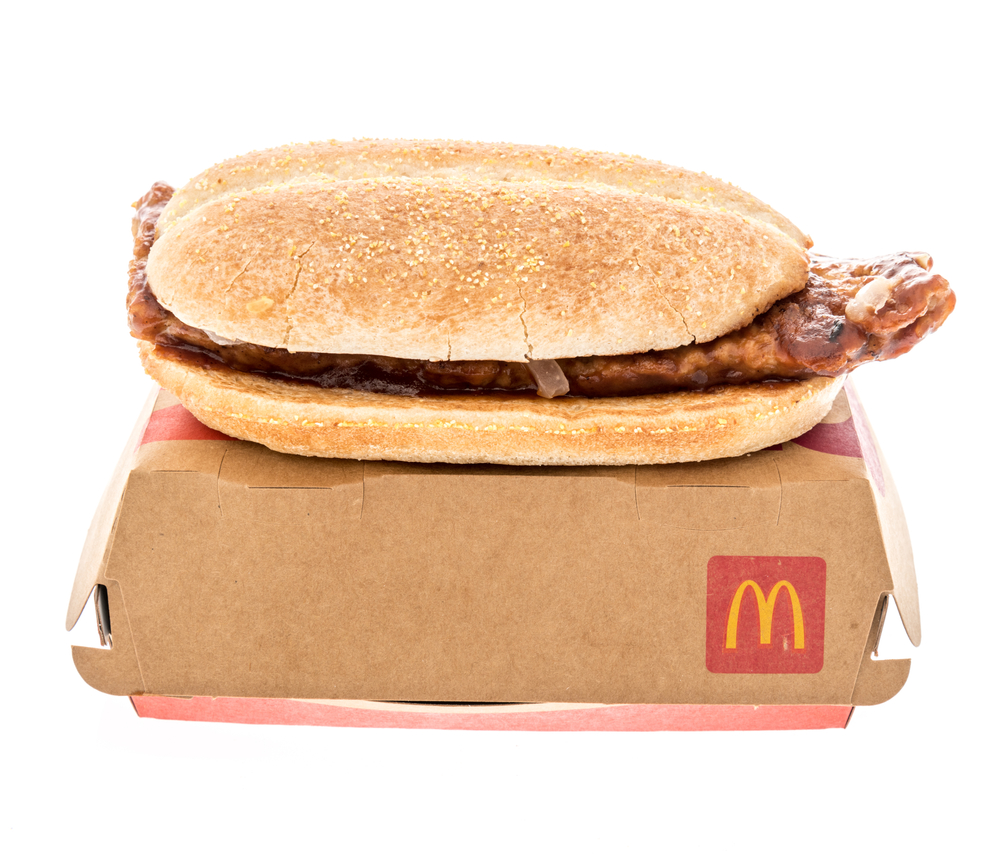
McDonald’s describes the McRib as seasoned boneless pork dipped in barbecue sauce, topped with onions and pickles, and served on a homestyle bun. The company says this description is readily available to consumers and that no attempt has been made to conceal the nature of the product.
From McDonald’s perspective, the lawsuit hinges on a misunderstanding of branding rather than any factual misrepresentation.
A Sandwich With a Complicated History
The McRib was first introduced in the United States in 1981. Initially, it was not an immediate success and was removed from menus after a short run. Over time, however, it returned periodically, gaining a loyal following that grew with each limited reappearance.
By the 1990s and 2000s, the McRib had become a symbol of scarcity marketing. Its unpredictable availability created a sense of excitement that few fast food items could match. Fans began tracking its movements online, turning its return into a social media event.
This history is central to the lawsuit’s argument. The plaintiffs claim that the McRib’s limited-time status creates urgency that discourages consumers from asking questions or reviewing ingredient information.
According to the complaint, this cycle of disappearance and return helps maintain long-standing misconceptions about the sandwich’s contents.
Past Rumors and Public Clarification Efforts

The McRib has long been surrounded by rumors about its ingredients. Over the years, viral claims have suggested that the sandwich was made from unusual or even synthetic materials.
In response, McDonald’s has previously attempted to clarify how the McRib is made. In 2014, the company collaborated with former MythBusters host Grant Imahara to show the production process behind the sandwich. The goal was to dispel myths and reassure customers about the product’s safety and composition.
Those efforts demonstrated that the McRib patty is made from ground pork combined with seasonings and preservatives, rather than plastic or unrecognizable materials.
The current lawsuit does not dispute the safety of the sandwich. Instead, it argues that even accurate ingredient lists do not resolve the issue of implied meaning created by the product’s name and presentation.
Why Limited-Time Marketing Matters
Scarcity is a powerful marketing tool. Behavioral research has shown that people are more likely to act quickly and emotionally when they believe an opportunity is fleeting.
The plaintiffs argue that McDonald’s has leveraged this psychology by offering the McRib for short, unpredictable periods. According to the lawsuit, this strategy reduces the likelihood that consumers will carefully consider what they are buying.
When customers feel they might miss out, they are more likely to rely on assumptions and familiarity rather than details. The lawsuit suggests that this environment allows misconceptions to persist over time.
The Legal Path Ahead
For the lawsuit to move forward as a class action, the court must first determine whether class certification is appropriate. This involves evaluating whether the plaintiffs’ claims are sufficiently similar to represent millions of consumers nationwide.
If the class is certified, the case could proceed to discovery, where internal documents, marketing strategies, and consumer research may be examined. At that stage, both sides would have the opportunity to strengthen their arguments.
The plaintiffs are seeking damages, restitution, and injunctive relief. The latter could require McDonald’s to change how it markets the McRib if the court finds the current practices misleading.
McDonald’s, meanwhile, is expected to argue that reasonable consumers understand the McRib as a branded product rather than a literal description of meat cuts.
Why This Case Resonates With Consumers
Although the lawsuit centers on a single sandwich, it touches on broader questions about trust and transparency. Many consumers rely on brand names and imagery rather than ingredient lists when making quick food choices.
Cases like this raise questions about where companies should draw the line between creative branding and factual clarity. They also highlight how deeply ingrained assumptions can become when a product has been around for decades.
For some consumers, the controversy has prompted reflection on how much information they actually want or expect when ordering fast food.
The Role of Consumer Expectations
Expectations play a central role in the lawsuit. The plaintiffs argue that McDonald’s benefited financially from consumer assumptions that were never corrected.
McDonald’s counters that it has provided sufficient information and that consumers bear responsibility for understanding what they purchase.
The outcome of the case may depend on how the court defines a reasonable consumer and whether implied meaning carries the same weight as explicit claims.
A Familiar Product Under New Scrutiny
The McRib’s enduring popularity makes the lawsuit especially noteworthy. Few fast food items inspire the same level of loyalty and nostalgia.
For many customers, the sandwich represents comfort and tradition rather than a detailed examination of ingredients. The lawsuit challenges that dynamic by asking whether familiarity can coexist with informed choice.
What Happens Next
As of now, the lawsuit remains in its early stages. No ruling has been made on class certification, and the merits of the claims have not been adjudicated.
McDonald’s has indicated that it intends to defend itself vigorously. The plaintiffs maintain that their claims reflect widespread consumer misunderstanding.
The case could take months or even years to resolve, depending on procedural developments and potential settlement discussions.
A Broader Takeaway for Consumers
Regardless of the lawsuit’s outcome, the controversy has already prompted renewed attention to how products are named and marketed.
For consumers, it serves as a reminder that assumptions often fill in the gaps left by branding. For companies, it underscores the legal and reputational risks of relying too heavily on implication.
The McRib may remain a seasonal favorite, but it is now also a focal point in a larger conversation about transparency, trust, and the power of a name.
As the legal process unfolds, one thing is certain. A sandwich that once symbolized simple indulgence has become a case study in how marketing, memory, and meaning collide.