
Your cart is currently empty!
Hidden Fungus Linked to LSD Like Compounds Finally Identified and Sequenced
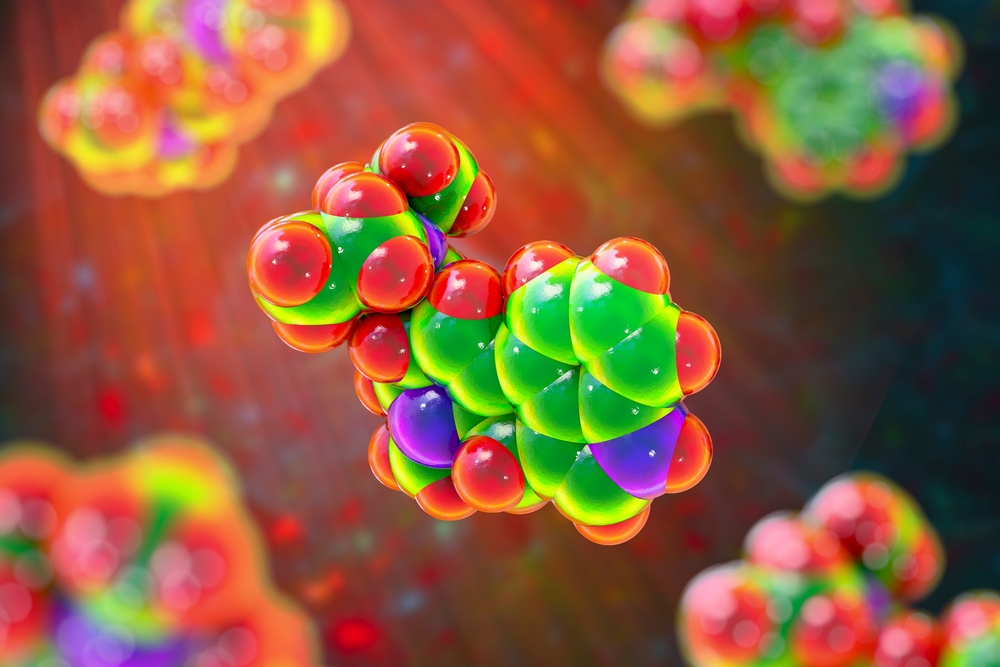
For decades, scientists quietly suspected that something unusual was hiding inside one of the most common flowering plants in the world. Morning glories, often seen climbing fences or growing wild along roadsides, had long been associated with naturally occurring compounds similar to those found in LSD. These similarities were not folklore or speculation, but observations rooted in chemistry and botany that stretched back nearly a century. Yet despite years of study, no one could identify the biological source responsible for producing these compounds, leaving a major gap in scientific understanding and an unanswered question that lingered across generations of researchers.
Contents
show
That question has now been answered through an unexpected discovery at West Virginia University. What began as a routine undergraduate research project evolved into a breakthrough with implications for medicine, agriculture, and pharmaceutical science. A previously unknown species of fungus has been identified, sequenced, and formally named, confirming a theory first proposed in the early days of psychedelic research. The finding connects modern genomic science with a historical mystery, demonstrating that even familiar plants can still harbor biological secrets capable of reshaping scientific fields.
After a century of searching, a student found the LSD-like fungus
— Steph Kent (@covertress) December 18, 2025
For centuries, Indigenous peoples in Mesoamerica have used morning glory vines in sacred rituals, thanks to the vines’ potent psychedelic seeds. Scientists knew these seeds contain ergot alkaloids—powerful… pic.twitter.com/ogGgNTDrlh
A Theory That Traced Back to the Birth of LSD Research
The story begins in the late 1930s with Swiss chemist Albert Hofmann, who synthesized LSD while studying compounds derived from ergot fungi. During this work, Hofmann and other scientists noticed that morning glory plants contained high concentrations of lysergic acid derivatives similar to those found in LSD. This observation led to a compelling hypothesis that a fungus, rather than the plant itself, was responsible for producing these psychoactive compounds.
At the time, researchers understood that ergot alkaloids are made exclusively by fungi. These compounds were already known for both their toxic effects and their medical potential, particularly when isolated and carefully administered. Despite this knowledge, repeated attempts to locate the fungus believed to be living within morning glories failed, leaving Hofmann’s theory unproven for decades.
According to Daniel Panaccione, the mystery persisted because the organism was exceptionally difficult to detect. “Morning glories contain high concentrations of similar lysergic acid derivatives that give them their psychedelic activities,” he explained. “This inspired Hofmann and others to investigate morning glories for the presence of a hidden fungus related to the ergot fungus that might be the source of these chemicals. They found very similar chemicals, but they could never find the fungus itself.”

The Discovery That Started With a Closer Look
The breakthrough came from Corinne Hazel, an environmental microbiology major and Goldwater Scholar at West Virginia University. While studying how morning glory plants transport protective chemicals called ergot alkaloids through their roots, Hazel noticed something unusual while examining seed coats. What initially appeared to be a minor irregularity soon revealed itself as something far more significant.
“We had a ton of plants lying around and they had these tiny little seed coats,” Hazel said. “We noticed a little bit of fuzz in the seed coat. That was our fungus.” That moment marked the first time the elusive organism had been directly observed, ending decades of speculation about its existence.
Hazel made the discovery while working in the laboratory of Daniel Panaccione, a Davis Michael Professor of Plant and Soil Sciences. Together, they realized that the faint traces of fungal material embedded within the plant tissue could represent the long sought after symbiotic partner scientists had been searching for.

Sequencing a Genome and Naming a New Species
To confirm the identity of the organism, the research team prepared a DNA sample and sent it for genome sequencing. The work was funded by a WVU Davis College Student Enhancement Grant obtained by Hazel, highlighting the role of student driven research in advancing scientific knowledge. The sequencing results confirmed that the fungus was not only real, but entirely new to science.
The species was formally named Periglandula clandestina, a reference to its ability to remain hidden from investigators for decades. The complete genome sequence has now been deposited in an international gene bank, with Hazel credited for the discovery. “Sequencing a genome is a significant thing,” Panaccione said. “It’s amazing for a student.”
The confirmation of a new species provided definitive proof of the long standing hypothesis linking morning glories, fungi, and ergot alkaloids. It also established a foundation for future research into how these compounds are produced and how they might be modified for safer use.

Why Ergot Alkaloids Matter in Medicine
Ergot alkaloids have a complicated history. In uncontrolled amounts, they can be highly toxic, causing serious illness in humans and livestock. Historically, ergot contamination of grain crops led to outbreaks of poisoning that shaped agricultural and medical practices. Despite these dangers, the compounds have also played an important role in modern medicine.
Today, ergot derived substances are used to treat conditions such as migraines, Parkinson’s disease, dementia, and uterine hemorrhaging. In recent years, LSD itself has gained renewed attention for its potential role in treating depression, post traumatic stress disorder, addiction, and end of life anxiety under carefully controlled conditions.
Periglandula clandestina is particularly notable because of its efficiency. The fungus produces ergot alkaloids in large quantities, making it a promising subject for pharmaceutical research aimed at refining these compounds and reducing their unwanted side effects.
From Toxic Compounds to Targeted Therapies
One of the central challenges in pharmacology is transforming substances that are harmful in their natural form into useful therapeutic tools. As Panaccione noted, “Many things are toxic. But if you administer them in the right dosage or modify them, they can be useful pharmaceuticals.” This principle lies at the heart of why the discovery is so significant.
By studying how Periglandula clandestina produces ergot alkaloids, scientists hope to identify ways to alter these compounds to bypass harmful effects while preserving their medical benefits. This approach could lead to safer psychedelic assisted therapies and more sustainable methods of drug production.
The discovery also offers insights into how complex chemicals are naturally synthesized, providing potential alternatives to purely synthetic pharmaceutical processes.

A Symbiotic Relationship Hidden in Plain Sight
Morning glories and Periglandula clandestina exist in a symbiotic relationship. The plant provides the fungus with shelter and nutrients, while the fungus produces chemical defenses that protect the plant from insects and other threats. This partnership illustrates how cooperation between species can result in powerful biological outcomes.
Researchers are now exploring whether other morning glory species may host similar fungal partners. If additional species are discovered, they could reveal a broader network of symbiotic relationships with untapped scientific and medical potential.
The finding underscores how much remains unknown about even the most familiar plants, particularly at the microscopic level.
A Discovery Rooted in Curiosity and Persistence
What makes this breakthrough especially compelling is how it came about. There was no large scale initiative or race for recognition, but rather careful observation and sustained curiosity. Hazel described the experience as unexpectedly finding something scientists had been searching for over many years.
“I’m lucky to have stumbled into this opportunity,” she said. “People have been looking for this fungus for years, and one day, I look in the right place, and there it is. I’m very proud of the work that I’ve done at WVU.”
Her experience highlights the importance of giving students opportunities to engage in meaningful research and the potential impact of paying close attention to overlooked details.
What This Discovery Means Moving Forward
The sequencing of Periglandula clandestina does not signal an immediate transformation in medicine, but it provides a clearer roadmap for future research. Scientists now have direct access to the genetic blueprint responsible for producing ergot alkaloids in morning glories.
This knowledge could influence the development of new mental health treatments, improve agricultural safety, and deepen understanding of plant fungal relationships. It also raises broader questions about how many other organisms remain undiscovered within familiar ecosystems.
Ultimately, the discovery serves as a reminder that scientific breakthroughs often emerge quietly. Even ordinary plants can hold extraordinary secrets, waiting for someone willing to look a little closer.