
Your cart is currently empty!
Baba Vanga and the Fear Surrounding 2026

As the calendar turns toward 2026, an old name has once again taken over social media feeds, group chats, and late night conversations. The name is Baba Vanga, the blind Bulgarian mystic whose prophecies have been circulating for decades. From TikTok videos stitched together with breaking news clips to long Reddit threads dissecting every global flashpoint, her alleged predictions for 2026 are being shared with renewed urgency.
Contents
show
For some, Baba Vanga represents an uncanny prophet whose words have echoed through history with frightening accuracy. For others, she is a cultural symbol whose vague visions are constantly reinterpreted to match the anxieties of the present moment. Either way, the predictions attributed to her for 2026 are being described as some of the darkest yet. They include warnings of a global war, massive natural disasters, economic collapse, and even humanity’s first contact with extraterrestrial life.
What makes these predictions particularly viral now is the backdrop against which they are being discussed. The world feels fragile. Conflicts simmer across multiple regions, climate related disasters dominate headlines, economies remain unstable, and artificial intelligence is rapidly reshaping daily life. Against this landscape, Baba Vanga’s name has resurfaced not as a relic of the past but as a lens through which people are trying to understand an uncertain future.
Who Was Baba Vanga and Why People Still Listen
Baba Vanga was born as Vangelia Pandeva Gushterova in 1911 in Strumica, a town that is now part of North Macedonia. Her life story is often described as extraordinary and deeply symbolic. At the age of twelve, she was caught in a violent storm that reportedly lifted her into the air and threw her to the ground. When her family eventually found her days later, she had lost her eyesight permanently. According to accounts shared by her followers, this traumatic experience marked the beginning of her visions.
Despite having little formal education and growing up in poverty, Baba Vanga gained a reputation across Bulgaria and neighboring regions as someone who could see beyond the present. People traveled long distances to consult her, often waiting for hours or days for a brief audience. They came with questions about health, relationships, missing relatives, and global events. Over time, stories about her alleged predictions spread far beyond Eastern Europe.
She continued giving readings for decades until her death in 1996 at the age of 85. After her passing, interest in her life and prophecies only intensified. Admirers claim she predicted events such as the 9/11 attacks, the Chernobyl disaster, the sinking of the Russian submarine Kursk, and the rise of China as a global power. Critics, however, point out that there are no verified written records of her prophecies. Most of what is attributed to her comes from second hand accounts, books, interviews, and later interpretations.
This lack of original documentation has not diminished her influence. Instead, it has allowed her words to remain flexible and adaptable. Each new era finds its own meaning in her alleged visions, reshaping them to fit contemporary fears and uncertainties.
Why 2026 Has Become the Focal Point
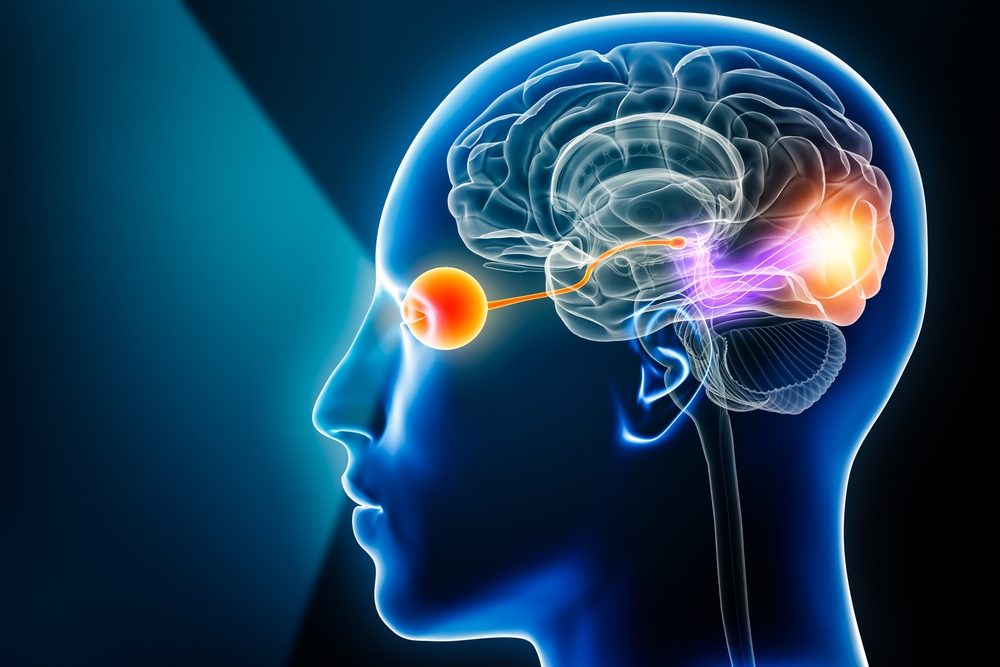
While Baba Vanga is said to have predicted events stretching centuries into the future, the year 2026 has emerged as a particularly charged point in her alleged timeline. According to widespread reports circulated by tabloids, online media, and social platforms, she warned that 2026 would be a year of war, destruction, and dramatic global change.
One of the most alarming claims is that World War III would begin in 2026. This idea has gained traction as geopolitical tensions rise across several regions simultaneously. Conflicts involving Russia and Ukraine continue to destabilize Europe. Ongoing violence and political uncertainty in the Middle East keep the region on edge. Tensions between China and Taiwan raise fears of a confrontation that could draw in global powers.
In addition to war, 2026 is often described as a turning point when old powers fall and new ones rise. Some interpretations suggest that global influence will shift decisively toward Asia, with China emerging as the dominant military and economic force. Supporters of this view point to China’s expanding global trade presence, technological growth, and increasing confidence on the world stage as evidence that such a shift is already underway.
Social media plays a central role in amplifying these interpretations. Complex geopolitical developments are often condensed into dramatic narratives that are easy to share and emotionally compelling. In this environment, Baba Vanga’s name becomes a powerful symbol that ties together disparate global events into a single story of impending change.
Predictions of Global Conflict and World War III

The prediction that draws the most fear is the alleged warning of World War III beginning in 2026. According to interpretations attributed to Baba Vanga, escalating conflicts between major global powers would eventually erupt into a worldwide struggle that reshapes civilization.
Supporters of this interpretation often point to several current flashpoints. The war in Ukraine has altered Europe’s security landscape and strained relations between NATO countries and Russia. Military exercises and political rhetoric around Taiwan continue to raise concerns about a potential conflict involving China and the United States. Meanwhile, tensions in the Middle East involving Israel, Iran, and neighboring regions add further instability.
Online, these events are frequently presented as pieces of a larger puzzle. Videos and posts combine news footage with ominous commentary referencing Baba Vanga’s prophecies. While such content is highly engaging, analysts caution that it often lacks nuance and context. Correlation is presented as causation, and speculation is framed as inevitability.
Critics also note that Baba Vanga was reportedly said to have predicted World War III would begin in earlier years that have already passed. These missed predictions raise questions about how and why specific dates are repeatedly reassigned as long as global tensions persist.
Natural Disasters and Climate Chaos in 2026
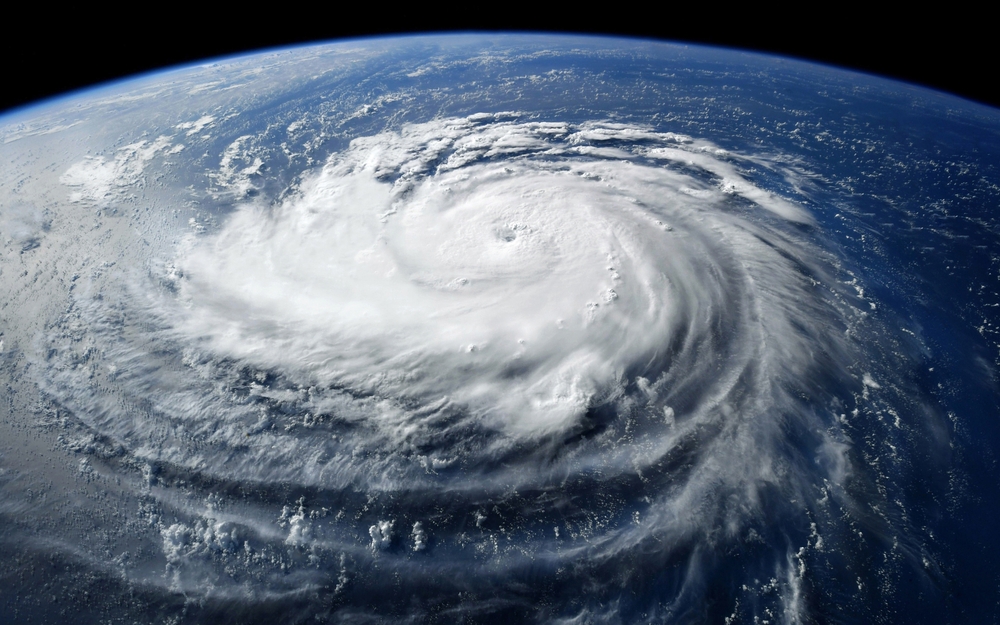
Beyond war, Baba Vanga’s predictions for 2026 are said to include devastating natural disasters. These reportedly involve massive earthquakes, volcanic eruptions, floods, hurricanes, and extreme weather events affecting significant portions of the planet.
These claims resonate strongly in a world already experiencing the visible effects of climate change. In recent years, record breaking heatwaves, destructive wildfires, catastrophic floods, and powerful storms have become more frequent. Scientists warn that rising global temperatures are likely to intensify these events further.
Because of this context, Baba Vanga’s alleged warnings are often perceived as confirmations rather than predictions. When a powerful earthquake strikes or a hurricane devastates a coastal region, online posts quickly resurface her name, framing these events as evidence that her visions are unfolding.
Experts emphasize, however, that natural disasters follow known scientific patterns. Earthquakes occur along fault lines, volcanic eruptions follow geological processes, and extreme weather is increasingly linked to climate dynamics. While these events are serious and often tragic, they do not require supernatural foresight to anticipate.
Economic Collapse and Financial Instability

Another major theme in Baba Vanga’s 2026 predictions is global economic disaster. According to interpretations circulating online, she foresaw widespread financial instability affecting banking systems, digital currencies, and national economies.
This prediction has struck a nerve at a time when many people already feel financially vulnerable. Inflation has eroded purchasing power, housing costs have soared, and job security feels increasingly uncertain. At the same time, the rapid rise and fall of cryptocurrencies has fueled fears about the stability of modern financial systems.
In this environment, predictions of economic collapse feel less like distant speculation and more like an extension of existing anxiety. Social media videos warning of bank failures and currency crashes often reference Baba Vanga as a way to add weight and urgency to their claims.
Economists caution that while recessions and financial crises are part of economic cycles, they are driven by policy decisions, market behavior, and global events rather than prophecy. History shows that economies can suffer severe downturns and still recover through adaptation and reform.
Extraterrestrial Contact and Humanity’s Curiosity
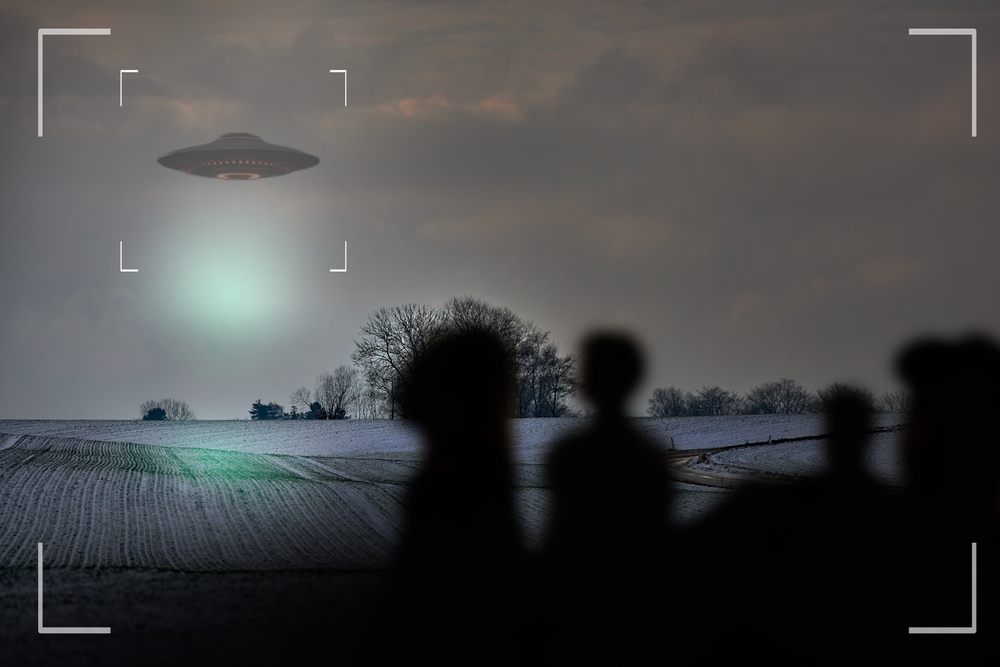
Among the more sensational predictions attributed to Baba Vanga is the claim that humanity will make contact with extraterrestrial life in 2026. Some interpretations suggest that this encounter could trigger widespread fear or a global crisis.
Interest in this prediction has been fueled by renewed attention to unidentified aerial phenomena and advances in space exploration. New telescopes are discovering distant planets at an unprecedented rate, and scientific discussions about the possibility of microbial life beyond Earth are becoming more common.
Online speculation often links Baba Vanga’s prediction to specific celestial events or alleged government disclosures. While these connections are speculative, they capture public imagination by tapping into a deep curiosity about whether humanity is alone in the universe.
Scientists stress that while the search for extraterrestrial life continues, there is currently no verified evidence of contact. Still, the idea resonates because it challenges fundamental questions about identity, existence, and humanity’s place in the cosmos.
The Track Record of Baba Vanga’s Predictions
Supporters of Baba Vanga frequently cite examples of predictions they believe she got right. These include references to the 9/11 attacks, described as American brethren falling after being assaulted by steel birds, the Chernobyl nuclear disaster, and the sinking of the Russian submarine Kursk.
She is also credited with predicting the election of a Black president in the United States and the rise of global terrorism. These claims have contributed to her enduring reputation as a mystic whose visions transcend time.
Skeptics, however, highlight notable inaccuracies. Baba Vanga was reportedly said to have predicted World War III would begin in 2010 and that aliens would appear during a major sporting event in 2025. Neither event occurred. Critics argue that selective memory and vague language make it easy to retrofit predictions to real events.
Psychologists explain that humans naturally seek patterns and meaning, especially during uncertain times. Predictions that appear accurate are remembered, while those that fail are quietly forgotten.
Why Doomsday Predictions Go Viral
The resurgence of Baba Vanga’s predictions is not happening in isolation. Experts explain that doomsday narratives spread rapidly because they trigger strong emotional responses such as fear, anxiety, and uncertainty. Content that evokes these emotions is more likely to be shared and discussed.
Attaching fear to a specific date like 2026 also provides a sense of structure. Abstract threats such as climate change or geopolitical rivalry feel overwhelming, but a fixed deadline makes them feel more manageable and shareable.
Social media algorithms amplify this effect by prioritizing content that generates engagement. As a result, dramatic predictions often travel faster and farther than cautious analysis.
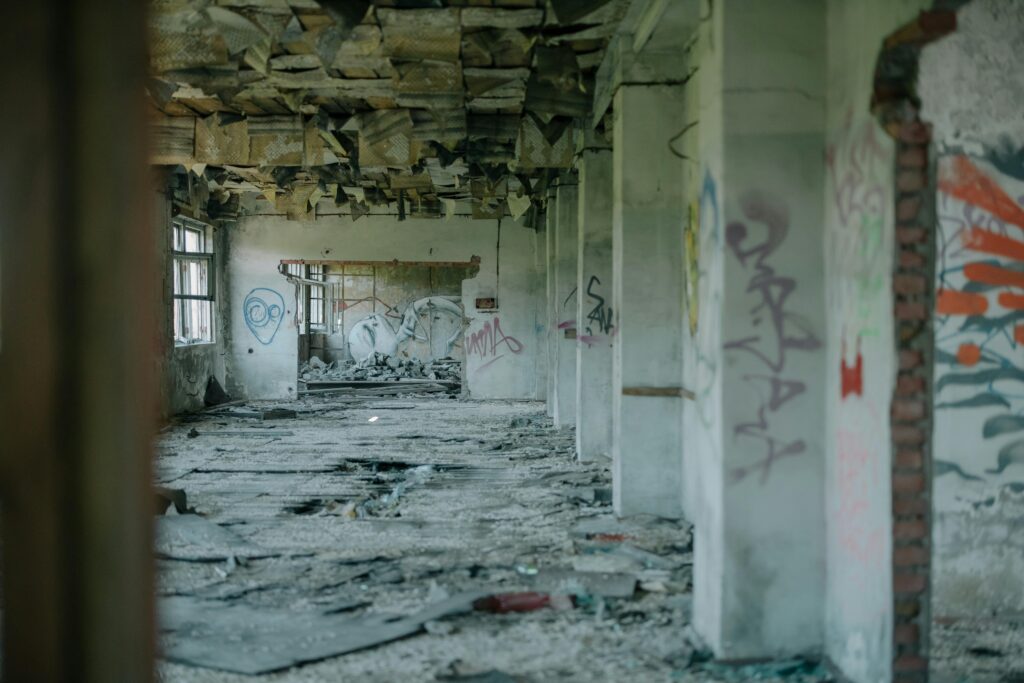
Is 2026 Really the End of the World
History is filled with failed predictions of the end times. From fears surrounding the year 1000 to Y2K and the 2012 Mayan calendar panic, humanity has repeatedly anticipated a catastrophe that never came.
Most scholars agree that while 2026 may bring serious challenges, the idea of an absolute end is highly unlikely. Baba Vanga herself is said to have predicted that the world would not truly end until the year 5079, with humanity’s decline unfolding gradually rather than suddenly.
What is more probable is that 2026 will reflect a familiar historical pattern. Periods of crisis followed by adaptation, resilience, and change. Societies evolve, conflicts eventually resolve, and new systems emerge.
What These Predictions Reveal About Us
The enduring fascination with Baba Vanga’s predictions says as much about modern society as it does about her. In times of uncertainty, people look for stories that provide meaning and structure. Prophecies offer simple narratives that explain complex problems and give a sense of inevitability.
Rather than viewing 2026 as a countdown to doom, experts encourage critical thinking, media literacy, and engagement with credible information. Preparing for the future does not require surrendering to fear, but understanding risks and responding thoughtfully.
In the end, Baba Vanga’s predictions function less as a roadmap of what will happen and more as a mirror reflecting collective anxiety. The world may face turbulence in 2026, but history suggests it will continue forward, shaped by human choices rather than predetermined fate.