
Your cart is currently empty!
Australia Removes Millions of Child Social Media Accounts
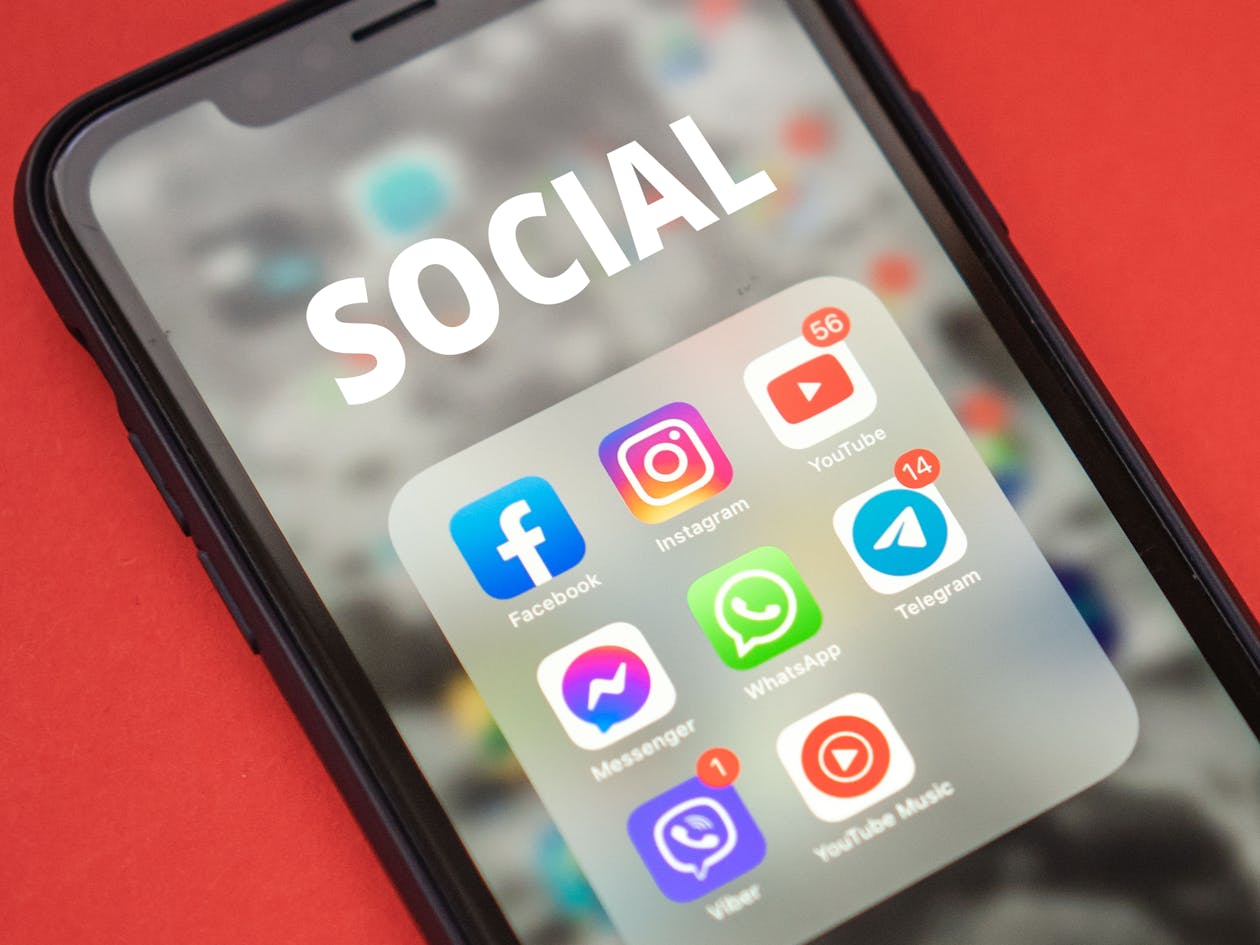
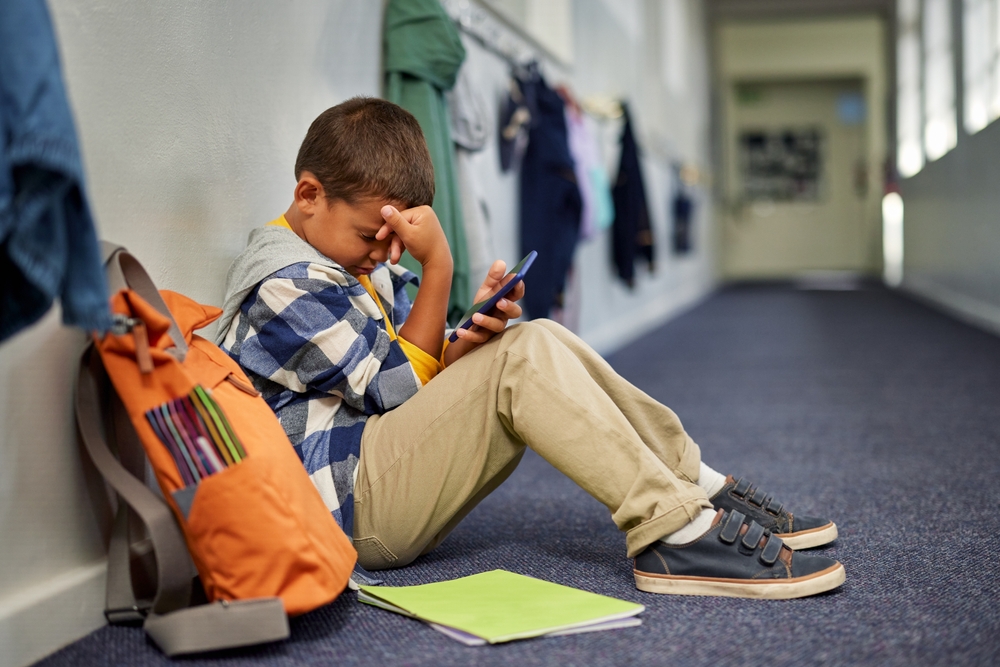
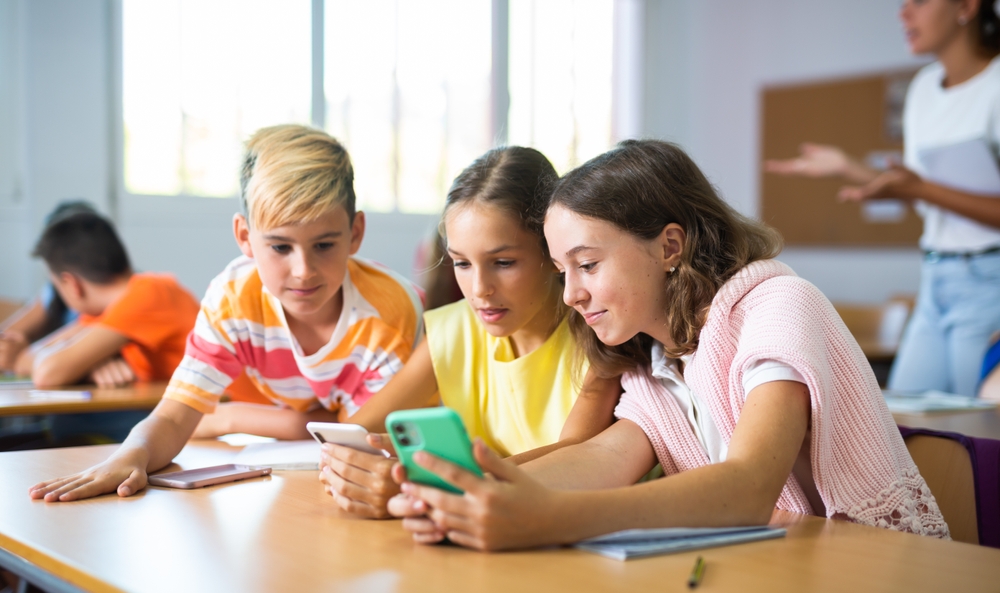
For more than a decade, social media has quietly woven itself into childhood. What began as a way to connect with friends slowly became a constant presence in young people’s lives, shaping how they see themselves, how they relate to others, and how they understand the world. Phones became companions at the dinner table, in bedrooms late at night, and even in classrooms. Parents worried, teachers warned, and mental health experts raised alarms, yet meaningful intervention often stalled.
Contents
show
Australia has now taken one of the most decisive steps ever attempted to address those concerns.
Since enforcing its nationwide ban on social media use for children under the age of 16, officials say around 4.7 million accounts have been removed or restricted. The figure is striking in a country where only about 2.5 million people are aged between eight and 15. Supporters see the number as proof that the law is already working. Critics argue it highlights just how complex, intrusive, and potentially risky enforcement could become.
What is certain is that Australia has forced a global reckoning. The country has moved beyond debate and into action, placing itself at the center of an international conversation about childhood, technology, and where responsibility truly lies.
Why Australia Took Such a Drastic Step
The Australian government says the decision to ban under-16s from social media was not ideological or reactionary, but rooted in years of mounting evidence.
A government-commissioned study published earlier this year painted a troubling picture. It found that 96 percent of children aged 10 to 15 were active on social media platforms. Seven out of 10 reported exposure to harmful content, ranging from violent imagery and misogynistic material to posts promoting eating disorders, self-harm, and suicide. One in seven said they had experienced grooming-type behavior from adults or significantly older users. More than half reported being victims of cyberbullying.
Officials argued that these harms were not accidental. They pointed to design features such as infinite scrolling, algorithmic amplification of extreme content, and notification systems engineered to keep users engaged for as long as possible. For children whose brains are still developing, the government said, these systems pose unique risks.
Communications Minister Annika Wells framed the law as a corrective measure, saying it was time to push back against platforms that profit from attention while externalizing harm onto families and schools. The goal, she said, was not punishment but protection.
Which Platforms Are Covered and Which Are Not
The scope of the ban has been one of its most debated aspects.
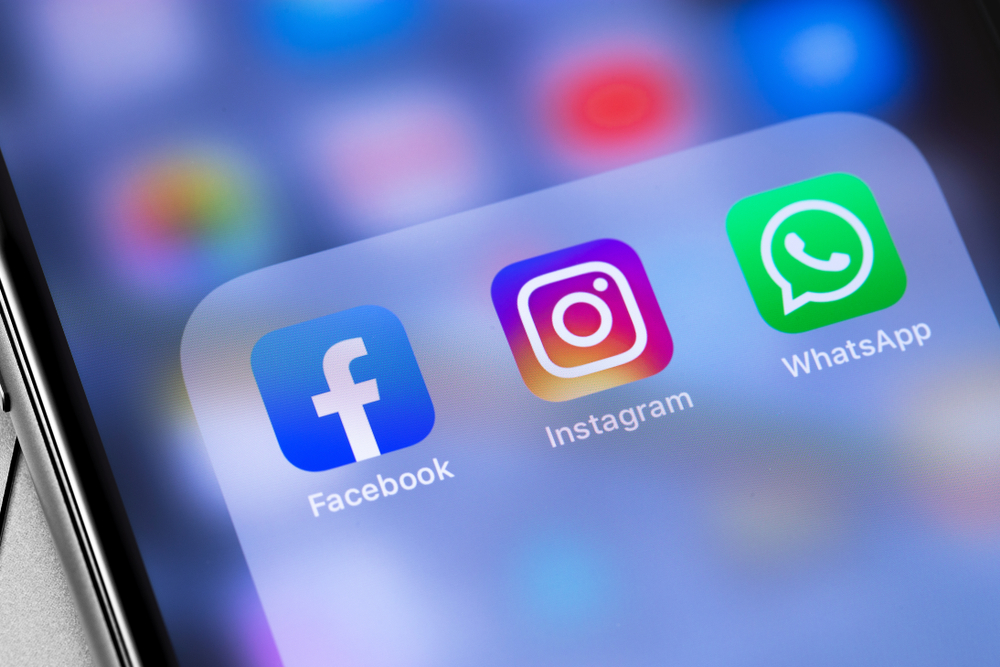
The law applies to platforms whose sole or significant purpose is to enable online social interaction. This includes services that allow users to create accounts, interact with other users, and post content. Under this definition, platforms such as Facebook, Instagram, Snapchat, Threads, TikTok, X, YouTube, Reddit, Kick, and Twitch are covered.
Messaging services like WhatsApp and Facebook Messenger are excluded, as are educational tools such as Google Classroom. Child-focused platforms like YouTube Kids are also exempt. The government argues these services do not meet the criteria of open-ended social interaction targeted by the law.
Children under 16 can still view most online content without an account. The restriction focuses on account creation and participation rather than passive consumption.
Critics say this distinction weakens the ban. They point to online gaming platforms like Roblox and Discord, which facilitate extensive social interaction yet remain outside the law. Dating apps and AI chatbots are also excluded, despite recent controversies involving inappropriate interactions with minors.
Supporters counter that the law is a starting point rather than a final solution and that expanding it too broadly at once could make enforcement unmanageable.
How the Ban Is Being Enforced
One of the most unusual features of the Australian ban is who it targets.
Children and parents are not punished for violations. There are no fines, criminal penalties, or sanctions against families. Instead, responsibility rests almost entirely with social media companies.
Platforms face fines of up to 49.5 million Australian dollars for serious or repeated failures to keep underage users off their services. The law requires companies to take what it calls reasonable steps to verify users’ ages.
Self-declaration and parental approval are no longer acceptable methods. Instead, companies must rely on age assurance technologies. These may include government-issued identification, facial or voice age estimation tools, or behavioral analysis that infers age based on activity patterns.
Some platforms have already begun deactivating accounts en masse while offering appeal processes for users who believe they were removed in error. Meta, which owns Facebook, Instagram, and Threads, said it removed nearly 550,000 underage accounts by the day after the ban took effect.
Officials acknowledge the system is imperfect but argue that placing accountability on companies rather than families marks a significant shift in how online harms are addressed.
The Numbers Behind the 4.7 Million Figure
The sheer scale of the account removals has surprised many observers.
Australia’s eSafety Commissioner, Julie Inman Grant, said earlier estimates suggested that 84 percent of children aged eight to 12 had at least one social media account. Many children held accounts across multiple platforms, sometimes dozens at once. This helps explain how removals could exceed the total number of under-16s in the country.
The reported 4.7 million figure includes accounts that were fully deactivated as well as those restricted pending age verification. While the government has not released a detailed breakdown by platform, it says all 10 covered companies submitted compliance data on time.
Supporters see the figure as evidence that social media use among children had become far more widespread than many adults realized. Critics argue the number also underscores how easily children may be able to create new accounts using false information, shared devices, or technological workarounds.
Concerns About Privacy and Data Collection
Privacy has emerged as one of the most contentious issues surrounding the ban.
Age verification often requires the collection of sensitive personal information, including identification documents or biometric data. Australia has experienced several high-profile data breaches in recent years, fueling fears about how securely this information can be stored.
Privacy advocates warn that once age verification becomes normalized, identity checks could become standard for all users, eroding anonymity online. They argue this could fundamentally change the nature of digital spaces.
The government insists strong safeguards are embedded in the legislation. Data collected for age verification must be used only for that purpose and destroyed afterward. Severe penalties apply for misuse or breaches.
Despite these assurances, skepticism remains, particularly among young people and digital rights groups who fear long-term consequences beyond the stated aim of child protection.

Human Rights and the Question of Proportionality
The Australian Human Rights Commission has taken a cautious stance on the ban.
While acknowledging the need to protect children from online harm, the Commission argues that a blanket ban risks limiting multiple fundamental rights. These include freedom of expression, access to information, freedom of association, and the right to participate in cultural and social life.
International human rights law requires that restrictions be lawful, necessary, and proportionate. Critics question whether a complete ban is the least restrictive means of achieving the government’s goals.
The Convention on the Rights of the Child emphasizes that children should have access to information that supports their development and wellbeing. It also recognizes that older children have evolving capacities and should be involved in decisions that affect them.
Youth advocacy groups have argued that the ban was developed with limited direct input from young people, raising concerns about whether their perspectives were adequately considered.
Will the Ban Actually Keep Children Safer
Whether the ban will deliver lasting safety remains uncertain.
Some teenagers have admitted to setting up fake profiles before the deadline. Others have switched to shared accounts with parents or siblings. Experts also predict increased use of virtual private networks, which can mask a user’s location.
Government officials say platforms are expected to move beyond reactive enforcement and focus on preventing new underage accounts from being created. They acknowledge the system will not be flawless but argue that reducing exposure is better than doing nothing.
Critics worry that removing children from mainstream platforms could push them toward smaller, less regulated spaces where moderation is weaker and risks are higher.
How Social Media Companies Have Responded
Technology companies reacted strongly when the ban was announced.
Many argued the law would be difficult to implement, easy to circumvent, and burdensome for users. Some warned it could reduce safety by eliminating parental controls tied to registered accounts.
YouTube has repeatedly stated it is not a social media company, despite being included in the ban. The platform warned that children would still be able to access content without accounts, potentially undermining safety features.
Despite their objections, all major platforms have said they will comply. Smaller companies such as Kick, the only Australian-based platform affected, say they are working closely with regulators.
A Global Ripple Effect
Australia’s decision has already influenced international policy discussions.
Denmark has announced plans to ban social media for children under 15. Norway and France are considering similar proposals, including curfews for older teenagers. Spain has drafted legislation requiring parental authorization for under-16s.
In the United Kingdom, new online safety rules allow for substantial fines and even jail time for executives who fail to protect young users. In the United States, attempts to impose similar bans have faced legal challenges.
Australian Prime Minister Anthony Albanese has described the global interest as a source of pride, saying it shows governments can challenge powerful technology companies.
Are There Better Alternatives
Some experts argue that banning children from social media addresses symptoms rather than root causes.
The Australian Human Rights Commission has suggested alternatives such as imposing a legal duty of care on platforms, requiring them to design products with children’s safety in mind.
Others advocate for stronger digital literacy education, teaching children to critically navigate online spaces. Supporters say empowering young people and parents may be more sustainable than outright bans.
There is also growing discussion about regulating algorithms, advertising, and data collection to reduce harm for users of all ages.

What the 4.7 Million Figure Really Represents
Beyond politics and policy, the 4.7 million figure has taken on symbolic weight.
For some parents, it represents relief and the hope of reclaiming parts of childhood lost to screens. For critics, it raises fears about surveillance, lost freedoms, and unintended consequences.
The number highlights how deeply social media had embedded itself in children’s lives. It also underscores the difficulty of balancing protection, autonomy, and privacy in a digital world.
Australia’s experiment is still unfolding. Whether it becomes a global model or a cautionary tale will depend on what happens next.
A Moment That Forces a Bigger Conversation
The under-16 social media ban has done more than remove millions of accounts. It has forced societies to confront uncomfortable questions.
What does childhood need in a digital age. Who should set the boundaries. And how much power should technology companies have over the most formative years of life.
Australia has chosen to act decisively. The rest of the world is watching closely, aware that the future of childhood online may be shaped by what happens here.