
Your cart is currently empty!
Why White People Food Took Over Chinese Social Media

In China, where meals are traditionally hot, shared, and rich with layers of flavor, a strange new lunchbox has taken over social media feeds. It contains no steaming rice, no glossy sauces, and no comforting aroma. Instead, there might be a few raw carrots, some spinach leaves, a boiled egg, or a cold sandwich with nothing more than ham and cheese.
Contents
show
At first glance, the reaction was laughter. Then disbelief. Then thousands of comments asking the same half-joking, half-serious question: how does anyone survive on this?
What Chinese internet users have labeled “white people food” began as a cultural roast of Western eating habits. But over time, it has turned into something far more revealing. The trend now says less about Western lunches and more about modern work culture, burnout, identity, and the quiet compromises people make just to get through the day.
A Lunch That Broke the Internet
The spark came from Chinese users living abroad who started posting photos of their colleagues’ lunches. These were not elaborate meals or trendy health bowls. They were shockingly plain.
A few baby carrots and raw spinach in a plastic container. Lettuce leaves wrapped around ham with a dab of mustard. Crackers with cheese and a piece of fruit. Sometimes, that was the entire meal.
One widely shared post showed a lunchbox containing only unpeeled carrots. The caption asked whether people in the West had evolved to generate energy without eating real food. The comments piled up quickly. One user joked that even their pet rabbit would refuse such a meal. Another called it a lunch designed to test the limits of human existence.
Soon, similar posts flooded Chinese platforms like Xiaohongshu and Weibo. The phrase “white people food” became shorthand for cold, minimally seasoned meals that looked more like snacks than lunch.
Why Cold Food Feels So Wrong
To understand why these meals caused such a strong reaction, it helps to understand how deeply hot food is tied to Chinese culture.
In China, meals are almost always served hot. Even cold dishes usually involve cooked ingredients that have been chilled, marinated, or prepared with care. Fire control, timing, and technique are central to cooking. The concept of wok hei, or the breath of the wok, is something chefs spend years mastering.
Beyond taste, there is also belief. Traditional Chinese medicine teaches that warm food and drinks are better for the body. Many people still boil drinking water even when tap water is safe. A cold lunch eaten straight from the fridge feels not just unappetizing, but unhealthy.
Against this backdrop, the idea of eating raw vegetables and cold meat at noon feels almost radical. It challenges both culinary norms and deeply held ideas about wellness.
From Mockery to Meme Culture
At first, the tone online was almost entirely sarcastic. People described these lunches as joyless, bleak, and symbolic of a life drained of pleasure.
One blogger called it the lunch of suffering. Another wrote that eating such food made them feel closer to death than life. Photos exaggerated the simplicity on purpose, showing single carrots, plain lettuce, or a banana and nothing else.
The humor worked because it was visual, absurd, and instantly relatable. In a culture where food is often photographed, shared, and celebrated, these meals felt like the anti-food.
But as the trend grew, something shifted.
When Ridicule Turned Into Curiosity

As more people joked about white people food, others began to admit something surprising. They were trying it.
Some were dieting and appreciated the low calories and high fiber. Others were students without access to kitchens who saw it as a cheaper alternative to takeout. But the group that truly pushed the trend forward was young professionals.
Long work hours, crowded commutes, and limited free time have made cooking feel like an exhausting obligation. After a full day at work, many people simply want to lie down and scroll on their phones. Preparing a multi-dish Chinese meal suddenly feels unrealistic.
White people food offered a solution. No stove. No oil. No cleanup. Just assemble, eat, and move on.
Eating to Live, Not Living to Eat

One comment captured the emotional shift behind the trend. After adopting the mindset that eating was simply about not starving, white people food became appealing.
This attitude resonated with many people who feel burned out by work culture. In sectors known for the 996 schedule, working from nine in the morning to nine at night, six days a week, lunch becomes fuel rather than pleasure.
Several users pointed out another benefit. These meals did not cause afternoon drowsiness. Without heavy rice or noodles, they felt more alert at work. Some even argued that the traditional advice to eat a big lunch and light dinner should be reversed for office workers.
The food may be bland, but it serves a purpose.
A Reflection of Burnout Culture
The rise of white people food mirrors broader cultural movements among young people in China.
In recent years, ideas like lying flat and let it rot have gained popularity. These movements reject constant competition and high ambition in favor of low desire living. People choose to do the bare minimum required to survive, rather than chasing exhausting ideals of success.
Bringing this mindset into the kitchen feels natural. Why spend hours cooking when the goal is simply to get through the day?
Minimal effort meals align perfectly with this philosophy. They are not meant to impress, delight, or even satisfy deeply. They are functional.
The Ideology of Low Effort Eating
Even before white people food went viral, Chinese social media had already been embracing low effort recipes. One pot meals, instant combinations, and dishes that required minimal washing up gained millions of views.
This trend was given a name that roughly translates to the ideology of muddling through meals. The idea is simple. As long as it is edible and nutritious, it is good enough.
White people food fits neatly into this category. It takes the concept to an extreme by removing cooking almost entirely.
Not Everyone Is on Board
Despite its growing popularity, many people remain deeply uncomfortable with the trend.
For those who see food as one of life’s greatest pleasures, the idea of surrendering to bland convenience feels depressing. Some commenters argued that if eating becomes purely utilitarian, something important is lost.
One user wrote that delicious meals were one of the few things they still looked forward to each day and they refused to give that up. Another suggested that if someone feels forced into eating this way, they might need to rethink larger aspects of their life.
These reactions highlight a divide. Is food meant to sustain the body, or nourish the soul?
The Cultural Stereotype Problem
As the trend spread globally, some began to question the label itself.
Western users joined in on the joke, posting their own lunches under the hashtag. Many laughed along, acknowledging the accuracy of the stereotype. Others pointed out that Western food culture is far more diverse than raw salads and cold sandwiches.
Chefs and food scholars warned that reducing entire cuisines to a meme risks oversimplification. Just as Asian food cannot be defined by one dish, neither can European or American food.
Some argued that the trend could be seen as a form of decolonization, pushing back against the idea that Western food norms are universal. Others worried it simply replaced one stereotype with another.
Why Sandwiches Exist at All
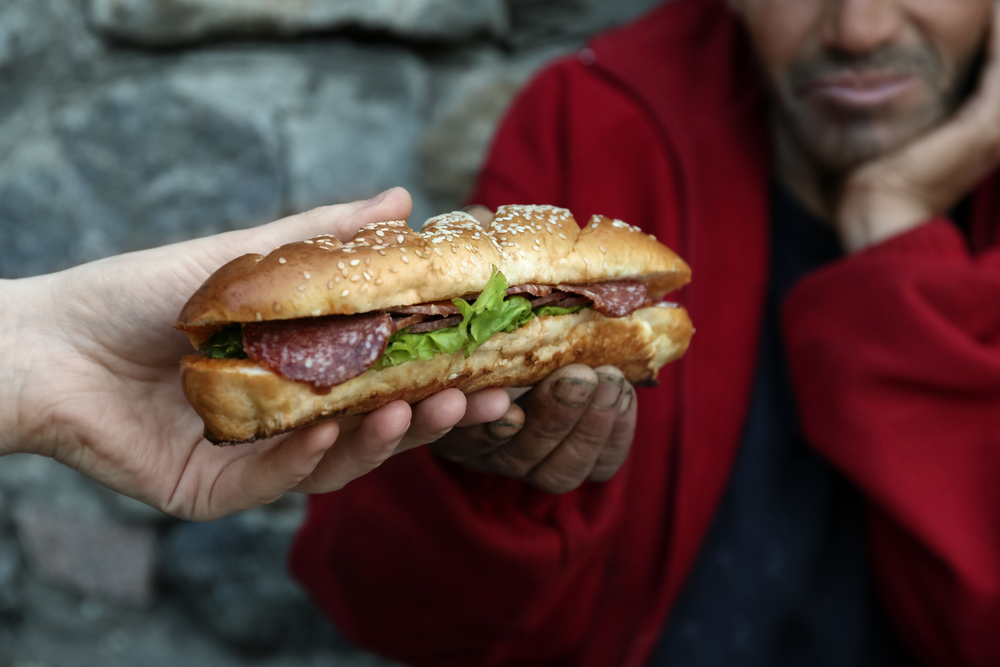
Food historians offered important context. Cold lunches did not emerge because people dislike flavor. They emerged because of industrialization.
In the nineteenth century, urbanization and factory work reduced lunch breaks and separated people from home kitchens. Quick, portable meals became necessary. Sandwiches allowed for multiple flavors without the need for heating or plates.
What looks like culinary apathy is often the result of structural constraints. Time, space, and labor shape what people eat.
When White People Food Goes Local
Interestingly, many Chinese users did not fully abandon flavor. Instead, they adapted the idea.
Some began posting about white people food adjusted for Chinese tastes. This included smashed cucumber salads with chili oil, whole wheat sandwiches filled with stir fried tomato and egg, or raw vegetables paired with bold dipping sauces.
These hybrid meals suggest that the trend is still evolving. Convenience does not have to mean tasteless.
A Quiet Rebellion Against Perfection

Social media is often filled with aspirational images of perfect meals and perfect lives. White people food stands in stark contrast.
Posting a photo of a banana and some nuts can feel freeing. It rejects performance and embraces ordinariness. There is no attempt to impress. No effort to curate an aesthetic.
In that sense, the trend becomes a quiet rebellion against constant optimization. Not everything has to be beautiful. Not every meal has to be special.
What This Trend Really Reveals
At its core, white people food is not about race or cuisine. It is about time, energy, and modern life.
It reflects how many people feel stretched thin, prioritizing survival over enjoyment. It shows how work culture seeps into the most basic daily rituals. And it reveals a growing desire to simplify, even at the cost of pleasure.
The laughter, mockery, and debate surrounding the trend are all expressions of deeper questions. How much effort should we give to daily life? Where do we draw the line between convenience and fulfillment?
The Circle Comes Back Around
As Chinese-inspired versions of white people food appear online, some speculate that these ideas will eventually travel back West. Fusion is inevitable in a connected world.
What started as a joke may end as a shared understanding. People everywhere are navigating similar pressures, even if their lunchboxes look different.
A Meal as a Mirror
White people food may look empty, cold, and uninspiring. But the conversation it sparked is anything but.
It has become a mirror reflecting exhaustion, adaptation, humor, and resilience. Whether embraced or rejected, it forces people to think about what food means in their lives.
Perhaps the most honest takeaway is this. A meal does not need to be extraordinary every time. But when eating becomes entirely stripped of joy, it might be worth asking why.
In the end, white people food is still food. But the story behind it is about much more than lunch.