
Your cart is currently empty!
How Apex Predators Brought Aspen Back From the Brink
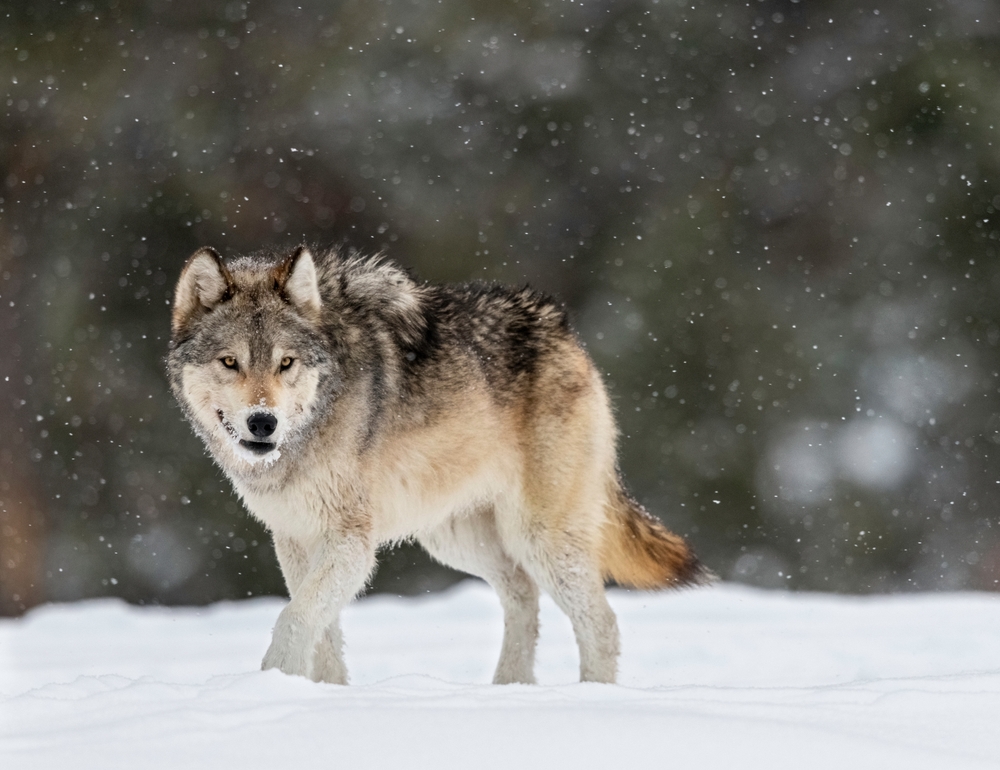
For much of the twentieth century, Yellowstone National Park told a story of loss that unfolded quietly across its valleys, rivers, and open meadows. Visitors still arrived in awe of geysers, wildlife, and sweeping mountain views, but beneath that surface beauty, an essential part of the ecosystem was slowly unraveling. Quaking aspen, one of North America’s most widespread and ecologically valuable tree species, were disappearing from Yellowstone’s northern range.
Contents
show
For nearly eighty years, new generations of aspen failed to grow tall enough to survive. Young shoots continued to emerge from ancient root systems, but year after year they were eaten back before they could mature. Entire stands aged, weakened, and died without replacement. By the late twentieth century, scientists began to realize that what they were witnessing was not a temporary fluctuation, but a long-term collapse.
Today, researchers are documenting something once thought impossible. After the return of gray wolves, baby aspen trees are finally growing tall and healthy again. For the first time since the 1940s, Yellowstone’s northern range is producing a new generation of aspen capable of reaching the forest canopy.
This is not simply a story about trees. It is a story about predators, prey, time, and what happens when ecosystems are allowed to reconnect after decades of disruption.
Aspen and Their Quiet Importance
Quaking aspen are often overshadowed by Yellowstone’s vast lodgepole pine and spruce forests, yet their ecological importance far exceeds their footprint on the landscape. Aspen stands support a greater diversity of plant life than surrounding conifer forests. Their lighter, more open canopies allow sunlight to reach the ground, encouraging grasses, wildflowers, and shrubs to thrive beneath them.
This rich understory attracts insects, which in turn support birds and small mammals. Cavity nesting birds rely on mature aspen trunks for nesting sites. Large mammals use aspen groves for shade, shelter, and seasonal foraging. Even after aspen die, their standing trunks continue to provide habitat for years.
Aspen reproduce in an unusual way. While they can grow from seed, most regeneration occurs through underground root systems that send up new shoots called suckers. Entire groves are often single organisms, genetically identical and connected beneath the soil. Some aspen clones are believed to be thousands of years old.
This strategy allows aspen to persist through fire, storms, and other disturbances. However, it also creates vulnerability. New shoots are soft, nutritious, and highly attractive to large herbivores. If browsing pressure remains high year after year, young aspen never grow tall enough to replace aging trees.
Historically, aspen covered an estimated four to six percent of Yellowstone’s northern range. By the late twentieth century, coverage had fallen to roughly one to two percent. Researchers found stands dominated by old trees, many more than a century in age, with no young trees beneath them. Without intervention or change, these forests were on a path toward disappearance.
Life Without Wolves
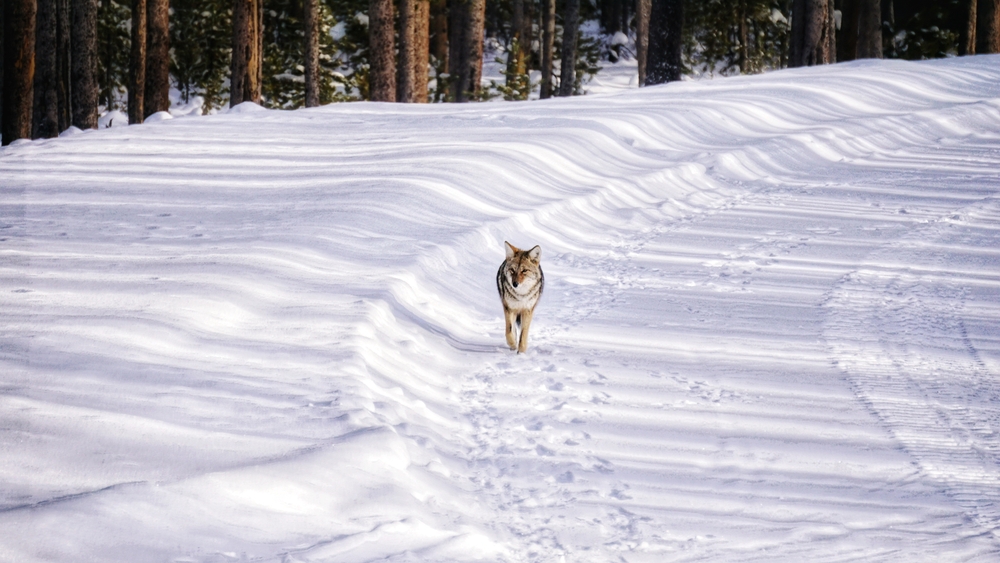
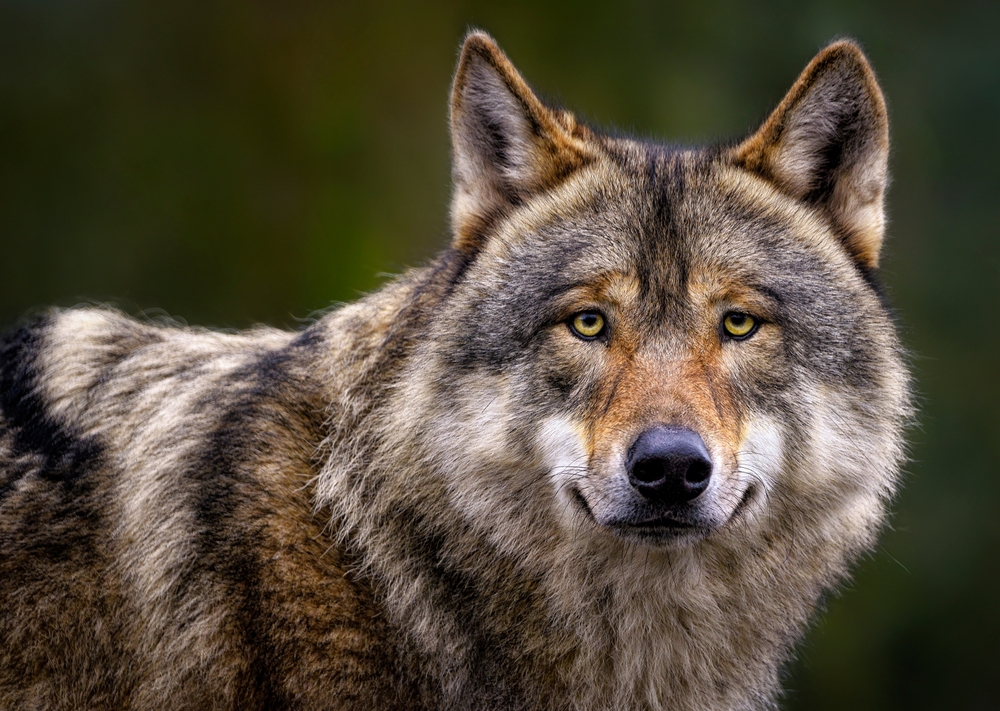
Gray wolves once played a central role in shaping Yellowstone’s ecosystems. As apex predators, they influenced not only the populations of prey species, but also how those animals moved, fed, and interacted with the landscape.
By the early twentieth century, wolves had been systematically eliminated from Yellowstone through hunting, trapping, and government-sponsored eradication programs. By 1930, they were gone. Their absence triggered a cascade of changes that would unfold slowly over decades.
Without wolves, elk populations surged. With hunting prohibited inside the park and limited natural predation, elk numbers climbed steadily. By the mid-1990s, winter counts estimated between seventeen and nineteen thousand elk using the northern range.
These large herds placed enormous pressure on vegetation. Elk browsed grasses, shrubs, willows, cottonwoods, and especially young aspen. Riparian corridors and valley bottoms became heavily grazed landscapes where few woody plants could establish.
Aspen were particularly affected. New shoots emerged each spring only to be eaten back before winter. Even after major disturbances like the Yellowstone fires of 1988, which triggered widespread aspen sprouting, nearly all accessible shoots were browsed within a few years.
By the 1990s, ecologists conducting surveys across the northern range reported something alarming. In many areas, they could not find a single aspen sapling taller than two meters. Entire landscapes consisted of aging trees with no visible replacement beneath them. Aspen forests were not regenerating at all.
The Wolves Return
In 1995 and 1996, wildlife managers made a bold decision. Gray wolves were reintroduced to Yellowstone in one of the most closely watched conservation experiments in history. The goal was not only to restore a missing species, but to understand how its return might influence the broader ecosystem.
Wolves established packs quickly and began hunting elk, their primary prey. Over time, the effects of their presence became increasingly clear. Elk numbers declined sharply. By the mid-2010s, winter counts inside the park had dropped to roughly two thousand animals.
Predation by wolves worked alongside other forces. Bears and cougars preyed on elk calves, while regulated hunting outside the park contributed additional pressure. Together, these factors reshaped both the size and distribution of elk herds.
Equally important, elk behavior changed. Areas that once served as safe feeding grounds became risky. Elk spent less time lingering in open valleys and river corridors where wolves could hunt effectively. Instead, they moved more frequently and browsed less intensively in any one place.
This combination of fewer elk and altered behavior reduced browsing pressure on young trees. For the first time in decades, aspen shoots were able to grow beyond the height where elk typically feed.
Scientists Begin to See Change
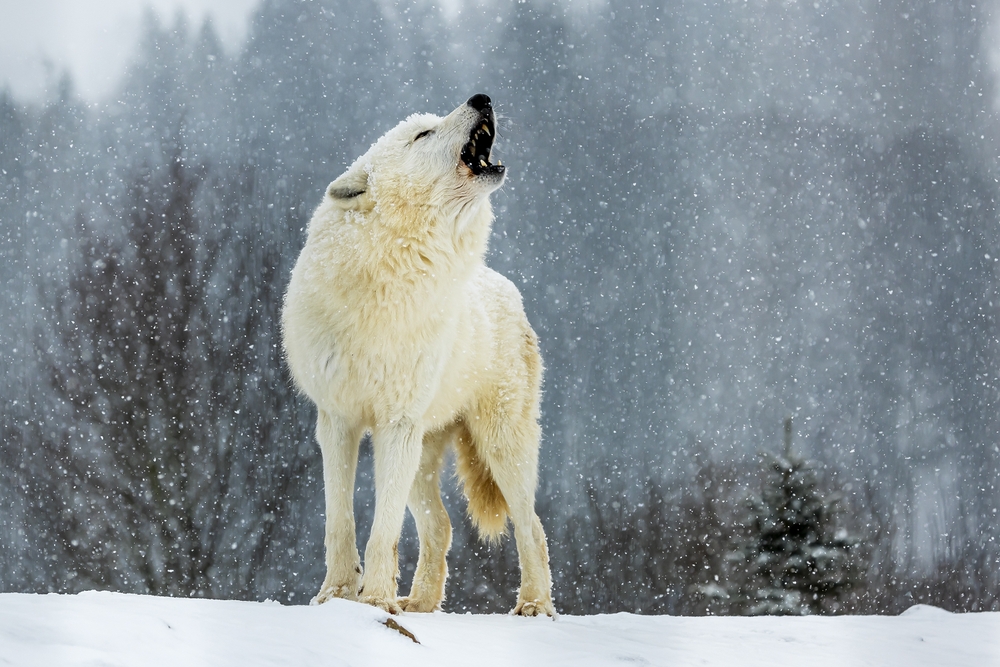
To understand whether wolves were truly influencing forest recovery, researchers established long-term monitoring plots across Yellowstone’s northern range. Beginning in the late 1990s, scientists returned year after year to measure aspen height, browsing damage, stem growth, and new sucker production.
At first, changes were subtle. Aspen shoots still faced browsing, and progress was uneven. Some areas showed little improvement, while others hinted at something new.
As the years passed, patterns emerged. By comparing data collected in the late 1990s, 2012, and again in 2020 and 2021, researchers documented a striking transformation.
Nearly half of the monitored aspen stands now contain saplings taller than two meters. This height is significant because browsing by elk drops sharply above it. Even more remarkable, about forty-three percent of stands now include young aspen trees with trunks thicker than five centimeters in diameter. These are not just tall shrubs. They are young trees capable of surviving winters, resisting browsing, and eventually joining the forest canopy.
In some locations, scientists recorded a more than 150-fold increase in sapling density compared to conditions measured in the late 1990s. After decades of complete recruitment failure, a new generation of trees had finally arrived.
The Ripple Effect of a Trophic Cascade
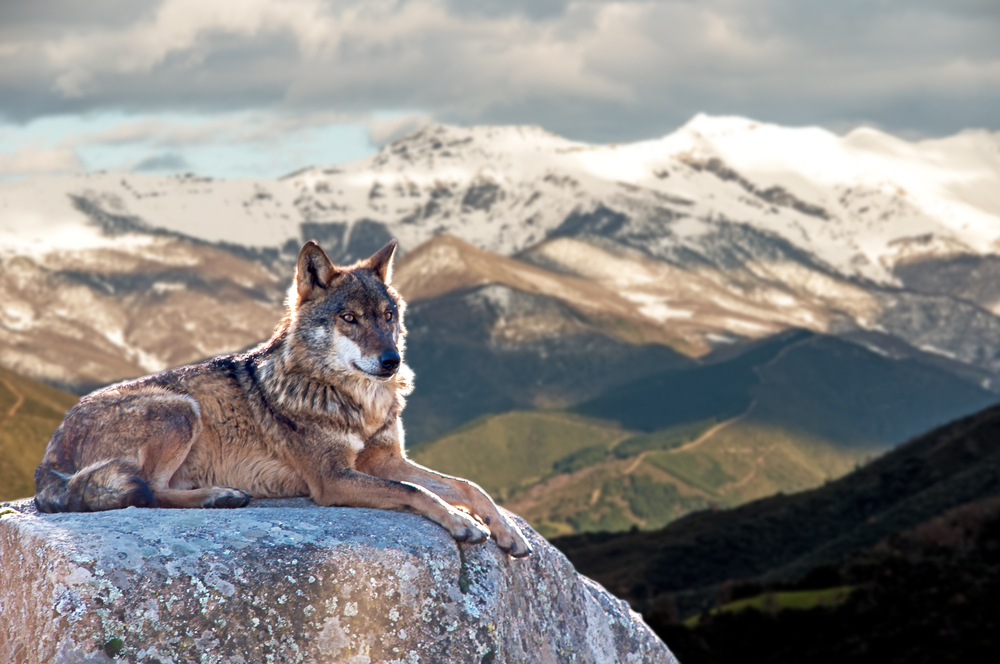
Ecologists describe this process as a trophic cascade. A change at the top of the food web triggers a sequence of responses that ripple downward through the ecosystem.
In Yellowstone, the return of wolves altered elk populations. Reduced browsing pressure allowed vegetation to recover. That vegetation, in turn, created new opportunities for other species.
Aspen recovery benefits birds that depend on deciduous trees for nesting. The richer understory beneath aspen canopies supports insects and small mammals. Berry producing shrubs flourish, providing food for bears and birds.
Beavers may be among the most significant beneficiaries. Aspen and willows are essential food sources and building materials for these animals. As woody vegetation returns to stream banks, beavers are more likely to recolonize, building dams that slow water, create wetlands, and improve habitat for fish, amphibians, and waterfowl.
In this way, the influence of wolves extends far beyond their immediate prey. Their presence reshapes landscapes.
An Uneven and Ongoing Recovery

Despite encouraging data, scientists emphasize that Yellowstone’s aspen recovery is not uniform or guaranteed. Roughly a quarter of monitored stands still show little to no regeneration. In some areas, browsing pressure remains high.
One reason is the growing presence of bison. Unlike elk, bison are difficult for wolves to hunt. Their populations have increased in parts of the northern range, introducing a different form of browsing pressure that can suppress young trees.
Climate also plays a role. Aspen across the American West are sensitive to drought and warming temperatures. Conditions today differ from those that allowed aspen to flourish more than a century ago. While climate change does not explain the long-term absence of aspen regeneration in Yellowstone, it may influence how far recovery can proceed.
Fire adds another layer of complexity. Fire can stimulate aspen regeneration by removing competing conifers and triggering new shoots. However, without reduced browsing, fire alone is not enough. The interaction between fire, herbivory, and climate will shape future forests.
Why Height Matters More Than Numbers
For decades, Yellowstone’s aspen existed in a suppressed state. They produced shoots, but those shoots rarely grew tall. Numbers alone did not indicate recovery.
Height is the critical threshold. Once aspen grow beyond roughly two meters, elk browsing declines sharply. Taller stems can invest energy in thickening trunks and expanding crowns rather than constantly replacing lost growth.
Recent surveys show young aspen averaging nearly four meters tall in some stands. These trees are now resilient enough to survive winter browsing, spread through root systems, and eventually produce seeds.
This shift represents a transition from temporary survival to long-term persistence.
Lessons Beyond Yellowstone
The story unfolding in Yellowstone carries lessons far beyond park boundaries. Around the world, large carnivores have been removed from ecosystems, often with unintended and long-lasting consequences.
Overabundant herbivores can suppress forests, alter river systems, and reduce biodiversity. Efforts to manage these problems through hunting or fencing often address symptoms rather than causes.
Yellowstone provides a rare example of what happens when an apex predator is restored. Recovery is slow and complex. It takes decades, not years. It is uneven and shaped by many interacting forces.
Yet the results show that restoring natural relationships can set powerful processes in motion.
A Landscape Learning to Recover
Visitors walking through Yellowstone’s northern range today may notice something subtle but profound. Young aspen rising above the browse line. Green shoots where old photographs show only bare stems.
These changes represent more than ecological data points. They reflect resilience and patience. The ecosystem did not collapse overnight, and it is not recovering overnight either.
What the Aspen Revival Teaches Us
The return of baby aspen trees to Yellowstone is not just a scientific milestone. It is a reminder of how deeply interconnected living systems are.
Removing a predator reshaped an entire landscape for generations. Restoring it began to heal that damage by allowing natural processes to function again.
After eighty years of decline, a new generation of aspen is finally growing tall. Their presence offers hope that, given time and balance, ecosystems can recover in ways both visible and profound.