
Your cart is currently empty!
Elon Musk Warns of AI’s Potential Collapse Arriving in Mere Months
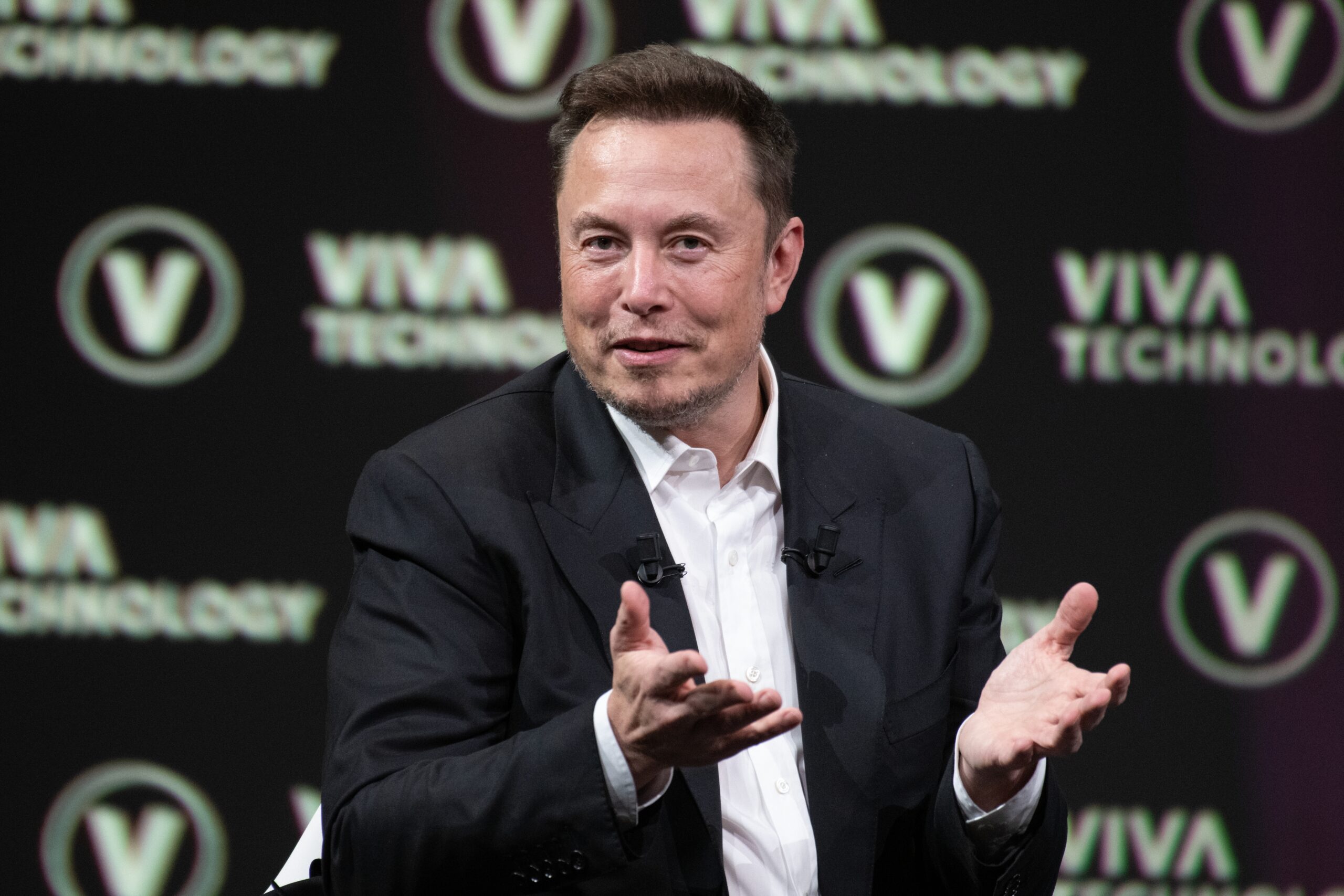
Elon Musk is known for making headlines with wild ideas, but his latest forecast is less about a distant future and more about a warning light flashing right now. He believes the technology reshaping our world is speeding toward a hard stop, predicting that a shortage of power could freeze progress in a matter of months.
Contents
show
Yet, in the same breath, he describes a coming era where human labor becomes a thing of the past, replaced by machines that handle the daily grind. It is a confusing mix of immediate danger and long-term paradise, raising the question of whether we are hitting a ceiling or just getting started.
The Energy Bottleneck

Elon Musk has never been one to shy away from bold declarations, and his latest forecast concerns the immediate trajectory of artificial intelligence. While the technology has leaped from simple prompts to complex video generation in mere years, Musk warns it is approaching a critical ceiling. Speaking on the Dwarkesh Podcast, the tech mogul suggested that the industry faces a severe power supply bottleneck that could stall progress entirely. He posits that Earth simply cannot sustain the energy demands required for the next phase of AI scaling without drastic changes.
Musk explained that the United States currently utilizes approximately half a terawatt of power on average. To accommodate the computing power necessary for future AI, the infrastructure would need to support double that capacity, a feat he describes as incredibly difficult to achieve on the planet’s surface. This infrastructure challenge serves as the basis for his timeline, where he predicts a necessary pivot to off-planet solutions.
He stated that within 30 to 36 months, space will become the most economically viable location for AI operations. This shift is not merely about cost but survival for the technology. Musk noted that solar cells are already cost-effective, citing prices around 25 to 30 cents a watt in China. However, their efficiency skyrockets in orbit. “Put them in space and it’s effectively 10 times cheaper because you don’t need batteries,” Musk argued. This transition to orbital processing could be the only way to bypass the terrestrial power crunch and prevent the “end” of AI advancement.
The End of Work as We Know It

Musk’s vision goes far beyond just building new technology; it completely changes how we might live our daily lives. Speaking at the recent U.S.-Saudi Investment Forum, he shared a future where having a job is no longer about survival. Instead, he believes that in 10 to 20 years, working will become a voluntary choice—something we do for fun rather than a paycheck.
He used a simple, relatable comparison to explain this shift: vegetable gardening. Today, you can go to the store and buy tomatoes, or you can grow them in your backyard. Growing them is harder, but people still do it because they enjoy the process. Musk thinks our careers will eventually look the same—we will work only if we want to, not because we have to.
To make this happen, Musk is betting big on robots taking over the heavy lifting. He envisions millions of humanoid bots handling the tasks that keep the economy running. This is a major focus for Tesla right now, as he aims for his “Optimus” robots to eventually account for the majority of the company’s value.
The potential benefits extend to healthcare as well. Musk suggested that robot surgeons could soon outnumber human ones, potentially offering medical care that is better than what even world leaders receive today. If machines can handle everything from manufacturing to complex surgery, the need for money as we know it might just fade away, leaving us in a world where goods and services are abundant for everyone.
Can We Afford a Robot Workforce?
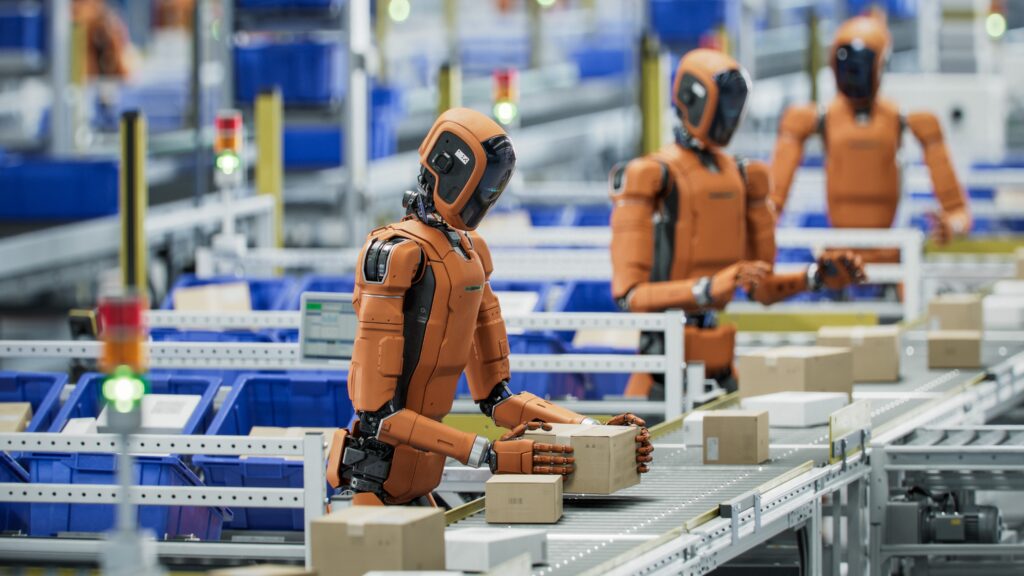
To support a world where work is optional, Musk suggests a concept called “universal high income.” This differs slightly from the “universal basic income” proposed by others like OpenAI CEO Sam Altman. In Musk’s view, because robots would make goods and services so abundant and cheap, everyone would not just survive, but thrive without needing a traditional job.
However, financial experts are hitting the brakes on this idea. The main issue is the massive difference between writing code and building machines. Ioana Marinescu, a professor at the University of Pennsylvania, points out that while artificial intelligence software is getting cheaper to run, building physical robots remains stubbornly expensive.
Marinescu explains that we have been making machines since the Industrial Revolution. Because we have been doing it for so long, it is becoming much harder to find new ways to make manufacturing cheaper. Software can be copied millions of times instantly for almost no cost, but every single robot needs to be built from scratch with expensive materials.
This creates a significant speed bump. Even if the computer “brains” are ready to do the work, the metal “bodies” might be too expensive to build on a global scale. If companies cannot afford to build millions of robots, the cost of goods will not drop, and the dream of a life without work may remain out of reach for the average person.
The Search for Meaning in a Post-Work World
Beyond the logistics of energy and economics lies perhaps the most profound question: if machines do everything better than us, what is left for humans to do? Anton Korinek, a professor at the University of Virginia, suggests that we may need to completely rethink how our society is structured. He points to research showing that humans derive deep satisfaction from meaningful relationships, and for many adults, those relationships are built and maintained through their careers.
If the workplace disappears, the social fabric that ties communities together could fray. We would need to find new ways to connect and find purpose outside of a 9-to-5 structure. This isn’t just an economic shift; it is a psychological one.
Musk himself tackled this existential puzzle at the Viva Technology conference in 2024. He posed a difficult question to the audience: “If the computer and robots can do everything better than you, does your life have meaning?” His answer was cautiously optimistic. He suggested that while machines may handle the execution of tasks, humans might still play a crucial role in giving those tasks purpose. “I do think there’s perhaps still a role for humans in this—in that we may give AI meaning,” Musk noted. In this view, humans become the architects of intent, guiding the powerful tools we have created rather than competing with them.
Digital Dreams, Physical Limits
Elon Musk is telling us two very different stories about the future. One is urgent and happening right now: he warns that AI might hit a wall in just a few months because we simply don’t have enough electricity to keep it growing. The other story is a hopeful dream for decades from now: a world where robots do all the heavy lifting, and humans are free to live without needing a job.
These aren’t just wild guesses; they are a map of the real obstacles ahead. When Musk talks about the “end of AI,” he doesn’t mean the technology will vanish. He means it might stop getting better if we can’t find a massive new source of power—like his plan for solar panels in space. On the flip side, his vision of a work-free life depends on something equally hard: actually building millions of expensive robots to replace human labor.
Whether we are looking at a space plan for next year or a robot workforce in 20 years, the lesson is the same. We have built amazing computer programs, but now they are crashing into real-world limits like energy bills and manufacturing costs. How we solve these physical problems today will decide if AI changes the world, or if it just stays as a clever piece of software on our screens.