
Your cart is currently empty!
Data Centers Are Creating ‘Heat Islands,’ Warming Nearby Land by Up to 16 Degrees
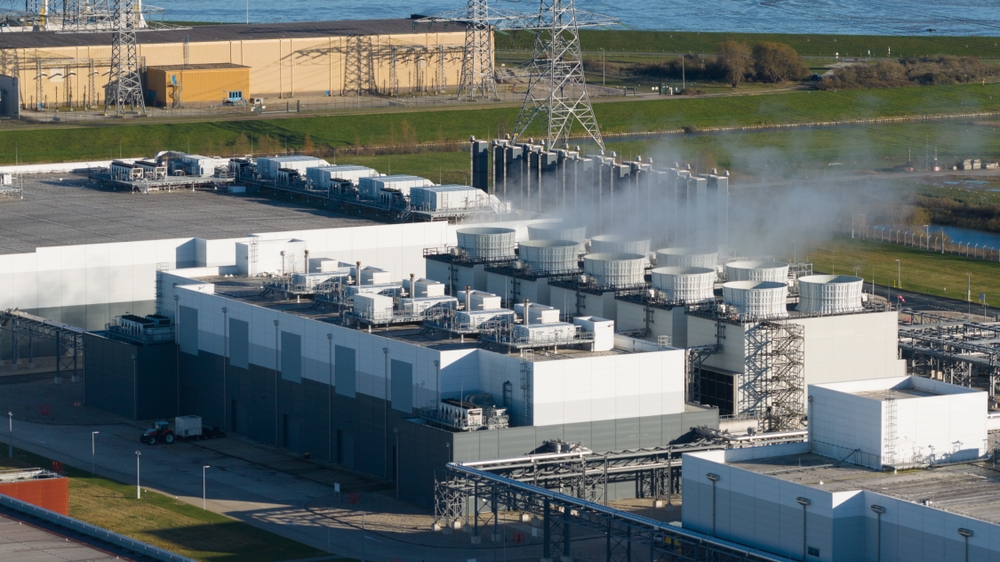
Every time an artificial intelligence tool answers a question or generates an image, a massive physical machine works overtime. While the digital world feels invisible, the buildings powering it are very real, and they are starting to change the local climate. As technology companies race to build bigger computing centers, a surprising environmental side effect is emerging right outside their walls. The true cost of modern digital convenience might be measured not just in watts of electricity or gallons of water, but in the rising temperatures felt by the neighborhoods next door.
Contents
show
Uncovering the Data Heat Island Phenomenon
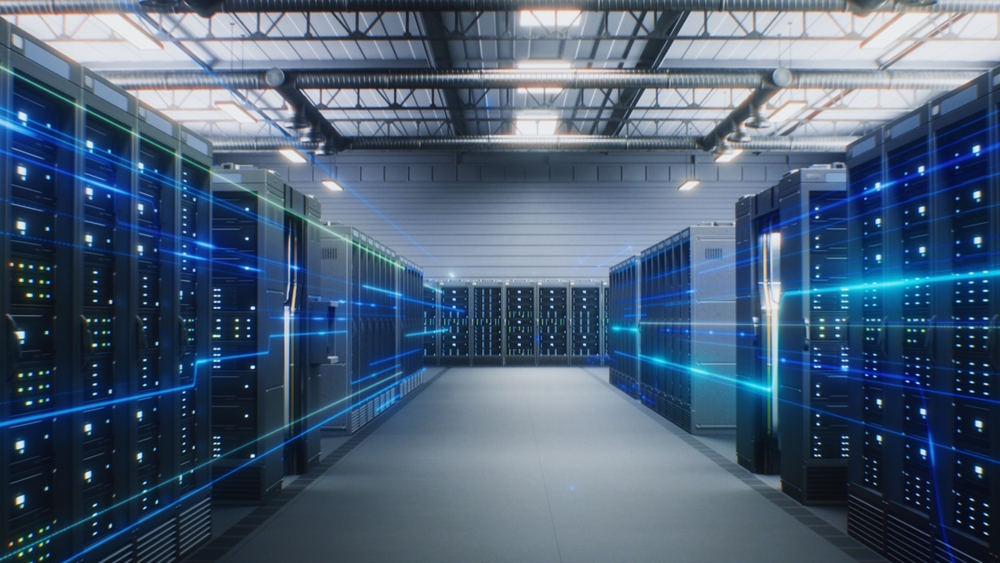
As the demand for artificial intelligence accelerates, the infrastructure powering these complex systems requires immense amounts of electricity and water. Beyond the high resource consumption, a recent study from the University of Cambridge highlights another significant environmental consequence. Researchers have identified a “data heat island” effect, where the massive computing and cooling systems within data centers release substantial waste heat into their surroundings.
The research analyzed two decades of satellite temperature data, comparing it against the locations of more than 6,000 data centers worldwide. The findings revealed that land surface temperatures increased by an average of 3.6 degrees Fahrenheit after an AI data center began operations. In extreme cases, nearby temperatures surged by as much as 16.4 degrees Fahrenheit. This warming effect does not stop at the property line. Thermal impacts were observed extending up to 6.2 miles away from the facilities.
This phenomenon adds a new layer of heat stress to local communities. By overlaying temperature shifts with population density maps, scientists estimate that approximately 340 million people globally live within the affected radius of these facilities. Andrea Marinoni, an associate professor with the Earth Observation group at the University of Cambridge and an author of the study, notes the urgency of the issue. “There are still big gaps in our understanding of the impacts of data centers, even as they boom in number,” Marinoni stated.
While data centers themselves are not the sole driver of global climate change, this localized warming intensifies the heat experienced by nearby residents. The continuous exhaust from servers and industrial cooling units accumulates in the air and ground, fundamentally altering the microclimate of the surrounding area.
Compounding the Urban Heat Crisis

The thermal exhaust from AI infrastructure does not exist in a vacuum. When data centers are constructed near populated regions, they often interact with the existing “urban heat island” effect. Cities and suburbs are already prone to trapping heat due to dense concentrations of concrete, asphalt, and limited green spaces. Introducing hyperscale computing facilities into these environments acts as a thermal multiplier. The massive industrial chillers required to keep servers operational do not eliminate heat; they simply transfer it outdoors.
This artificial warming creates tangible risks for surrounding neighborhoods. Higher baseline temperatures lead to hotter days and warmer nights, stripping the environment of its natural nocturnal cooling phase. This lack of overnight relief poses serious health risks, particularly for vulnerable populations such as the elderly, young children, and those with pre-existing respiratory conditions. Additionally, as local outdoor temperatures rise, nearby residents are forced to run their own air conditioning units longer and harder, driving up household energy costs and placing further strain on local power grids.
The rapid pace of this technological expansion is raising alarms among environmental scientists and urban planners. Deborah Andrews, a sustainability expert and emeritus professor at London South Bank University, cautions against ignoring these community impacts in the pursuit of innovation. “The rush for AI-gold appears to be overriding good practice and systemic thinking, and is developing far more rapidly than any broader, more sustainable systems,” Andrews observed.
The Strain on Local Water and Power Grids

Beyond raising local temperatures, the mechanisms used to cool these hyperscale facilities are creating severe resource bottlenecks. Data centers require massive volumes of water to prevent their servers from overheating. According to the World Resources Institute, a large data center can consume up to five million gallons of water daily, an amount comparable to the usage of an entire small town.
This staggering demand places immense pressure on local utilities, especially since two thirds of new facilities built since 2022 are located in water-stressed regions. When communities are already facing drought conditions, the competition for clean freshwater becomes a critical point of friction between technology companies and local residents.
Simultaneously, the energy required to run these intensive cooling systems is reshaping power grids. The World Resources Institute notes that a single modern AI facility can draw as much power as 100,000 homes. As the tech industry rushes to expand its operations, this soaring energy demand often outpaces the development of renewable energy sources. Consequently, regions are sometimes forced to rely on older fossil fuel plants to prevent grid failures.
This creates a troubling environmental feedback loop. The facilities built to advance future technologies are exacerbating the resource scarcity that plagues many communities.
Rethinking Cooling and Heat Recovery

As the environmental toll of hyperscale computing becomes clearer, the technology sector and researchers are actively exploring mitigation strategies. One promising approach involves transforming data center waste heat from an environmental liability into a municipal asset. Through district heating networks, the excess thermal energy generated by servers can be captured and redirected to warm nearby homes, offices, and even agricultural facilities.
For instance, data centers in countries like Denmark have successfully integrated heat recovery systems that export hot water to local municipal grids. This displaces the need for conventional boilers during winter months. Similar initiatives globally demonstrate that closed loop piping systems can significantly lower a facility’s net energy footprint while providing communities with a reliable utility source.
Simultaneously, engineers are rethinking how these massive structures are cooled, particularly in warmer climates. Researchers at the University of Cambridge have developed an innovative solution called Terracotta Cooling, which is inspired by traditional handcrafted designs. By pumping recycled water over stacked terracotta cylinders, the system utilizes natural evaporative cooling to manage server temperatures without relying entirely on energy-intensive chillers.
Jerrell Ong, a Cambridge researcher and CEO of the Terracotta Cooling project, highlights the dual benefits of this approach for resource-strained regions. “Using a locally inspired terracotta ‘beehive’ structure and air flow optimisation, our structure has the potential to slash the immense energy costs by 30%, and water usage normally associated with cooling large data centres,” Ong explained.
Demanding Accountability for Responsible Tech Growth

Technology brings exciting changes, but local health and nature should not pay the price. Fixing the heat problem caused by massive computing centers means everyone needs to work together. The first step is simple transparency. Tech companies need to share exactly how much power and water their buildings use, and how much heat they pump out. When local governments have this information, they can make smarter choices about where to build new centers, placing them in areas where the extra heat will not harm anyone or where it can actually be put to good use.
Building cleaner systems is an absolute necessity right now. Instead of relying on old power plants, money needs to go toward renewable energy and better cooling ideas. There must also be rules in place that make sure big companies clean up the physical mess their digital tools leave behind. The transition to greener computing demands a standard where corporations are held accountable for their environmental footprint.
When residents demand that new tech buildings fit into the neighborhood safely, it makes a real difference. There is a lot to look forward to with new technology, but true success means building tools that respect the world around them. Protecting the environment today ensures that the neighborhoods keeping the internet running stay safe and cool for years to come.