
Your cart is currently empty!
Earth Can Sustain Only 2.5 Billion People, Scientists Say. We Already Have 8.3 Billion.

Something broke in the 1960s. For centuries, human civilization had operated on a simple, self-reinforcing logic. More people produced more ideas, more innovation, and more capacity to feed and shelter a growing species. Each generation inherited a world better equipped to support the next. But somewhere around the time the Beatles took the stage and the Space Race reached full throttle, that logic quietly collapsed. A pattern that had held for hundreds of years reversed itself, and most of the world failed to notice.
Contents
show
A new study, published in Environmental Research Letters in March 2026, now puts hard numbers behind what that reversal means for the future of human civilization on a finite planet. Led by Corey Bradshaw, Matthew Flinders Professor of Global Ecology at Flinders University in Australia, a team of researchers analyzed population data stretching back over two centuries, and their conclusions paint a sobering portrait of a species that has been running on borrowed time and borrowed fuel.
Counting What Earth Can Carry
Ecologists use a term called “carrying capacity” to describe the long-term maximum number of individuals from any given species that an environment can sustain, based on available regenerative resources. It is a concept with surprisingly industrial origins. In the late 1800s, as coal-powered ships began replacing wind-driven vessels, shipping companies needed to calculate how much cargo a vessel could carry without displacing the fuel and crew needed to operate it. From there, the idea migrated into biology, where it became a cornerstone of population ecology.
Applied to humans, however, carrying capacity becomes a far more complex proposition. Unlike other species constrained by the regenerative limits of their food sources and habitats, Homo sapiens has proven extraordinarily good at engineering workarounds. Agriculture, industrialization, modern medicine, and above all, fossil fuels have allowed our species to override natural constraints with such consistency that many assumed those constraints had been rendered irrelevant. Bradshaw’s study argues they were never irrelevant. Just invisible.
An Engine That Fed Itself
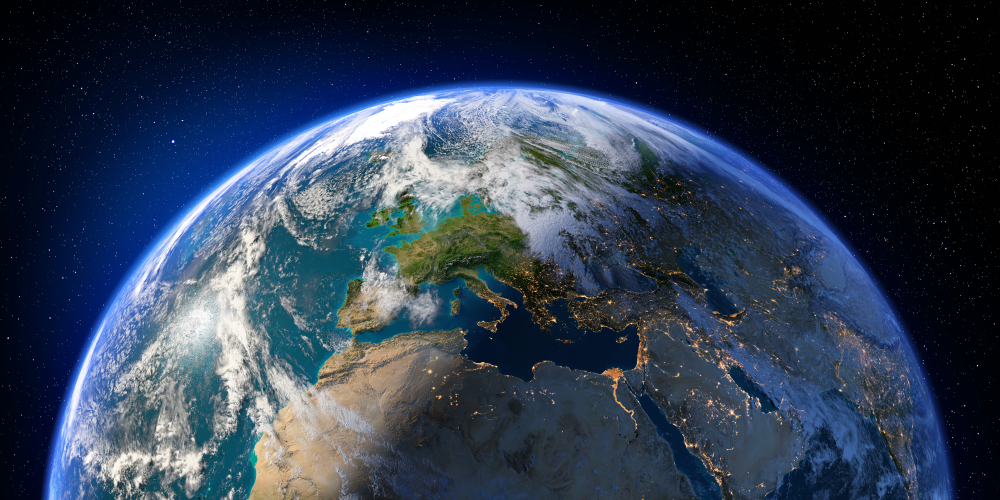
Between 1800 and the late 1940s, the relationship between human population size and growth rate followed a pattern ecologists call “facilitation.” As the population increased, so did the rate at which it grew. More people meant more labor, more ingenuity, and more technological development, all of which created conditions for yet further expansion. Per-capita fitness, measured in survival and reproduction, rose in tandem with population size. In ecological terms, humanity was engineering its own upward spiral.
During that period, the global population grew from roughly 985 million to about 2.5 billion. Growth rates accelerated through two world wars, famines, pandemics, and at least 27 major mortality events, each with over a million casualties. None of these catastrophes managed to reverse the trend. Even the “Spanish” influenza pandemic, which killed an estimated 25 to 50 million people, registered as little more than a dip on the long arc of expansion.
A Quiet Reversal
After World War II, global population censuses began in earnest, and the post-war Baby Boom pushed growth rates to their highest recorded levels. Between 1950 and 1970, the average annual rate of increase hit 0.02 in exponential terms, a pace without precedent in human history.
But buried within that boom was a turning point. By 1962, growth rates began to decline even as the total population continued to climb. Bradshaw and his team identified this as the onset of a “negative demographic phase,” a term describing the moment when adding more people to the planet no longer produced faster growth. As Bradshaw put it, “It means that adding more people no longer translates into faster growth.”
Eight years later, in 1970, global consumption exceeded Earth’s biocapacity for the first time, meaning humanity began consuming ecological assets faster than the planet could regenerate them. It has not dipped below that threshold since.
Where Population Peaks

Using a Ricker logistic model fitted to the negative-phase data, Bradshaw’s team projects that the global population will peak between 11.7 and 12.4 billion people, somewhere around 2067 to 2076. After that, the global population would begin to decline, a reversal not seen since the Black Death devastated Europe and Asia in the 14th century.
But 12 billion is not the number that should command attention. It represents a maximum carrying capacity, the theoretical ceiling at which total births merely offset total deaths. It says nothing about the quality of life, environmental stability, or whether civilization as we know it could function at such a scale. It is the demographic equivalent of a ship loaded to the point of near-capsizing.
A Sustainable Number Far Below Today’s Count
Far more relevant, the researchers argue, is the sustainable carrying capacity, the population level at which all humans could live within ecological limits while maintaining comfortable, economically secure lives. Bradshaw’s team calculated that figure at approximately 2.5 billion, a number the world last saw in the mid-twentieth century.
An independent ecological footprint calculation reinforces that estimate. Humanity now consumes resources at a rate equivalent to 1.7 Earths per year. If consumption dropped to 0.5 Earths, a level that would avoid overconsumption, the math yields a sustainable population of about 2.35 billion. Both estimates converge on a stark conclusion. Earth’s current population of 8.3 billion is roughly 3.4 times larger than what the planet can support over the long term at current or near-current living standards.
Borrowed Fuel, Borrowed Time
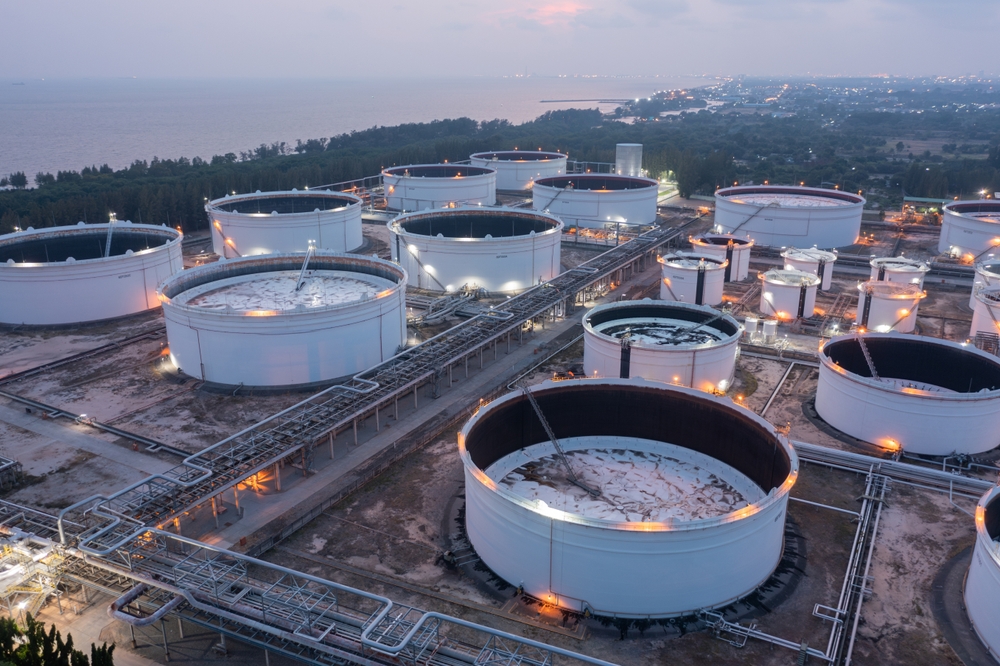
Fossil fuels sit at the center of this miscalculation. Oil, coal, and natural gas allowed humanity to bypass the natural feedback loops that would have constrained population growth decades ago. Agriculture scaled through synthetic fertilizers. Energy systems power cities, factories, and transportation networks. Medicine advanced in ways unthinkable without industrial chemistry. All of it ran on finite, non-renewable carbon reserves.
Bradshaw’s study frames this as a fundamental disruption of ecological feedback. “Our study shows these limits are not theoretical but unfolding right now,” Bradshaw said, pointing to the strain already visible in global systems.
A geopolitical reminder of that fragility arrived in recent months, as fuel supply shocks from the US-Iran conflict sent ripples through economies that remain deeply dependent on fossil energy. What the study describes in academic terms, global events are now illustrating in real time.
Population Outweighs Consumption
One of the study’s more provocative findings concerns the relative weight of population versus per-capita consumption in driving environmental damage. During the negative demographic phase from 1962 to the present, global temperature anomaly, ecological footprint, and total CO₂-equivalent emissions all correlated more strongly with rising population size than with rising per-capita consumption.
Bradshaw and his co-authors acknowledge that their model does not fully account for the role of technological change within that equation. But the data suggest that sheer numbers matter more than individual behavior when it comes to the planetary-scale indicators of environmental stress.
Strain Already Visible
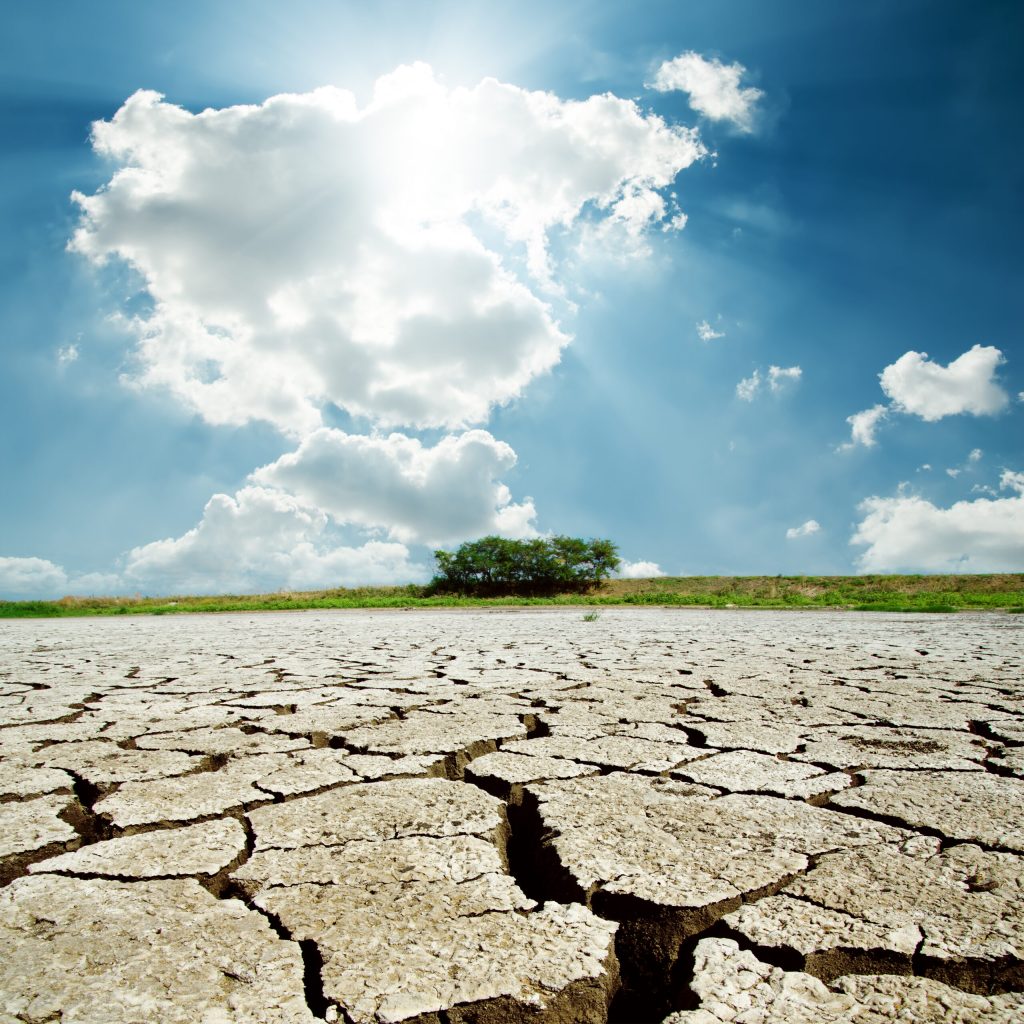
Real-world evidence supports the numbers. In January 2026, the United Nations declared the world to be in a state of “water bankruptcy.” Animal populations continue to crash as they lose habitat and compete with humans for dwindling resources. Ecosystem disruption, driven in large part by the climate change that fossil fuel consumption has produced, is degrading the very resource base on which future food and energy systems depend.
A Global Pattern With Regional Variations
Wealthier regions entered the negative demographic phase first. Europe, North America, and East and Southeast Asia began their decline in growth rates during the late 1950s and early 1960s, tracking the global pattern. Sub-Saharan Africa, by contrast, did not enter its own negative phase until 2010 and shows the weakest rate of decline in growth, along with the greatest uncertainty in projected carrying capacity. Even so, countries within Africa that maintain the highest fertility rates on the planet have begun showing early signs of the same shift.
Not a Case for Population Control
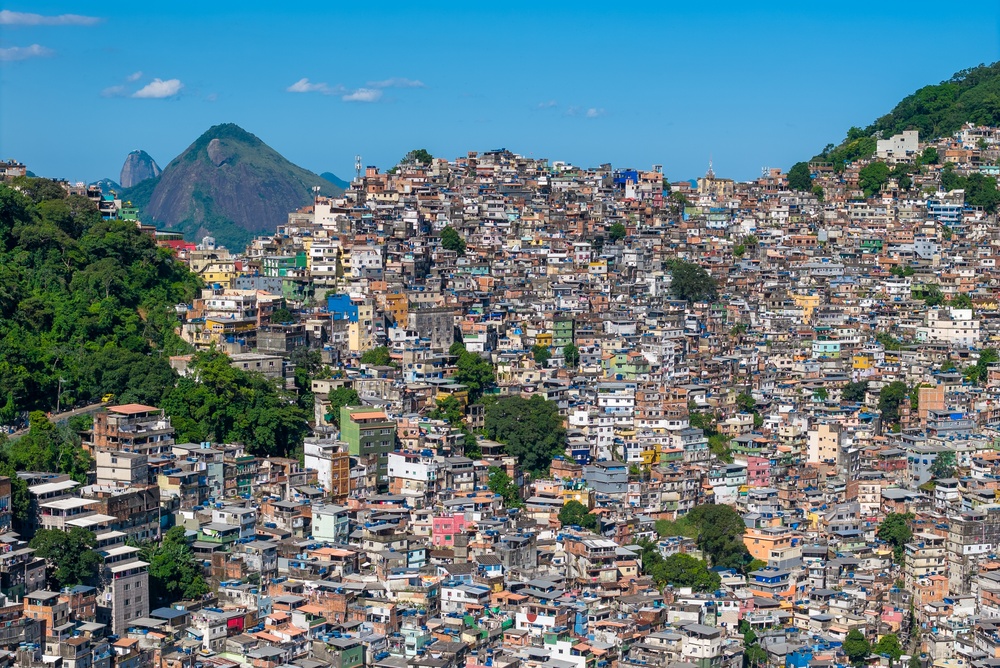
Bradshaw and his colleagues are careful to distance their work from any prescription involving forced population reduction. Previous scientific groups have noted that such measures are often ineffective, crude, and riddled with eugenicist assumptions and deep-seated prejudices. Carrying capacity itself carries ethical complications, given that not all humans consume resources at equal rates and that discussions of population limits have a troubling history of being weaponized against marginalized communities.
What the study does call for is a serious reassessment of how societies use land, water, energy, and materials, an overhaul ambitious enough to close the gap between current consumption and what the planet can regenerate.
Choices That Will Echo for Generations
Bradshaw frames the situation not as a verdict, but as a decision point. “Smaller populations with lower consumption create better outcomes for both people and the planet,” he said, adding that the window for meaningful action remains open if nations cooperate.
Human societies have short-circuited nature’s corrective mechanisms without replacing them with humane, environmentally sound alternatives. Whether the coming decades produce a managed transition toward sustainable resource use or a disorderly collision with ecological limits will depend on political will, international cooperation, and a willingness to accept that infinite growth on a finite planet was never more than a fossil-fueled illusion.
Source: Bradshaw, C. J. A., Judge, M. A., Blumstein, D. T., Ehrlich, P. R., Dasgupta, A. N. Z., Wackernagel, M., Weeda, L. J. Z., & Souëf, P. N. L. (2026). Global human population has surpassed Earth’s sustainable carrying capacity. Environmental Research Letters, 21(6), 064023. https://doi.org/10.1088/1748-9326/ae51aa
biocapacity, carrying capacity, climate change, Corey Bradshaw, demographic decline, ecological footprint, environment, Environmental Research Letters, Flinders University, Fossil Fuels, global population peak, overpopulation, population growth, population science, resource consumption, sustainability