
Your cart is currently empty!
The Most Manipulative People May Also Be The Most Emotionally Intelligent

Some people walk into your life and seem to understand you almost instantly. They know how to comfort you when you are stressed, how to make you laugh when you feel awkward, and how to earn your trust without trying too hard. That kind of emotional intelligence usually feels comforting. Psychologists now warn that, in some cases, it can hide something far more manipulative. A growing number of experts believe certain people use empathy less as a form of connection and more as a tool for influence.
Contents
show
The internet has become obsessed with the idea of the “dark empath,” turning the phrase into one of TikTok’s biggest psychology trends. Videos describing “the most DANGEROUS personality” and “When an empath goes dark” have attracted millions of views. Behind the viral clips sits a real psychological discussion about people who appear caring, sensitive, and emotionally aware while secretly using those same skills to control others. Researchers say the combination is far more common than many people realize.

Why Psychologists Started Studying Dark Empaths
The term “dark empath” entered mainstream conversation after a 2021 study published in Personality and Individual Differences. Researchers described it as “a novel psychological construct” involving people who score highly in empathy while also showing strong dark personality traits. Those traits include manipulation, narcissism, and emotional coldness. The idea spread quickly online because it challenged one of the most comforting assumptions people tend to hold about human behavior, which is the belief that empathy naturally makes someone kind, trustworthy, and emotionally safe to be around.
Psychologists say the reality is far more complicated. Human empathy does not always function as a purely compassionate force. Some people experience empathy emotionally, meaning another person’s pain genuinely affects them. Others experience empathy more intellectually. They can accurately read emotional states, predict reactions, and understand vulnerabilities while remaining emotionally detached from the person in front of them. That difference has become central to why researchers believe dark empathy can be so manipulative.
Many people instinctively trust individuals who appear emotionally intelligent because emotional awareness is usually associated with warmth, maturity, and emotional safety. Someone who remembers personal details, notices subtle emotional shifts, or offers reassurance during difficult moments often feels comforting to be around. Researchers say dark empaths understand this dynamic extremely well. They know emotional intelligence creates trust quickly, which allows them to build influence before most people realize something feels off.
Nadja Heym, associate professor in personality psychology and psychopathology at Nottingham Trent University, explained the distinction clearly while discussing different forms of empathy. “It is the degree to which I feel what you are feeling,” she said while describing affective empathy. “So, for example, when you feel sad, that makes me feel sad. But there’s another type known as cognitive empathy. In that case, the script is: ‘I know what you’re thinking. I understand your mental state. But I really don’t care about it.’” According to psychologists, that second form of empathy can become highly effective when paired with manipulation.

The Hidden Difference Between Caring And Control
Most manipulative personalities eventually reveal themselves through obvious selfishness, arrogance, or aggression. Dark empaths often operate in a much quieter way. They can appear deeply thoughtful, emotionally supportive, and socially aware for long periods before their behavior starts becoming emotionally controlling. That contrast is one reason so many people describe the experience of dealing with a dark empath as deeply confusing rather than immediately alarming.
Researchers say dark empaths tend to observe emotional vulnerabilities very carefully. They notice insecurities, relationship tensions, fears, ambitions, and emotional triggers with unusual precision. Instead of using that understanding to genuinely support people, they may use it to build loyalty, create emotional dependence, or gain influence in relationships. The manipulation rarely feels obvious in the beginning because it often arrives wrapped inside attention, kindness, and emotional validation.
“They intellectually assemble an understanding of the other person’s weaknesses, where their loyalties might lie and what their insecurities are,” therapist Wendy Behary explained. “They crave this knowledge because they can then use it to manipulate.” According to experts, this kind of emotional intelligence allows certain individuals to become highly persuasive because they know exactly how to position themselves as supportive while quietly steering situations in their own favor.
Psychologists say one of the most unsettling parts of dark empathy is that the behavior often feels emotionally authentic at first. Victims frequently describe feeling unusually understood by the person manipulating them. The dark empath may appear attentive, compassionate, emotionally available, and deeply invested in somebody’s wellbeing. Over time, however, that emotional closeness can slowly become a tool for guilt, pressure, criticism, or emotional control.
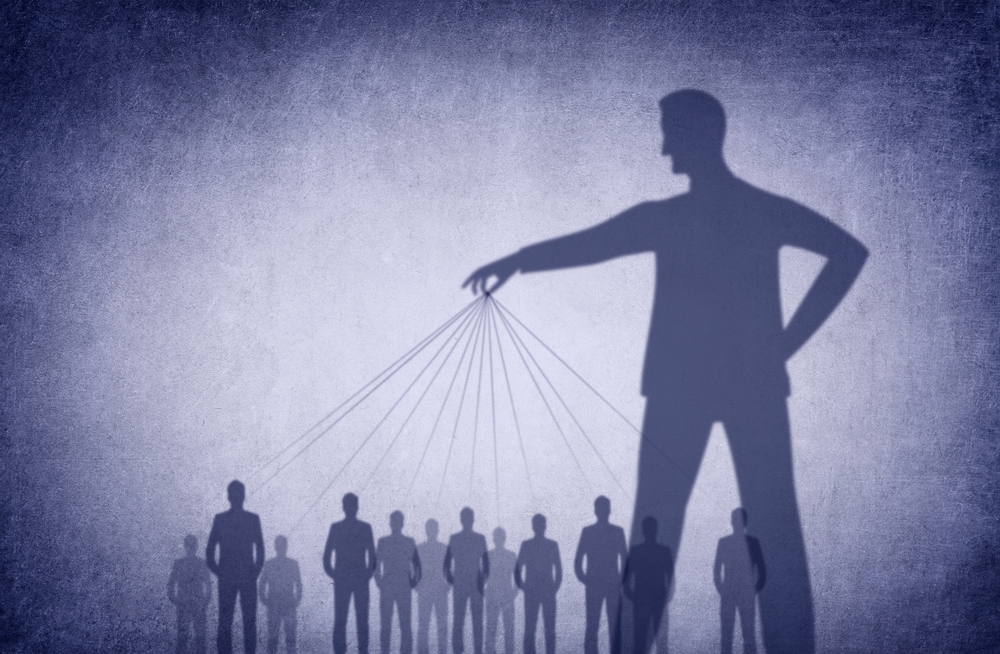
How Dark Empaths Slowly Gain Influence
One woman described how her relationship with a manager became emotionally complicated after she started working in event management. The boss created an office environment that felt relaxed and personal. Staff were encouraged to socialize after work, personal conversations became common, and emotional openness was treated almost like part of the workplace culture. The employee gradually began viewing her boss not only as a manager but also as a mentor and close friend.
As the relationship deepened, the manager encouraged more personal conversations about relationships, stress, and future plans. After learning about the employee’s fertility struggles, she started discussing the topic regularly. She suggested there was no rush to have children and repeatedly encouraged her to prioritize career success instead. At the time, the employee interpreted the conversations as caring advice from someone emotionally invested in her wellbeing.
The situation changed dramatically after the employee became pregnant. The supportive atmosphere quickly disappeared and was replaced with anger, exclusion, and emotional hostility. “How could you do this to me, after all I’ve done for you?” the boss reportedly shouted. The employee later reflected on how difficult it had been to recognize the manipulation because the relationship originally felt so emotionally supportive and reassuring.
Psychologists say this gradual shift is common in relationships involving dark empathy. Emotional closeness is often encouraged early because it creates trust, lowers defenses, and gives the manipulative person deeper access to insecurities and personal priorities. Once emotional influence has been established, criticism, guilt, or controlling behavior can become easier to introduce without immediately triggering alarm.

Why Romantic Relationships Can Feel So Confusing
Experts say romantic relationships can become especially difficult when dark empathy is involved because emotionally intelligent behavior is often interpreted as maturity, safety, and compatibility. One woman described meeting a man through a running club who appeared gentle, shy, and deeply compassionate. He regularly spoke about charity work, volunteering at food banks, and helping younger athletes through coaching.
At first, his behavior felt reassuring and emotionally grounding. He encouraged her fitness journey, listened carefully during conversations, and seemed unusually thoughtful compared to other people she had dated. Friends also viewed him positively because he projected the image of someone generous and emotionally aware. That reputation made it even harder to question his behavior when subtle warning signs began appearing.
Over time, she started noticing moments where his emotional reactions felt strangely disconnected from the situations around him. During conversations about serious family concerns, his responses sometimes sounded correct on the surface while lacking genuine warmth underneath. She also noticed brief expressions of irritation and contempt when he believed nobody was paying attention. Those moments created a growing sense that the caring image he projected might not fully match reality.
Eventually, another woman from the same running club warned her that he had developed a pattern of pursuing multiple women simultaneously while presenting himself as trustworthy and emotionally supportive. She later discovered many of the charitable stories he told about himself were exaggerated or completely fabricated. Psychologists say this contrast between public compassion and private manipulation is one of the clearest patterns associated with dark empathy because emotional image management becomes part of maintaining control.

The Warning Signs Experts Say Matter Most
Psychologists continue to warn against casually diagnosing people with labels pulled from social media because personality traits exist on a spectrum. Manipulative behavior alone does not automatically mean somebody qualifies as a narcissist or dark empath. Even so, researchers say there are recurring patterns people should pay attention to, especially when emotional relationships consistently leave them feeling anxious, guilty, emotionally exhausted, or unsure of their own judgment.
People dealing with dark empaths often describe a relationship dynamic that slowly becomes emotionally destabilizing over time. The manipulation usually develops gradually instead of appearing in dramatic bursts. Early stages may feel emotionally intense and validating, while later stages involve subtle criticism, guilt, emotional withdrawal, or attempts to isolate the person from outside perspectives. Because the change happens slowly, many people struggle to recognize the shift until significant emotional damage has already occurred.
Experts say several behaviors repeatedly appear in relationships involving dark empathy:
- Selective compassion: Kindness often appears strongest when something valuable can be gained.
- Emotional information gathering: Personal insecurities and emotional weak spots are remembered in detail.
- Guilt-driven control: Boundaries are framed as selfishness or betrayal.
- Public charm: Outsiders usually view the person as caring, thoughtful, and emotionally intelligent.
- Private criticism: Insults are disguised as honesty, concern, or humor.
- Isolation tactics: Relationships with friends, family members, or coworkers slowly become strained.
Researchers also believe modern workplace culture can unintentionally reward some of these traits because charisma, persuasion, confidence, and emotional intelligence are often associated with leadership potential. A person skilled at emotional performance may build trust rapidly in professional environments while quietly using emotional awareness to maintain influence over colleagues or employees.
The Dark Triad Behind The Personality Type
The concept of dark empathy is closely connected to a psychological framework known as the dark triad. Researchers use the phrase to describe three personality traits that commonly overlap in manipulative personalities. Those traits are narcissism, psychopathy, and Machiavellianism.
Narcissism is linked to entitlement, self-importance, and a constant need for admiration. Psychopathy is associated with impulsiveness, ruthlessness, and emotional detachment. Machiavellianism focuses on strategic manipulation and calculated behavior. According to researchers, dark empaths combine some of these tendencies with strong social awareness and emotional understanding.
“There are three main traits involved,” Heym explained. “Psychopathy (being impulsive and ruthless), narcissism (grandiose and entitled), and Machiavellianism (being strategic and manipulative). In some people, those traits overlap in a dark core.” Psychologists say that the combination can make certain individuals socially skilled enough to hide their behavior for long periods.
One of the most surprising findings from the original research involved how common the trait combination appeared to be. Researchers identified dark empathy characteristics in around 19% of participants. Experts stressed that this does not mean one in five people are dangerous manipulators, but it does suggest these tendencies may be more widespread than many people expect.
Why Social Media Has Fueled The Obsession
The rise of TikTok psychology has helped turn terms like narcissist, gaslighter, and dark empath into everyday language. Millions of people now use social media to discuss toxic relationships, emotional manipulation, and unhealthy workplace dynamics. While experts appreciate that more people are learning about psychological behavior, they also warn that internet culture sometimes oversimplifies serious concepts.
Psychotherapist Charlotte Fox Weber believes online culture may unintentionally reward performative vulnerability. Some people learn that appearing emotionally wounded, deeply sensitive, or endlessly generous can quickly build trust and admiration online. In the wrong hands, that emotional performance can become manipulative.
Fox Weber pointed to the way certain people publicly frame themselves as “overgivers” or emotionally selfless while quietly seeking validation, control, or influence from others. She also warned people to pay attention when somebody becomes unusually invested in the details of other people’s emotional lives. According to her, some individuals collect emotional information less because they genuinely care and more because that information creates power.
Social media also encourages people to reveal personal struggles publicly at a scale never seen before. Relationship problems, insecurities, mental health struggles, and emotional conflicts are now shared with massive audiences every day. Experts say manipulative personalities can use that openness to quickly understand emotional vulnerabilities and build trust faster than they could in ordinary face-to-face relationships.
Why The Idea Feels So Unsettling
The fascination with dark empaths comes from the contradiction at the center of the personality type. Most people expect manipulative individuals to appear cruel, aggressive, or obviously selfish. Dark empaths challenge that expectation because they can appear compassionate, socially skilled, emotionally intelligent, and deeply attentive while quietly controlling the people around them.
Researchers say the term has become useful because it gives people language for experiences that once felt difficult to explain. Many victims of manipulative relationships describe feeling emotionally understood and emotionally trapped at the same time. That contradiction often leaves people questioning their instincts and doubting their interpretation of events.
Experts still caution against turning every difficult person into a psychological label pulled from social media. Personality traits are complex, and internet discussions often flatten serious psychological concepts into trendy buzzwords. Even so, the research highlights an uncomfortable reality about human behavior. Some people understand emotions because they genuinely care about others. Some understand emotions because emotional understanding gives them influence.