
Your cart is currently empty!
Texas BBQ Favorites Are Disappearing As Record Beef Prices Hammer Smokehouses
For generations, Texas barbecue has been built around a simple promise: slow-smoked brisket, generous portions, and a meal worth driving across the state to enjoy. But that formula is becoming harder to sustain as beef prices continue climbing, forcing restaurant owners to raise menu prices at a time when many customers are already pulling back on discretionary spending. What was once considered an affordable indulgence is rapidly becoming a luxury purchase, leaving some of the state’s most beloved barbecue spots fighting for survival.
Contents
show
The pressure is coming from both sides. Consumers are becoming more selective about where they spend their money, while restaurant operators are paying record prices for the beef that defines Texas barbecue. The result is a growing crisis that has already claimed several well-known smokehouses. Owners say fewer customers are walking through the door, regulars are visiting less often, and profit margins are disappearing under the weight of rising costs.
Customers Are Reaching Their Limit
Every consumer has a point where the price of something no longer feels justified. Whether it’s a vacation, a concert ticket, or a restaurant meal, there comes a moment when people decide they simply cannot spend more.
Restaurant operators across the country are encountering that reality. David Henkes, Senior Principal and Head of Strategic Partnerships at Technomic, warned that restaurants are already dealing with what he described as “a value challenge, a value image problem.” As prices continue rising, convincing customers that a meal is worth the cost becomes increasingly difficult.
Economic data suggests people have not stopped dining out entirely. Instead, they are becoming more careful about when and where they spend their money. Bank of America Institute economist Taylor Bowley explained the shift, saying, “Consumers are still going out to eat, they’ve just become a lot more selective when they do.”
That trend is especially damaging for barbecue restaurants, where menu prices are heavily tied to beef costs. Unlike many fast-food chains, they have limited flexibility when their signature product becomes significantly more expensive.
The Beef Supply Crisis Isn’t Going Away
The challenges facing barbecue restaurants begin long before meat reaches the smoker. America’s cattle population has fallen to levels not seen in decades, creating a supply shortage that continues to drive prices higher.
Bill Lapp, president of Advanced Economic Solutions, explained the situation bluntly. “Right now, there is a tightness in the U.S. protein supply, especially where beef is concerned, due to reduced cattle herds that could go on for years before they’re replenished.”
The numbers highlight how severe the problem has become. The American cattle herd is currently at its smallest size in 75 years. With fewer animals entering the supply chain, beef prices have remained elevated despite hopes that inflation would ease.
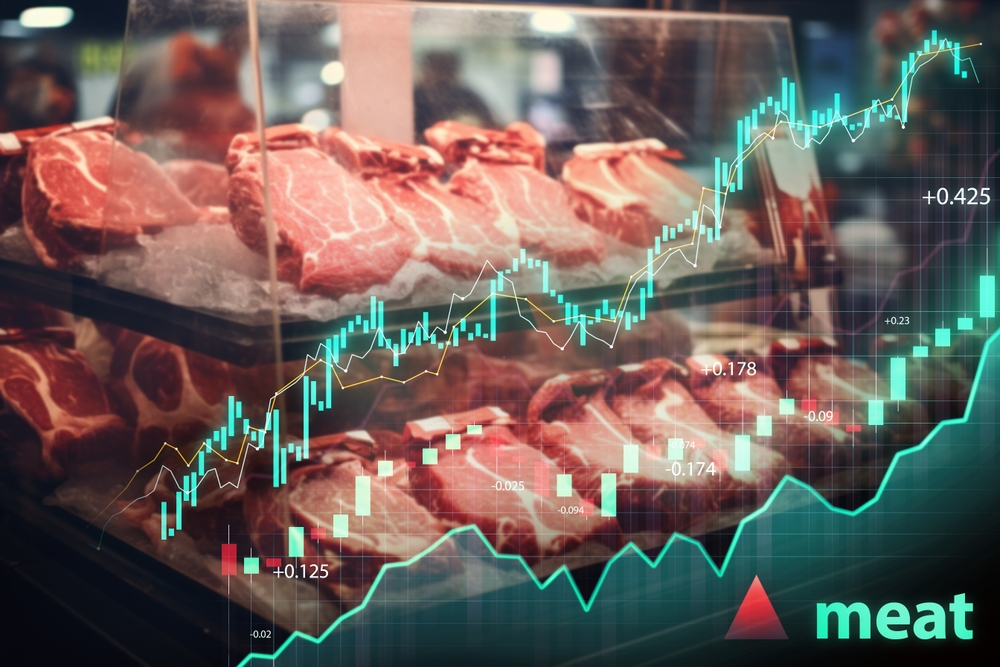
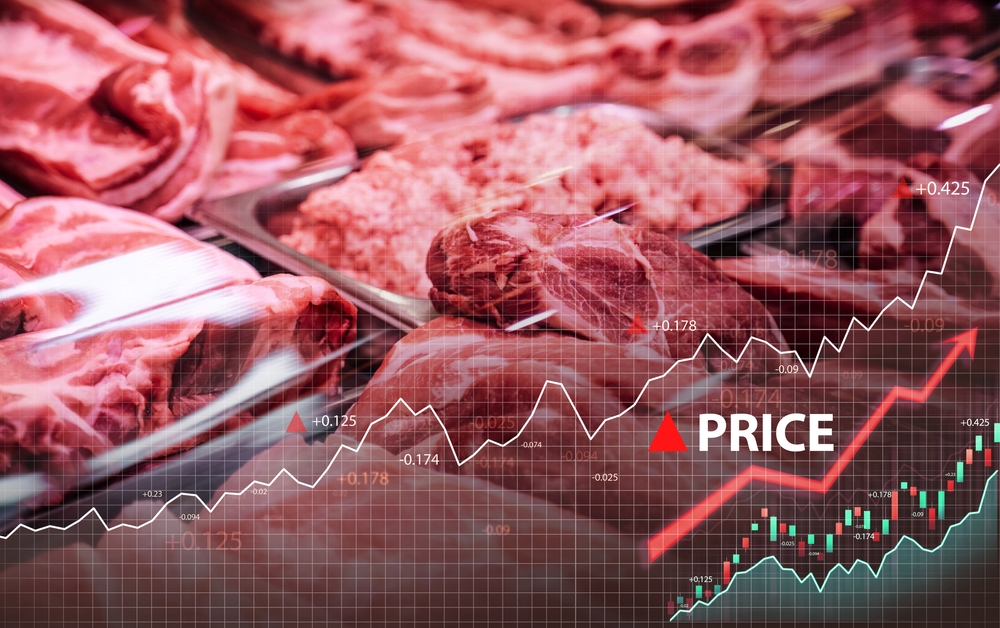
Federal data shows the average retail price for beef reached a record $9.64 per pound in April, representing a 13% increase from the previous year. Ground beef prices have climbed nearly 48% since March 2021, illustrating how dramatically costs have risen across the industry.
Texas BBQ Restaurants Are Already Closing
The consequences are no longer theoretical. Several respected Texas barbecue businesses have already shut down after struggling with a combination of rising costs and declining customer traffic.
Brett Jackson, co-founder of Brett’s BBQ in Katy, Texas, began noticing changes in customer behavior months before making the decision to close. “Eight months ago, I saw that about one in every eight groups were splitting a two-meat plate for two people,” he said.
The changes did not stop there. Customers who once visited multiple times each week began reducing their visits. Some became monthly customers instead of weekly regulars. As sales slowed and expenses climbed, Jackson ultimately closed the restaurant in December.
Other closures soon followed. Kirby’s BBQ in New Caney and Sabar Barbecue in Fort Worth have also shut their doors, becoming some of the most visible examples of an industry under intense financial strain.
Brisket Prices Are Crushing Profit Margins
Texas barbecue depends on brisket in a way that few other restaurant categories depend on a single ingredient. When brisket prices rise, owners have little room to maneuver.
Shawn Jones, owner of Kirby’s BBQ, explained why the economics no longer worked. “With brisket being our biggest seller here in Texas, that is really weighing on our profit margins.”
He then described what many customers are now facing when they visit a barbecue restaurant. “When brisket costs $36 a pound for the consumer and then you got ribs and sausage and sides and desserts and all that… you can easily be spending $70 to $100 for barbecue.”
Many operators fear that customers simply will not accept those prices indefinitely. While raising menu prices helps offset costs, every increase risks driving away more customers, creating a cycle that becomes increasingly difficult to escape.
The pressure has become so intense that some restaurant owners believe virtually everyone in the industry is vulnerable.
Pitmasters Say Nobody Is Safe
Even established operators with strong reputations are feeling the strain.
Russell Roegels, who owns two barbecue restaurants in Houston, offered one of the starkest assessments of the current situation. “This is as bad as it gets.”
He followed that warning with an observation that has become increasingly common throughout the industry. “Everybody’s at risk these days: You’re one bad week from closing.”
Those concerns reflect the razor-thin margins many barbecue businesses operate under. A slow weekend, a spike in costs, or a temporary drop in customer traffic can quickly become a serious financial problem.
For independent restaurants that have built their identities around brisket, there are few easy solutions available. Changing recipes or reducing quality risks alienating loyal customers, while absorbing higher costs is becoming financially impossible.
Why McDonald’s Can Adapt More Easily
Large restaurant chains face many of the same cost pressures, but they often have options that independent barbecue restaurants do not.
McDonald’s has increasingly expanded its chicken offerings as beef prices continue rising. The company can shift customer demand toward sandwiches, tenders, and other products that are less dependent on expensive beef supplies.
Chief Restaurant Experience Officer Jill McDonald highlighted the company’s confidence in that strategy. “Just as a reminder, this global category is 2x the size of beef and faster growing. We grew our chicken category share across our top 10 markets in 2025 and believe we’re well on our way to increasing our share by at least 1 percentage point by the end of 2026 versus where we were in December 2023.”
Barbecue restaurants do not have that luxury. Customers visit Texas smokehouses for brisket. Replacing the centerpiece of the menu with chicken is rarely a realistic option.
Why A Brisket Costs More Than You Think
Several factors make brisket far more expensive than its raw purchase price suggests:
- Large portions of fat must be trimmed before cooking.
- Smoking can take 12 to 14 hours.
- A brisket can lose up to half its weight during the cooking process.
- Labor, wood, utilities, and preparation costs add additional expenses.
- Restaurants must still maintain profit margins after all of those losses.
That reality means even modest increases in raw beef prices can have a dramatic impact on what customers ultimately pay.
Texas barbecue has survived changing tastes, economic downturns, and intense competition over the years. The current beef crisis presents a different challenge. As prices continue climbing and consumers become more selective about dining out, some of the state’s most famous smokehouses are discovering that even a Texas tradition has limits when the numbers stop making sense.
barbecue industry, BBQ crisis, BBQ restaurants, beef prices, beef shortage, brisket, brisket prices, cattle shortage, dining trends, food inflation, food news, Fort Worth BBQ, Houston BBQ, Inflation, Katy Texas, McDonald’s, restaurant business, restaurant closures, restaurant industry, rising food costs, small business news, Texas barbecue, Texas BBQ, Texas restaurants, Texas smokehouses, trending news