
Your cart is currently empty!
Trump Preparing Major Beef Import Move As Ground Beef Prices Surge Across America
American shoppers have watched beef prices climb for years, but the latest spike has now pushed the Trump administration toward a dramatic trade move that could flood the U.S. market with foreign beef. Ground beef prices have surged roughly 40% compared with where they stood five years ago, while the national cattle herd has fallen to its lowest level in more than seven decades. With grocery costs still hammering households ahead of the election season, the White House is preparing to temporarily suspend tariff-rate quotas on imported beef from every exporting country.
Contents
show
The change would allow significantly larger amounts of foreign beef to enter the United States without triggering higher tariff rates that normally kick in after import limits are reached. The administration is also preparing a separate package aimed at helping ranchers through expanded lending programs and deregulation measures tied to livestock operations. The decision arrives as beef prices continue soaring across the country and pressure builds over food inflation that many voters still rank among their top economic concerns.
White House Plans To Open The Door To More Imported Beef
The administration is expected to suspend annual tariff-rate quotas that currently place limits on how much beef countries can export into the United States before higher tariffs apply. Once those quotas are exhausted, exporters face steeper rates that make additional imports more expensive.
Removing those limits would allow foreign suppliers to continue shipping beef into American markets at lower tariff rates even after they exceed existing annual caps. Officials believe the move could help ease immediate supply shortages and slow rising grocery prices that continue hitting consumers across the country.
A White House official described the suspension as a solution for near-term bottlenecks in domestic beef supply. The administration could reportedly move forward with the policy as soon as Monday.
The proposal marks one of the most aggressive trade actions the administration has taken so far in response to rising food prices.
Ground Beef Prices Have Climbed At A Relentless Pace
The average price of ground beef in U.S. cities reached around $6.70 per pound in March, according to Bureau of Labor Statistics data. That figure sits nearly a dollar higher than the same period last year and reflects the sharpest stretch of beef inflation in recent memory.
The Agriculture Department estimates prices could rise another 10.1% in 2026, though officials noted actual increases could vary widely depending on weather conditions, herd recovery, and supply disruptions.
Several major problems have pushed prices upward at the same time. Years of drought reduced grazing land across cattle-producing regions, feed costs climbed sharply, labor expenses increased, and ranchers cut herd sizes during the pandemic period when operating conditions became more difficult.
Consumer demand for beef has remained strong despite higher prices, which has kept pressure on supermarkets and meat suppliers struggling to keep enough product on shelves.
The Cattle Herd Has Reached A Historic Low
Agriculture Department figures show the U.S. cattle herd has dropped to its smallest size since 1951. Ranchers have been reluctant to rebuild herd numbers because of continuing drought conditions, expensive feed costs, and uncertainty surrounding future profits.
Dry weather remains one of the biggest obstacles facing producers. USDA data shows around 63% of the American cattle herd currently sits in drought areas, leaving many ranchers with limited grazing land and higher operating costs.
While improvements in cattle genetics and feeding techniques now allow producers to generate more meat per animal, overall supply still has not kept pace with national demand.
The result has been a tightening market that continues driving prices higher at grocery stores across the country.

Border Restrictions Added Another Blow To Supply
The beef market has also been affected by restrictions on livestock imports from Mexico tied to fears surrounding the New World screwworm, a flesh-eating parasite capable of devastating cattle populations.
The border closures, which began in late 2024, reportedly prevented around one million cattle from entering the United States from Mexico. That disruption removed a major source of supply at a time when domestic herd sizes were already shrinking.
Federal officials imposed the restrictions to slow the spread of the parasite, but the move added fresh pressure to an industry already struggling with shortages and rising production costs.
Supply chain disruptions tied to weather, disease concerns, and declining herd numbers have now combined to create one of the tightest beef markets in decades.
The Administration Is Also Rolling Out Support For Ranchers
Alongside the tariff changes, the administration plans to direct the Small Business Administration to increase lending and access to capital for ranchers facing financial strain.
Officials are also preparing a broader deregulatory package that targets several policies ranchers have criticized for years. Among the measures reportedly being considered are the removal of Agriculture Department requirements for electronic ear tags on livestock and reduced federal protections for gray and Mexican wolves under the Endangered Species Act.
Supporters of the changes argue ranchers have been squeezed by rising costs, drought conditions, and growing federal regulations for years. They believe reducing compliance burdens could help producers recover during one of the toughest periods the cattle industry has faced in generations.
Critics argue some of those regulations exist for important reasons tied to wildlife protection, livestock tracking, and disease prevention.
Meatpacking Companies Are Facing Federal Scrutiny
The administration has also increased pressure on the meatpacking industry as beef prices continue climbing.
President Donald Trump directed the Justice Department to investigate whether large meatpackers were helping drive up beef prices in the United States. Federal investigators are also examining possible antitrust violations inside the beef processing industry.
The scrutiny follows a proposed settlement involving Agri Stats, an Indiana-based data company accused of helping meat processors share sensitive industry information.
Federal officials alleged the company’s reports allowed chicken, pork, and turkey processors to inflate prices charged to grocery stores, restaurants, and buyers that did not have access to the same data.
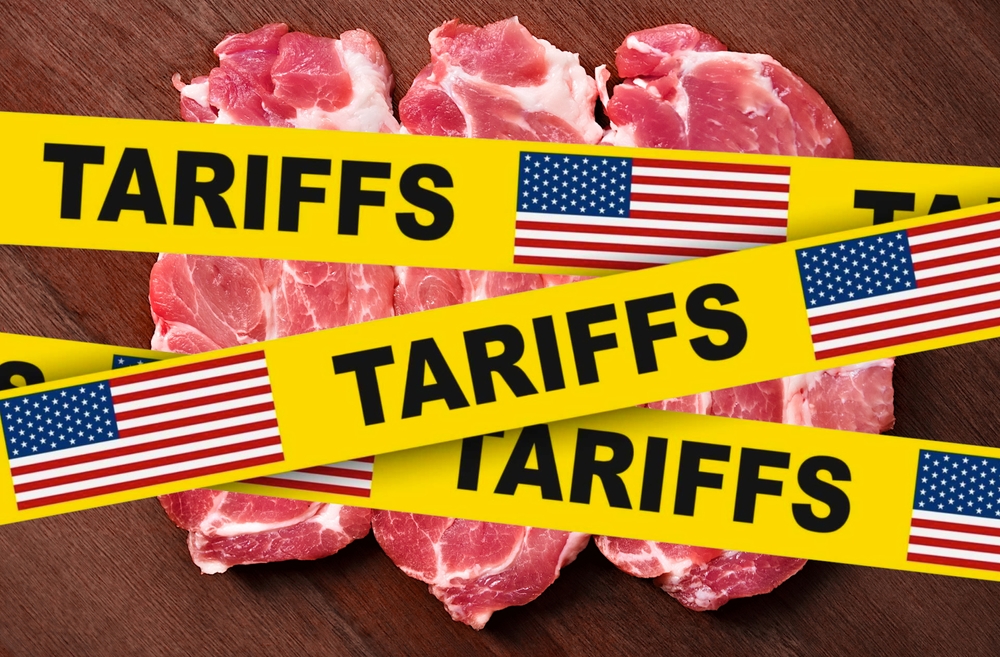
Foreign Beef Imports Were Already Rising Before The Move
Imports already make up roughly one-fifth of the nearly 29 billion pounds of beef Americans consume every year. Agriculture Department projections estimate imported beef shipments could approach six billion pounds in 2026, which would mark an all-time high.
Brazil has emerged as one of the largest foreign suppliers entering the American market. The country recently overtook the United States as the world’s leading beef producer and has rapidly expanded exports to American buyers.
Federal trade data showed Brazilian exporters shipped $795 million worth of beef to the United States during the first three months of the year. That represented a 21% increase compared with the same period in 2025.
Brazil also exhausted its preferential-rate beef allotment of 65,000 tons before February ended, highlighting how quickly foreign demand for access to American consumers has grown.
Domestic Ranchers Are Expected To Push Back
American cattle producers are likely to strongly oppose the administration’s latest move. Trade groups have consistently argued that increasing foreign beef imports threatens domestic ranchers already struggling with high costs and shrinking herd sizes.
Many producers previously fought against loosening restrictions on Argentine beef imports earlier this year, warning that cheaper imported meat could weaken American ranching operations.
The tariff suspension now sets up another battle between efforts to lower consumer food prices and concerns from domestic producers worried about foreign competition.
For shoppers staring at higher grocery bills every week, cheaper imported beef could bring some relief. For ranchers trying to survive one of the harshest cattle markets in decades, the policy could deepen fears about the future of the American beef industry.
American economy, beef prices, beef shortage, beef tariffs, Brazil beef imports, cattle industry, Donald Trump, food inflation, grocery inflation, ground beef prices, imported beef, inflation crisis, meat prices, meatpacking industry, tariff suspension, trade policy, Trump, U.S. politics, U.S. ranchers, USDA