
Your cart is currently empty!
Why Americans Are Fighting Back Against the AI Data Center Boom
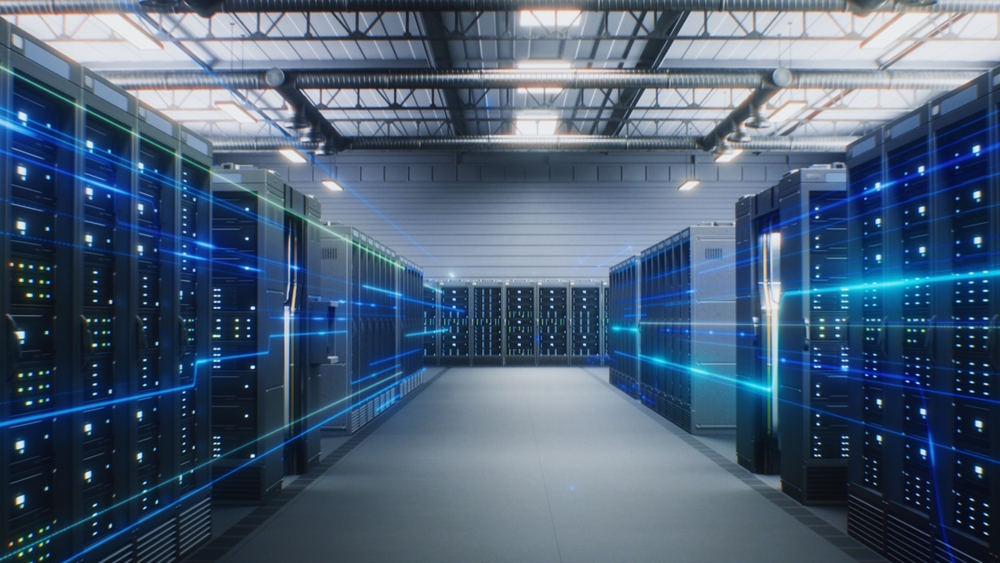
Artificial intelligence is fueling one of the biggest construction booms the United States has seen in years. Tech giants are racing to build massive data centers that can power everything from AI chatbots to advanced cloud computing. Billions of dollars are flowing into new campuses, with companies promising jobs, investment, and a stronger digital economy.
Contents
show
But a growing number of communities are no longer convinced the benefits outweigh the costs.
A new report suggests opposition has reached an entirely new level. During the first three months of 2026 alone, at least 75 data center projects worth roughly $130 billion were either blocked or delayed across the country. That figure nearly matches the total value of projects disrupted throughout all of 2025, pointing to a dramatic shift in how local governments and residents are responding to the rapid expansion of AI infrastructure.
A Record-Breaking Quarter for Project Delays
The findings come from Data Center Watch, a project run by AI intelligence firm 10a Labs that tracks opposition to data center development across the United States.
According to the report, the first quarter of 2026 marked the highest number of delayed or blocked projects since the organization began monitoring activity in 2023. Researchers argue this was not a temporary spike but evidence that organized resistance has become far more sophisticated.
The report states that communities have developed an effective playbook for challenging projects. Local activists are coordinating campaigns, lawmakers are introducing new regulations, and neighborhood groups are sharing strategies across state lines.
By the end of March, active opposition organizations had grown to 833 groups spread across 49 states, more than double the 396 groups recorded just three months earlier.
Researchers described the change as a structural shift rather than a short-lived trend.
“In some cases, opposition mobilized before any project was officially filed; the mere rumor of a data center was enough to trigger organized resistance,” the report noted.
That observation reflects how quickly concerns surrounding AI infrastructure have entered mainstream public debate.
Why Data Centers Have Become So Controversial
For years, data centers attracted relatively little public attention.
Most people rarely noticed the enormous warehouses filled with computer servers operating behind high security fences. They quietly powered search engines, online shopping, video streaming, and cloud storage without becoming major political issues.
Artificial intelligence has changed that equation.
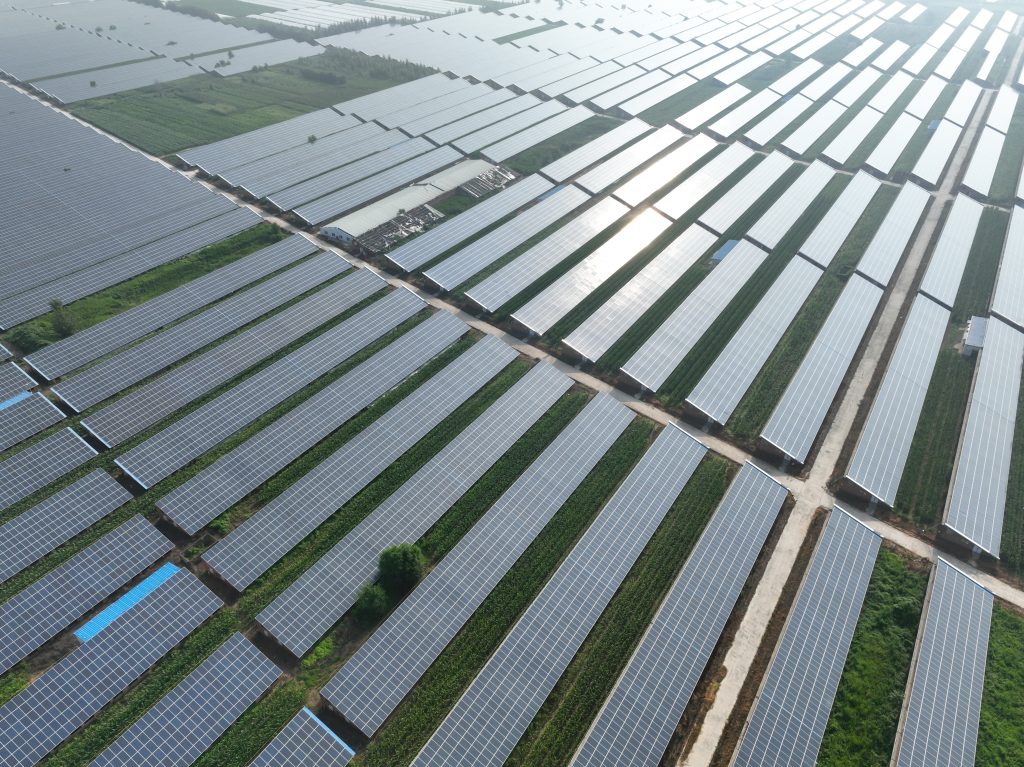
Training and operating modern AI models requires enormous computing power. Every new chatbot, image generator, and AI assistant depends on vast networks of specialized processors that consume extraordinary amounts of electricity while generating substantial heat. Keeping those machines running around the clock also demands extensive cooling systems, many of which rely on significant water supplies.
As developers compete to build larger facilities, communities are asking increasingly difficult questions.
Residents worry about rising electricity bills, increased pressure on aging power grids, water consumption during drought conditions, industrial noise, traffic during construction, changing landscapes, and the long-term environmental consequences of hosting massive server campuses.
Those concerns have transformed what was once viewed as ordinary commercial development into one of the country’s fastest-growing local political issues.
The Numbers Behind America’s Growing Resistance
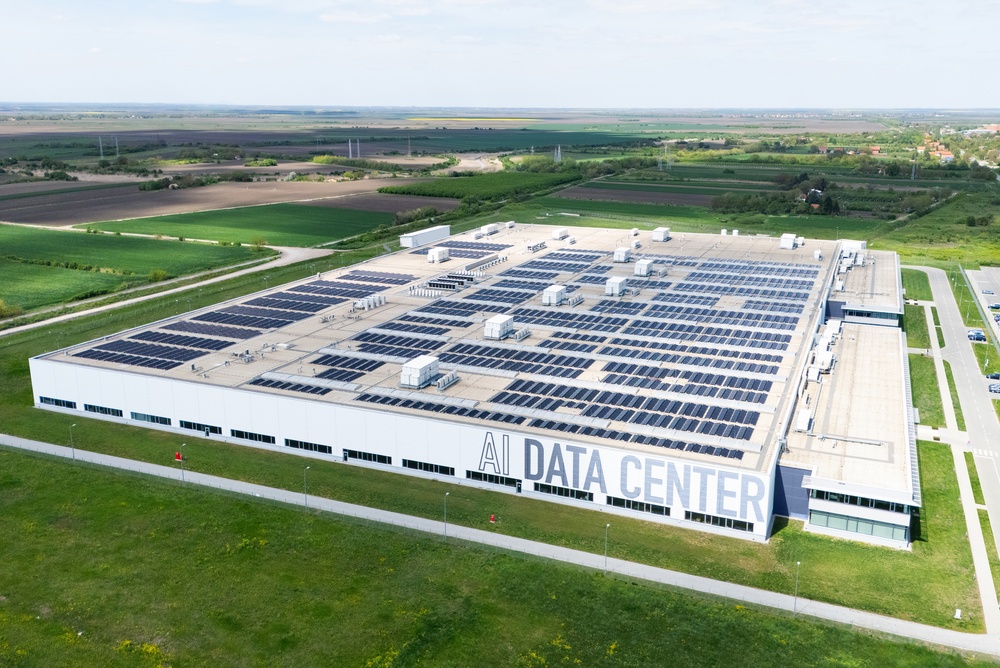
The scale of opposition becomes even clearer when examining the broader data collected by Data Center Watch.
The organization estimates that over the past two years, approximately $18 billion worth of proposed projects have been completely blocked, while another $46 billion worth have experienced significant delays due to permitting battles, lawsuits, or organized community resistance.
Researchers identified at least 142 activist organizations operating across 24 states during that period. Many of these groups formed around individual projects before expanding into broader campaigns focused on stricter regulations and long-term planning for future developments.
The report also found that opposition does not fit neatly into traditional political divisions.
Conservative officials often question generous tax incentives offered to developers and raise concerns about energy reliability. Democratic lawmakers tend to focus more heavily on environmental impacts, water consumption, and climate issues. At the same time, many neighborhood organizations identify with neither side, concentrating instead on practical concerns affecting nearby residents.
Researchers noted that disputes over power demand and electrical infrastructure have become one of the few issues drawing support across the political spectrum.
Local Battles Are Reshaping National AI Expansion
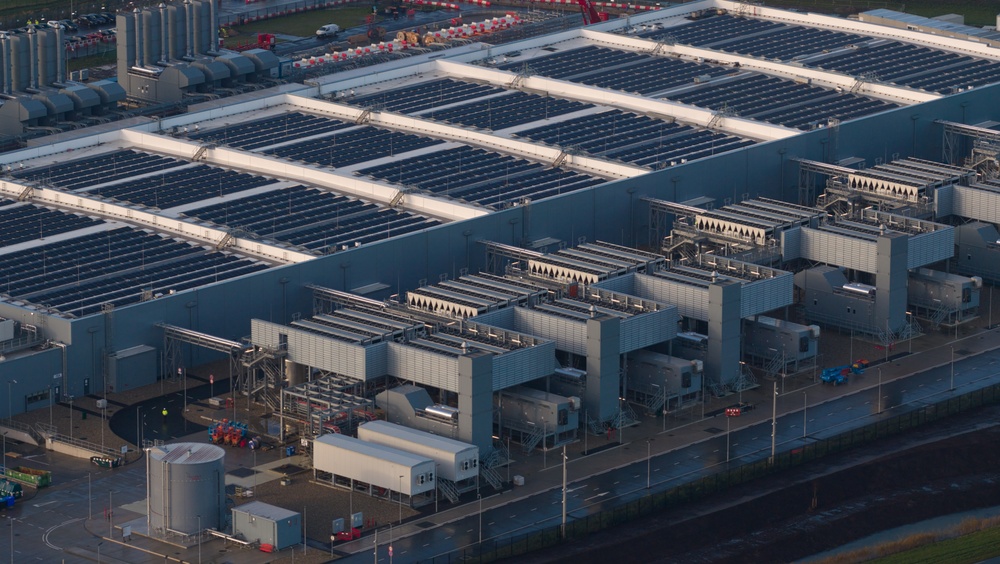
One of the report’s most striking conclusions is that many of the biggest obstacles facing AI infrastructure are emerging at the local level rather than in Washington.
Although federal leaders continue encouraging AI investment, zoning approvals, environmental reviews, and land-use decisions usually fall under city councils, county commissions, and state agencies.
That means a relatively small community can dramatically influence projects worth billions of dollars.
Several examples highlighted in the report illustrate just how powerful local activism has become.
In Arizona, a proposed $14 billion Tract development was withdrawn after residents objected to building height, noise levels, and pressure on local resources. Although the company later proposed another nearby project after working with local officials, the original plan never moved forward.
In Missouri, a proposed $1.5 billion technology park faced sustained opposition from residents worried about visual impacts, property values, and noise. Eventually, city officials amended zoning rules in a way that effectively blocked data centers from being built under the original proposal.
Indiana saw another high-profile withdrawal when a $1.3 billion proposal was abandoned after residents raised concerns about water resources, wildlife, air quality, and nearby property values. Public meetings generated significant resistance, prompting the developer to cancel the project entirely.
Virginia has emerged as perhaps the most active battleground in the country.
The state hosts one of the world’s largest concentrations of data centers, making it a natural focal point for both developers and opponents. Data Center Watch says Virginia alone now has dozens of organizations coordinating resistance, including the Data Center Reform Coalition, which brings together multiple environmental and community groups working toward similar goals.
Residents Say the Costs Could Reach Everyone
Supporters of data centers frequently emphasize new jobs, increased tax revenue, and billions of dollars in private investment.
Many communities welcome those opportunities, particularly as demand for AI infrastructure continues climbing.
Opponents, however, argue that those economic benefits may come with significant hidden costs.
One concern centers on utility bills.
Building and operating enormous AI campuses requires tremendous amounts of electricity. Utilities may need to expand substations, transmission lines, and generation capacity to keep pace with growing demand. Critics argue those infrastructure upgrades often become shared costs passed on to ordinary customers rather than developers alone.
Lorraine McAvoy, a resident quoted during debate over a proposed North Carolina development, summarized that concern by asking, “When they make infrastructure improvements, who does that cost go to? It doesn’t go to the developer. It goes to the people, the consumers of the utility.”
Researchers also point to studies suggesting wholesale electricity prices could increase between 6% and 29% by the end of the decade if data center expansion continues at its current pace. Other projections estimate that environmental and public health costs associated with AI infrastructure growth could eventually total around $25 billion each year, while the nation’s aging electrical grid will require massive investment to accommodate rising demand.
These concerns help explain why debates over individual projects increasingly extend beyond neighborhood issues.
For many residents, they have become conversations about who should bear the financial and environmental costs of America’s AI future.

Legislators Are Responding to Mounting Public Pressure
The surge in community resistance is beginning to influence lawmakers as well.
According to Data Center Watch, legislators introduced proposals for data center construction moratoriums in 14 states during the first quarter of 2026. Similar discussions also reached the federal level, where Sen. Bernie Sanders and Rep. Alexandria Ocasio-Cortez introduced a nationwide proposal.
None of those measures have become law so far, although one proposal reached the desk of Maine Gov. Janet Mills before being vetoed in April. Even so, the volume of legislation reflects how quickly AI infrastructure has become a political issue rather than simply a business or technology story.
Researchers also found that more than 300 bills related to data centers were introduced in state legislatures during just the first six weeks of 2026.
Rather than focusing on attracting investment, many proposals emphasized environmental oversight, energy planning, permitting requirements, and additional regulation.
The report described this as a shift away from incentive-based policies toward closer scrutiny as governments grapple with the growing demands large AI facilities place on public infrastructure.
The Debate Extends Far Beyond Environmental Concerns

Although environmental impacts receive much of the public attention, they represent only part of the broader debate.
Across the country, residents have raised concerns about a wide range of issues, many of which differ depending on local circumstances.
Some of the most common objections include:
- Rising electricity demand that could increase household utility bills.
- Heavy water consumption needed to cool large server facilities.
- Noise generated by backup generators and cooling equipment.
- Loss of green space and changes to neighborhood character.
- Pressure on aging power grids and supporting infrastructure.
- Questions about whether long-term public benefits justify generous tax incentives.
These concerns often overlap rather than exist independently. A single project may trigger debates about environmental protection, property values, public spending, and future development all at the same time.
The report also notes that projects including their own power generation facilities frequently encounter additional resistance because they introduce another layer of environmental and permitting questions.
That complexity helps explain why some developments remain tied up for months or even years as developers revise plans, conduct additional studies, or defend projects in court.
Virginia Shows How Quickly Opposition Can Grow
If there is one state illustrating how rapidly public opinion can shift, it is Virginia.
Already home to one of the world’s largest concentrations of data centers, Virginia has become a testing ground for both developers and activists.
Data Center Watch identified dozens of organized groups across the state, many working together through the Data Center Reform Coalition. These organizations have expanded beyond individual neighborhood campaigns to coordinate research, public outreach, and legal strategies.
Political consequences have followed.
In Cascade Locks, Oregon, residents recalled two local officials after they supported a $100 million data center project. The newly elected leadership later canceled the proposal.
In Warrenton, Virginia, every town council member who supported Amazon’s proposed data center eventually lost reelection. The new council entered office with a mandate to reconsider the development, demonstrating how data centers have evolved into election issues rather than simple zoning decisions.
Those examples highlight an important reality for developers.
Winning regulatory approval no longer guarantees a project will move forward. Public opinion can continue influencing projects long after initial permits have been granted.

Developers Continue Betting Big on AI Infrastructure
Despite growing resistance, technology companies are showing no signs of slowing their investment plans.
Artificial intelligence requires enormous computing capacity, and industry leaders believe demand will continue climbing for years.
Amazon recently announced plans to invest $25 billion in new data centers in Mississippi, while Alphabet revealed a $40 billion investment in Texas aimed at expanding AI infrastructure.
Those announcements reflect confidence that AI services will require far more computing power than existing facilities can provide.
Developers also argue that modern data centers create construction jobs, generate tax revenue, and attract additional investment into surrounding communities.
Supporters maintain that concerns about environmental impacts and electricity demand are often overstated or based on outdated assumptions about newer facilities, which are becoming more energy efficient and increasingly powered by renewable sources.
Still, building new campuses has become increasingly difficult.
Separate reporting suggests that supply chain shortages, permitting challenges, and dependence on imported components have delayed or canceled roughly half of planned U.S. data center projects.
That situation has increased the value of companies that already secured land, electricity, and operational facilities before today’s bottlenecks emerged.
A New Chapter in America’s AI Expansion
The rapid growth of artificial intelligence has transformed data centers from overlooked pieces of digital infrastructure into some of the country’s most closely watched construction projects.
Only a few years ago, debates about server farms rarely reached beyond planning meetings. Today, they have become front-page issues involving environmental groups, local residents, utility companies, elected officials, and some of the world’s largest technology firms.
The outcome of those battles will influence far more than individual construction projects.
Every delayed campus affects the pace at which new AI systems can be deployed. Every approved facility adds pressure to expand electrical grids, water infrastructure, and public services. Communities are increasingly weighing those trade-offs before deciding whether they are willing to host the next generation of digital infrastructure.
For developers, the challenge is no longer limited to finding suitable land or raising capital. Winning public trust has become just as important.
The first quarter of 2026 suggests that local communities intend to play a much larger role in shaping America’s AI future than many in the technology industry anticipated. Whether that results in smarter growth, stricter regulation, or longer delays remains uncertain, but one thing is becoming increasingly clear: the race to build the infrastructure behind artificial intelligence will be decided as much in town halls and county meetings as it will in corporate boardrooms.