
Your cart is currently empty!
Meet Tsunami, the Rescue Dog Who Saved 13 Lives After Venezuela’s Earthquake
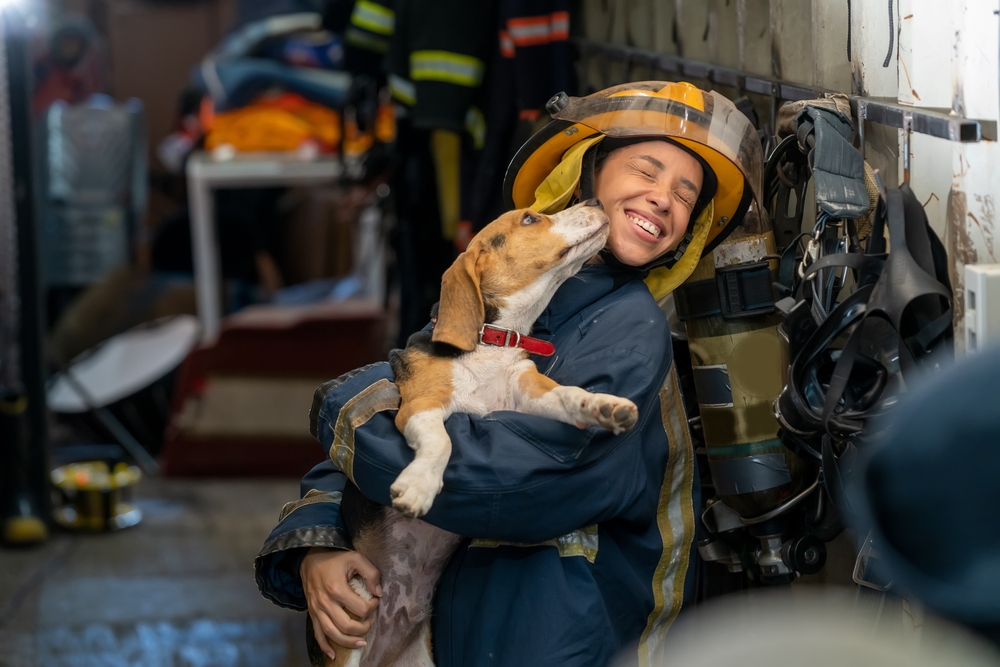
Rescuers ask a crowd for the one thing a disaster zone can almost never give them. Total silence. Then a border collie with one blue eye and one brown goes to work, moving across broken concrete, nose down, reading a language of scent that no human on the scene can follow. Somewhere beneath the rubble, a life may still flicker, and this dog has spent years learning how to find it.
Contents
show
Venezuela now calls him a hero, though his own beginnings gave little reason to expect such a title. His name is Tsunami, and his story runs from an abandoned puppy on the streets of Caracas to a rescue career that reached across borders and, in June 2026, into the wreckage of one of the worst disasters ever to strike his country. What he did there, and what he came to mean to a grieving nation, deserves telling in full.
Two Earthquakes and a Country in Mourning
On June 24, 2026, two earthquakes of magnitude 7.2 and 7.5 struck northern Venezuela thirty-nine seconds apart. More than 1,700 people died, with the toll still expected to climb in the days that followed. Tens of thousands remained unaccounted for, and official registries where families logged missing loved ones showed around 45,000 names.
La Guaira, a coastal region, took the worst of the destruction. Apartment buildings folded into heaps of concrete, trapping residents beneath floors that had stood hours earlier. Into that wreckage came rescue teams, volunteers, and a small number of highly trained dogs, Tsunami among them, searching for anyone who might still be breathing under the debris.
The Rescue That Moved a Nation
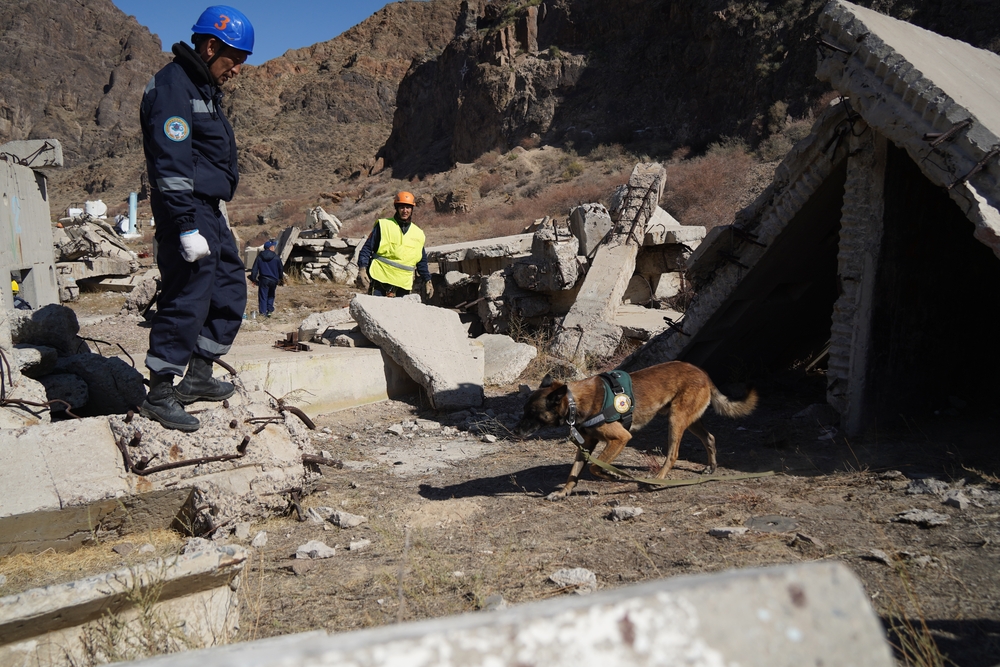
Days into the emergency, in the Caracas parish of San Bernardino, Tsunami worked the ruins of a collapsed eight-story building, the Residencias Rita. Moving over the debris, he detected signs of life and marked one precise point, returning to it again and again to signal what he had found. Rescue crews called for complete silence, then concentrated their digging on that single spot.
Beneath it, a man in his sixties was still alive. Crews carefully worked their way down and brought him out, one of the rescues that gave a shaken country a reason to keep digging. Accounts of the man’s ordeal differ. Some reports place his time trapped at roughly six hours, while another puts it as long as six days, a gap the available reporting does not fully resolve. Footage of the rescue spread across television broadcasts and social media, turning the moment into something people could hold onto during a dark week.
Before He Saved Anyone, Someone Saved Him
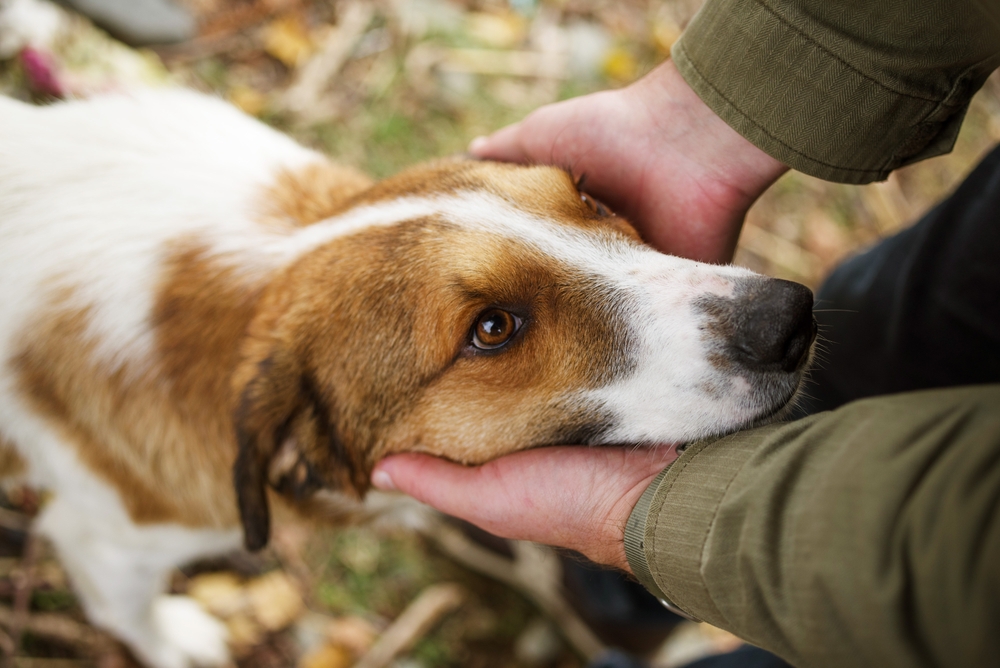
Tsunami’s path to that rubble pile began in far worse circumstances. As a puppy around 2017, he was found wandering the streets of Caracas, malnourished after suffering abandonment and abuse. Sources credit different rescuers with his recovery, one naming a woman named Anita Vidal, another crediting the Asociación Pro Defensa de los Animales, which restored his health and gave him a second chance.
His fortunes turned again when he met Jorge Beens, founder of a disaster canine training center known as K-SAR ECID. Beens saw tracking instinct in the young border collie, the drive and intelligence the breed is known for, and spent years training him to a certified specialty, finding human life inside collapsed structures. What had been a discarded street dog became a working search-and-rescue animal.
A Record Built Over Years of Disasters
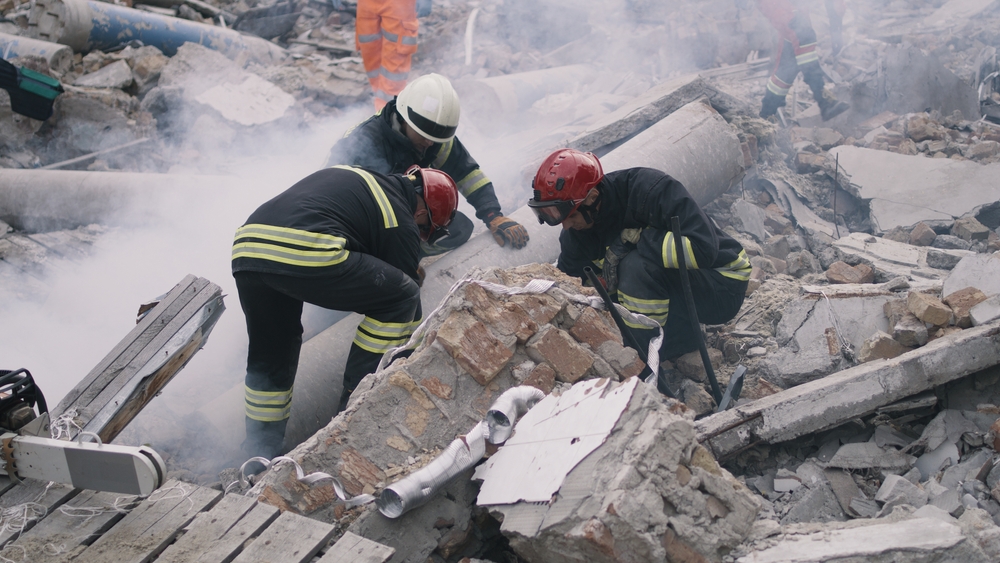
By June 2026, Tsunami was no novice. In 2022, he and Beens worked the deadly mudslides of Las Tejerías and El Castaño in Aragua state. In 2023, the pair deployed with international brigades to search the rubble of the Turkey and Syria earthquakes, one of the deadliest disasters of that year. Between those missions came numerous flood and landslide rescues across Venezuela.
His age is given as eight or nine across different reports, a small inconsistency in an otherwise steady record. One account credits him with a hand in rescuing some 300 people over his years of service, a figure worth attributing to that single source rather than treating as settled fact. What every source agrees on is the scale of experience he brought to his final mission, and the trust his handlers and fellow rescuers placed in his nose.
When Official Help Ran Late, Neighbors Ran First
Tsunami’s story sits inside a larger one about how Venezuelans met this disaster. In La Guaira, families and volunteers spent the first day digging through collapsed buildings with borrowed tools and bare hands, saying official help arrived too late to matter when it mattered most. Nearly a week after the quakes, a government excavator still sat idle beside a mountain of concrete for want of gasoline to run it, in the country with the largest reported oil reserves on Earth.
Ordinary citizens filled the gap. Residents of unaffected cities collected food, clothing, and money, and volunteers from other states arrived to help. One resident described people showing up “with their bare hands, their own money.” The government defended its response, citing more than 14,000 deployed military personnel and police. Both accounts belong in the record, the civilian frustration and the official reply, and the hours when survival beneath rubble gets decided had already passed for many before heavy equipment arrived.
The World Sent Help, and It Counted
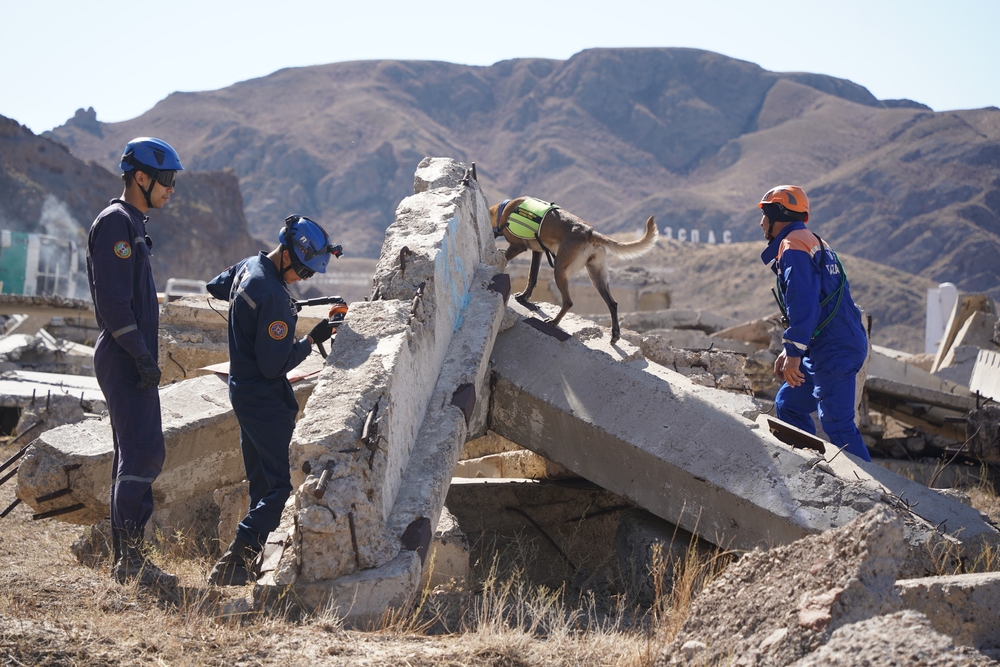
If civilians formed the first wave, the second came from abroad. Within days, more than 2,000 rescue workers from 27 countries deployed to Venezuela in an operation coordinated by the United Nations, joined by more than 120 trained search-and-rescue dogs. Their work produced survivors with names and faces who can now tell their own stories.
Colombia’s USAR COL-1 team pulled an 11-year-old boy named Moisés alive from the rubble of La Guaira. Teams from the United States, France, and Venezuela together freed a father and his son after four days underground. Six days after the quakes, rescuers brought out a toddler alive, proof that hope in these operations runs on procedure rather than sentiment, sustained one careful excavation at a time. Venezuelan teams like K-SAR ECID worked as peers with the foreign brigades. In La Guaira, Tsunami searched alongside canine brigades from Argentina while a veterinarian named Aníbal Hurtado kept him hydrated and fit between shifts.
Exhaustion, and a Retirement Earned
Days of continuous searching took their toll on the aging border collie. Veterinarian Aníbal Hurtado reported that Tsunami suffered severe physical exhaustion after his long hours in the wreckage. Following an intravenous drip, medical supervision, and rest, examiners found him to be in good overall health, worn out but not harmed by the effort.
Authorities have confirmed that the June 2026 response marks Tsunami’s final official mission before retirement. His career closes with at least 13 lives saved during these earthquakes, the figure most widely reported and the one that anchors his story. He steps down as a healthy dog after his last search rather than as a casualty of it, an ending that fits a working life spent pulling others out of danger.
A Symbol a Grieving Country Chose
People, social media, and news outlets have unofficially made Tsunami the image of how Venezuelans helped one another through catastrophe. Many drew a comparison to Orion, the Rottweiler remembered for saving dozens of people during the 1999 Vargas tragedy, another dog who became a national figure in a moment of disaster. Like his predecessor, Tsunami grew into something larger than a rescue animal, a figure of courage and hope during one of the country’s darkest stretches.
The heart of his story lies in a reversal. An animal once discarded and abused was given a second chance through human kindness, and through patient training he went on to give others exactly what he had first been denied and later granted, someone who shows up to help. Venezuela suffered a terrible blow on June 24, and in the hours and days after, its own people rushed toward the wreckage rather than away from it. Tsunami, worn out and hydrated by drip between shifts, carrying a nose trained over years and a history that began in a gutter in Caracas, came to stand for that same refusal to give up on one another.
animal rescue, border collie, canine unit, Disaster Response, earthquake recovery, earthquake survivors, Jorge Beens, K-SAR ECID, La Guaira, Natural Disaster, Orion Vargas tragedy, rescue dog hero, rescue dog retirement, San Bernardino Caracas, search and rescue, Tsunami rescue dog, Turkey Syria earthquake, UN rescue operation, Venezuela 2026, Venezuela earthquake