
Your cart is currently empty!
She Traded 90s Cartoons for Her Toddler’s iPad Shows and Two Things Changed Fast

Screen time ranks among the loudest debates in parenting right now, and most of that debate fixates on one question. How many hours are too many? A stay-at-home mom from Virginia started wondering about a different question entirely. What if the problem was less about how long her toddler watched, and more about what filled the screen while he did?
Contents
show
The iPad Kid Worry That Started It
Concern about screen time has grown louder as Generation Alpha, the youngest cohort of children, becomes the subject of one parenting debate after another. A label has emerged to describe the worry: the “iPad kid,” meaning a young child whose attention span suffers from heavy reliance on tablets and other screens from an early age. Parents watching this play out in their own homes have started looking for ways to reduce overstimulation in their kids’ daily routines.
Lauren Isler falls into that group. A stay-at-home mom from Virginia who runs the Instagram account @mamasandmesses, Isler went viral in March 2024 after posting a reel, since viewed more than 128 million times, about her decision to introduce her two sons to the shows she grew up watching, just to see whether it would change how they behaved. She was clear from the start that she does not judge families for using screens at all.
Why This Mom Made the Switch

Isler’s reasons came from what she saw in her own home. She noticed some concerning behaviors in her three-year-old whenever he watched newer, more stimulating shows, and the hardest moment always came when the television went off. Turning it off made sleep more difficult, which had knock-on effects across the rest of the day.
She has been open about the fact that her family relies on screens sometimes, and for good reason. “My younger son was born with a medical condition that required an ostomy bag. Sometimes, his bag changes could take up to 30 minutes, and during those changes, we used screentime for my older son. So, I want parents to know that screentime isn’t bad in moderation!” Isler said. That honesty runs through her whole approach. Her goal was never to demonize the television, only to change what her sons watched on it.
The First Change: Fewer Meltdowns
Once Isler began swapping in her childhood shows, she noticed something that will sound like a small miracle to plenty of exhausted parents. As one of the moms behind the account wrote in an Instagram post, “As I started introducing some of my childhood shows to my toddler, I noticed he enjoyed them but didn’t need them.” Her son would watch an episode or two, and when the time came to switch off the television, he simply went back to playing rather than melting down.
Meltdowns when screens disappear happen to almost every family, and doctors and experts point to a specific reason. Much of today’s content, along with the platforms serving it, gets built to hold attention as tightly as possible. That design has upsides, but the same intense stimulation lights up parts of the brain tied to addiction. Young children have not yet developed the tools to handle the genuine psychological discomfort of being pulled away from that kind of content, so meltdowns follow. Older shows made before the social media era had a different effect on Isler’s sons, who watched without the same white-knuckle grip on the screen.
The Second Change: Better Sleep

Sleep gave Isler the second, and possibly bigger, shift. “Possibly the biggest thing I noticed was a change in his sleep!” she wrote about her son, describing longer and better rest once the switch took hold. She chalked the improvement up to the slower pace of older children’s programming, which asks far less of a young brain trying to wind down at the end of the day.
Supporting evidence lines up with what she saw. According to the American Academy of Pediatrics, fast-paced and overstimulating content has links to both sleep disruption and attention difficulties in young children. Psychologist Caitlin Slavens told Parents that the move toward old-school television points to something worth understanding, explaining that slower, more deliberate storytelling helps children with emotional regulation, and that screen time comes down to how content affects a child rather than only what a child watches. Winding down after a barrage of quick cuts and loud sounds asks a lot of a toddler, which helps explain why the calmer shows made bedtime easier.
The Shows That Replaced the Modern Ones
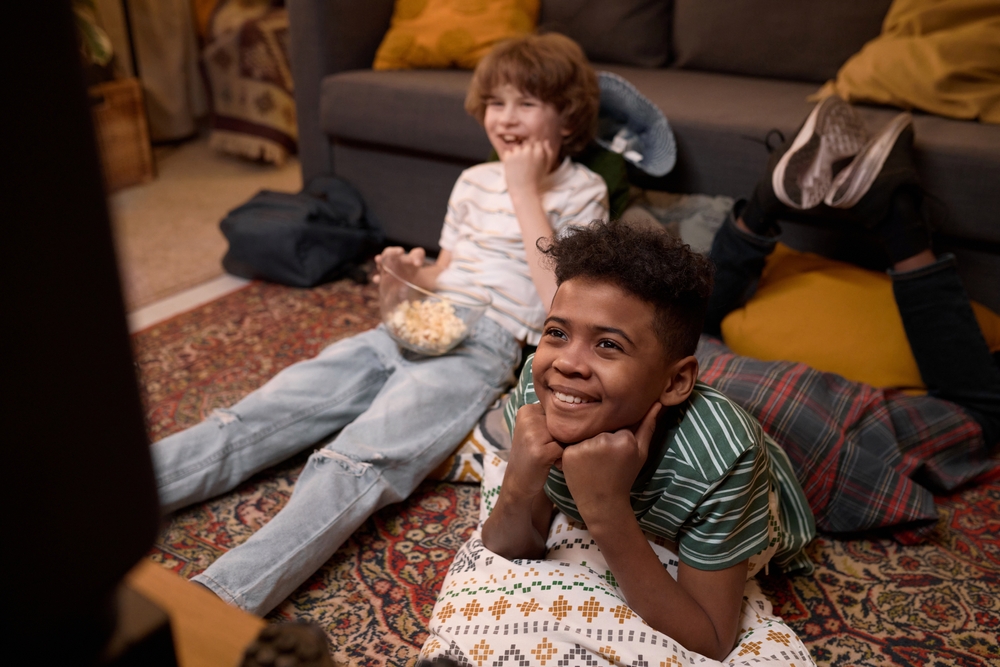
Parents wanting to copy the experiment will want the actual titles, and Isler’s sons took to a batch of older favorites. They enjoyed Franklin, Arthur, Dragon Tales, and Mister Rogers’ Neighborhood, though their clear favorite became Bear in the Big Blue House. A second account tied to the same content added Rolie Polie Olie and The Berenstain Bears to that list of millennial-childhood staples.
None of this turned into a strict 90s-only rule, which matters for parents worried they would have to ban everything modern. Isler’s family still watches Bluey, along with Disney movies from the parents’ own childhood, and low-stimulation newer shows like If You Give a Mouse a Cookie. They skip Cocomelon. Popular modern picks like YouTuber Ms. Rachel stayed in the rotation too. Isler framed the change as fun rather than a punishment, telling her sons they were discovering shows Mommy grew up with, an idea they liked far more than being told their usual programs were off-limits.
How She Made the Change Stick

Isler had practical advice for parents hoping to make a similar switch. Replacing the high-stimulation shows was the first step, and once her family moved to calmer programming, the television lost much of its hold over her sons. They would watch for a while, then drift off to play with their toys while it ran in the background, which told her the screen no longer ran the show.
Filling that freed-up time with hands-on activities smoothed the whole transition. Isler keeps toys or an activity waiting for her sons each morning, and their favorites run from coloring to magna-tiles, magnetic blocks, Legos, Little People, and dinosaurs. Her oldest gets excited to come downstairs and see what waits for him. She also believes the older shows gave her kids something more lasting than entertainment, teaching them how to be good people, which she ranks above raising children who are merely smart or athletic.
A Child Development Specialist’s More Measured Take
Dr. Siggie Cohen, a child development specialist in California with more than three decades of experience, offered a professional view that complicates any simple “90s good, modern bad” verdict. She had not come across this particular trend, though she had met many parents anxious about the content their children watch and eager to control it. Her memory stretches back far enough to puncture some of the nostalgia. Parents in the 90s carried the same fears about shows deemed extreme for their time, and she recalled the fierce backlash against Power Rangers, which drew accusations of teaching children to be violent.
Cohen cautioned that trying to fully control what children watch can backfire. She recommended that parents stay involved instead, showing interest, discussing their kids’ favorite shows, and paying attention to what pulls their kids toward certain content in the first place. A child drawn to what looks like aggressive programming may actually be expressing a need for power or dominance, she suggested, a need parents can redirect off-screen through leadership roles or competitive sports rather than simply banning the show.
Content Matters, but So Does Supervision

Cohen kept pressing on the point that content alone does not tell the whole story. Too much screen time affects children today as it always has, she said, but the amount of time, and especially the lack of adult supervision, drives more of the misunderstanding than the content by itself. She argued that a screen should be one piece of a child’s life rather than the automatic answer to every quiet moment.
Her advice to parents came with a warning about tone. Set clear boundaries around how much and what children watch, she said, but avoid treating screens with fear or panic, which only adds to their pull and can feed the very addictive behavior parents dread. She also cautioned against using screen time as a bribe, a bargaining chip, or a punishment, because doing so hands the television more power than it deserves. Handled that way, turning it off feels normal to a child, like the natural end of any activity, rather than something ripped away. To picture the toll of overstimulation, she offered a comparison. Think about how a few hours or days inside a Las Vegas casino would leave you feeling. She added that humans adapt well, and that the goal is raising children who learn balance and can settle themselves when the world overwhelms them.
What This Says About the Bigger Screen Time Debate
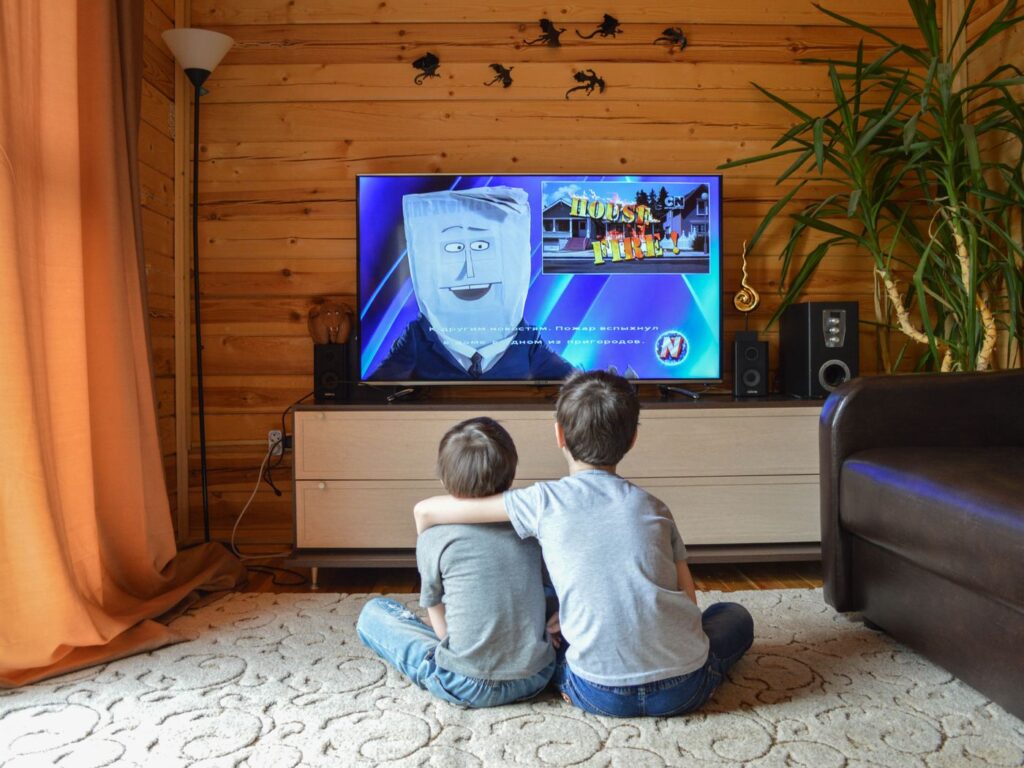
Isler and the moms behind her account came away suspecting that what children watch may carry as much weight as how long they watch, a shift away from the usual fixation on hours alone. That reframing gives parents a lever they can actually pull, since choosing calmer shows sits well within reach even when cutting screen time entirely does not.
Cohen ended on a hopeful note about parenting in a harder media environment. Families today face a heavier flood of information, images, and options than earlier generations did, and that flood frightens parents because so much of it feels unknown. Even so, she pointed back to what has always mattered. Family connection through simple shared activities and steady modeling of balance. The right mix of media belongs to each family to decide, and swapping in slower classics is one approachable option among many rather than a cure for every screen time worry. As the writer behind the original interview put it, an overstimulated adult brain could probably use an Arthur marathon too.
90s cartoons, Bear in the Big Blue House, Bluey, Child Development, Cocomelon, Dr. Siggie Cohen, Gen Alpha, iPad kid, kids media, kids TV shows, Lauren Isler, low-stimulation shows, mamasandmesses, meltdowns, overstimulation, parenting tips, parenting trend, screen time, toddler behavior, toddler sleep