
Your cart is currently empty!
Why Nashvilles Zoo Is Fighting A Massive AI Data Center
A tiny clouded leopard cub weighing only a few pounds has become the unexpected face of one of America’s biggest technology debates. At Nashville Zoo, where conservationists have spent decades helping one of the world’s most vulnerable wild cats survive, a proposed data center has ignited a battle that stretches far beyond the zoo’s fences.
Contents
show
What began as a local zoning dispute has rapidly evolved into a national conversation about artificial intelligence, environmental protection, and where the infrastructure powering tomorrow’s digital economy should be built. More than half a million people have already backed the zoo’s campaign, while politicians from both parties, conservation experts, and residents continue to debate whether the benefits of expanding digital infrastructure outweigh the potential risks to wildlife and surrounding communities.
A Conservation Success Story Now Facing An Unexpected Threat
For Dr. Heather Schwartz, each day begins long before most Nashville residents wake up.
As the Nashville Zoo’s animal health director, she carefully bottle-feeds clouded leopard cubs that are often no larger than her hands. The work is demanding. Cubs require constant feeding, socialization, and close monitoring because clouded leopards are known for occasionally rejecting or neglecting their offspring in captivity.
Those painstaking efforts have made the Nashville Zoo one of the world’s leading institutions for breeding the vulnerable species. Since 1991, the zoo has welcomed 51 clouded leopard cubs, becoming the only facility in the United States to successfully breed the species during the most recent breeding season.
Zoo officials say that success depends on maintaining a carefully controlled environment where stress is kept to a minimum.
That is why the proposed construction of a large data center immediately outside the zoo’s property has alarmed conservation staff.
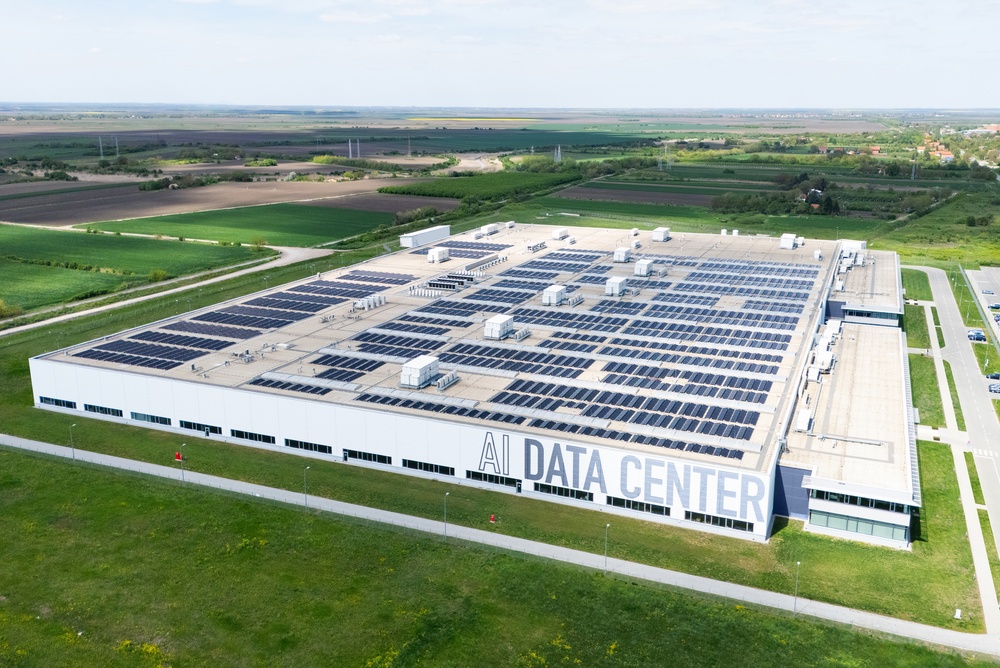
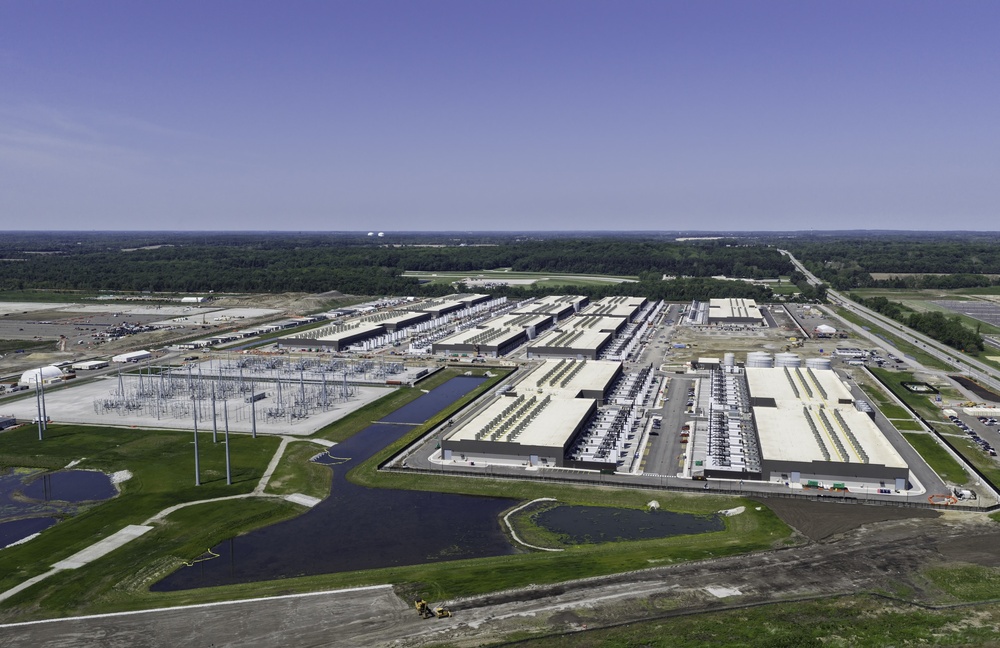
According to plans submitted by Atlanta-based DC BLOX, the project would begin with a facility covering roughly 70,000 square feet before expanding with a second building measuring approximately 261,000 square feet. Combined, the campus would operate as a 50-megawatt data center supporting growing digital infrastructure demands.
The breeding habitat for the zoo’s clouded leopards sits only a few hundred feet from the proposed development.
Zoo President and CEO Rick Schwartz has described the situation as unprecedented, saying he is unaware of any other accredited American zoo publicly opposing a data center planned directly beside its property.
Why Noise Matters More Than Most People Realize

Many people imagine data centers as silent buildings filled with rows of computers.
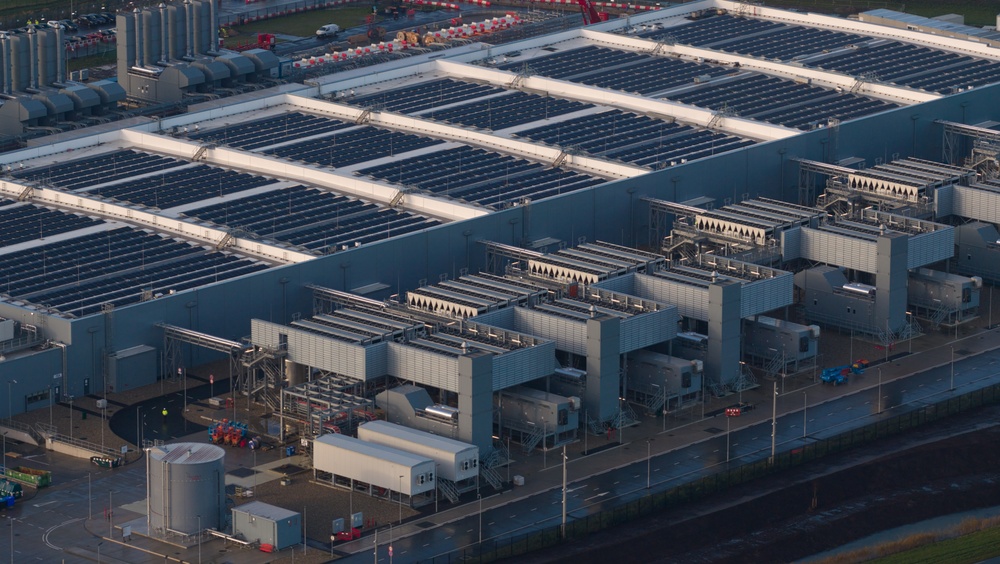
In reality, they require extensive cooling equipment, ventilation systems, backup generators, electrical infrastructure, and security lighting that operate around the clock.
While modern facilities have become more efficient, they still generate a steady background hum that experts say animals may experience very differently than humans do.
Heather Kostick, associate director of the Penn Center for Science, Sustainability, and the Media, explained that many species hear frequencies outside the range of human hearing. That means sounds that seem insignificant to people may create constant sensory disturbances for wildlife.
She noted that elephants and cassowaries communicate through low-frequency vibrations that humans often cannot detect. Continuous industrial noise may interfere with these natural communication systems.
Zoo officials believe similar concerns apply to clouded leopards.
Their breeding program relies heavily on reducing stress during early development. Cubs are hand-raised to improve survival rates before being carefully introduced to future breeding partners while they are still young. Early introductions reduce aggression and improve reproductive success later in life.
Staff members fear that persistent vibration, mechanical noise, and artificial lighting could disrupt behaviors that have taken decades to understand and refine.
The concern is not limited to one species.
More than 3,000 animals live at the Nashville Zoo, including endangered okapis, rhinos, elephants, birds, reptiles, and amphibians. Each species responds differently to changes in its surroundings, making it difficult to predict how a nearby industrial facility could affect the zoo as a whole.
The Biggest Challenge Is What Scientists Still Don’t Know
One of the central arguments in this dispute revolves around uncertainty.
Neil Carter, an associate professor at the University of Michigan’s School for Environment and Sustainability, noted that very little scientific research has directly examined how data centers influence nearby wildlife.
That leaves both supporters and opponents working with limited evidence.
Zoo leaders argue that the lack of long-term studies should encourage caution, particularly when endangered species are involved.
DC BLOX sees the same absence of evidence differently.
The company maintains there is currently no scientific proof demonstrating that its planned facility would harm zoo animals. It also points to previous industrial activity on the same property, including a much smaller data center that operated years ago without documented impacts on wildlife.
Rick Schwartz rejects that comparison.
According to him, the earlier facility occupied only a small room inside an existing building and bears little resemblance to the large campus now being proposed.
That disagreement highlights a broader issue emerging across the United States.
Artificial intelligence has dramatically accelerated demand for computing power. Companies are racing to build larger facilities capable of processing enormous volumes of information. Yet environmental research examining the long-term effects of these developments is still catching up.
Costa Samaras, director of Carnegie Mellon University’s Scott Institute for Energy Innovation, believes this dispute reflects challenges communities across America are increasingly facing.
Residents are asking questions about electricity demand, water consumption, noise pollution, emissions, and environmental impacts before projects receive final approval.
The Debate Extends Beyond Animal Welfare
Although the clouded leopard has become the symbol of the campaign, the zoo says its concerns reach much further.
Officials have also questioned whether the surrounding electrical infrastructure can comfortably support another major energy consumer.
The proposed 50-megawatt facility would require enough electricity to power tens of thousands of homes.
Samaras estimated that in Tennessee, one megawatt can supply around 630 average households. Using that calculation, the completed data center could consume electricity comparable to approximately 31,500 homes.
Zoo leaders point to previous power outages that have already complicated animal care.
During an ice storm earlier this year, the zoo experienced a prolonged loss of electricity that affected normal operations. Officials worry additional demand could increase pressure on the local grid during future emergencies.
Water management also remains part of the discussion.
The zoo says its stormwater retention system already filters runoff from nearby industrial properties. Tributaries flowing through the grounds support local wildlife, including the federally protected Nashville crayfish.
Environmental advocates argue that any increase in runoff or infrastructure development deserves careful evaluation before construction moves forward.
At the same time, DC BLOX says many of those concerns have already been addressed within its design.
The company plans to use a closed-loop cooling system intended to minimize water consumption while limiting sound levels at the property boundary to approximately 65 decibels, comparable to the noise level inside a typical business office.
It also says lighting will be designed to reduce unnecessary light pollution and that the project will comply with federal, state, and local environmental regulations.
Public Support Has Grown At An Extraordinary Pace

Few local land-use disputes attract national attention.
This one has become an exception.
Within weeks of launching its petition, the Nashville Zoo collected more than 520,000 signatures from supporters concerned about the proposed development.
The campaign has also received backing from celebrities and political leaders across the ideological spectrum.
Country music star Brad Paisley described the proposal as “an absolute nightmare,” while Tennessee lawmakers from both parties have urged officials to reconsider the location. Nashville Mayor Freddie O’Connell has gone even further by supporting efforts that could allow the city to acquire the property and by backing measures that would temporarily pause approval of large data centers while regulations are reviewed.
For many residents, the issue has become about more than one construction project.
It represents a broader question about how cities balance rapid technological growth with environmental protection, conservation, and quality of life.
A Nationwide Expansion Is Fueling Similar Conflicts
The Nashville Zoo dispute is unfolding against the backdrop of a historic boom in data center construction across the United States.
Artificial intelligence has dramatically increased demand for computing capacity. Every AI chatbot response, cloud storage request, streamed video, and online transaction depends on servers housed inside facilities that consume vast amounts of electricity.
Technology companies and infrastructure developers are investing billions of dollars to expand those networks. Thousands of data centers already operate across the country, with many more proposed as AI adoption accelerates.
Communities from Virginia to Texas, Michigan, Pennsylvania, and Tennessee have raised concerns over the pace of that expansion. Residents have questioned whether existing regulations are keeping up with the industry’s growth, particularly when projects are proposed near neighborhoods, schools, parks, or environmentally sensitive areas.
The Nashville proposal has drawn exceptional attention because of its location.
Few developments place a large industrial project so close to an accredited zoo that houses endangered species.
That combination has made the issue easier for the public to understand.
Instead of debating technical discussions about electricity infrastructure, people are looking at the image of a clouded leopard cub living only a short distance from a facility designed to operate day and night.

DC BLOX Says The Project Can Coexist With The Zoo
While opponents have focused on potential environmental risks, DC BLOX insists the project has been misunderstood.
Company executives say the proposed facility has been designed with environmental safeguards from the beginning.
According to DC BLOX, the campus will use closed-loop cooling technology to reduce water consumption and include measures that limit light spill beyond the property. Sound levels at the site boundary are expected to remain around 65 decibels, a level the company compares to the background noise inside a typical office building.
Company representatives have also emphasized that the first phase of construction is intended primarily as a communications hub supporting regional internet traffic rather than an AI supercomputing facility.
Chris Gatch, the company’s chief revenue officer and executive vice president, has said DC BLOX never believed the project would create unsafe conditions for zoo animals.
He also acknowledged that more conversations with local stakeholders could have taken place before permit applications were submitted, but maintained that the company intends to continue working with city officials and zoo leadership.
DC BLOX argues that modern communities increasingly depend on digital infrastructure.
Hospitals, schools, emergency services, financial institutions, businesses, and millions of internet users all rely on reliable computing facilities.
From the company’s perspective, expanding that infrastructure is becoming an essential part of economic development.
City Leaders Are Now Rethinking Existing Rules
The controversy has exposed another challenge facing many American cities.
Current zoning regulations often were written long before modern AI data centers became common.
In Nashville, data centers have not been clearly defined as a separate land-use category within zoning rules. That has complicated decisions about environmental reviews and permit approvals.
Council members have responded by proposing temporary restrictions while new regulations are considered.
Mayor Freddie O’Connell has also supported efforts that could allow the city to acquire the property adjacent to the zoo, preventing the project from moving forward in its current form.
Those proposals remain under consideration, and the final outcome is still uncertain.
Urban planners say similar conversations are taking place nationwide.
Rather than debating whether data centers should be built at all, many communities are asking where they should be located and what standards should govern future developments.
Some industry experts have suggested creating dedicated industrial zones for large data centers, placing them farther from residential neighborhoods, wildlife habitats, and other sensitive locations.
The Clouded Leopard Has Become A Powerful Symbol
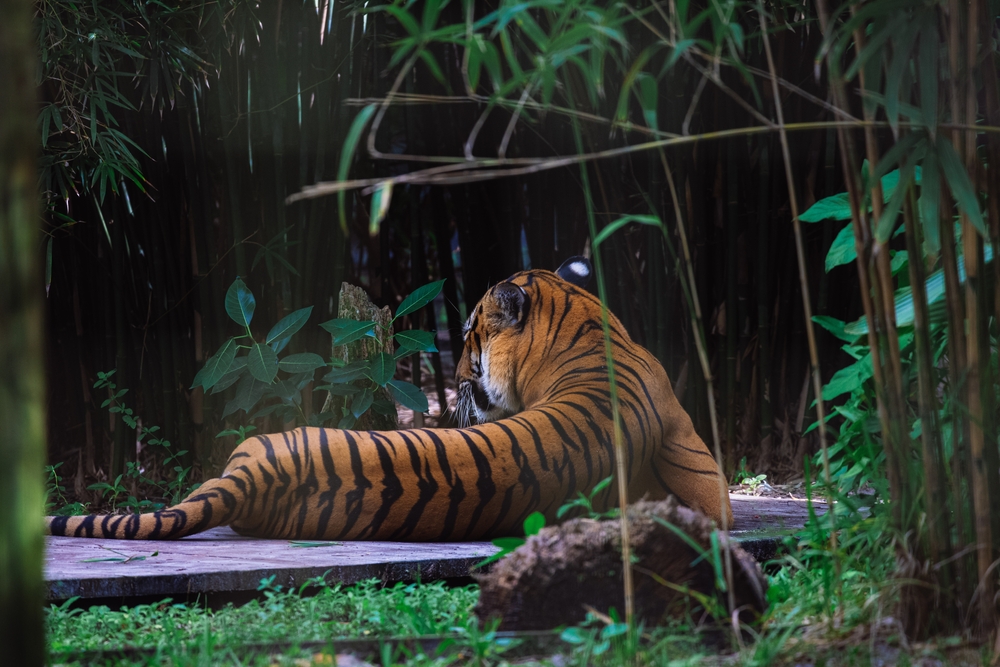
The Nashville Zoo’s campaign has resonated because it combines a complex infrastructure issue with a conservation story people immediately understand.
Clouded leopards are listed as vulnerable in the wild. Habitat loss, poaching, and declining populations continue to threaten the species across parts of Asia.
Captive breeding programs play an important role in maintaining healthy genetic populations while researchers continue supporting conservation efforts in the animals’ native range.
Zoo officials argue that decades of work could become more difficult if environmental conditions surrounding the breeding program change significantly.
Supporters have repeatedly pointed to the zoo’s newest cubs as evidence of what could be at stake.
The campaign has encouraged hundreds of thousands of people to sign petitions, contact elected officials, and follow local planning decisions that might otherwise have received little public attention.
For many supporters, the debate extends beyond one zoo or one city.
It reflects growing concern about how technological progress should be balanced with wildlife conservation and environmental stewardship.
Technology And Conservation Do Not Have To Be Opposing Goals
Few people involved in the debate argue that society no longer needs data centers.
Artificial intelligence, cloud computing, and digital communication have become deeply woven into everyday life. Demand for additional computing power is expected to continue growing for years.
The larger question is whether those facilities can be planned in ways that minimize conflict with surrounding communities and sensitive ecosystems.
Experts say that will require stronger environmental assessments, clearer zoning policies, earlier public engagement, and more research into how industrial infrastructure affects wildlife.
The Nashville dispute may ultimately contribute to that conversation regardless of how the project is resolved.
Local officials, technology companies, environmental organizations, and conservation experts are now discussing issues that have received relatively little attention despite the rapid growth of AI infrastructure.
Those discussions could influence future projects well beyond Tennessee.
The clouded leopard cubs currently being hand-raised at the Nashville Zoo cannot shape zoning laws or environmental policy.
Their story has done something almost as powerful.
It has reminded people that every major technological advance carries choices about where it belongs, how it is built, and what should be protected along the way. As cities prepare for an increasingly digital future, the decisions made today may determine whether innovation and conservation move forward together rather than competing for the same ground.