
Your cart is currently empty!
AI Data Centers Face Growing Backlash as 14 States Push to Slow Their Expansion
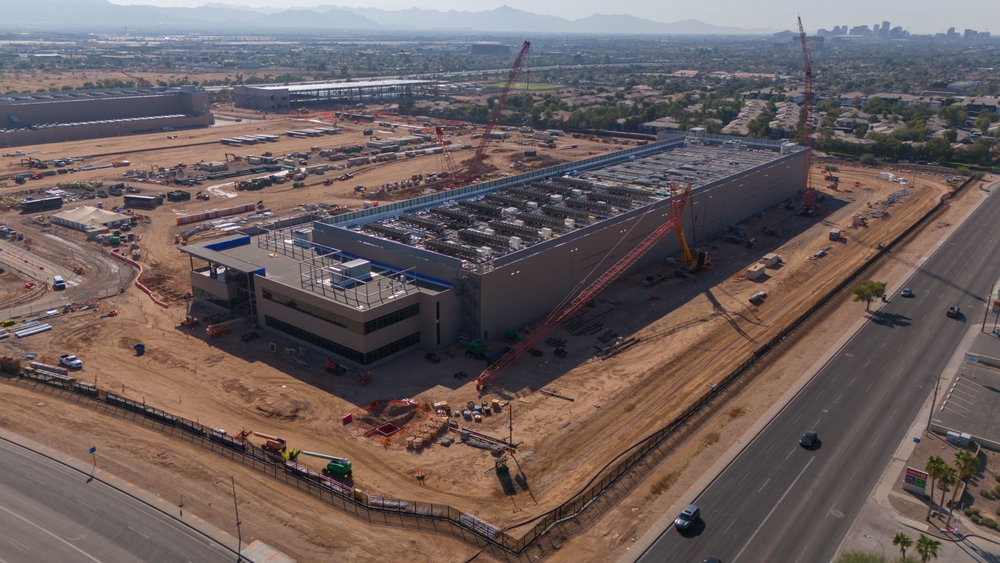
The artificial intelligence boom has sparked one of the biggest infrastructure races in modern history, with tech giants investing billions of dollars in massive data centers to power everything from AI chatbots to cloud computing and online services. These sprawling facilities have become the backbone of the digital economy, but their rapid expansion is now triggering an equally powerful backlash. Across the United States, lawmakers, local governments, and residents are increasingly questioning whether the rush to build data centers is placing too much pressure on power grids, water supplies, and surrounding communities. What was once viewed as an unquestioned sign of technological progress has quickly become one of the country’s most divisive development issues.
Contents
show
That growing concern is translating into action. At least 14 states are now considering legislation that would temporarily halt or restrict the construction of new data centers, while several cities have already approved moratoriums or permanent bans of their own. Public opposition is also climbing as residents worry about rising electricity bills, environmental impacts, and whether local communities are benefiting from projects that consume enormous amounts of energy and natural resources. The debate has expanded well beyond technology, becoming a broader conversation about who should bear the costs of America’s AI revolution.
Why Data Centers Are Suddenly Under Fire

Data centers have existed for decades, but the explosion of artificial intelligence has dramatically increased demand for new facilities. Every AI model, cloud application, streaming service, and online platform relies on thousands of powerful computer servers operating around the clock. As companies race to build increasingly sophisticated AI systems, they also need larger campuses filled with processors, networking equipment, and advanced cooling systems capable of handling enormous workloads.
That rapid growth comes with significant resource demands. According to a recent United Nations report, data centers worldwide are expected to consume twice as much electricity and water by 2030 as they do today. In 2025 alone, they used approximately 448 terawatt-hours of electricity globally, with artificial intelligence accounting for roughly one-fifth of that total. The facilities also consumed around 4.5 trillion liters of water and generated an estimated 189 million tons of carbon dioxide emissions, highlighting the environmental challenges accompanying AI’s expansion.
The United States has become the center of this construction boom. More than 4,300 data centers are already operating nationwide, and industry forecasts suggest electricity demand will continue climbing rapidly over the next several years. Research from 451 Research estimates that power demand from IT equipment, cooling systems, lighting, and related operations could increase from 75.8 gigawatts in 2025 to more than 134 gigawatts by 2030. Those figures do not even include every planned development, meaning future demand could climb even higher if current construction continues.
Supporters argue these facilities create jobs, generate tax revenue, and strengthen America’s position in the global AI race. Critics counter that many projects require vast amounts of electricity and water while offering relatively few permanent jobs once construction is complete. That disagreement has fueled a growing political movement calling for governments to slow development until regulators better understand the long-term consequences.
Public Concern Is Turning Into Political Action
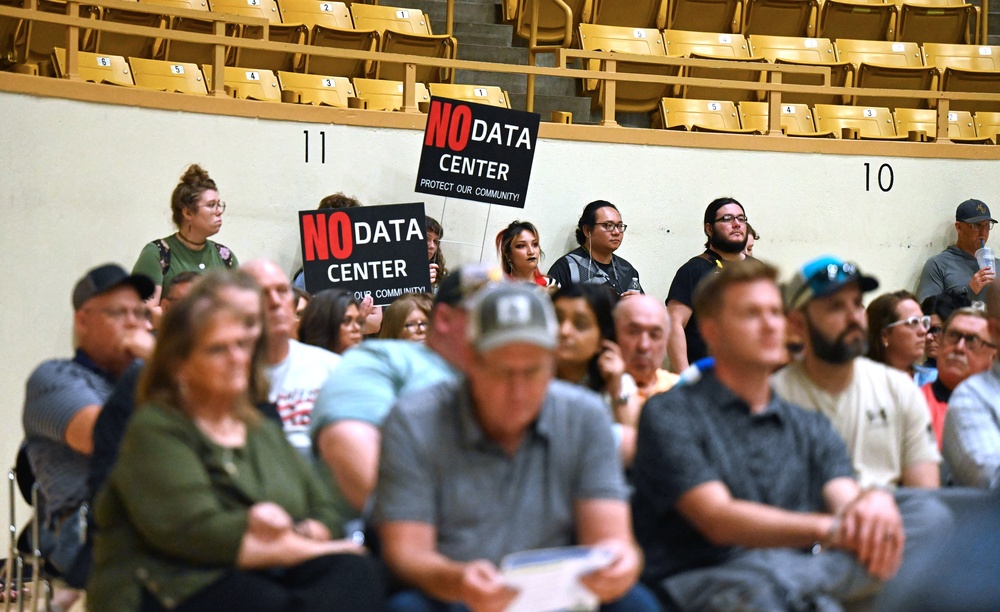
The growing resistance is no longer limited to environmental groups or local activists. State legislatures across the country are now debating whether existing regulations are sufficient to manage the rapid expansion of AI infrastructure. According to research from the National Conference of State Legislatures, lawmakers in at least 14 states are considering moratoriums or other restrictions on new data center development, although many of those proposals remain under debate.
Public opinion appears to be moving in the same direction. A recent Gallup survey found that roughly 70 percent of Americans oppose building data centers in their own communities, with more than half expressing strong opposition. Concerns range from increased utility costs and strain on local electrical grids to water consumption, traffic, noise, and the environmental footprint created by facilities operating twenty-four hours a day.
Many legislators are not calling for permanent bans. Instead, they want temporary pauses that allow independent studies examining how data centers affect electricity prices, water availability, land use, and local infrastructure before approving additional projects. Supporters argue that governments have moved too slowly to regulate an industry expanding at an unprecedented pace, while opponents warn that delaying construction could discourage investment and weaken America’s leadership in artificial intelligence.
Despite those competing views, one trend has become increasingly clear. Communities that once welcomed technology investment without hesitation are beginning to demand greater oversight, more transparency, and stronger protections before approving another wave of billion-dollar developments.
New York Could Become the First State to Press Pause

New York has become the focal point of the national debate after lawmakers approved legislation that would establish a one-year moratorium on the construction of large data centers. Known as the Responsible Data Center Development Act, the proposal was passed during the closing days of the state’s 2026 legislative session and now awaits a decision from Governor Kathy Hochul.
Rather than permanently blocking new projects, the legislation would temporarily halt the development of hyperscale data centers consuming more than 20 megawatts of electricity. During that period, state officials would evaluate how these facilities affect energy infrastructure, water supplies, environmental goals, and nearby communities while developing clearer standards for future projects. The bill also includes requirements for public hearings, environmental impact reports, new electricity and water pricing categories, community benefit programs, energy efficiency targets, and labor protections.
State Senator Kristen Gonzalez, who helped author the legislation, said the goal is to ensure technology companies are held accountable as AI infrastructure continues expanding. “Technology should improve people’s lives, not drive up utility bills, strain our energy grid, or undermine our climate goals,” Gonzalez said when introducing the proposal. She argued that New York needs a comprehensive plan for responsible data center development before allowing another surge in construction.
Governor Hochul has not yet announced whether she will sign or veto the measure. Her administration has indicated she is reviewing the legislation while also advancing separate proposals requiring data centers to contribute more toward the costs of the electrical infrastructure they depend on. Whatever decision she makes could influence similar legislation already being debated across the country.
The 14 States Considering Data Center Restrictions
While data centers continue to attract billions of dollars in private investment, lawmakers across the country are increasingly questioning whether existing regulations are enough to protect consumers and local infrastructure. According to the National Conference of State Legislatures, at least 14 states are now considering legislation that would temporarily halt, restrict, or more closely regulate the construction of new data centers. Although many of the proposals differ in scope, most share a common goal of giving policymakers time to study the long-term effects of these energy-intensive facilities before approving additional projects.
Some proposals would establish temporary moratoriums, while others would require environmental studies, new utility pricing structures, or stricter permitting requirements. Several bills have already stalled or failed to advance, highlighting the divide between lawmakers who see data centers as economic opportunities and those who believe stronger oversight is urgently needed. Maine appeared poised to become the first state to approve a statewide ban before Governor Janet Mills vetoed the legislation earlier this year, but similar proposals remain active elsewhere.
The states currently considering legislation include:
- Georgia
- Maine
- Maryland
- Michigan
- Minnesota
- New Hampshire
- New York
- Oklahoma
- Pennsylvania
- South Carolina
- South Dakota
- Vermont
- Virginia
- Wisconsin
North Carolina has also proposed tighter regulations for future data center developments, although it is pursuing stricter oversight rather than a formal moratorium. As AI investment continues accelerating, additional states could soon introduce similar measures if concerns over energy demand and rising utility costs continue to grow.
California Residents Deliver a Historic Vote

The strongest public rejection of data center expansion has come from Monterey Park, California, where residents voted overwhelmingly to prohibit future facilities within city limits. Nearly 90 percent of voters supported the ballot initiative, making Monterey Park the first known city in the United States to permanently ban data center development through a public vote.
The campaign was driven by concerns that local residents were informed about a proposed project only after planning was already well underway. Community members argued they had little opportunity to voice concerns before decisions affecting their neighborhoods had effectively been made. Many feared the facilities would consume large amounts of electricity and water while increasing costs for local households without providing enough long-term benefits.
City Councilmember Jose Sanchez described the result as a decisive message from voters. “This shows unequivocally that residents in Monterey Park do not want data centres in their community,” he said after the election. Sanchez also expressed hope that other communities would view Monterey Park’s decision as a model for protecting local interests before large technology developments move forward.
The vote reflects a broader shift occurring across the country. Instead of simply accepting data centers as symbols of economic development, many communities are demanding greater transparency, stronger environmental protections, and more meaningful public involvement before projects receive approval.
Wisconsin and Other Cities Are Following Suit
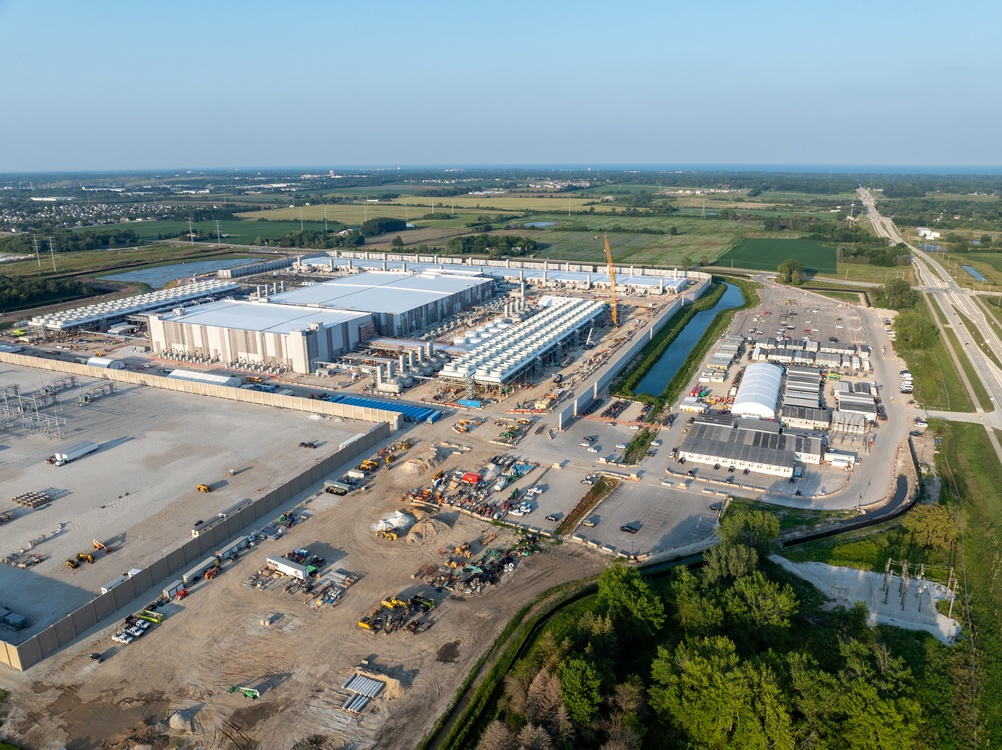
California is no longer the only place where residents are seeking greater control over data center development. In Wisconsin, voters in Port Washington recently approved a measure requiring local officials to obtain public approval before offering tax incentives to companies building new facilities. The decision signals growing skepticism about whether generous financial incentives are justified without broader community support.
Another Wisconsin community may soon take an even bigger step. Residents in Janesville are expected to vote on a proposal requiring voter approval for any future data center project valued at more than $450 million. Rather than allowing local governments to negotiate projects independently, supporters argue taxpayers should have a direct say when developments of that size are proposed.
Seattle has also joined the growing movement by approving a one-year moratorium on new data center construction while city leaders examine long-term planning options. Officials said several projects were already progressing before many residents became aware of them, fueling concerns over electricity demand, neighborhood impacts, and future infrastructure needs.
Although each community has taken a different approach, the message is becoming increasingly consistent. Residents want governments to carefully evaluate the costs and benefits of large AI facilities before approving another wave of construction.
The National Debate Over AI Infrastructure Is Just Beginning
The debate has now reached Washington, D.C., where lawmakers are beginning to weigh the national implications of rapidly expanding AI infrastructure. Senator Bernie Sanders and Representative Alexandria Ocasio-Cortez have introduced legislation proposing a nationwide moratorium on new data center development while broader standards for energy use, environmental protection, and community impacts are considered.
Not everyone agrees with slowing construction. Some members of Congress argue that restricting new data centers could weaken America’s position in the global race for artificial intelligence, particularly as other countries continue investing heavily in digital infrastructure. Industry leaders also warn that delaying projects could reduce economic investment, slow technological innovation, and limit the computing capacity needed to support future AI development.
The competing arguments illustrate how difficult the issue has become. Policymakers must balance the economic opportunities created by AI with concerns about electricity demand, water consumption, environmental sustainability, and the quality of life for nearby residents. Finding that balance is likely to become even more challenging as AI adoption continues accelerating over the next decade.
What began as isolated local disputes has quickly evolved into a nationwide policy debate. Decisions made in states like New York and cities such as Monterey Park could shape how future data centers are approved across the country, determining whether the next phase of America’s AI expansion proceeds at full speed or under much tighter public oversight.