
Your cart is currently empty!
Dallas Airport Considers Dedicated Islamic Washing Stations For Travelers
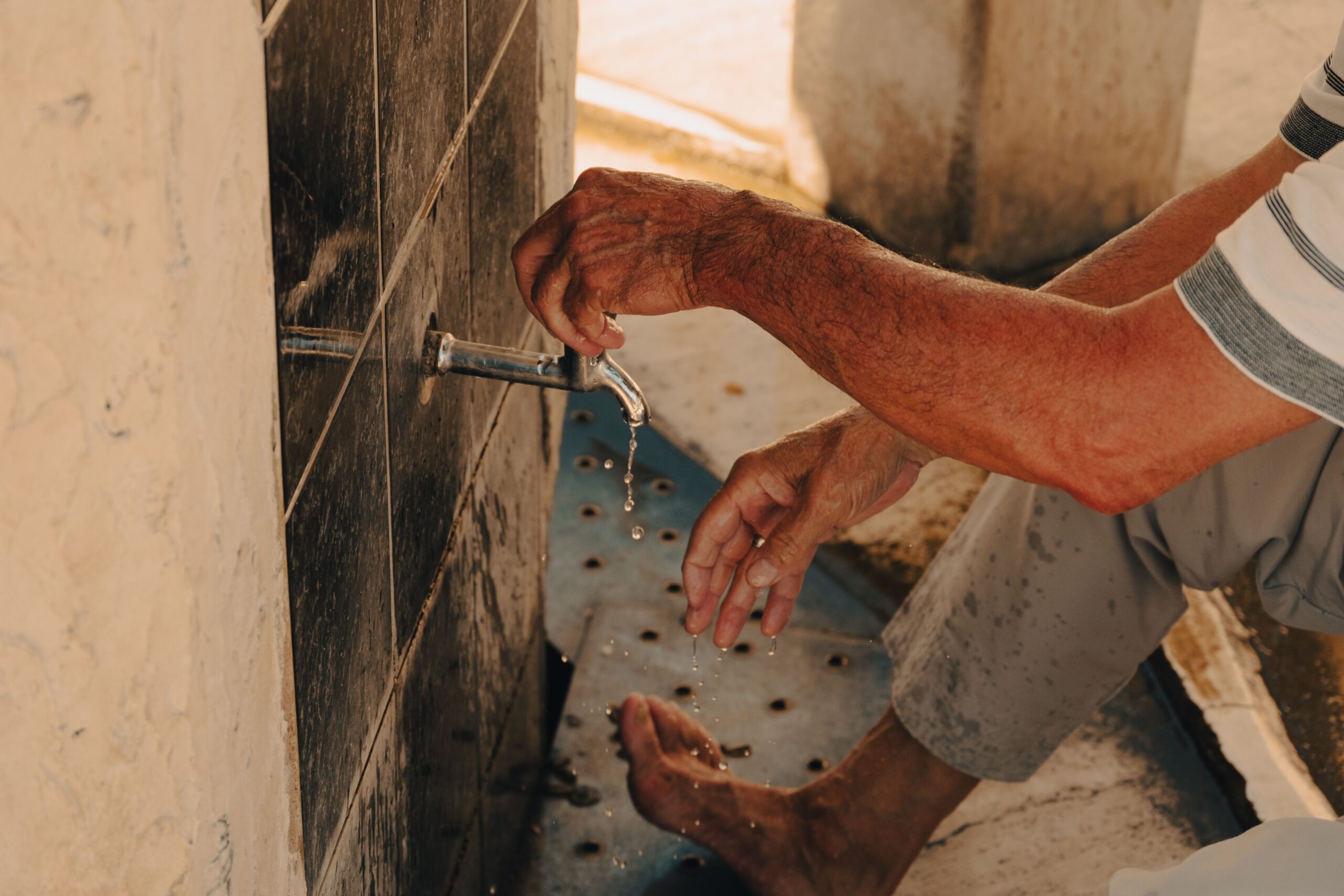
A routine airport plumbing project has suddenly become a flashpoint in an American culture war.
Contents
show
Dallas-Fort Worth International Airport is evaluating plans to add dedicated Islamic ablution stations inside two Terminal D restrooms, a proposal that has drawn both support and criticism online.
The project appeared in a Texas Department of Licensing and Regulation filing registered July 31. The filing describes one men’s station and one women’s station in existing Terminal D restrooms, with an estimated cost of around $300,000.
But there is an important detail getting lost in the viral headlines: DFW says the proposal has not yet been approved.
The airport already has ablution facilities next to its Terminal D interfaith chapel. DFW is now considering whether to expand that service to another set of restrooms.
That distinction has done little to slow the argument surrounding the proposal.
What DFW Is Actually Planning
According to the project filing cited by multiple outlets, the proposed work would add ablution stations to existing concourse-level restrooms in Terminal D.
The plan calls for one station in the men’s restroom and one in the women’s restroom.
The project is privately funded and has an estimated price tag of approximately $300,000. The filing originally described a construction schedule running from the end of August through the end of December.
Terminal D is the airport’s international terminal, making it a particularly relevant location for facilities designed around the needs of international travelers.
The proposed stations are commonly called wudu or ablution stations. They are designed to make the washing required before Islamic prayer easier to perform in a dedicated space.
The project has therefore become a strange combination of religious accommodation, airport maintenance and American political controversy.
But the airport itself has framed the proposal around practical concerns.
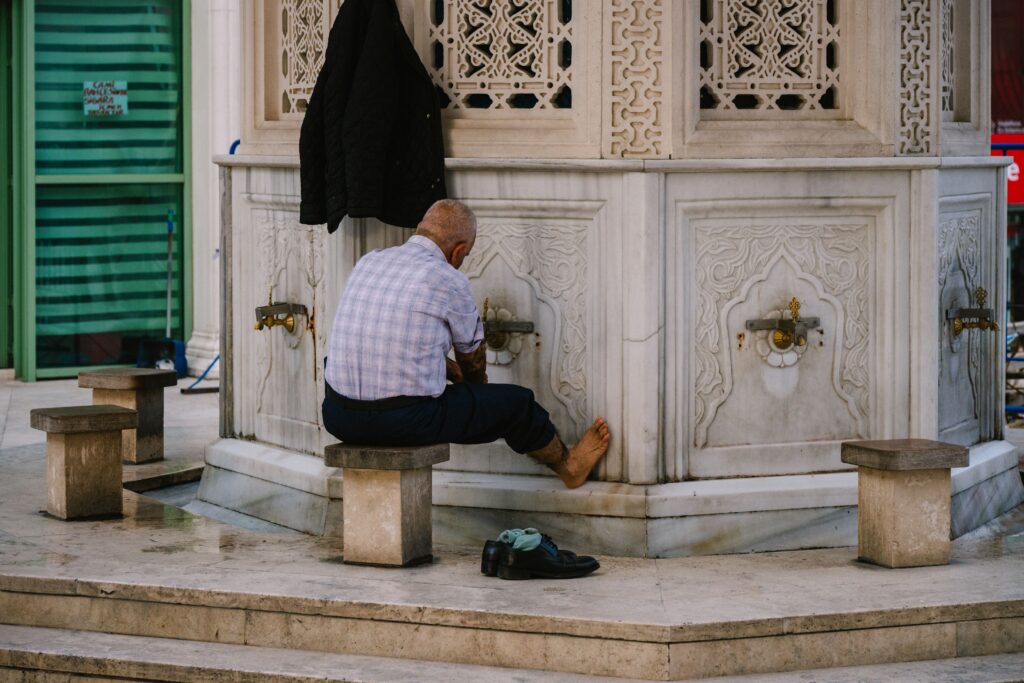
Heath Montgomery, a DFW spokesperson, told The Dallas Morning News that the airport has already offered an ablution station on the post-security side of its international terminal for years.
“Like many international airports across Texas and the country, DFW has offered an ablution washing station on the post-security side of its international terminal for years without concerns,” Montgomery said.
He added that the airport is considering an internal proposal to expand the service to another set of restrooms on the pre-security side of the same terminal.
“The airport is evaluating an internal proposal to expand that service to one additional set of restrooms on the pre-security side of the same terminal,” Montgomery said.
Crucially, Montgomery said the proposal “remains in the evaluation phase and has not been approved.”
That makes the current situation somewhat different from the viral claim that the airport is already moving ahead with a completed installation.
Why The Airport Says It Needs The Stations
The practical issue behind the proposal is surprisingly simple.
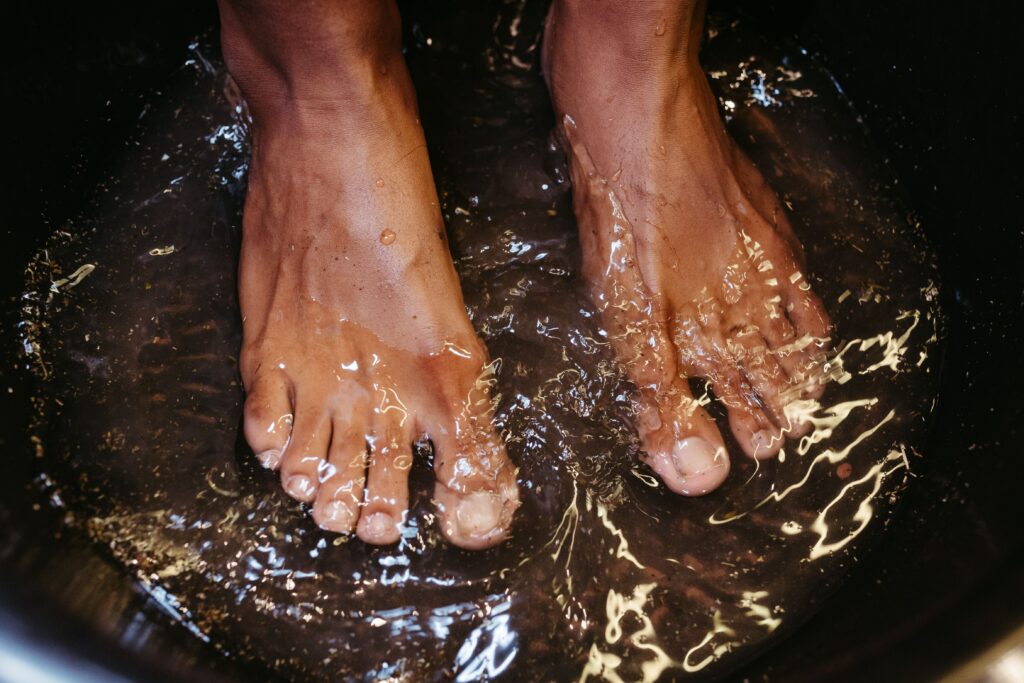
Muslim passengers who perform wudu may need to wash their feet as part of ritual purification before prayer. Conventional public bathroom sinks are not designed for that particular use.
When travelers use ordinary sinks to wash their feet, water can end up on counters and floors.
That can create a maintenance problem in a busy airport restroom.
It can also create a safety issue if water accumulates on a floor where hundreds of travelers may be walking throughout the day.
Dedicated low-level washing basins are designed to solve that problem by giving passengers an appropriate place to perform the washing without turning an ordinary sink area into a makeshift foot-washing station.
That is the argument made by conservative activist Ryan Fournier, who pushed back against some of the criticism directed at DFW.
“People are freaking out over foot-washing stations at DFW, but let’s look at the actual facts before jumping to conclusions. This isn’t about pushing an ideology—it’s basic airport management,” Fournier wrote on social media.
He argued that standard sinks can leave wet floors and damaged counters, while purpose-built basins can contain the water.
“Safety & Plumbing: People washing their feet in standard bathroom sinks creates soaked, slippery floors and breaks the counters. Low-level wudu basins keep the restrooms dry and safe for everyone,” Fournier wrote.
His argument gets at the most mundane part of the entire controversy.
Airports are full of specialized infrastructure because travelers use facilities in ways that ordinary buildings rarely have to accommodate.
International terminals deal with passengers from dozens of countries, languages, cultures and religious traditions.
The question for airport managers is often less about whether a particular practice is familiar to everyone and more about whether the facility can handle it safely.
What Wudu Actually Means
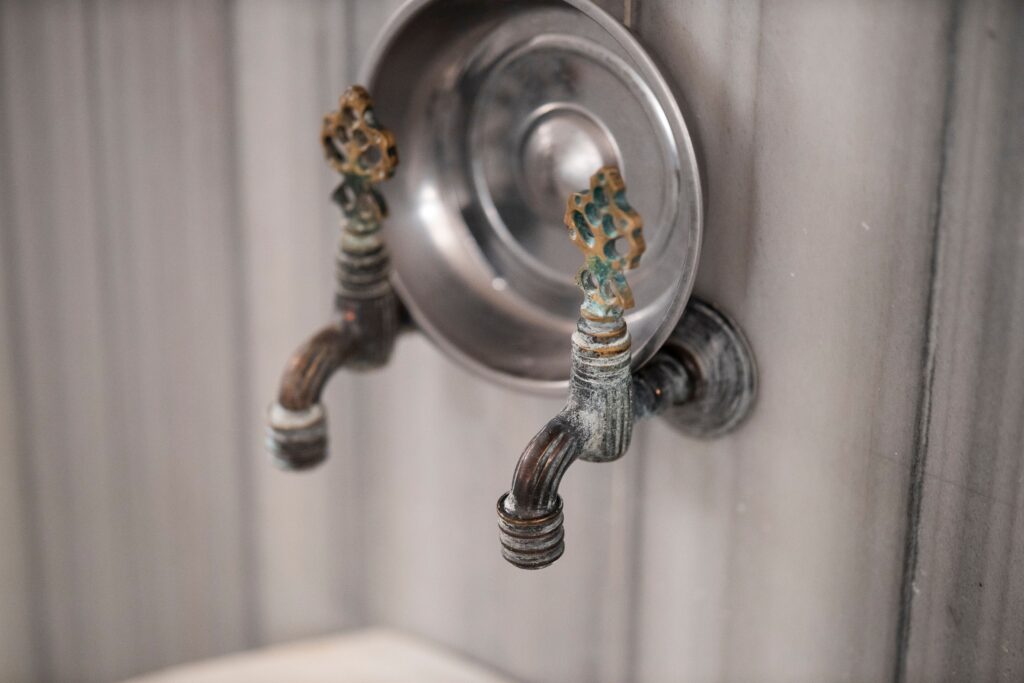
The phrase “Islamic foot-washing station” has become the headline because it immediately grabs attention.
The actual religious practice is more specific.
Wudu is a ritual purification performed by Muslims before certain acts of worship, particularly salah, the five daily prayers.
The process generally involves washing specific parts of the body, including the hands, mouth, nose, face, arms and feet.
Foot washing is therefore one part of a broader purification practice.
For a Muslim traveler trying to observe prayer requirements during a long trip, access to an appropriate washing facility can be a practical consideration.
Airports create a particularly unusual environment for religious observance.
Passengers may spend hours moving through terminals, waiting for connections, dealing with security procedures and crossing time zones. International travelers may also have limited access to familiar facilities while they are in transit.
DFW’s Terminal D already reflects that reality.
The airport opened an expanded interfaith chapel there in 2019. DFW said at the time that the chapel included two ablution stations for ritual purification.
The airport also described its chaplaincy as serving passengers and employees from different faith traditions.
That means the proposed restroom stations would not represent the airport’s first accommodation for Muslim travelers.
Instead, they would expand an existing type of facility into another part of the terminal.
Other Major Airports Already Have Similar Facilities
DFW is also not the first major American airport to provide dedicated places for ablution.
Similar facilities have been reported at airports including Chicago O’Hare and Indianapolis, while Houston’s George Bush Intercontinental Airport has also been cited as having ablution facilities.
That matters because the DFW proposal is sometimes being presented online as though an American airport is suddenly introducing an entirely new category of infrastructure.
It is not.
Major international airports regularly have to consider the needs of passengers who may spend long periods inside terminals while observing religious practices.
DFW itself has had an ablution station at its Terminal D interfaith chapel for years.
The proposed change is primarily about location.
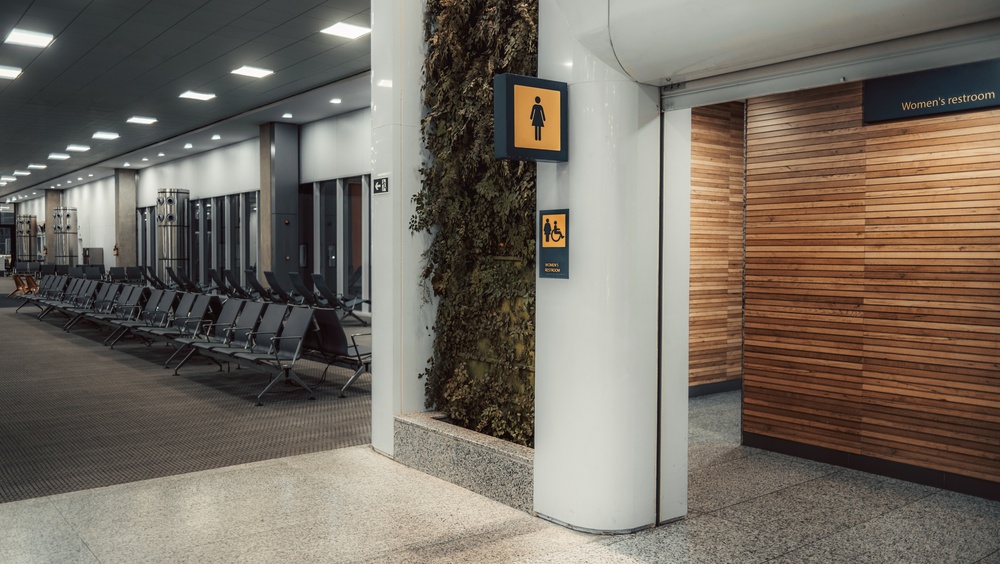
Instead of requiring passengers to reach the chapel area, the additional facilities would be located inside existing men’s and women’s restrooms.
That could make the process more convenient for travelers and could also reduce the temptation to use conventional sinks for a purpose they were not designed to handle.
The distinction is important because the viral discussion often treats the proposal as a debate about whether airports should accommodate Islam.
The airport’s stated position is narrower.
It is evaluating whether existing infrastructure should be adapted to accommodate a practice already occurring among some passengers.
Why The Proposal Has Become So Political

The controversy did not begin with a debate about plumbing.
It became political because the word “Islamic” immediately connected the airport proposal to wider arguments about religion, immigration, public institutions and the role of Islam in American life.
Some conservative commentators have criticized the project.
Natalie Winters, speaking on Real America’s Voice, characterized the development as part of what she described as a wider “Sharia financing” trend.
“Sharia financing is coming to dozens of states, its already being rolled out in Sharia-compliant community centers,” Winters said.
That framing has helped turn an airport renovation proposal into part of a much larger political conversation.
But other conservatives have rejected that interpretation.
Fournier argued that people should look at the practical purpose of the stations before assigning a broader ideological meaning to them.
His position is notable precisely because the controversy has not broken down neatly along political lines.
The same proposal can be interpreted as a religious accommodation by one person and as a basic sanitation improvement by another.
Both interpretations are shaping the online conversation.
The underlying disagreement is really about what the infrastructure represents.
For supporters, a dedicated station is simply a practical response to a known use of airport facilities.
For critics, the addition of explicitly Islamic infrastructure can feel like an institutional endorsement of a particular religious practice.
The airport’s existing facilities complicate the latter argument because DFW has already provided ablution access near its interfaith chapel.
The current proposal would expand that existing service rather than introduce it from scratch.
The $300,000 Price Tag Is Drawing Attention

The estimated cost has become another talking point.
The proposed project is valued at approximately $300,000, according to the filing.
That figure can sound striking when attached to what appears, at first glance, to be a relatively small bathroom modification.
But the project involves construction inside an operating international airport.
The filing describes alterations to existing restroom facilities rather than simply placing a standalone basin somewhere in a terminal.
The cost is also privately funded, meaning the sources provided do not describe the $300,000 estimate as a taxpayer-funded expenditure.
That point has been emphasized in coverage because public spending can quickly become part of debates over airport amenities.
DFW is a massive transportation operation, and terminal construction can involve plumbing, electrical work, accessibility requirements, demolition, finishes and other infrastructure costs beyond the visible fixture itself.
The public discussion, however, has focused mostly on the purpose of the stations rather than the mechanics of construction.
That is understandable.
A specialized foot-washing basin is easy to picture. The work required to install and maintain one inside an international airport is less obvious.
The Real Issue May Be Wet Floors
There is an irony at the center of the controversy.
The religious purpose of the proposed stations is what has made them politically explosive.
The operational reason for installing them may be much less controversial.
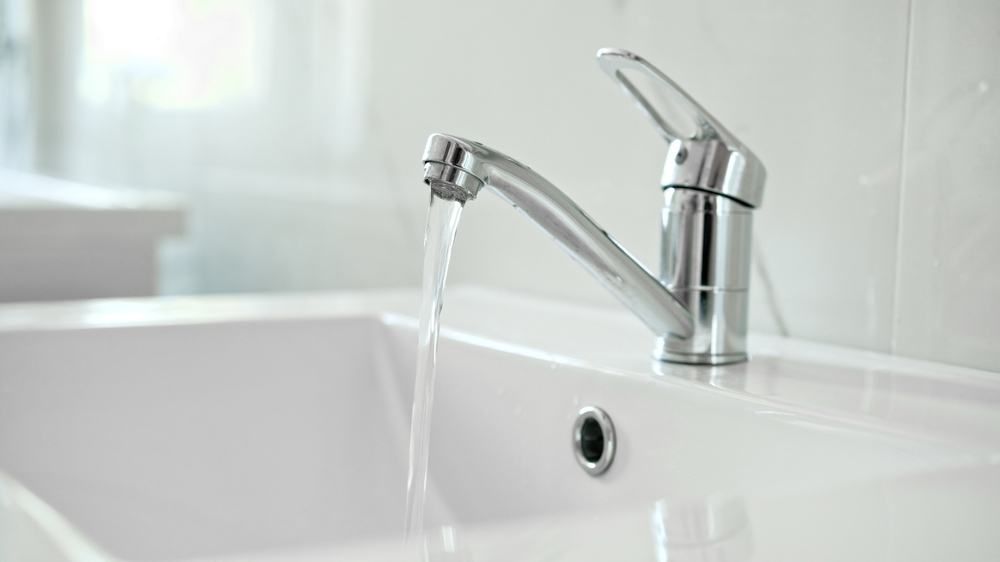
If passengers are already washing their feet in conventional sinks, airport managers have to deal with the consequences.
Water on the floor can create slip hazards.
Repeated foot washing can also put additional strain on bathroom fixtures that were not designed for that use.
A purpose-built station provides a controlled area for the practice.
That means the same facility can be understood in two very different ways.
It is a religious accommodation because it makes wudu easier.
It is also a plumbing and maintenance solution because it provides a more appropriate place to perform the washing.
Those two facts do not necessarily contradict each other.
In fact, they explain why airports have increasingly incorporated specialized facilities into international terminals.
Airports are unusual public spaces.
They bring together travelers who may have completely different expectations about food, prayer, clothing, language, family arrangements and personal routines.
The infrastructure has to cope with that diversity while maintaining basic safety and operational standards.
That is why airports contain facilities that might seem unnecessary in a conventional shopping center or office building.
The more international the passenger base becomes, the more varied those requirements can be.
Terminal D Is A Logical Location
The proposed stations are planned for Terminal D, and the choice is not difficult to understand.
Terminal D handles many of DFW’s international operations.
International travelers are more likely to include passengers who follow religious practices that may be less common in the surrounding population.
That does not mean every Muslim passenger will need an ablution station.
It simply means an international terminal is more likely to encounter the practice often enough for dedicated infrastructure to make operational sense.
DFW already recognized that need when it installed ablution facilities beside the Terminal D interfaith chapel.
The airport’s own statement that it has offered such a facility for years without concerns also undercuts the idea that this represents a sudden transformation.
The proposed expansion would place another facility closer to restroom users.
That could be particularly useful for passengers who do not want to cross a terminal to reach the chapel area before prayer.
It could also help airport staff by moving a potentially messy activity into a space specifically designed for it.
The Broader Debate Over Religious Accommodation
The DFW dispute taps into a question that extends far beyond airport bathrooms.
Public facilities in the United States routinely make accommodations for different needs.
Some are based on disability access.
Others address family needs, medical requirements, dietary practices or religious observance.
The difficult question is where reasonable accommodation ends and perceived institutional endorsement begins.
That question can become particularly charged when the religion involved is Islam.
American debates over Islam have repeatedly been tied to broader arguments about immigration, national identity and fears surrounding extremism.
Those debates can make an ordinary infrastructure decision carry political meaning that airport administrators may not intend.
The DFW case illustrates how quickly that can happen.
A bathroom fixture can become a symbol in a national argument.
For Muslim travelers, meanwhile, the issue is much more ordinary.
A dedicated washing station is a facility that makes a familiar religious practice easier to perform while traveling.
The airport’s operational concern is ordinary too.
If water is regularly ending up on restroom floors, a purpose-built washing station offers a straightforward way to manage it.
The same facility can therefore satisfy both a religious need and an operational need.
DFW Already Has A History Of Interfaith Facilities
The airport’s existing Terminal D chapel provides another piece of context that has received less attention in the viral discussion.
When DFW reopened the chapel in 2019, the airport said the renovated space included improved amenities and two ablution stations.
The chapel is part of a broader interfaith program.
DFW said its chaplaincy serves customers, military members and airport employees while providing spaces for worship and reflection across different faith traditions.
The Terminal D chapel also hosts Juma prayer on Fridays, according to the airport’s archived announcement.
That history shows the airport has already been accommodating religious practices for years.
The proposed restroom stations would therefore fit into an existing pattern rather than creating an entirely new policy.
The difference is that the new facilities would be inside ordinary restrooms.
That change is what has attracted attention.
Why The Story Has Become So Easy To Misread
There is a natural tendency for viral headlines to compress complicated stories into a few provocative words.
“Islamic foot-washing stations” is far more attention-grabbing than “airport evaluates additional ablution facilities to address passenger sanitation concerns.”
The first phrase creates an immediate cultural question.
The second sounds like a facilities-management memo.
Yet both describe the same proposal.
The challenge for readers is separating the factual development from the political interpretation layered on top of it.
The documented facts are relatively straightforward:
- The proposed facilities would be in Terminal D.
- One men’s station and one women’s station are described in the filing.
- The estimated cost is approximately $300,000.
- The project is privately funded.
- The facilities are intended for ablution, commonly called wudu.
- DFW already has ablution facilities near its Terminal D interfaith chapel.
- The airport says the proposed expansion remains under evaluation and has not been approved.
That last point is especially important.
The project can be controversial without being finalized.
People can debate the policy without pretending the airport has already completed the work.
And passengers can disagree about the symbolism while still recognizing the practical problem of water being left around conventional sinks.
The Airport Has A Practical Decision Ahead
DFW now has to decide whether the additional stations are worth building.
The airport has already indicated the proposal is intended to support safe and sanitary access while accommodating its growing operations.
If officials approve it, the project would add another layer of religious accommodation to a terminal that already includes an interfaith chapel and existing ablution facilities.
If they do not, the existing facilities would remain available.
Either way, the debate surrounding the proposal has already revealed something about modern American airports.
These facilities are no longer simply places where passengers check bags, pass security and board planes.
They are temporary public spaces where people from different cultures and religions spend hours together.
That creates practical questions about how infrastructure should respond to a diverse passenger population.
In DFW’s case, the immediate question happens to involve a sink.
The political argument surrounding it is considerably larger.
For now, though, the most important fact is also the simplest: DFW is evaluating the proposed restroom stations, but the airport says the expansion has not yet been approved.
That is where the story stands, regardless of how loudly the internet debate continues.