
Your cart is currently empty!
Honolulu Student Finds Fungi That Could Break Down Plastic and Sunscreen
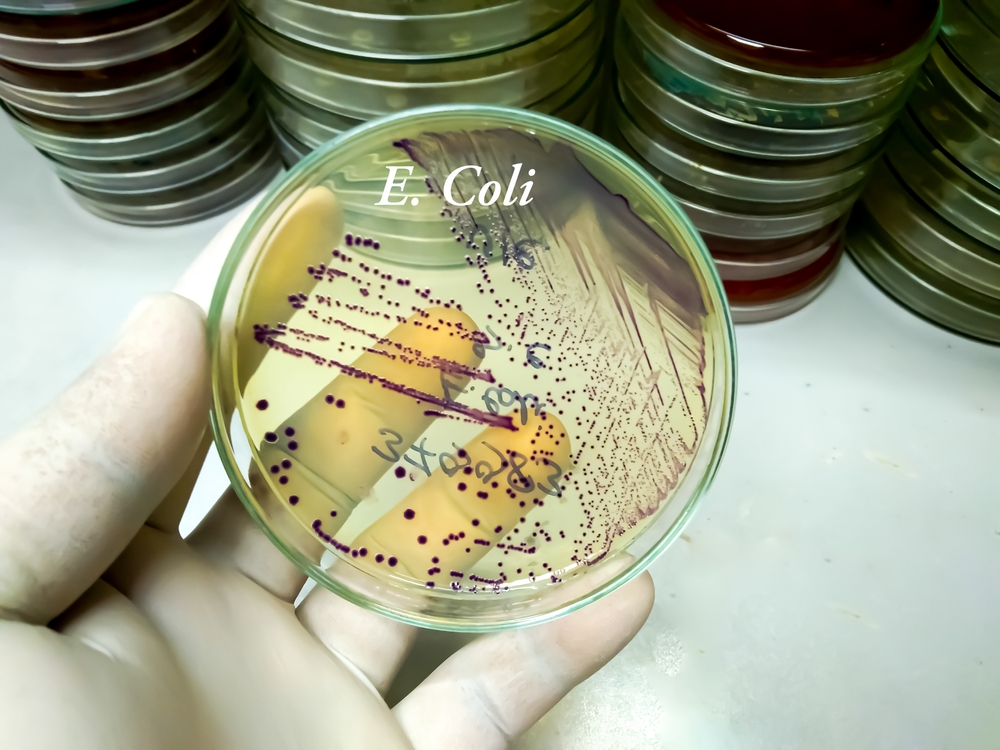
What happens after pollution is pulled out of the ocean but remains trapped inside a filter? That question sent a Honolulu high school student from a homemade coconut-fiber experiment into a university laboratory, where researchers found fungi capable of breaking down plastic and chemical sunscreen.
Contents
show
Vera Wang’s project produced another surprise along the way. Some of the fungi growing in the coconut husks did not match entries in a major genetic reference database, raising the possibility that previously undescribed organisms may be involved.
It Started With a Homemade Filter
Wang was a sophomore at Henry J. Kaiser High School in Honolulu when she began trying to remove microplastics and chemical sunscreen from seawater. She built a filter using coconut byproducts and coarse husk fiber, which trapped the pollutants effectively enough to win prizes from five separate organizations.
Her school’s science fair coordinator called the research “scientifically sound and creative.”
But Wang soon recognized that catching pollution was only half the job because the particles and chemicals were still sitting inside the wet filter.
She wanted to know whether something could break those pollutants down after they had been captured. That question brought her to Anthony Amend’s laboratory at the University of Hawaiʻi at Mānoa’s Pacific Biosciences Research Center.
More Than 60% of Marine Fungi Ate Plastic
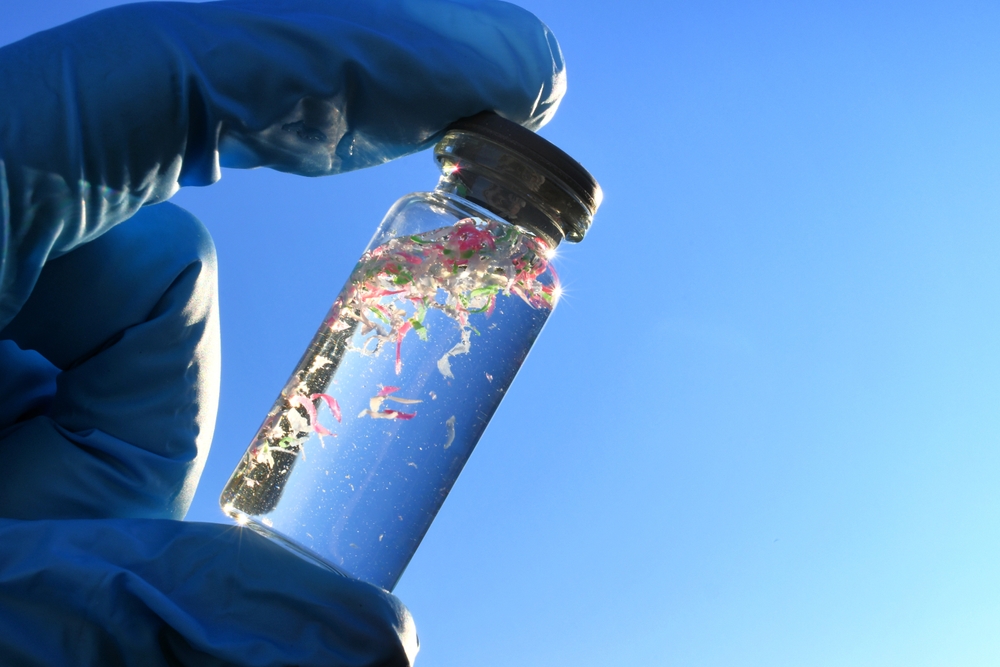
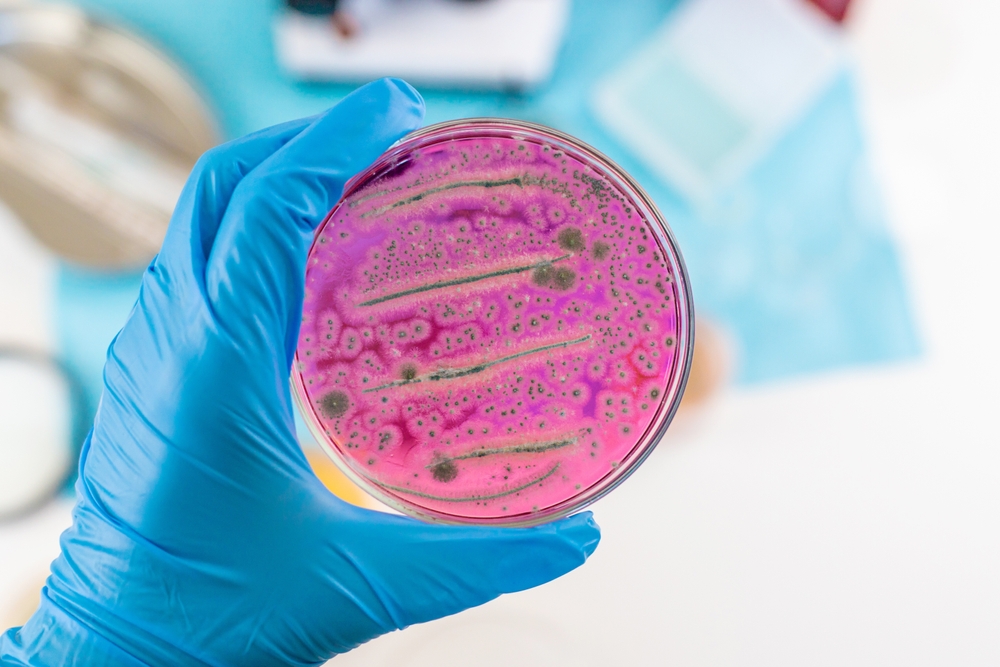
Wang arrived while the laboratory was already studying fungi as a possible weapon against plastic pollution. In early 2025, undergraduate researcher Ronja Steinbach tested fungi collected from Hawaiian nearshore waters by feeding them polyurethane.
The results surprised the researchers. More than 60% of the fungi showed some ability to consume the plastic and transform it into fungal material.
“We were shocked to find that more than 60% of the fungi we collected from the ocean had some ability to eat plastic and transform it into fungi,” Steinbach said. The finding gave Wang a promising starting point for her own investigation.
Amend explained why the team had chosen fungi for the research. “Fungi possess a superpower for eating things that other organisms can’t digest (like wood or chitin), so we tested the fungi in our collection for their ability to digest plastic,” he said.
Wang had a different idea about where useful fungi might be found. She suspected they could already be living inside the coconut-fiber filter she had created.
The Coconut Husks Were Already Supporting Fungi
Coconut husk is porous and fibrous, allowing air and water to move through it. It also contains tannins, naturally occurring compounds that researchers believe may help create favorable conditions for certain microbes.
Working alongside graduate student Kaylee Christensen, Wang tested the microbial community growing in the tannin-rich coconut fiber. The researchers wanted to know whether those organisms could break down the same pollutants the filter was catching.
In May 2026, the University of Hawaiʻi announced that fungi naturally occurring on coconut husks were able to biodegrade both synthetic plastic and chemical sunscreen. That means the pollutants were chemically broken down into simpler substances rather than merely being held inside the filter.
“I learned that the pore structure of coconut fiber supports the movement of air and water, which can create a favorable environment for microbes,” Wang said. Researchers are still investigating the exact mechanism, and the proposed role of tannins has not yet been confirmed.
Some of the Fungi Matched Nothing

The project took an even stranger turn when the team examined the genetics of the fungi growing in the coconut husks. Some sequences did not match entries in the genetic reference database used by the researchers.
That does not mean Wang has officially discovered a new species. Formal identification requires further research, scientific description, and peer review.
The result is still significant because the unmatched fungi may represent organisms that have not yet been formally described. Some also appear to be associated with the degradation of two pollutants that are a major concern in Hawaii.
Her project title captures the scope of the research: “Bioprospecting of Novel Sunscreen- and Plastic-Degrading Fungi in Tannin-Rich Coconut Fiber.” A project that began with a high school filter had suddenly opened questions about organisms science may not yet fully know.
Other Researchers Are Finding Plastic-Eating Fungi
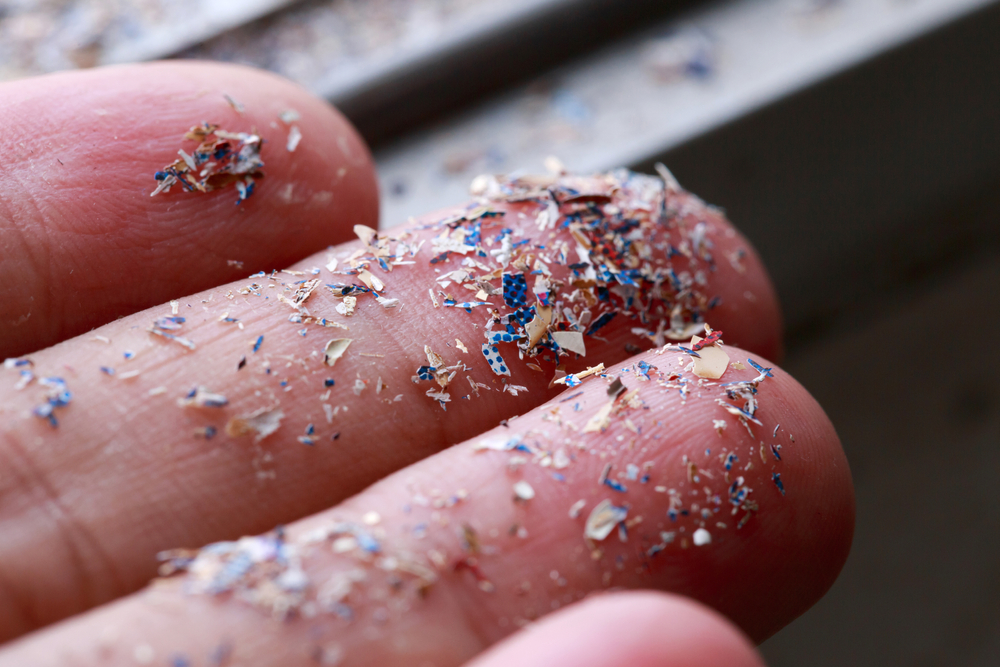
Wang’s work is part of a growing effort to understand whether fungi can help deal with plastic pollution. Scientists in several countries have reported that different fungi can degrade synthetic materials under controlled conditions.
Researchers in the Netherlands have studied a marine fungus called Parengyodontium album that can break down polyethylene after sunlight has first weathered the plastic. Polyethylene is one of the most common plastics found in the ocean, although the degradation process observed in the laboratory was slow.
Researchers at the University of Sydney have also reported that two common soil fungi degraded pre-treated polypropylene by around 27% in 90 days. Their experiments continued for roughly 140 days and focused on small laboratory samples.
The Major Questions Still Ahead
Several important questions remain before fungi could become part of a large-scale cleanup system:
- Which species are involved: Unmatched genetic sequences need further study before organisms can be formally identified.
- How degradation works: Researchers need to understand the biological and chemical processes involved.
- What remains afterward: Scientists must study the substances produced during degradation.
- Whether the process can scale: Small laboratory samples are vastly different from pollution spread across the Pacific.
- How fungi perform outside the lab: Sunlight, salt levels, temperature, and other organisms could affect the process.
Those questions show how much work remains. They also explain why scientists are cautious about turning laboratory findings into claims about cleaning entire oceans.
Hawaii Has a Second Pollution Problem
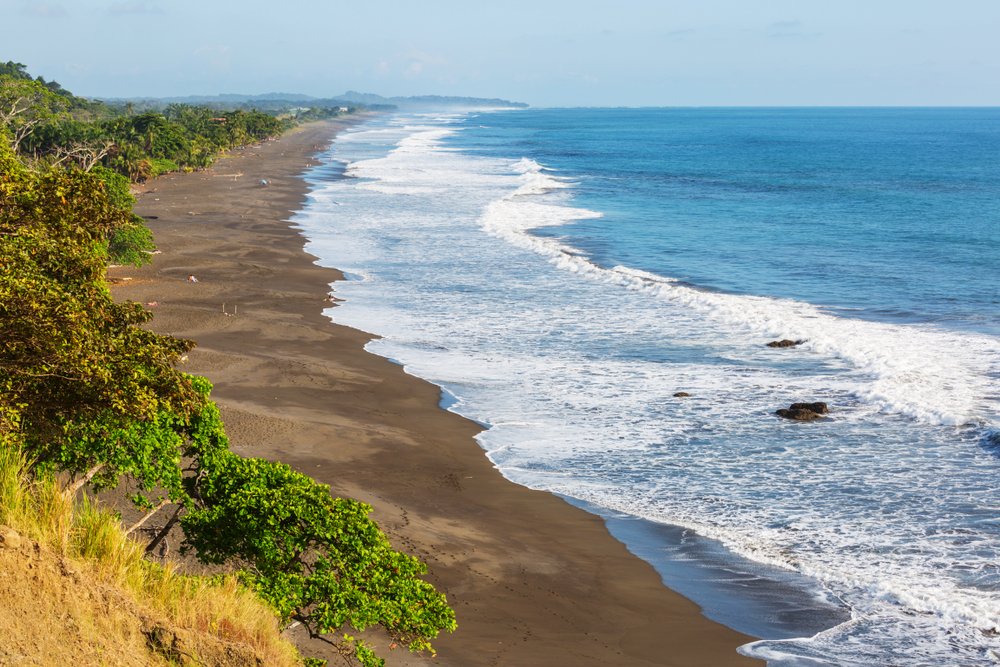
Plastic was only half of Wang’s research. The other pollutant was chemical sunscreen, which has become a major environmental concern for Hawaii’s coral reefs.
Oxybenzone and octinoxate can wash from swimmers’ skin into the ocean and accumulate in coral tissue. NOAA has warned that the chemicals can induce bleaching, damage DNA, deform young coral, and even kill them.
Hawaii passed a first-in-the-nation law banning the sale of sunscreens containing both chemicals. The law was signed in 2018 and took effect on January 1, 2021.
A sales ban can reduce future pollution, but it cannot retrieve chemicals that have already entered the water. Wang’s research focuses on that remaining challenge by investigating whether captured pollutants can then be biologically broken down.
A Petri Dish Is Not the Pacific
The biggest limitation is also obvious. Wang’s fungi have been studied under controlled conditions using small samples, and nobody has shown that the approach can clean an open stretch of ocean.
Researchers have not tested the method at industrial scale or over long periods in marine environments. The role of tannins is still being investigated, while the unmatched fungi require additional work before they can be formally identified.
Biodegradation may eventually become one useful cleanup tool, but it cannot replace reducing the amount of plastic entering the ocean. The enormous distance between a successful laboratory experiment and a working environmental technology still needs to be crossed.
That does not diminish Wang’s work. It places the discovery where scientific research belongs: at the beginning of a much larger investigation.
Her Research Earned International Recognition
At the 2026 Hawaiʻi State Science & Engineering Fair, Wang took first place in her microbiology category and third place for best in fair. She also received special awards from the Friends of Hanauma Bay and the Association for Women Geoscientists, along with a scholarship from the McInerny Foundation.
In May 2026, she took the project to the Regeneron International Science and Engineering Fair in Phoenix. Her research received a Third Award worth $1,200 in microbiology.
Wang credited the university researchers who supported her work. “My research would have never, ever, been possible without Anthony and Kaylee,” she said.
Amend returned the praise to the student whose idea helped drive the project. “This work was made possible because of Vera’s vision, and it gives me such optimism about the future of science in Hawaiʻi,” he said.
A Coconut Husk May Be Hiding Something New
Wang started with a simple problem: pollution had been captured, but the pollutants were still there. Following that question led her from a pile of coconut fiber to a university laboratory and fungi capable of breaking down plastic and chemical sunscreen under controlled conditions.
The Pacific will not be cleaned up by one student or one experiment. But inside a wet tangle of discarded coconut husk, researchers may have found organisms that science has not yet fully identified, and the next discovery could begin with finding out exactly what they are.