
Your cart is currently empty!
North Carolina Petting Zoo Rabies Scare Prompts Urgent Health Warning

What began as a summer visit to a mobile petting zoo has triggered an urgent public health investigation across several North Carolina counties. Multiple baby goats that traveled to public and private events were found to have rabies, and officials are now trying to identify anyone who may have had close contact with the animals.
Contents
show
The warning is focused on people who interacted directly with the goats between July 28 and August 27, 2026. Health officials have stressed that rabies can be prevented after an exposure, but people should seek advice before symptoms
Baby Goats With Rabies Traveled To Multiple Events
The infected animals belonged to Farm Adventures, a mobile petting zoo based in Harmony, North Carolina. Three baby goats tested positive for the rabies virus through laboratory testing, while a fourth goat was also believed to have been infected.
The goats may have appeared at the Farm Adventures location in Harmony as well as at events across several surrounding counties. State and local health officials said potential exposure events occurred over roughly a month, creating a complicated investigation involving multiple health departments.
The mobile petting zoo reportedly made at least 10 stops in several counties during the period being investigated. Those events included public gatherings, private functions, an assisted living facility and a back-to-school event, meaning officials have had to consider potential exposure among people of different ages.
North Carolina health authorities have emphasized that the warning does not apply broadly to everyone who lives in the affected region. The concern is centered on people who attended events where the infected goats were present and had close or direct contact with them.
“There is not a broad risk to the public, only those who attended events at the mobile petting zoo and were in close contact with the goats are at risk,” officials said.
Health departments have been coordinating with event organizers in an effort to identify people who may have handled, fed or cuddled the animals. Officials have also said that the investigation remains active as they work to establish the full reach of the mobile petting zoo’s schedule.
A Skunk May Have Exposed The Goats

State health officials believe the goats were most likely exposed to rabies after a skunk entered their enclosure in late July. The incident eventually set off a chain of events that would not become clear until weeks later.
Farm Adventures owner Misty Love said a wild skunk was found in the enclosure where the young goats were being kept on July 29. According to Love, the animals did not initially appear to have been bitten and showed no obvious signs that they had contracted rabies.
The first serious warning came several weeks later when one of the goats died on August 19. Love said another goat became ill the following day and was euthanized, after which an examination of one of the animals revealed evidence of rabies infection.
Laboratory testing later confirmed the virus in three of the baby goats. A fourth goat was not tested but was assumed to have been infected, according to state officials.
Farm Adventures said its four baby goats were euthanized and that staff were closely monitoring the remaining animals under guidelines provided by health authorities. The company also said the young goats had been kept separately because they were too young to receive rabies vaccinations.
Love described the loss of the animals as deeply upsetting. Speaking to WSOC, she said, “It’s devastating,” while explaining that the animals meant a great deal to her.
“Anybody that knows me knows my animals are the most important thing in the world to me, so it’s hard,” Love said. She also described the wider situation as a nightmare as health authorities began tracing where the infected animals may have traveled.
Health Officials Are Tracking Events Across Several Counties

The investigation has reached far beyond the petting zoo’s home base in Iredell County. Officials have identified potential exposure events in Mecklenburg, Iredell, Watauga, Burke, Davie and Durham counties.
The source reports identified several locations where Farm Adventures animals were known to have appeared. A Masonic Picnic in Mocksville on August 15 was among the events listed by local health authorities, while officials in Catawba and Burke counties said the petting zoo attended a private event near Hickory on August 9.
Another event involving the mobile petting zoo was held at Breeden Amphitheater in Lexington on August 1, according to the Davidson County Health Department. Additional private events were reported in Mecklenburg, Watauga, Durham and Iredell counties.
Officials said they were working with event organizers to contact people who may have had direct contact with the infected goats. The full number of potentially affected individuals was still unclear in the source reports.
Kimberly Scott, Mecklenburg County’s health director, told CNN that the investigation was being coordinated across the state. She said health teams were still trying to determine the petting zoo’s full reach across county lines and the total number of people who may have been affected.
Scott said communicable disease teams were alerting the public while working with the petting zoo and event organizers to identify possible exposures. She also said healthcare systems appeared to have enough post-exposure treatment available and could obtain more if additional demand emerged.
The investigation illustrates how quickly a single animal health incident can become a much wider public health concern. Because mobile petting zoos travel from one event to another, health officials may need to reconstruct weeks of activity after a disease is discovered.
Why Officials Say People Should Not Wait For Symptoms

Rabies is rare in humans in the United States, but the disease is dangerous because treatment becomes far more difficult once symptoms develop. Public health officials are therefore urging people with a possible exposure to seek advice promptly.
North Carolina has not reported a positive human rabies case since 2011, according to the North Carolina Department of Health and Human Services. Fewer than 10 people die from rabies each year in the United States, according to the Centers for Disease Control and Prevention.
Those figures can make the disease seem distant, especially for families who associate petting zoos with ordinary weekend activities. However, the low number of human deaths is closely connected to public health efforts to identify exposures and provide treatment before illness begins.
“Residents should not wait for symptoms before calling,” Scott said as officials continued to trace the affected events.
She told CNN that waiting for symptoms was the wrong approach because rabies prevention depends on acting after a possible exposure rather than after the illness has taken hold. “What’s important is that we don’t wait for the onset of symptoms when it is more difficult to treat and often most fatal,” Scott said.
The treatment used after a possible exposure is known as post-exposure prophylaxis, or PEP. Health officials evaluate each situation individually to determine whether preventive treatment is necessary.
The current warning does not mean every person who attended an event automatically needs treatment. Officials are focused on determining who had the type of direct contact that could create a meaningful risk.
How Rabies Can Affect The Human Body
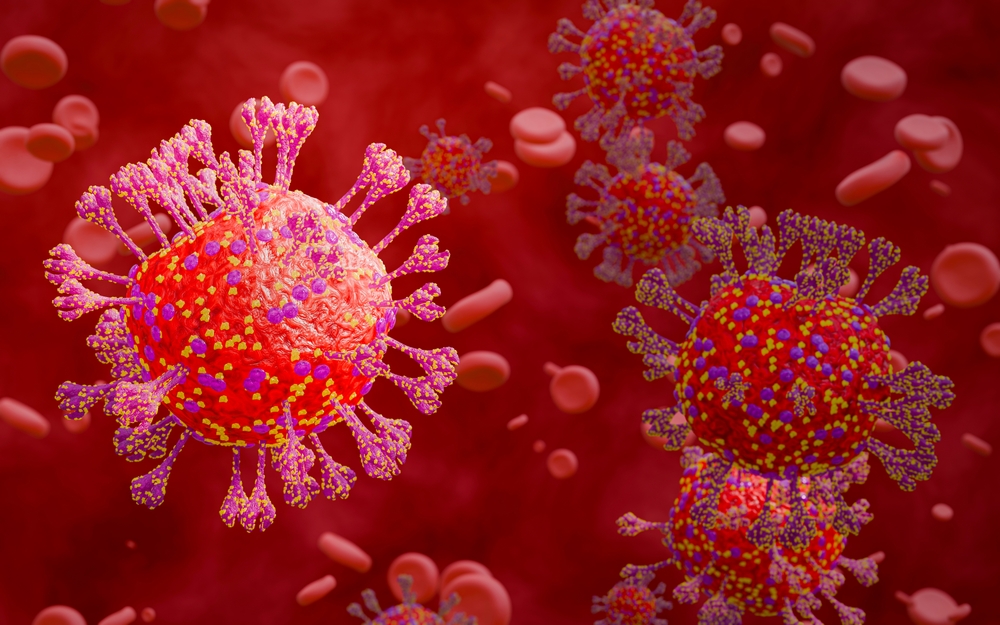
Rabies is caused by a virus that primarily affects the central nervous system, including the brain and spinal cord. It is generally spread through the saliva of an infected animal, most commonly through a bite.
Scratches and certain direct contact involving saliva can also create potential exposure concerns. The exact circumstances of each interaction can therefore matter when health officials assess whether someone should receive preventive treatment.
One of the most dangerous aspects of rabies is the period before symptoms appear. The incubation period can last weeks or months, and an infected person may feel completely normal during that time.
Early symptoms can resemble those of other illnesses and may include fever, headache and general body aches. Some people may also experience unusual discomfort or sensations around the site where exposure occurred.
As the virus progresses, it can cause inflammation affecting the brain and spinal cord. Once a person begins showing symptoms of rabies, the disease is nearly always fatal, which is why public health authorities place such emphasis on preventive treatment before symptoms develop.
Rabies is preventable when the appropriate medical response is provided after an exposure. The purpose of the current investigation is to identify people who may need that response while there is still an opportunity to prevent infection.
No human rabies infections connected to the Farm Adventures goats had been reported in the source material. Officials are continuing their work precisely to keep it that way.
Why Close Contact With Baby Goats Matters

Rabies transmission from livestock is generally considered less common than exposure involving wild animals. The unusual concern in this case comes from the way baby goats are often handled at petting zoos.
Young goats may be bottle-fed, picked up, cuddled and held by visitors. Those interactions can involve much closer physical contact than someone would normally have with livestock.
The North Carolina Department of Health and Human Services specifically addressed that issue while explaining the investigation. “Because baby goats are frequently bottle-fed, handled closely, or cuddled, public health officials are working proactively to ensure anyone who had direct contact with the affected animals is evaluated,” the department said.
That means health officials are interested in more than whether someone attended an event where Farm Adventures was present. The nature of the interaction with the goats is an important part of determining whether medical follow-up is needed.
Someone who simply saw the animals from a distance would not necessarily face the same concern as someone who held or closely handled one of the infected goats. Health departments can review those details and provide guidance based on the circumstances.
The situation is particularly concerning for parents because children are often among the most enthusiastic visitors at petting zoos. A child may want to feed or cuddle a baby goat without anyone realizing that an animal has been exposed to a virus.
That is why authorities are asking people to contact health officials rather than attempting to assess a possible exposure on their own. The investigation is intended to identify the people who require further medical evaluation and distinguish them from those who do not.
Wildlife Remains The Main Source Of Rabies
Although this case involves baby goats, the suspected source of the outbreak was wildlife. The goats were believed to have been exposed after a skunk entered their enclosure in late July.
More than 90% of reported rabies cases in animals involve wildlife, according to CDC information cited in the source reports. Bats, raccoons, skunks and foxes are among the animals most commonly associated with rabies in the United States.
The source material also noted that skunks account for a significant share of reported animal rabies cases. In this incident, officials believe the skunk’s entry into the enclosure created the exposure that later led to the goats becoming infected.
The case shows why contact between domestic animals and wildlife can create complications that extend well beyond the original encounter. A wild animal may expose a domestic animal, which may then come into contact with people who have no idea that an exposure occurred weeks earlier.
That sequence becomes even more complicated when the domestic animals travel between communities. Farm Adventures operated as a mobile petting zoo, allowing the animals to attend public and private events in multiple counties.
By the time the rabies infection was confirmed, officials were faced with the task of reviewing where the goats had been over the previous month. The investigation has required cooperation between county health departments, state agencies, event organizers and the petting zoo itself.

The Petting Zoo Has Been Cooperating With The Investigation
The Iredell County Health Department said the owner of Farm Adventures had been fully cooperative with state and county officials. Health authorities also said all remaining animals on the farm had been placed under an official quarantine as a precaution.
State officials said no other animals on the farm were believed to pose a rabies exposure risk to people. The remaining animals have been monitored under the guidance of health officials as the investigation continues.
Love told CNN that she cared about the community and her customers and wanted to be available to people who had questions. “I care about my community, and I care about my customers,” she said.
“If my customers that saw my animals have questions, I’m going to be there for them,” Love added. Her comments came as authorities worked to contact event organizers and determine who may have interacted directly with the infected goats.
The four goats were euthanized after the rabies cases were confirmed. Farm Adventures also posted a message mourning the animals, which had been part of the business’s mobile petting zoo operation.
For the owner, the incident has involved both the loss of animals she cared for and a major public health response. For health officials, the immediate priority remains tracing possible exposures and making sure people receive timely advice.
What Attendees Should Do If They Had Contact
Health officials are not telling everyone in North Carolina to seek rabies treatment. The warning is directed at people who attended Farm Adventures events or visited its Harmony location during the identified period and had direct contact with the affected baby goats.
Anyone who believes they may fit that description should contact their local health department. Officials can review the details of the interaction and determine whether additional medical steps are appropriate.
Important details may include the date and location of the event, the type of contact with the goat and whether the animal was held, fed or cuddled. Bites, scratches and possible contact with saliva may also be relevant when an exposure is assessed.
The investigation covers events between July 28 and August 27, 2026, according to the Iredell County Health Department and the North Carolina Department of Health and Human Services. Additional information about potential exposure locations may be released as the investigation develops.
People should not wait until they feel ill before seeking guidance. Rabies can have a long incubation period, and the reason for preventive treatment is to act before symptoms appear.
The public health message is therefore focused on quick communication rather than panic. Anyone who had meaningful contact with the goats can provide the details to their local health department and receive guidance based on their individual circumstances.
A Summer Petting Zoo Visit Now Has A Serious Warning
The story began with a skunk entering an enclosure in North Carolina and ended with a multi-county public health investigation involving events attended by children, families and elderly residents. The infected goats have been euthanized, and officials say the remaining animals do not pose a rabies exposure risk to the public.
No human infections connected to the goats had been reported in the source material. The crucial step now is making sure anyone who had close contact with the affected baby goats between July 28 and August 27 contacts local health officials and receives guidance before symptoms have any chance to appear.