
Your cart is currently empty!
A Mechanic Gave Away His 151st Car, But The Story Started With One Grieving Mother
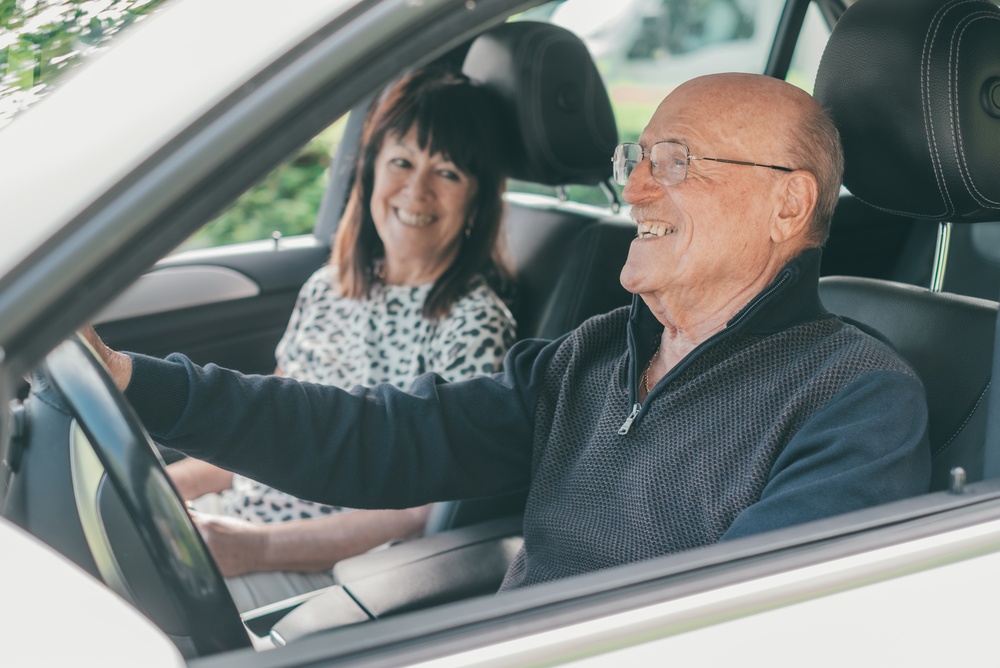
Melanie Lee had already endured the kind of loss that can make an ordinary problem feel impossible. For four months, she drove her 2007 Chevrolet Tahoe for hours at a time to reach a hospital in another town, where her son was fighting for his life. She made that drive again and again, relying on the same vehicle to get her to his bedside. Her son eventually died, and about a week after she buried him, the Tahoe broke down for good. For Lee, the timing was devastating. The vehicle that had carried her through months of hospital visits was suddenly gone too, leaving her without a reliable way to get around.
Contents
show
Lee lives in Andrews, South Carolina, a rural community where losing a vehicle can mean far more than being stuck at home for a few days. There is no convenient bus system to fall back on, and rideshare services are not readily available in many rural areas. A broken engine can mean missing work, struggling to reach medical appointments, or becoming dependent on family and friends for basic trips. Then, on Christmas morning, a man Lee had never met pulled into her yard in a white 1993 Oldsmobile. He got out, placed the keys in her hand and gave her something she desperately needed: another way to move through the world.
A Christmas Morning She Never Expected
The man standing outside Lee’s home was Eliot Middleton, a trained mechanic from McClellanville, South Carolina, who had made it his mission to repair vehicles and give them away to people who had no practical way of buying one. Middleton had never spoken to Lee before that Christmas morning, yet he knew enough about her situation to understand what a working car could mean. Instead of asking her for money or telling her where she could find a cheap replacement, he arrived with a vehicle he had already repaired and handed over the keys. The 1993 Oldsmobile was not a luxury car, but that was never the point. It was transportation, independence and a chance for Lee to make the trips she needed without wondering how she would get there.
For Lee, the meaning of that gift went far beyond the vehicle itself. She had just experienced the death of her son after months of exhausting hospital visits, and then the Tahoe that had carried her through that period had failed shortly after his funeral. The breakdown left her facing another painful disruption at a time when she was already grieving. Middleton’s Oldsmobile could not change what had happened to her family, but it could remove one immediate burden from her life. “I got my freedom back,” Lee said. The sentence captured what Middleton’s car program has come to represent for people across rural South Carolina: sometimes a vehicle is not simply something that gets you from one place to another. It is what allows you to keep working, keep appointments and remain connected to the people and places you depend on.
The Moment That Changed Middleton’s Life
Middleton’s decision to give away cars grew from a food drive in November 2019, when he organized an event to distribute 250 boxes of his barbecue to people in the community. When the food ran out, Middleton went outside to apologize to the people who were still waiting. What he saw stopped him. The line stretched roughly two blocks, and many of the people standing there had walked three or four miles simply to reach the food distribution. Some had arrived too late to receive anything because they did not have vehicles and had spent so much time getting there. They were now facing the same long walk home, empty-handed. Middleton began speaking with people in the line and realized that the transportation problem was affecting much more than access to a single food drive.
The experience changed how he viewed the skills he had spent years developing as a mechanic. He already knew how to repair vehicles, and he knew that many cars that appeared worthless could still be made reliable with the right parts, labor and knowledge. Instead of allowing that skill to remain part of his working life alone, he decided to use it to help people in his community who were struggling to get around. “That was the turning point in my life when I made the decision to actively give my time and skills to give back to my community,” Middleton said. What began as a response to one food drive eventually became a long-running effort that would place repaired vehicles into the hands of people who needed them.
A Lesson Learned Under His Father’s Hood
Middleton’s ability to repair those vehicles came from years spent learning the trade alongside his father, Kevin Wayne Middleton Sr. The two worked together for 17 years before opening their own shop in 2004, giving Middleton a deep understanding of vehicle repair long before he began donating cars. They operated the shop for about a decade before Middleton moved into the food business, eventually building the barbecue operation that would become another important part of his connection with the local community. The mechanical knowledge never disappeared, though, and after his father became severely ill in February 2020 and died several weeks later, working on cars took on another meaning.
The car program began shortly afterward, and Middleton has explained that spending time beneath a vehicle’s hood gives him a way to stay connected to memories of his father. The work allows him to use the same skills they developed together while helping people who might otherwise have no way to afford repairs or replacement transportation. “I’m not by myself,” Middleton said. “I’m talking to him, I’m kind of like remembering things.” That connection became part of the reason the project continued growing. Middleton was not simply fixing machines. He was using a trade passed down through his family to solve a problem he had seen affecting people in the same communities where he lived and worked.
He Started Trading Broken Cars For Barbecue
Middleton eventually came up with an unusual way to bring more vehicles into the program. He posted an offer on Facebook inviting people to bring him vehicles that no longer ran, and in exchange, they could leave with a plate of his ribs. The arrangement gave owners a reason to part with cars that might otherwise sit unused, while Middleton gained vehicles that could potentially be repaired and passed along to someone who needed them. According to the foundation, the first vehicle produced through that arrangement was a Toyota Camry that went to a single mother. It was the beginning of a system built around turning unwanted or broken vehicles into working transportation for families who could not easily obtain it themselves.
Middleton works on the vehicles at a shop in Georgetown and generally looks for models that are inexpensive to maintain once they reach their new owners. That detail is important because the purpose of the program is not simply to put a vehicle in someone’s driveway. A car that requires constant expensive repairs can quickly become another financial problem for a family already struggling. By the summer of 2021, Middleton had invested nearly $48,000 in parts and labor into the effort, while roughly 40 families were waiting for vehicles. “I do what I can, and I give back what I can because the community supports me and my restaurant,” he said. The project depended on donated cars, mechanical knowledge and community support, but the final product was something recipients could use every day.
Why A Car Can Change Everything
In rural communities, transportation can determine whether a person can participate in ordinary life. A job may be available in another town, but that job does not help someone who cannot reliably get there. A medical appointment can be scheduled, but it becomes difficult to keep when the patient has no vehicle and there is no practical public transportation. Even simple tasks such as buying groceries, collecting prescriptions or visiting family can become complicated when every trip depends on someone else being available to drive.
Middleton has described the situation in direct terms: “You don’t have a car, you don’t have a career.” His point reflects the way transportation can affect several parts of a person’s life at once. Federal data analyzed in 2021 found that an average of 6.4% of rural South Carolina households had no vehicle, compared with a national rural average of 4.2%. Twenty-seven of the state’s 46 counties were above that national rural figure, while nine counties had at least one rural household in 10 without a vehicle. For people living in those areas, a donated car can remove a barrier that affects employment, health care and basic independence all at once.
The Transportation Gap Is Real
The people who come to Middleton’s program are dealing with a problem that can be easy to overlook from outside rural communities. In a city, someone without a personal vehicle may have access to buses, trains, taxis or rideshare services. Those options can be limited or unavailable in smaller communities, where distances between homes, workplaces and essential services can be much greater. That means a person who loses a vehicle may suddenly have no practical replacement.
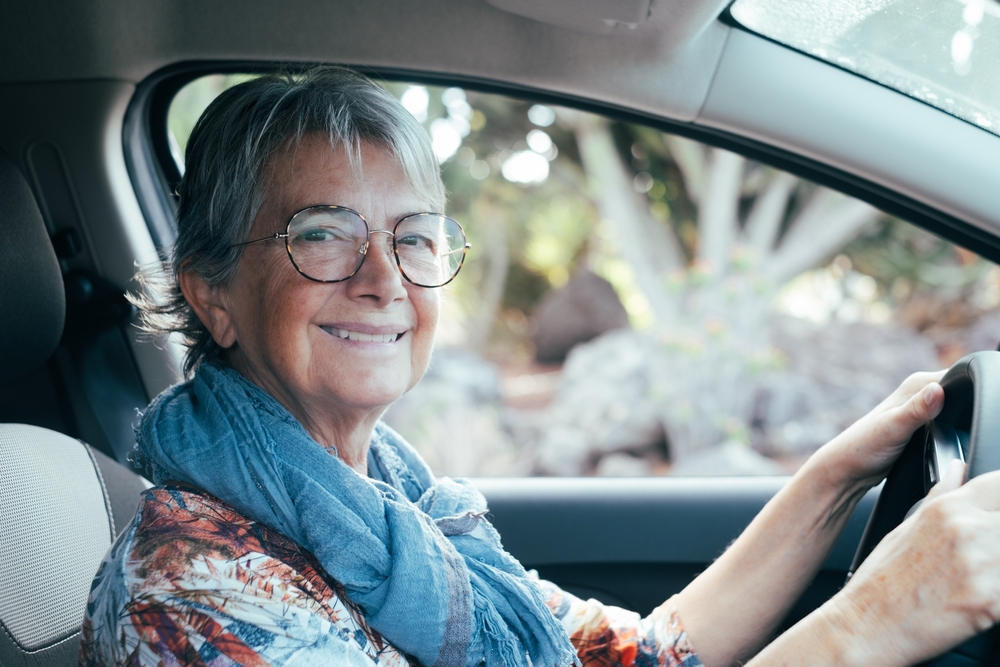
This is why Middleton’s work has grown around the idea that repairing transportation can address problems that appear unrelated to cars. Someone may need a vehicle because they have accepted a job, because their existing car is beyond repair, or because they are spending too much of their income paying for rides to work. The circumstances vary, but the underlying obstacle is often the same. Without reliable transportation, opportunities that exist on paper can remain completely inaccessible.
Then The Requests Started Pouring In
As word spread about Middleton’s work, the small operation began receiving an extraordinary number of offers from people who wanted to help. Viewers offered nearly 800 vehicles and more than $100,000 in cash, while a fundraising campaign reached $129,000. Someone also donated a flatbed truck to help transport vehicles, and Middleton’s sister eventually stepped in to help manage the huge volume of messages arriving from people who wanted to donate cars or contribute financially. The sudden response gave Middleton access to resources he could never have generated on his own, allowing the program to repair and distribute more vehicles to people waiting for assistance.
“My phone started exploding from all over the place,” Middleton said. The attention also brought a new challenge: there were now far more potential donors and recipients to organize. Middleton continued with the work, including a December 2021 effort in which he gave away 12 cars over 12 days. For recipients, the moment of receiving a vehicle could be difficult to process because many had spent so long trying to solve the transportation problem themselves. “Some folks don’t believe it,” Middleton said. “It’s like, ‘No, that’s not my car.’” Their disbelief reflected just how unusual it can feel to receive something that would otherwise be far beyond their budget.
The Giving Kept Going Long After The Headlines
The program did not stop once the initial wave of attention faded. Middleton continued repairing and distributing vehicles, and the number of cars handed to people in need steadily climbed. In August 2024, car number 111 went to Carolyn Glenn of Mount Pleasant, who described the disbelief that came with receiving such a major gift. “Things like that don’t happen to people like me,” Glenn said. Her reaction echoed something Middleton had seen repeatedly: recipients often struggled to believe that a vehicle they desperately needed was actually being given to them without the financial burden they expected.
By March 2026, the foundation had reached its 151st vehicle. That car went to a Chick-fil-A drive-thru worker who had been spending her wages on rideshares simply to get to her shifts. Instead of continuing to spend part of each paycheck just to reach work, she now had a vehicle of her own. Recipients are connected to the program through referrals from mayors, church members, local officials and social media, giving the organization different ways to identify people whose transportation problems are keeping them from work and other essential parts of daily life.
One Car Can Open Several Doors
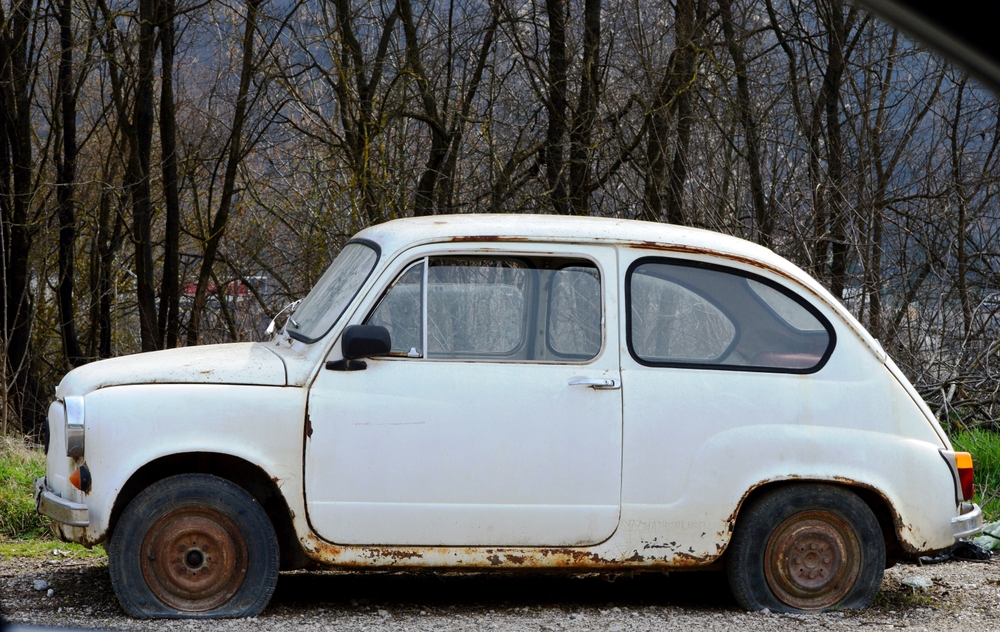
Middleton’s explanation for continuing the work is straightforward. “Transportation is the key to every situation,” he said. He gave the example of someone who dreams of becoming a doctor, pointing out that even an ambitious career goal still requires the ability to physically reach the hospital and other places where that career is built.
That idea runs through every vehicle the program distributes. The car itself is only the object. What the recipient gains is the ability to reach something else, whether that means a workplace, a doctor’s office, a family member or an opportunity that was previously too difficult to access. The repaired engine is useful because it carries someone toward the next part of their life.
What One Working Engine Can Give Back
Melanie Lee’s Christmas morning did not erase the loss of her son, and the white Oldsmobile could never replace the Tahoe that had carried her through those final months. What it did was give her a practical form of freedom at a moment when another part of her life had suddenly become difficult. The keys meant she could drive again, make necessary trips and regain some independence after losing a vehicle she had relied on so heavily.
Middleton has now helped put 151 vehicles into the hands of people who needed them, but the significance of the project is easier to understand through individual moments like Lee’s. A car can mean a person gets to work without spending wages on rideshares. It can mean a medical appointment is reachable. It can mean someone living miles from the nearest service is no longer completely dependent on somebody else for every trip.
In a place where there may be no bus waiting after a breakdown, a working engine can change the shape of a person’s entire week. Middleton’s gift was a car, but what Lee received that Christmas morning was the ability to keep going.