
Your cart is currently empty!
These High School Students Repair Old Cars for Single Moms, and the Results Are Life-Changing
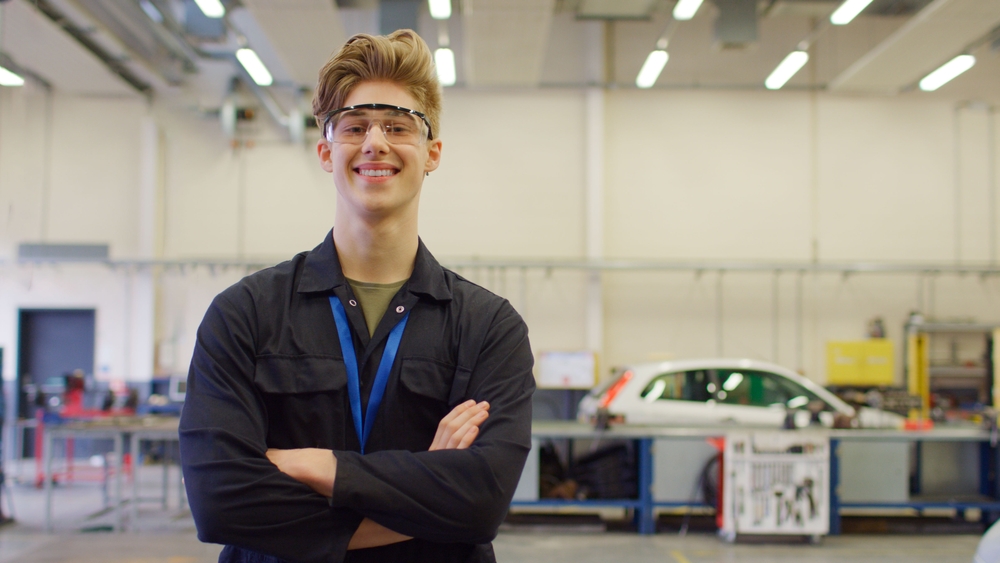
Every school has students learning valuable skills in the classroom, but one high school in Virginia has turned those lessons into something that changes lives far beyond graduation. Instead of repairing vehicles simply for grades or practice, automotive students at Louisa County High School spend months breathing new life into donated cars before giving them away to single mothers who desperately need reliable transportation. Their remarkable effort has quietly transformed lives for years, but after being featured on ABC World News Tonight’s “America Strong”, the inspiring program captured hearts across the country. What begins as an old, worn-out vehicle often ends with emotional moments as families receive keys to a car that can completely reshape their daily lives.
Contents
show
Reliable transportation is something many people rarely think twice about until it disappears. For single parents balancing work, childcare, school schedules, grocery shopping, and medical appointments, a dependable vehicle can mean the difference between keeping a job or losing one. Recognizing that reality, students in Louisa County have spent the past eight years combining technical education with community service, proving that learning a trade can have an impact far beyond the workshop. Their project isn’t just about fixing engines or replacing worn parts. It’s about restoring independence, creating opportunities, and showing how a group of teenagers can make a lasting difference in their own community.
A High School Program Built Around Giving Back
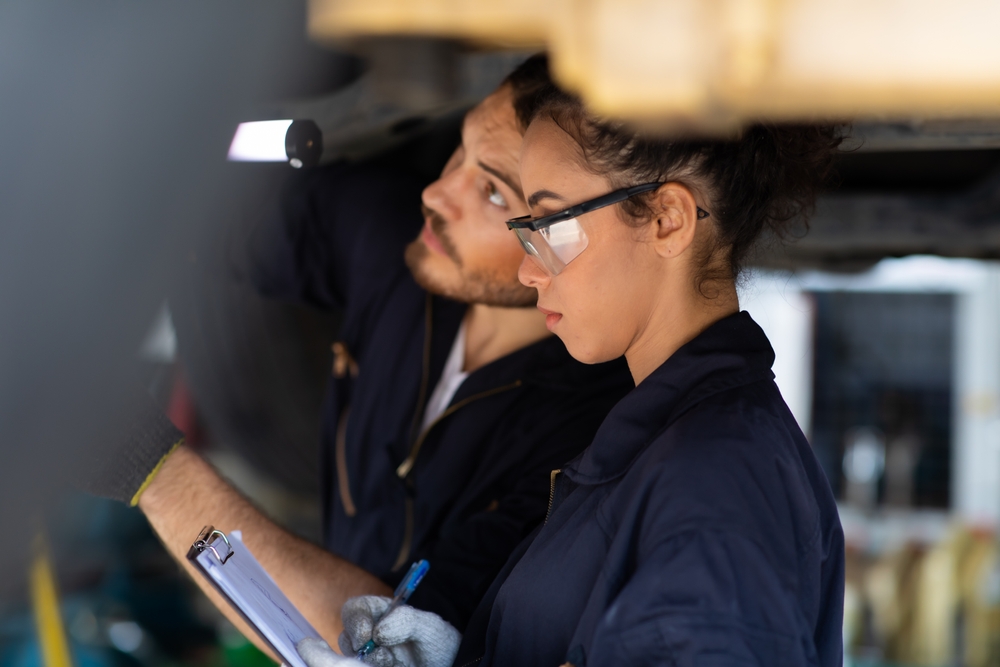
The automotive technology program at Louisa County High School looks much like any other vocational classroom at first glance. Students spend their days diagnosing engine problems, replacing brakes, repairing electrical systems, and learning the mechanical skills required for careers in the automotive industry. However, the purpose behind many of the vehicles sitting inside the school’s workshop makes this classroom unlike almost any other in the country.
For the past eight years, students have repaired and refurbished donated vehicles before giving them to single mothers throughout the community. Under the guidance of automotive instructor Shane Robertson, students work through every stage of the restoration process, from identifying mechanical problems to replacing damaged components and ensuring each vehicle is roadworthy. Rather than completing hypothetical assignments, they tackle real repairs on cars that will soon become someone’s primary source of transportation.
Robertson believes the experience teaches lessons that extend far beyond automotive repair. Speaking about the initiative, he told ABC News, “It’s a great learning experience. It’s gratifying.” Those few words reflect the dual purpose of the program. Students graduate with practical technical experience while also witnessing the direct impact their work has on families facing difficult circumstances. Every completed vehicle represents months of teamwork, patience, and problem-solving.
The program restores approximately five vehicles each year, a number that may seem modest at first glance. Yet each completed project represents hundreds of hours of labor and often changes the course of a family’s future. For the students involved, watching a single mother drive away in a vehicle they helped restore provides a reward that no classroom exam could ever replicate.
Why Reliable Transportation Can Transform a Family’s Future
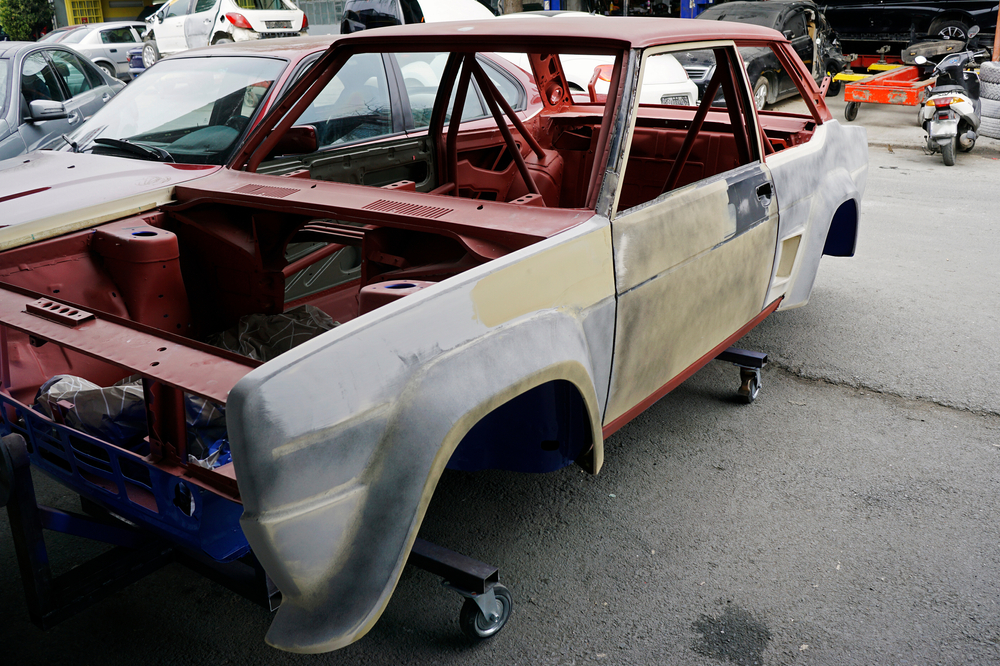
Owning a dependable vehicle is often taken for granted, but for many low-income families, transportation is one of the biggest obstacles standing between stability and financial hardship. Public transportation is unavailable or limited in many rural communities, including parts of Virginia, making access to a reliable car essential rather than optional. Without one, simple daily responsibilities can quickly become overwhelming.
Single mothers often face particularly difficult transportation challenges because they must balance multiple responsibilities without another adult to share the load. A missed shift at work because a car breaks down can mean lost wages. Missing a medical appointment or struggling to get children to school can create additional stress that affects every part of family life. Reliable transportation provides something far more valuable than convenience. It offers flexibility, security, and the ability to make plans without constantly worrying whether a vehicle will start.
Receiving one of the restored vehicles can immediately reduce some of that pressure. Families gain dependable transportation that allows parents to commute to work consistently, attend important appointments, and care for their children with greater confidence. The financial burden of constant repair bills or relying on expensive rideshare services is also significantly reduced, allowing families to direct those resources toward housing, food, education, or savings.
The impact extends beyond practical benefits. Reliable transportation often restores a sense of independence that financial hardship can slowly erode. For many recipients, receiving the keys to one of these vehicles represents more than owning a car. It symbolizes hope, dignity, and the knowledge that an entire community invested its time and effort to help them move forward.
Every Vehicle Represents Hundreds of Hours of Student Work
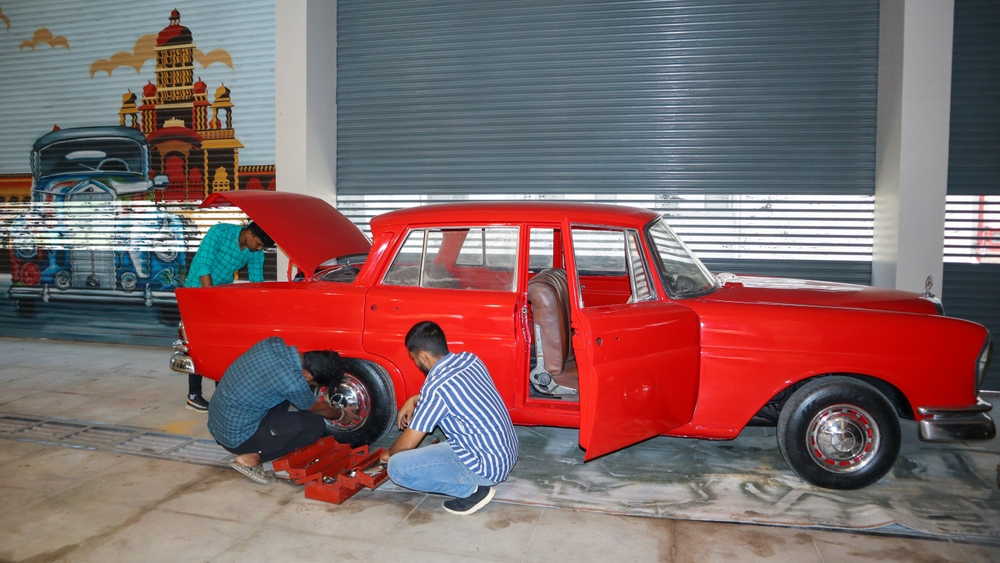
Before any car reaches its new owner, it arrives at the school as a donated vehicle with varying levels of wear and mechanical problems. Some require relatively minor repairs, while others need extensive restoration before they are considered safe to drive. Students begin by carefully inspecting each vehicle, identifying issues that range from worn suspension components and faulty brakes to engine problems and electrical faults.
Working alongside Robertson, students develop repair plans and gradually restore each vehicle using the same procedures followed in professional automotive repair shops. Every repair becomes an opportunity to apply classroom knowledge in real-world situations. Instead of learning through simulations, students encounter genuine mechanical challenges that require critical thinking, teamwork, and attention to detail.
The restoration process also teaches patience. Repairs cannot be rushed, particularly when someone’s safety will depend on the finished product. Students learn that quality workmanship matters because the vehicles are not display pieces or classroom demonstrations. They will soon be carrying parents to work, children to school, and families through everyday life. That responsibility encourages students to take pride in every repair they complete.
Before any donated vehicle is presented to its recipient, it undergoes a professional safety inspection at a local repair shop. This final inspection ensures every car meets required safety standards before leaving the program. Only after passing that evaluation are the keys handed over, giving recipients confidence that their new vehicle is dependable and ready for the road.
Community Support Keeps the Program Running
The success of the Louisa County initiative depends on far more than the students working in the automotive shop. Every vehicle begins its journey because someone in the community is willing to donate a car that still has potential. Local residents, businesses, and automotive professionals all play an important role by providing vehicles that can be repaired instead of being scrapped. What might no longer be useful to one owner becomes the starting point for a life-changing gift to another family.
The program also partners with Giving Words, a nonprofit organization dedicated to helping single mothers through vehicle repairs and donations. The organization helps identify recipients whose need for reliable transportation is greatest, ensuring the restored vehicles go to families who can benefit from them the most. That partnership allows the school to focus on the restoration work while Giving Words manages the process of connecting deserving mothers with dependable vehicles.
The collaboration demonstrates what can happen when schools, nonprofits, businesses, and local residents work toward a shared goal. Instead of relying on one organization to solve a complex problem, each group contributes its own expertise. Mechanics offer inspections, donors provide vehicles, teachers supervise repairs, students contribute countless hours of labor, and the nonprofit coordinates the final giveaway. Together, those efforts create opportunities that none of the organizations could achieve on their own.
It also gives students an early lesson about the value of community service. They see firsthand that meaningful change rarely happens because of one person acting alone. Every restored vehicle is the result of dozens of people contributing their time, knowledge, resources, and generosity toward helping someone they may never even meet.
National Recognition Shines a Light on Their Remarkable Work
Although the automotive program has been making a difference for nearly a decade, many people outside Louisa County had never heard about it until ABC World News Tonight with David Muir featured the students as part of its popular “America Strong” series. The segment introduced viewers across the country to a group of teenagers quietly using their skills to improve the lives of families in their own community.
The feature highlighted not only the impressive mechanical work performed by the students but also the emotional impact of each donation. Watching a single mother receive the keys to a dependable vehicle after months of uncertainty creates powerful moments that resonate with viewers. For many recipients, the cars represent far more than transportation. They symbolize a fresh start and the reassurance that complete strangers believed they deserved a helping hand.
Recognition from a national news program also brought attention to the importance of vocational education. Career and technical education programs are sometimes overlooked in discussions about academic achievement, yet initiatives like this demonstrate how practical skills can create immediate and lasting benefits for entire communities. The students are preparing for careers while solving real problems faced by local families.
Perhaps the greatest achievement of the television feature is that it encouraged people across the country to think differently about what schools can accomplish. Instead of focusing solely on classroom instruction, the story showcased education as a way to strengthen communities through compassion, creativity, and service.
Students Leave With More Than Automotive Skills
While the donated vehicles receive plenty of attention, one of the program’s biggest successes is the transformation taking place among the students themselves. Repairing engines, diagnosing electrical faults, and replacing suspension components prepare them for careers in the automotive industry, but the experience also teaches qualities that employers and communities value just as highly.
Throughout each restoration, students learn responsibility because every repair matters. The vehicle they are working on will soon carry a family every day, making attention to detail far more important than earning a passing grade. They also develop teamwork, communication, and problem-solving skills as they work together to overcome unexpected mechanical challenges that appear during the restoration process.
The project encourages students to view their skills as tools that can improve someone else’s life. Instead of seeing automotive repair as simply a profession, they begin to understand how technical knowledge can become a form of service. That perspective often stays with them long after graduation, influencing how they approach both their careers and their communities.
Many educational programs teach students how to earn a living. This initiative goes one step further by showing them how their abilities can help others build better lives as well. It is a lesson that extends far beyond the walls of the automotive classroom.
A Simple Idea That Continues to Change Lives
The Louisa County automotive program proves that meaningful acts of kindness do not always require enormous budgets or headline-grabbing projects. Sometimes they begin with an old car sitting unused in someone’s driveway and a classroom full of students willing to invest their time and effort into something bigger than themselves.
Every restored vehicle reflects months of dedication from teenagers who could easily treat the assignment as another school project. Instead, they approach each repair knowing the finished product could help a mother keep her job, transport her children safely, or regain a sense of independence after difficult circumstances. Those practical benefits often ripple through entire families for years to come.
As more communities search for ways to support struggling families while preparing students for future careers, Louisa County offers a model worth celebrating. It combines education, generosity, and real-world experience in a way that benefits everyone involved, from the students turning the wrenches to the mothers receiving the keys.
The cars may be old when they arrive at the school, but by the time they leave, they carry something much more valuable than fresh paint and repaired engines. They carry new opportunities for families who need them most and remind us that some of the biggest acts of generosity begin in the most ordinary classrooms.
ABC World News Tonight, acts of kindness, America Strong, automotive students, Birds Advice, car restoration, Community Service, David Muir, donated cars, education, Giving Words, good news, heartwarming news, High School Students, Inspiring Stories, Louisa County High School, nonprofit, single mothers, viral news, Virginia