
Your cart is currently empty!
Scientists Discover Tiny Spotted Wild Cat Species After More Than 100 Years
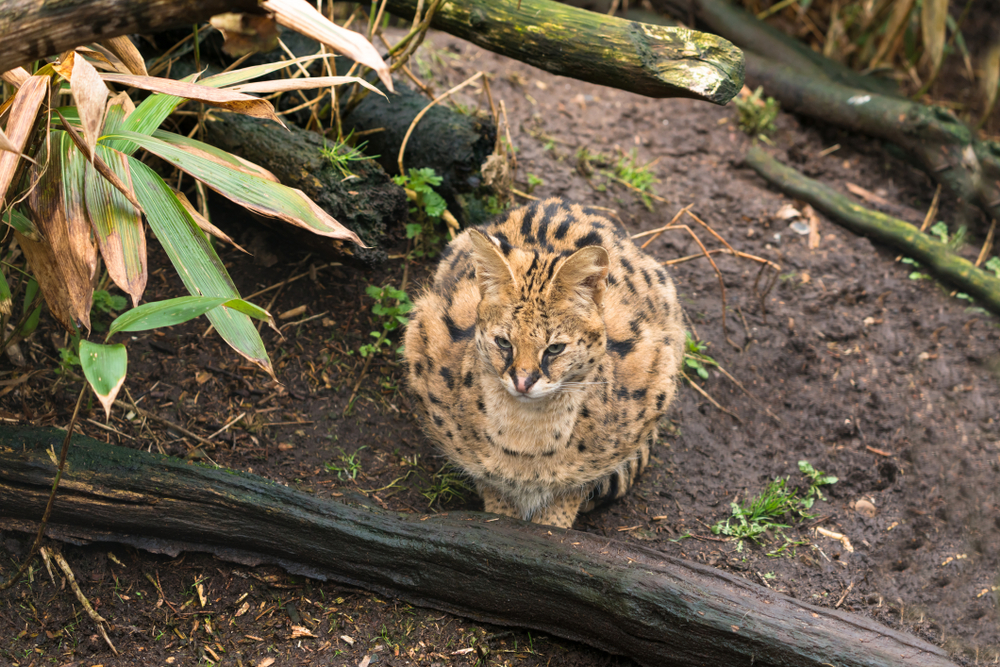
A tiny spotted cat hiding in the forests of Bolivia has become one of the rarest wildlife discoveries in recent history. The animal, which is smaller than many house cats, was once known only to local communities, but scientists have now confirmed it as a completely new species.
Contents
show
The discovery of the tilcayo tiger cat marks the first time in more than a century that researchers have identified a new wild cat species. Found in the misty Yungas cloud forests, the feline was almost mistaken for an ordinary kitten before genetic testing revealed it belonged to a separate branch of the cat family.
The Rescue That Revealed A Hidden Species
The discovery began with a chance encounter at Senda Verde Wildlife Sanctuary near La Paz, Bolivia. A man from a nearby forest community brought in the small animal after realizing the kitten-like creature he had been caring for was actually a wild cat. He had fed it household foods before deciding it needed professional care.
Paola Nogales-Ascarrunz, a conservationist who works with wild cats, noticed something unusual when she first saw the animal. Its size immediately stood out, but its appearance also seemed different from other tiger cats known to science.
“I saw this cat. It was really, really small, and I couldn’t believe how small it was,” Nogales-Ascarrunz said. “I thought it was a kitten.”
Researchers initially considered whether the animal could belong to a known tiger cat species. However, the cat’s markings and tail pattern did not match existing classifications, leading scientists to investigate further.
“If you look at the spots or the tail, they really don’t match,” Nogales-Ascarrunz said.
DNA Testing Confirmed The Cat Was Something New
After noticing the differences, researchers carried out genetic testing on the rescued cat and another similar animal that arrived at the sanctuary. The results showed that both animals belonged to a species that had previously gone unnoticed by science.
The newly identified species was named Leopardus tilcayo, also called the tilcayo tiger cat. Researchers found that it separated from its closest tiger cat relatives around 1.4 million years ago, creating a distinct evolutionary line.
The study examined the genomes of 38 cats, including 26 members of the Leopardus group. Scientists described the research as the most complete genetic analysis of tiger cats conducted so far.
The discovery is unusual because new mammal species are rarely identified, especially animals as recognizable as wild cats. Finding a previously unknown feline after more than 100 years makes the tilcayo discovery especially significant.
What Makes The Tilcayo Tiger Cat Different
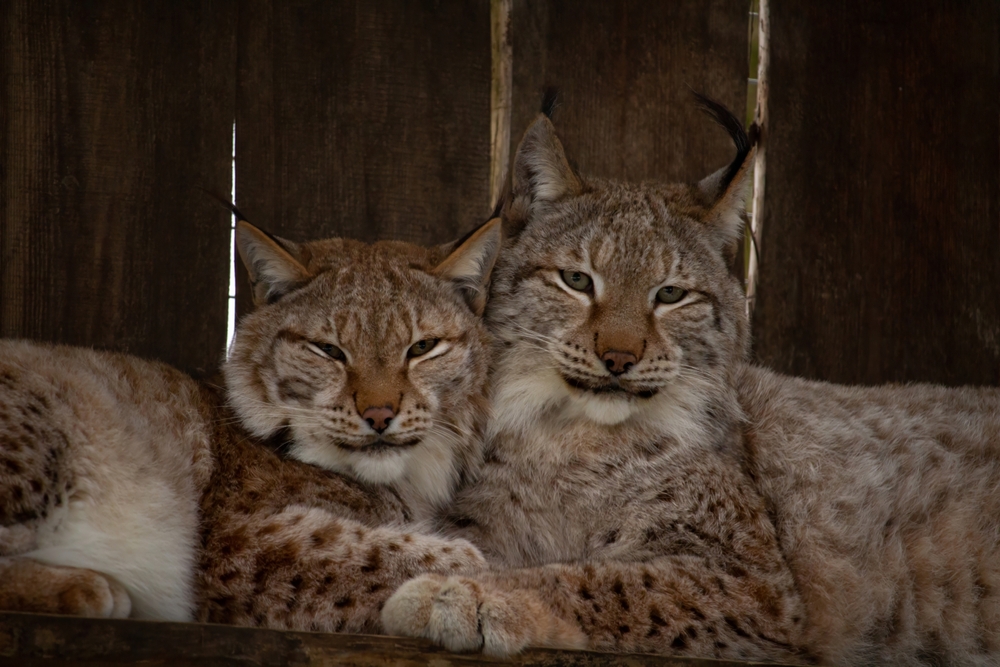
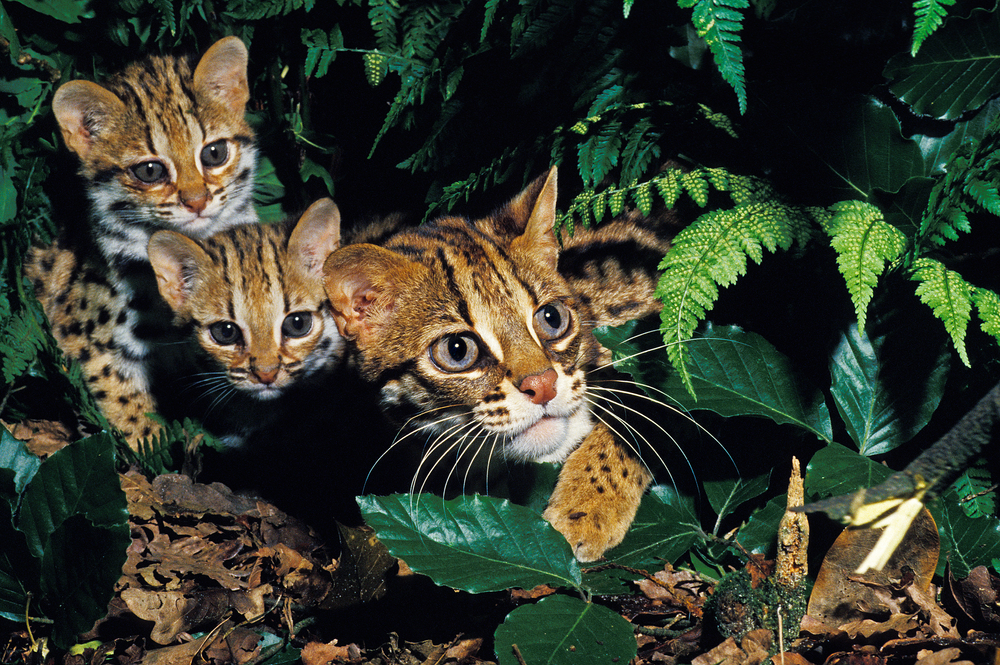
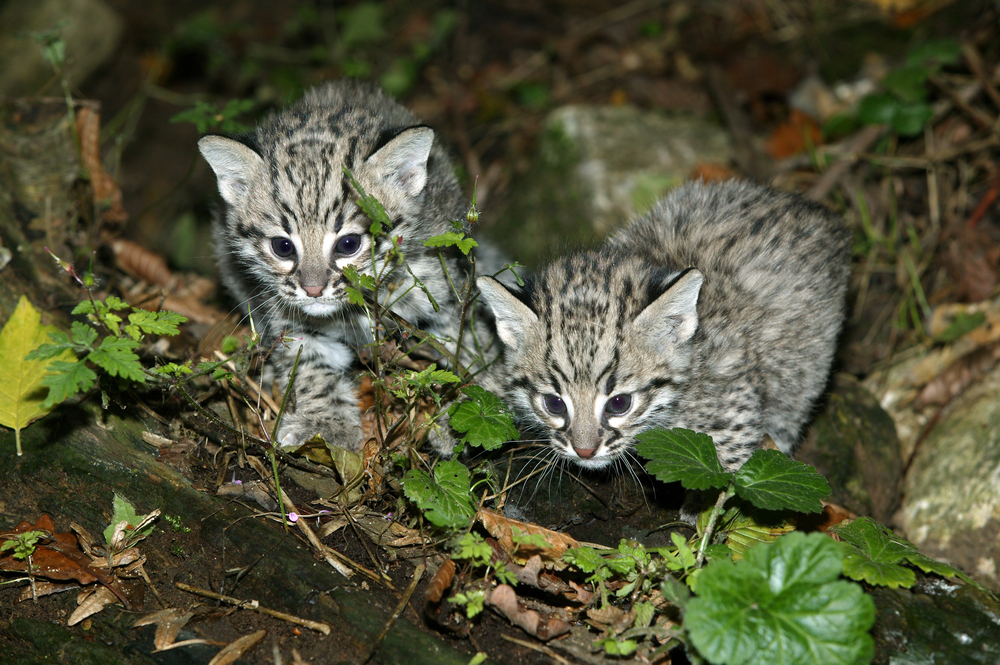
The tilcayo tiger cat is a small predator with a slender body, rounded ears, and spotted fur that resembles a miniature leopard. It lives in Bolivia’s Yungas cloud forests, a region where the Andes mountains connect with the Amazon basin.
Although scientists have only recently documented the species, local communities have known about the animal for generations. The name tilcayo comes from traditional knowledge passed down among people living near its habitat.
Nogales-Ascarrunz said researchers wanted to preserve that connection rather than replace the local name with something unrelated. The discovery also shows how local observations can help scientists identify species that have remained unknown to formal research.
The new species belongs to a group of small wild cats called tiger cats. These animals are found throughout parts of South and Central America, but many face growing threats as their habitats change.
Why Scientists Are Worried About Its Future
The discovery of a new species also creates an urgent challenge: protecting an animal that researchers still know very little about.
Scientists do not yet know how many tilcayo tiger cats remain in the wild or how widely they are distributed. Understanding the population size will be one of the next priorities for conservation teams.
“We really don’t know how many cats are still in the wild,” Nogales-Ascarrunz said. “We need science, we need more studies to answer this question, which is actually critical for its conservation.”
The researchers say tiger cats across South America are already dealing with habitat loss caused by expanding agriculture and development. The forests where the tilcayo lives may contain other species that remain undiscovered.
Key questions scientists hope to answer include:
- Population size: Researchers need to determine how many tilcayo tiger cats currently exist.
- Habitat range: Scientists want to learn whether the species lives only in Bolivia or across a wider region.
- Behavior: More studies are needed to understand its diet, movement, and breeding patterns.
- Conservation needs: Experts hope to identify the best ways to protect the species and its forest habitat.
A Century-Long Gap In Wild Cat Discoveries Ends
The tilcayo tiger cat’s discovery highlights how much remains unknown about Earth’s wildlife. Even animals that share the planet with humans can remain hidden from scientific records when they live in remote environments.
Small wild cats are often difficult to study because they are secretive, live across large territories, and rarely interact with humans. The tilcayo’s survival in the Yungas forests allowed it to remain unnoticed until researchers had the tools and opportunity to investigate.
The finding also shows the importance of combining modern science with knowledge from communities that have lived alongside wildlife for generations. The local name tilcayo existed long before scientists gave the species official recognition.
Researchers will continue studying the cat to learn more about its role in the ecosystem and how it can be protected. For now, a tiny feline that arrived at a sanctuary as a mystery has become the first new wild cat species identified in more than 100 years.