
Your cart is currently empty!
Scientists Are Testing Old Drugs For Their Anti Ageing Potential

A cheap diabetes pill, an old transplant drug, and compounds found in grape seeds are becoming unlikely stars of ageing research. None has been proven to make healthy humans live longer, but researchers are investigating whether existing drugs could eventually help people spend fewer of their later years dealing with age-related disease.
Contents
show
The idea sounds like something from a futuristic laboratory, yet some of the most closely watched candidates are already familiar medicines. The science is still developing, and researchers are increasingly focused on extending healthy years rather than promising immortality.
The Diabetes Drug That Started The Debate
Metformin has been used for decades to help control blood sugar in people with type 2 diabetes. It is inexpensive and familiar, but one large analysis of medical records helped push it into the world of longevity research.
In 2014, researchers compared 78,241 people who had started metformin with 12,222 people who had started a sulphonylurea, another type of diabetes medication. They also compared the groups with 90,463 people without diabetes.
The metformin group lived longer than the people without diabetes in the retrospective analysis. The result was striking, but it could not prove that metformin caused the difference because researchers were examining existing medical records rather than running a controlled experiment.
Longevity researcher Nir Barzilai has spent years pushing for a proper clinical trial. “There are a lot of people out there who sell you snake oil and tell you that you’ll live forever, and then when you die, nobody sues them,” he told BBC Science Focus.
An Old Transplant Drug Has Another Clue
Metformin is not the only established medicine attracting attention. Rapamycin has an even stranger history, beginning with soil collected on Easter Island and eventually leading to a drug used to prevent organ rejection after kidney transplantation.
Researchers later began investigating whether rapamycin could affect ageing. In 2009, three independent laboratories reported that mice given the drug at around 600 days old lived longer than untreated animals.
Female mice lived 14% longer and males lived 9% longer at the point when 90% of the animals had died. The finding helped make rapamycin one of the most closely watched compounds in ageing research, although animal results cannot establish that the same effect occurs in humans.
Scientists Are Trying To Remove Worn-Out Cells
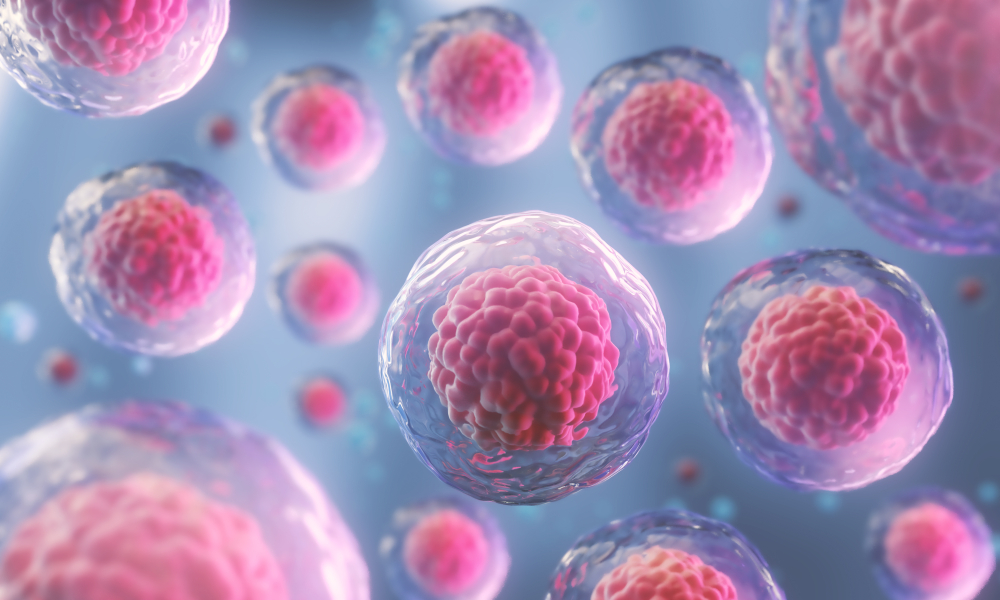
Another approach focuses on senescent cells. These are cells that stop dividing as they age but can remain in tissues and release inflammatory signals that may contribute to problems elsewhere in the body.
Drugs called senolytics are designed to target these cells while attempting to spare healthy tissue. Animal studies have reported improvements involving physical function, activity and lifespan, giving researchers another possible route for slowing age-related decline.
Ming Xu of the University of Connecticut’s Centre on Ageing compared the process to a spreading fire. “It’s like a fire that spreads. It’s a very small population of cells, but they have a very large and very damaging effect,” Xu said.
The findings remain experimental. The first human senolytic trial mentioned in the source involved just 14 patients and had no placebo group, so it cannot establish whether the treatment extends healthy human lifespan.
One Candidate Comes From Grape Seeds

The ageing research gets even more unexpected with procyanidin C1, a compound found in grape seeds. Researchers gave it intermittently to mice that were already 24 to 27 months old, roughly corresponding to 75 to 90 human years.
The mice experienced more than 60% longer median post-treatment lifespan, although the overall increase in lifespan was around 10%. Those results have since been used online to make much bigger claims about humans potentially reaching 150, but the mouse research does not support those promises.
Another senolytic candidate, ABT-263, has been tested on the skin of aged mice. Researchers treated the animals for five days before creating wounds, and by day 24, 80% of treated mice had completely closed their wounds compared with 56% of untreated animals.
The researchers described the treatment as “a potentially promising strategy for preoperative care.” The result remains an animal finding, so it cannot yet tell us whether the same approach would improve wound healing in older people.
Dogs Are Now Part Of The Experiment

Mice dominate ageing research because they are relatively easy to study, but dogs may provide another useful step toward understanding what happens in humans. Older dogs develop several age-related changes involving cognition, senses, mobility and the nervous system.
The Dog Aging Project is testing rapamycin through a placebo-controlled trial called TRIAD. The study is backed by a $7 million NIH grant and is being led out of Texas A&M.
Eligible dogs are over seven years old and weigh at least 44 pounds. The trial is targeting 580 dogs, and the source reported that 170 had been enrolled across 20 sites at the time of writing.
May Reed, a geriatrician at the University of Washington School of Medicine, said, “Dogs experience many of the age-related cognitive, sensory, neuropathologic and mobility changes that are common in older humans.”
The results could help researchers decide which ageing interventions deserve further human testing.
The Biggest Human Trial Still Has Zero Patients

Metformin’s potential longevity effects have been discussed for years, but one of the most ambitious human studies has struggled to get started. The proposed trial is called TAME, short for Targeting Aging with Metformin.
The study would involve 3,000 adults aged 65 to 79 who do not have diabetes. Participants would receive either 1,500mg of metformin each day or a placebo, with researchers following them for six years across 14 institutions.
There is a major obstacle: the trial has never enrolled a single patient.
Metformin is generic and inexpensive, creating little commercial incentive for pharmaceutical companies to finance an enormous clinical trial. Researchers therefore face the unusual problem of trying to establish whether a cheap existing medicine can be repurposed for one of the biggest questions in medicine.
Barzilai has argued that ageing should be formally recognized as an indication that can be treated, while stopping short of arguing that ageing itself should be classified as a disease.
There Is Still No Proven Anti-Ageing Pill
Despite the attention surrounding these drugs, there is currently no medication proven to slow human ageing and extend the lifespan of healthy people. That includes metformin, despite the years of research surrounding it.
David Cutler, a family medicine physician at Providence Saint John’s Health Center, told Medical News Today that there is “a plausible and increasingly interesting case that metformin may slow some aspects of biological aging, but the evidence is not yet strong enough to say that metformin extends human life span.”
Metformin can also cause side effects including nausea and diarrhoea, while vitamin B12 deficiency can occur and lactic acidosis is a very rare but serious risk. Cutler said, “It is not advisable for healthy people to take metformin for the purpose of improved longevity.”
The same caution applies to the other compounds being studied. Results from mice or small early-stage human studies cannot establish that a treatment will extend healthy human life.
Researchers Are Chasing Healthier Years
The focus of ageing research has increasingly shifted away from the idea of living forever. A 2024 Mayo Clinic analysis examined the gap between lifespan and years lived without major disease across 183 WHO member states and found that the global gap had reached 9.6 years.
In the United States, the gap was 12.4 years. Andre Terzic, the study’s senior author, said, “Growing older often means more years of life burdened by disease.”
That may explain why researchers are interested in these drugs in the first place. The goal is less about adding decades to the human lifespan and more about finding ways to reduce the amount of time people spend living with chronic disease.
For now, metformin remains a diabetes drug, rapamycin remains an established transplant medicine, and senolytics remain experimental. The intriguing possibility is that researchers may eventually discover that some of these old compounds can help people stay healthier for longer, but the evidence has not reached that point yet.