
Your cart is currently empty!
The Hidden Health Risk Facing California Quartz Countertop Workers

A kitchen upgrade that has become a fixture in modern homes is at the center of a growing health crisis in California. Workers who cut and polish engineered stone countertops are developing a severe lung disease that can permanently damage their ability to breathe.
Contents
show
The number of reported cases has risen sharply in recent years, with workers facing lung transplants, severe disability and premature death. California regulators are now moving toward a major restriction on the fabrication of engineered stone.
The Case Numbers Have Climbed At A Startling Rate
California health officials have been tracking a growing number of workers diagnosed with silicosis after exposure to dust generated while fabricating engineered stone countertops.
According to data cited in the recent analysis, reported California cases rose from 31 in 2019 to hundreds in the following years. One set of state data cited by researchers recorded 47 cases from 2019 through 2022, followed by 571 cases from 2023 through August of the current reporting period.
Another analysis of state figures reported 631 cases as of this week, including 151 cases during the current year.
The differences between the totals reflect different reporting periods and datasets used by the researchers. What they show consistently is a steep increase in diagnosed cases.
The disease has also proved unusually severe among many of the affected workers.
Researchers reported that dozens of workers have died and many others have undergone or been evaluated for lung transplantation. One analysis of California cases found that the disease was progressing faster than silicosis traditionally associated with occupations such as mining and construction.
David Michaels, a professor at George Washington University and co-author of the recent analysis, described the situation in stark terms.
“It’s leading to earlier deaths and severe disability,” Michaels said.
The median age of diagnosis in the larger California case series was just 45. The median age at death was 52 in the state data cited by researchers.
Those numbers have alarmed occupational health specialists because silicosis has traditionally been associated with much longer periods of exposure.
Why Quartz Countertops Are Causing Concern

Engineered stone is often marketed as quartz, but the material is substantially different from a natural slab of quartz.
The countertops are manufactured using crushed quartz combined with other materials. The resulting slabs are durable, resistant to staining and increasingly popular in kitchens and bathrooms.
The problem emerges when workers fabricate the slabs.
Cutting, grinding and polishing engineered stone can release respirable crystalline silica into the air. These microscopic particles can be inhaled deep into the lungs.
Silicosis develops when the lungs respond to silica exposure by forming scar tissue. Over time, that scarring can make it increasingly difficult for the lungs to transfer oxygen and function normally.
The California Department of Public Health has described silicosis as a severe and incurable lung disease.
Engineered stone can contain far more silica than many natural stone products. The published case series states that engineered stone contains more than three times the silica concentration of natural stone, with engineered products containing about 90% silica compared with roughly 3% to 30% for the natural materials examined.
That high silica content is one reason occupational health experts have focused so heavily on the countertop industry.
The danger does not come from simply having a finished countertop installed in a home. The major exposure described in the research occurs during fabrication, when slabs are cut, sanded or polished and dust can become airborne.
The Workers Getting Sick Are Often Relatively Young

The California cases have another striking characteristic.
Nearly all of the workers identified in the major case series were Latino immigrant men. The research found that almost all of the 52 patients studied were Spanish-speaking Latino immigrant men, most of whom had come from Mexico or Central America.
Los Angeles County accounted for 71% of the cases in that study.
The San Fernando Valley has become a major center for California’s artificial-stone fabrication industry, with numerous shops operating in the area.
The workers studied had typically spent many years in the industry. Reported silica exposure lasted between 16 and 25 years among workers included in the recent analysis.
For some workers, however, the disease appeared to progress rapidly once symptoms developed.
The California Department of Public Health issued an advisory in 2023 warning medical providers to look for silicosis among people with a history of cutting and finishing countertops.
At that point, the department had identified more than 70 California cases and at least 10 deaths.
The advisory noted that some affected workers were in their 30s and 40s.
It also warned that diagnosis could be delayed because early symptoms can resemble other respiratory illnesses.
Common symptoms include coughing and shortness of breath. Some workers were initially diagnosed with conditions such as pneumonia, tuberculosis, asthma or other lung disorders before silicosis was identified.
That delay can be especially serious when the disease is progressing rapidly.
Many Workers Do Not Know They Are In Danger
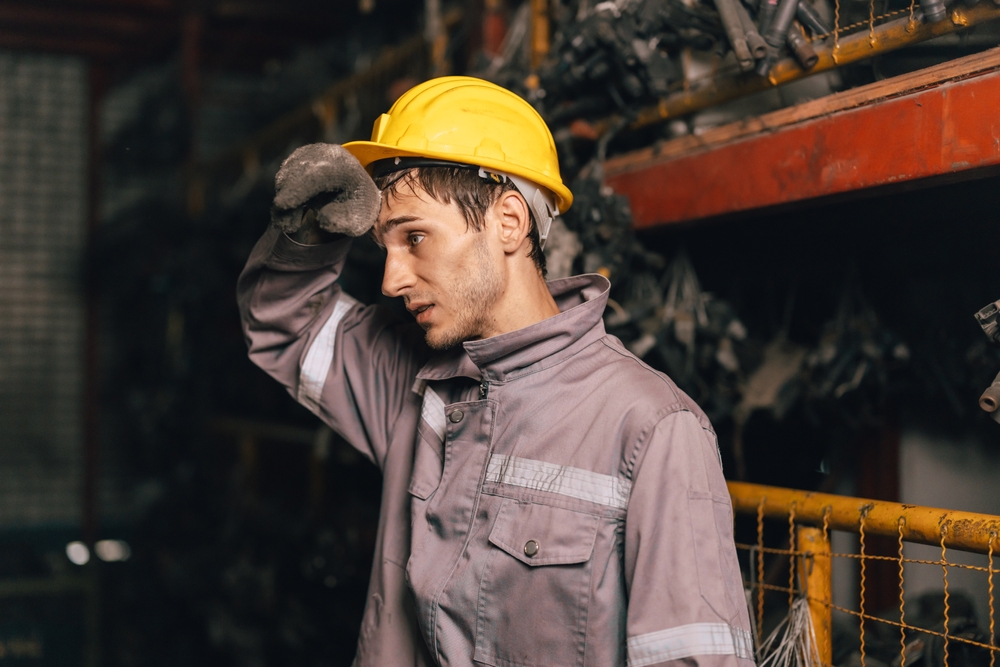
Silica dust is a workplace hazard that can be controlled, but researchers say safety failures remain widespread in California’s engineered-stone industry.
Workers can reduce exposure through measures including wet cutting, dust-control systems, specialized vacuums and properly fitted respirators.
California already established emergency standards for silica exposure in countertop fabrication shops.
The problem is compliance.
According to the sources cited in the recent research and occupational health petition, Cal/OSHA found violations at 94% of recently inspected artificial-stone fabrication shops. About 20% of those inspected shops required emergency shutdown orders.
The inspections covered only a fraction of the estimated industry.
The occupational medical association that petitioned California regulators said roughly 140 shops had been inspected, representing only around 10% of the estimated 1,342 fabrication operations statewide.
That raises a difficult question for regulators: what happens in workplaces that are never inspected?
The state’s own analysis warned that if engineered stone remains commercially available, some businesses that fail to comply with safety requirements could move underground. That could concentrate workers at the facilities least likely to follow safety rules.
For workers already exposed to silica dust, the consequences can appear years after the exposure begins.
That makes prevention particularly important because silicosis cannot simply be reversed once significant lung scarring has developed.
Lung Transplants Can Extend Life, But They Do Not Cure The Disease
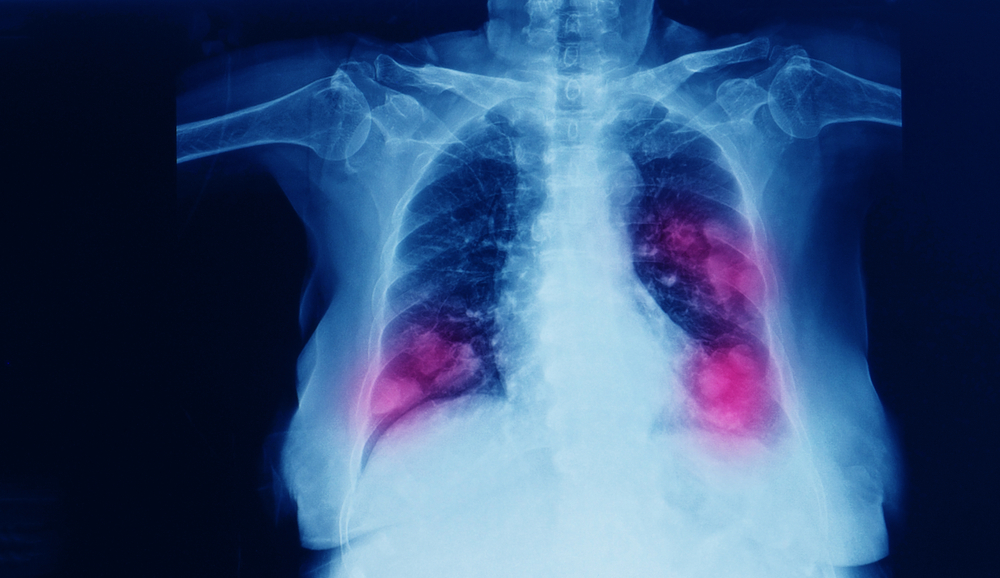
The most severe cases can progress to respiratory failure and require a lung transplant.
Researchers tracking California’s workers reported dozens of transplant cases and additional workers referred for evaluation.
A transplant can extend a patient’s life, but the underlying occupational exposure has already caused permanent damage.
The California case series found that 38% of the 52 patients had advanced disease characterized by progressive massive fibrosis.
Nineteen percent of those patients had died.
The figures offer a glimpse of how serious the disease can become before it is recognized.
Researchers also found evidence that some workers were diagnosed only after substantial damage had already occurred.
Michaels said the proportion of affected workers who had undergone transplantation or were waiting for a transplant was unusually high.
“It’s become clear that this product engineered stone countertops … cannot be manufactured safely and economically,” Michaels said.
He argued that engineered stone is unnecessary when safer countertop alternatives are available.
The concern is therefore not limited to whether individual workers are wearing enough protective equipment. Researchers and occupational health advocates are questioning whether the material itself can be fabricated safely at the scale of the current industry.
California Is Moving Toward A Quartz Fabrication Ban
California regulators have already taken steps that could dramatically change the countertop industry.
In late May, the California Occupational Safety and Health Standards Board voted to move forward with a petition seeking stronger restrictions on engineered stone fabrication.
The proposal would prohibit fabrication of engineered stone countertops and similar products containing the hazardous material.
The process is not the same as an immediate statewide ban on every quartz countertop.
California’s occupational safety agency does not have authority to prohibit the sale of the product. The regulatory process instead focuses on workplace fabrication and exposure.
Staff are now working on regulatory language that will have to go through review and approval before the restrictions can take effect.
The move follows concerns that existing safety rules have not been sufficient.
California’s emergency framework was established after officials began identifying a growing number of workers with severe silicosis.
A 2025 state law also expanded the California Department of Public Health’s role in silicosis surveillance, outreach and education. Silicosis became a mandatory reportable condition in the state.
Employers are required to take steps to protect workers when cutting, grinding or polishing slabs. Those measures include respirators and water-based dust suppression.
The regulatory debate has therefore shifted from whether silica exposure is dangerous to whether the industry can reliably prevent that exposure.
Australia Has Already Taken A Much Stronger Step
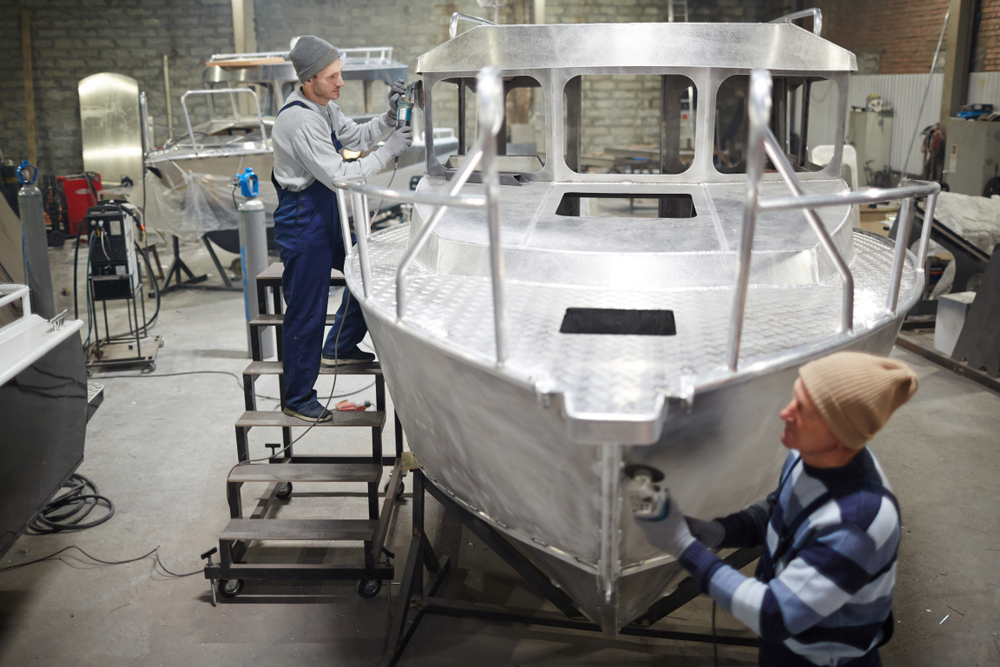
California regulators are also looking at what happened elsewhere.
Australia has already moved toward a nationwide prohibition involving engineered stone with high crystalline silica content.
The California occupational health petition pointed to Australia’s approach as evidence that a broader restriction could reduce workplace exposure.
Michaels and other researchers behind the recent analysis have supported California’s move toward stopping fabrication of the material.
The argument is straightforward: if shops cannot consistently control silica exposure despite regulations, inspections and protective equipment requirements, eliminating the hazardous fabrication process could remove the source of exposure.
That approach has consequences for businesses that manufacture and install countertops, however.
Industry groups have opposed the proposed restrictions, meaning California’s regulatory process is likely to face continued debate over worker safety, economic effects and available alternatives.
The central health concern remains the workers who are exposed to silica dust while transforming slabs into finished countertops.
What Workers Are Being Told To Do Right Now
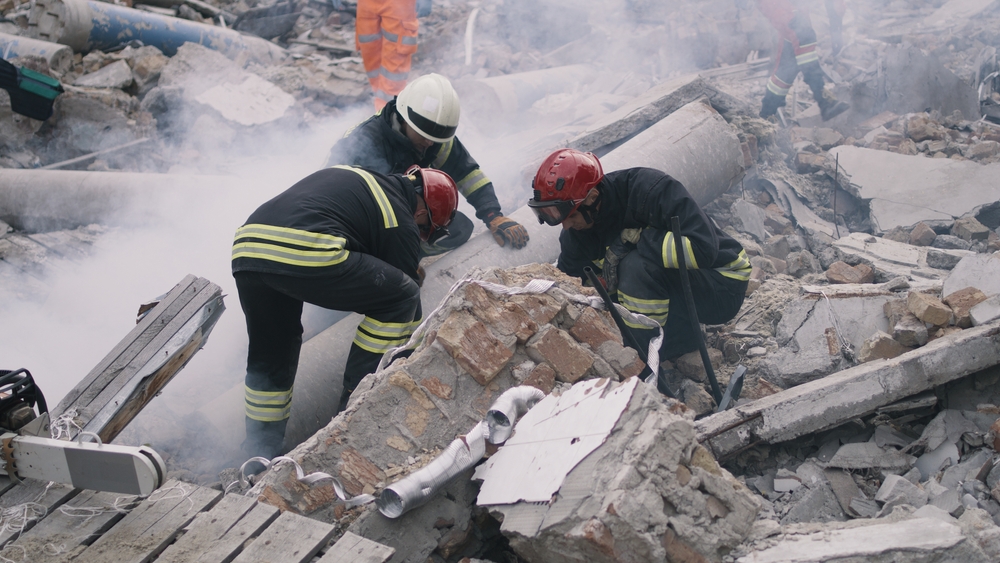
California health officials have urged medical providers to ask patients about their occupational history when respiratory symptoms appear.
For people who work with engineered stone, the state health advisory recommends several measures to reduce silica exposure:
- Use water when cutting or grinding countertops to suppress airborne dust.
- Use specialized vacuum systems to capture dust during fabrication and cleanup.
- Wear a properly fitted respirator when working around silica dust.
- Seek medical evaluation for persistent coughing or shortness of breath, particularly with a history of countertop fabrication.
- Report workplace safety concerns to Cal/OSHA when required protections are not being provided.
The health department also advises clinicians to consider silicosis even in workers who do not yet have obvious symptoms.
That is partly because early disease can be difficult to recognize.
Diagnosis can involve chest imaging, including X-rays or CT scans, along with pulmonary function testing. Early referral to pulmonary and occupational medicine specialists can help coordinate evaluation and care.
For people outside the fabrication industry, the sources do not describe ordinary use of a finished countertop as the exposure driving this outbreak. The concern is concentrated on workers who cut, grind, sand or polish engineered stone.
A Kitchen Material Has Become A Workplace Safety Test
The rapid rise in California’s reported cases has forced regulators to confront an uncomfortable reality.
A material prized for its durability and appearance can create a serious occupational hazard when workers manufacture it without adequate controls.
The people facing the consequences are often relatively young workers who spent years producing countertops for homes and businesses.
For some, the result has been permanent disability. For others, it has meant a lung transplant or death.
California now faces a decision that goes beyond countertop design. Regulators must determine whether the existing rules can protect workers or whether removing the fabrication hazard is the more effective solution.
For the workers already diagnosed with silicosis, however, that decision comes too late. Their lungs cannot simply be repaired by changing the rules, which is why the fight over engineered stone has become a question of prevention rather than convenience.