
Your cart is currently empty!
Earth Has Nine Critical Limits And Scientists Say Seven Are Already Crossed
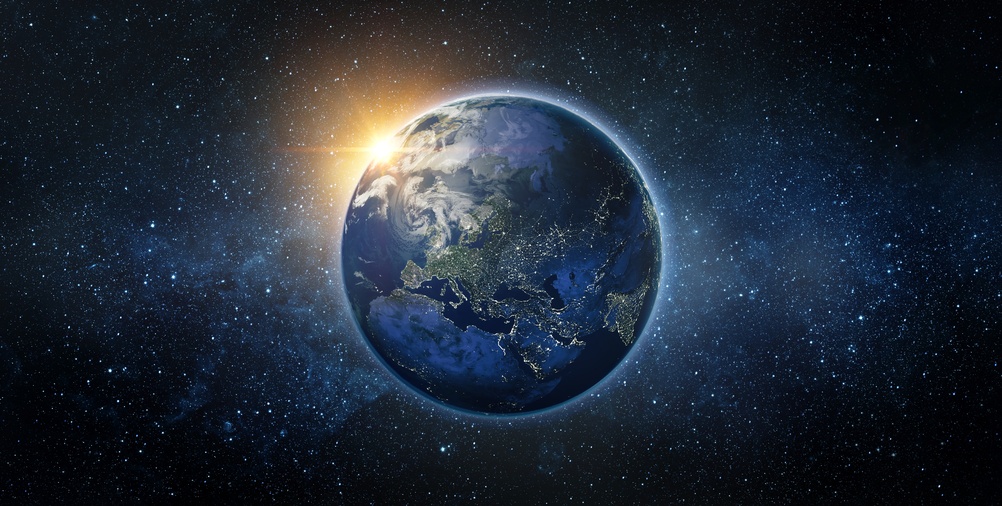
Earth has nine major environmental boundaries that scientists use to track how much pressure the planet can take. A new assessment says humanity has now pushed seven of those systems beyond the limits considered safe.
Contents
show
The latest findings include worsening climate pressure, accelerating biodiversity loss and a newly breached ocean acidification boundary. Yet there is one striking exception that shows environmental damage can be reversed when countries act together.
Scientists Have Been Tracking Nine Planetary Boundaries
The planetary boundaries framework was introduced in 2009 by Earth system scientists trying to answer a difficult question: how far can humanity push the planet before its systems become increasingly unstable?
The framework identified nine major boundaries covering climate change, biodiversity, land use, freshwater, nutrient pollution, synthetic chemicals, ozone, atmospheric aerosols and ocean acidification.
Scientists set each boundary below the point where serious disruption might occur. Staying inside the limits is considered part of a safer operating space for human civilization and the ecosystems that support it.
The boundaries are not predictions of when disaster will happen. They are more like warning lines that show when the risks associated with further environmental pressure are increasing.
Seven Boundaries Have Now Been Breached

Ocean acidification was the final boundary to cross into the unsafe zone. Scientists formally assessed it as having passed the boundary in 2025, bringing the total number of breached boundaries to seven.
The seven boundaries now outside the safe operating space are:
- Climate change: Atmospheric greenhouse gas concentrations have moved well beyond the boundary.
- Biosphere integrity: Species are disappearing at rates far above the boundary.
- Land system change: Natural landscapes have been heavily transformed by human activity.
- Freshwater change: Human pressure has altered freshwater systems beyond the proposed safe range.
- Biogeochemical flows: Excess nitrogen and phosphorus are disrupting natural cycles.
- Novel entities: Synthetic chemicals, plastics and other human-made substances are placing growing pressure on ecosystems.
- Ocean acidification: Changing seawater chemistry has now crossed the planetary boundary.
Only two boundaries remain within their global limits: stratospheric ozone and atmospheric aerosol loading. The researchers caution, however, that global aerosol figures can hide serious regional air pollution.
Ocean Acidification Has Finally Crossed The Line
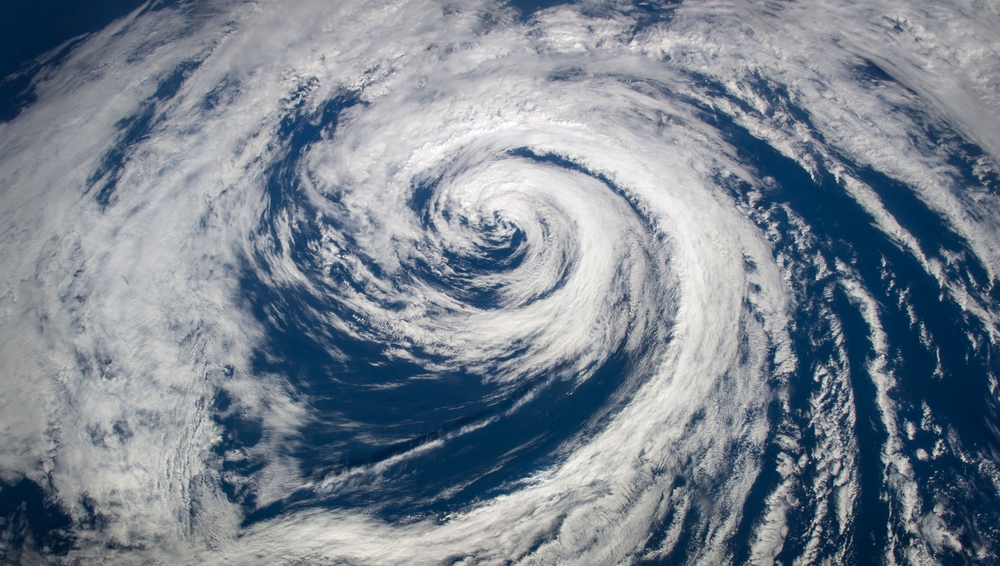
Ocean acidification can sound abstract, but its effects reach directly into marine ecosystems.
Scientists use aragonite saturation to measure how suitable seawater is for organisms that build shells and skeletons. Before industrialization, the global surface average was around 3.57, while the planetary boundary was set at 2.86.
The latest assessment placed the global average below that threshold. The change does not trigger a sudden transformation in the ocean, but increasingly acidic conditions make it harder for organisms such as corals and shell-building animals to form their structures.
Coral Reefs Are Already Showing The Pressure
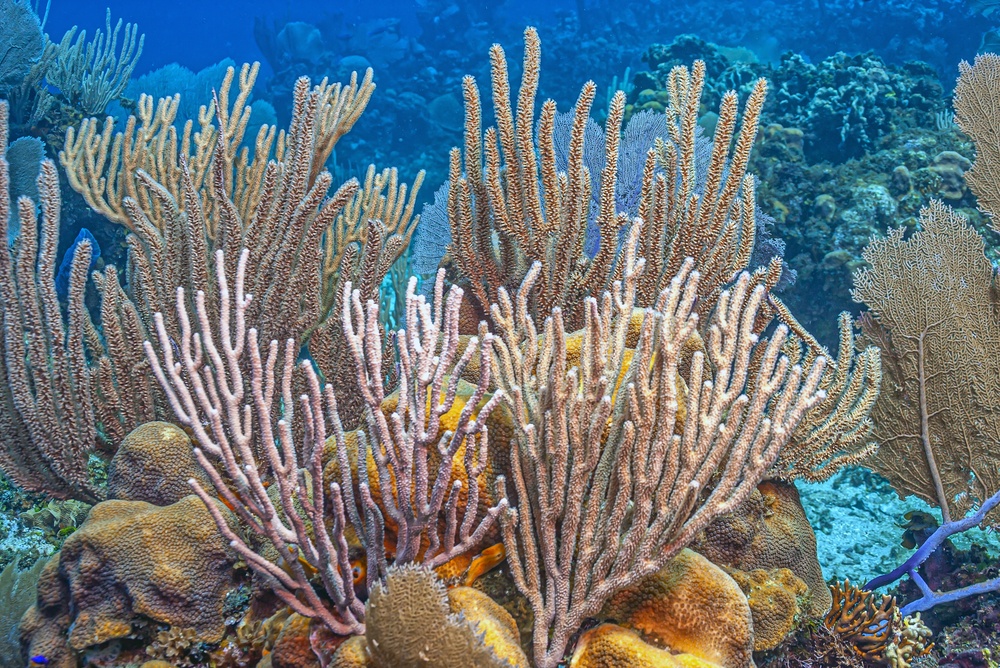
Coral reefs provide one of the clearest visual examples of a changing ocean.
Between January 2023 and September 2025, bleaching-level heat stress reached roughly 84.4% of the world’s coral reef area. When corals experience severe heat stress, they can expel the algae living inside their tissues, leaving them white and vulnerable to starvation.
Ocean warming and acidification are separate pressures, but they interact with the same marine ecosystems. The result is increasing stress on some of the planet’s most biologically important habitats.
Climate Change Is The Furthest Beyond Its Boundary
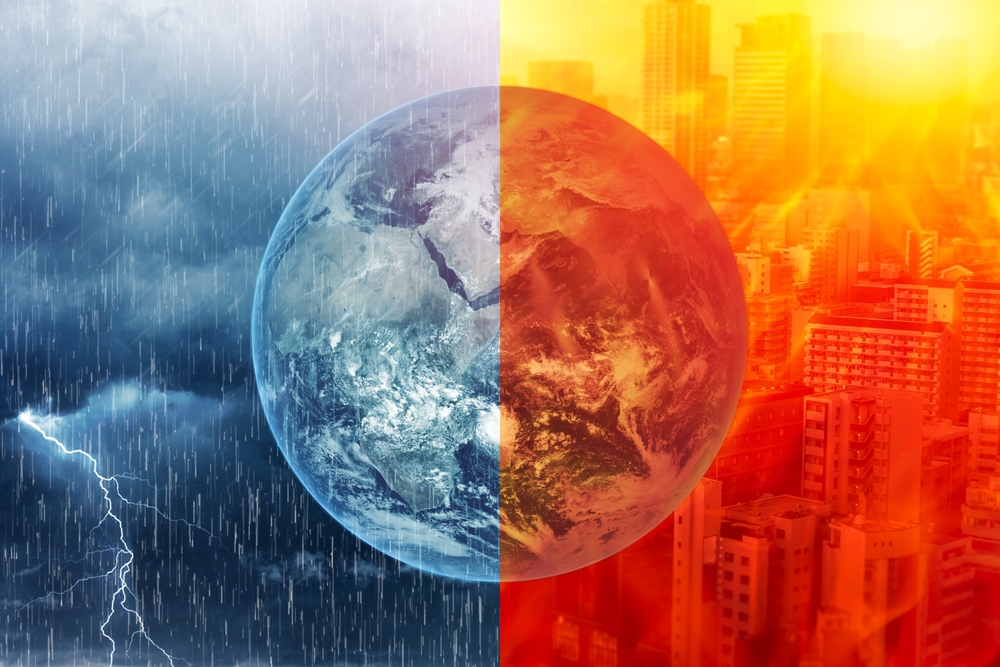
Climate change remains the most visibly breached planetary boundary.
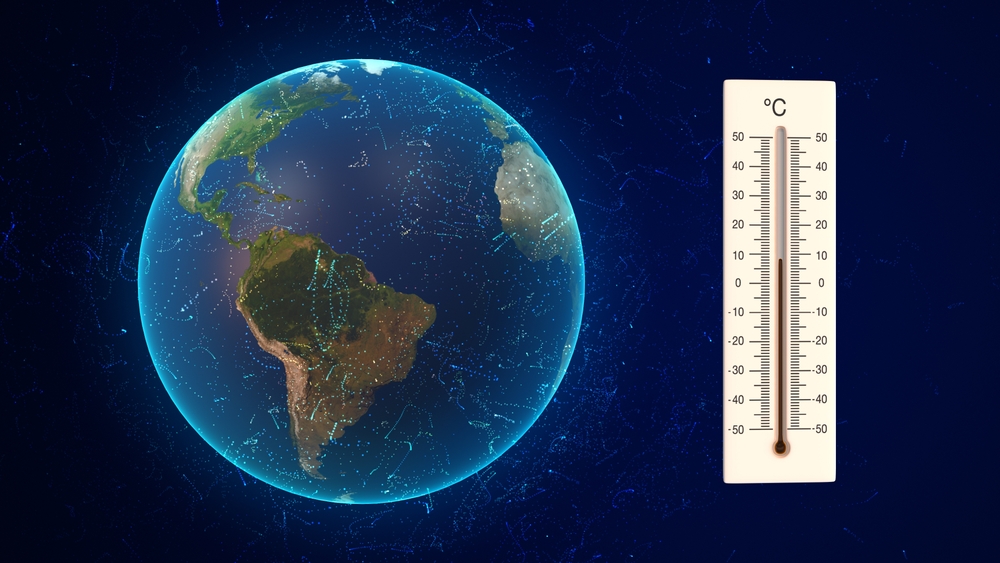
Atmospheric carbon dioxide reached 426 parts per million in the latest assessment. Before the Industrial Revolution, atmospheric carbon dioxide was around 280 parts per million, while the planetary boundary was set at 350 parts per million.
That threshold was crossed in 1987, and atmospheric carbon dioxide has continued rising since then.
The physical consequences are already being recorded around the world. Global ocean heat content reached a record in 2025, while Western Europe experienced its hottest June and July on record in 2026, alongside drought and wildfires affecting several countries.
Pakistan’s 2025 monsoon floods also affected more than 6.9 million people. Individual disasters have many causes, but the planetary-boundaries framework examines the broader environmental conditions that influence these events.
Earth’s Carbon Sinks May Be Losing Their Strength
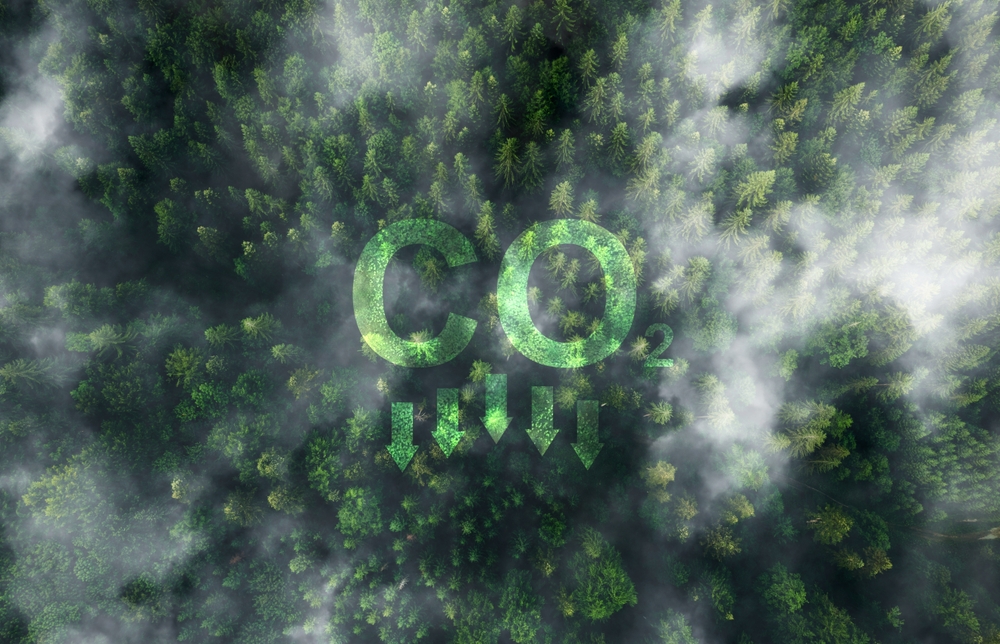
Another finding in the assessment has scientists watching forests, soils and oceans particularly closely.
These natural carbon sinks absorb roughly half of humanity’s carbon dioxide emissions. Their ability to remove carbon from the atmosphere is an important part of efforts to limit further climate change.
The researchers say current observations raise concerns that these systems may be losing some of their buffering capacity as human pressure increases.
“Our path to net-zero emissions relies on functioning carbon sinks,” Boris Sakschewski of the Potsdam Institute said. “Current observations raise the alarm that our planet may be losing its buffering capacity against the increasing pressures we’re putting on it.”
If natural systems absorb less carbon, more remains in the atmosphere. That creates additional pressure on an already strained climate system.
Biodiversity Is Under Pressure Too
The biosphere integrity boundary measures the condition of Earth’s living systems, including species loss and the amount of biological production appropriated by humans.
The planetary boundary for extinction was set at 10 extinctions per million species each year. The current estimated rate is above 100, putting the measure far beyond its proposed safe range.
Researchers also examine how much of Earth’s biological production humans use through agriculture, livestock, forestry and other activities. The safe figure was set below 10% of the biological production associated with Holocene ecosystems, but a 2020 estimate placed human appropriation at around 30%.
The Pressure Does Not Stop With Extinctions
When natural habitats are converted for human use, ecosystems lose space and resources that support other species.
That pressure can then connect with other planetary boundaries. Forest loss can reduce carbon storage, while climate change can further damage ecosystems already affected by habitat destruction.
The boundaries therefore describe a connected system rather than nine separate environmental problems.
The Planetary Boundaries Are Linked
A major theme of the latest assessment is how strongly these systems influence one another.
Deforestation can reduce the amount of carbon stored by forests, adding pressure to the climate system. Rising temperatures can then contribute to ocean warming, which places additional stress on coral reefs and other marine ecosystems.
Carbon dioxide also dissolves into seawater and contributes to ocean acidification. That can affect organisms that depend on specific chemical conditions to build shells and skeletons.
Hindou Oumarou Ibrahim, chair of Planetary Guardians, described the connection this way: “These are not separate emergencies; the planet is telling us, in every region at once, that it is out of balance.”
That interconnectedness means progress in one area can also influence the pressure felt elsewhere.
Ozone Shows That The Direction Can Change
There is one major reason the latest assessment does not amount to a story of environmental decline with no way back.
The stratospheric ozone layer is recovering after decades of damage. Atmospheric aerosol loading also remains within its global boundary, although the report notes that regional pollution can still be severe.
The ozone recovery followed the Montreal Protocol, an international agreement signed in 1987 to phase out chemicals responsible for damaging the ozone layer.
The timing is striking because 1987 also marked the year atmospheric carbon dioxide passed 350 parts per million. One environmental trend began moving back toward safety, while another continued in the wrong direction.
The ozone story shows what can happen when scientists identify a threat, governments agree on action and industries change their practices.
Seven Breached Boundaries Are A Warning, Not A Deadline
Crossing seven planetary boundaries does not mean Earth has suddenly become unlivable. The assessment instead shows that humanity has moved outside the environmental conditions considered safer for maintaining the relatively stable Earth system that supported human civilization.
That distinction is important because the boundaries can move in both directions.
“We do not have the luxury of time, but we do have the knowledge, capacity and solutions to change course,” Johan Rockström, one of the scientists behind the planetary-boundaries framework, said.
The measurements will continue to change as scientists monitor Earth’s systems. The ozone recovery offers evidence that coordinated action can move a planetary system back toward safer conditions, while the seven breached boundaries show how much more pressure the remaining systems are now carrying.