
Your cart is currently empty!
The Human Brain Turns Everyday Moments Into Meaningful Stories
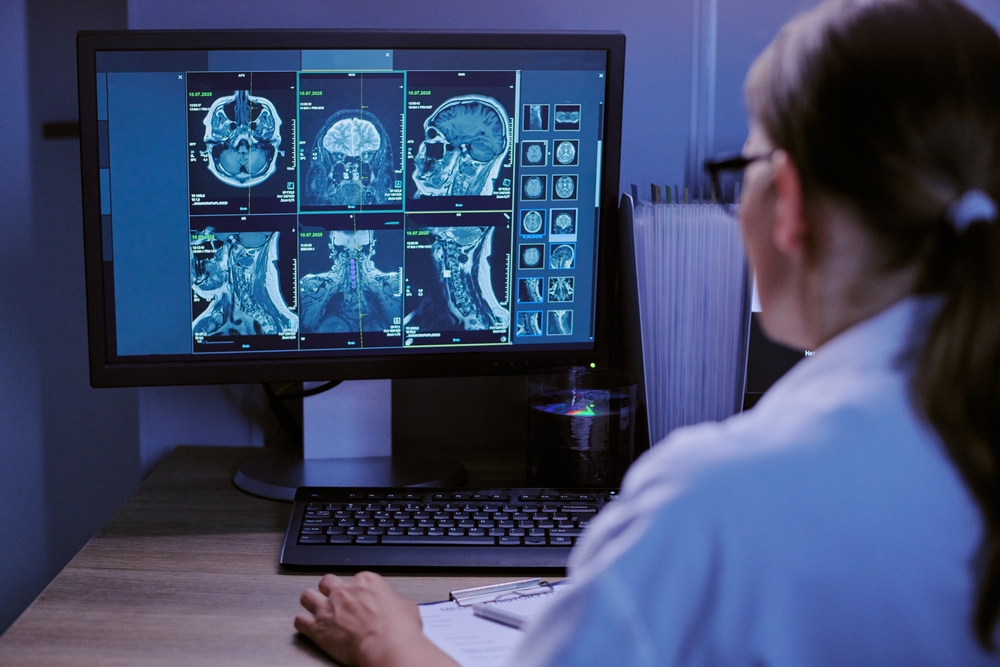
You may think you remember life as it happened. Neuroscience suggests your brain has been editing along the way, cutting some moments and holding tightly to others.
Contents
show
Every conversation, errand and ordinary afternoon arrives as one continuous stream. Yet your mind somehow turns that stream into scenes, chapters and connections that later become the story you remember.
Your Brain Doesn’t Record Life Like A Camera
Screenwriter Jesse Andrews faced this problem while writing Pixar’s Luca. A screenplay has no room for every ordinary afternoon that shaped a character, so the writer must decide which moments stay and which disappear.
Andrews told Scientific American that creating a narrative means sweeping almost everything off the table and focusing on a few things. Neuroscientists have spent years studying whether the brain performs a similar task.
Their research suggests human experience is not stored as a complete recording of reality. Instead, the brain appears to organize what happens into meaningful pieces.
That may help explain why a single awkward conversation from years ago remains vivid while countless ordinary days have almost completely vanished.
Five People Watching A Western Changed The Question
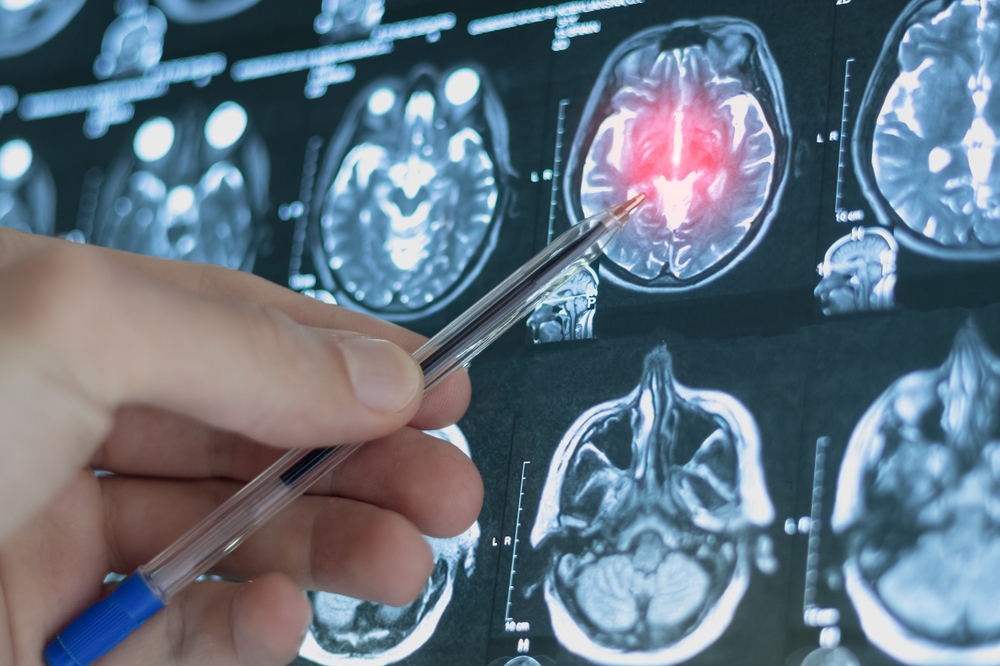
In 2004, neuroscientist Uri Hasson placed five people in an fMRI scanner and showed them The Good, the Bad and the Ugly. Much brain research at the time relied on controlled experiments involving simple images, signals or tasks.
Hasson wanted to study something closer to real life. A film contains scenery, dialogue and changing events that unfold continuously, giving researchers a chance to observe how the brain handles a complicated narrative.
The five participants showed similar patterns of brain activity while watching the movie. Those similarities appeared beyond regions simply processing the images and extended into areas involved with following the changing events.
Five people represented a very small sample, and Hasson later expanded on the work. Still, the experiment raised a fascinating question: how does the brain decide where one meaningful event ends and another begins?
The Brain Appears To Make Its Own Cuts

Christopher Baldassano, a cognitive neuroscientist, has investigated where those mental boundaries may occur. A film arrives as one flowing sequence, and so does an ordinary afternoon, but neither experience feels completely continuous when people remember it later.
The brain appears to divide experience when it detects meaningful changes in place, time or situation. Walking down a street and entering a shop can become the boundary between two separate events.
A 2017 study involving Baldassano, Janice Chen, Hasson and other researchers examined how different brain regions processed a film. Sensory areas appeared to divide the experience into relatively brief pieces, while higher-level regions held information across longer stretches.
Those longer boundaries matched scene changes reported by viewers. The findings suggest the brain may organize experience across several timescales, from brief moments to much larger chapters.
Small Moments Can Become Larger Chapters
A quick visual change, a conversation and an entire afternoon can represent different levels of the same experience. That layered organization may help the brain manage an overwhelming amount of information.
Memory may begin taking shape while life is still happening. Before someone consciously looks back on an event, the brain may already have separated it from what came before.
Your Brain May Already Know The Basic Script
One of the most interesting findings involves the mental frameworks people use to understand familiar situations. Baldassano’s team showed 33 people eight movie clips, including four set in restaurants and four in airports.
The films featured different people and stories, yet similar sequences of neural patterns appeared across viewers for each type of location. The brain seemed to recognize the general structure of a familiar event even when the details changed.
Baldassano compared the process to a coloring book page. Some of the outlines are already present before the details are filled in, giving the brain a framework for what it expects to happen.

Familiar Settings Give The Brain A Framework
A restaurant visit often follows a recognizable sequence involving arrival, ordering, eating and leaving. An airport visit also has familiar stages, even though every trip contains different people and destinations.
The research suggests these scripts can help organize new information. People whose brains followed the airport sequence more clearly also remembered more about the airport story.
A 2024 study examined stories involving overlapping contexts, such as a proposal in a restaurant or a business deal at an airport. The framework listeners were encouraged to use influenced which details they retained.
Several elements may help determine how an experience is organized and remembered:
- Changes in setting: Moving into a different place can signal the start of a new event.
- Changes in situation: A meaningful shift can create a mental boundary.
- Familiar scripts: Existing knowledge provides a framework for new experiences.
- Cause and effect: Connected events may remain stronger in memory.
- Personal framing: Perspective can influence which details receive attention.
The findings suggest that attention can play a role in how the brain categorizes incoming information.
Cause And Effect Can Shape What Survives
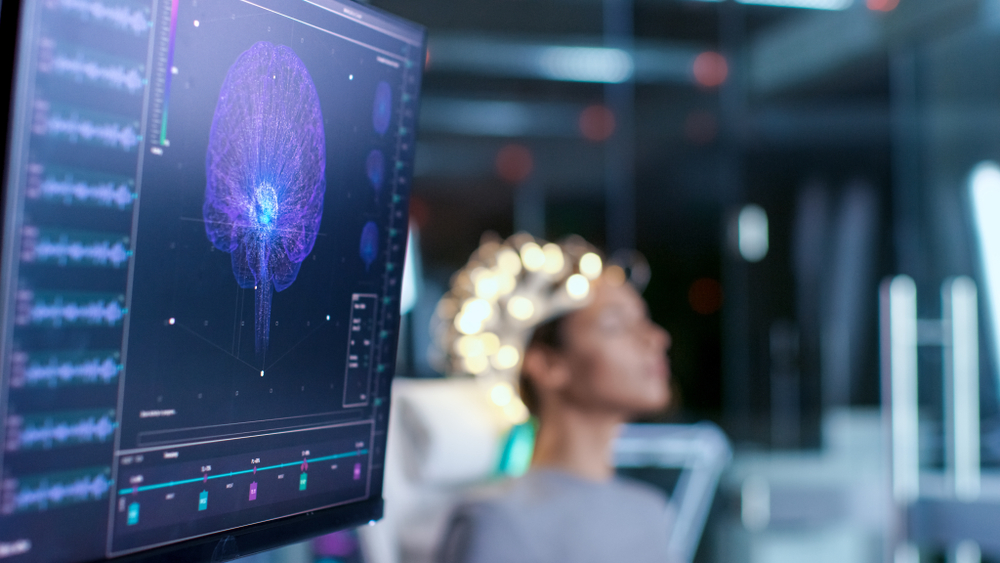
Janice Chen’s research has examined what happens after an experience is stored. Memory does not appear to replay events like a perfect recording, because the brain continues organizing what happened around meaningful connections.
Scenes linked by cause and effect can be encoded more strongly than events that simply occurred next to each other in time. Research described in the source article found greater activity involving the default mode network when events were connected as part of a larger narrative.
Chen told Scientific American, “Narrative is fundamental to the way that people remember their day, their week and their life.”
The connections between events may therefore matter as much as their chronological order. The week stored in memory can become a selective version of the week that actually happened.
Even Ordinary Stories Can Feel Easier To Remember

In October 2025, researchers at McGill University published a study involving 35 adults who listened to three deliberately ordinary stories. The stories focused on visiting a restaurant, taking a flight and buying groceries.
Each version contained the same core events, but some included sensory details while others focused more heavily on what the characters thought and felt. Both versions were recalled with roughly similar accuracy.
Participants described the more reflective versions as easier to rehearse and more enjoyable, and they remembered them with greater confidence. Encoding those stories also involved tighter communication between the hippocampus and the default mode network.
The Science Still Has Limits
The findings are interesting, but the research comes with limitations. Many of these studies involve dozens of participants, and fMRI shows which brain regions change activity together rather than proving direct cause.
A 2021 experiment involving 36 listeners found that connectivity patterns may relate more strongly to the specific content of a story than to one universal method of processing narratives. Researchers are still working out exactly how different brain systems contribute to understanding and remembering stories.
Stories May Briefly Put Brains In Sync

Perhaps the strangest finding comes from an experiment involving a speaker and listeners. Hasson’s team recorded a woman telling an unrehearsed story and later played that recording to 11 people while their brains were scanned.
The listeners’ brain activity tracked patterns associated with the speaker’s activity. In some regions, listeners appeared to move slightly ahead of her words, possibly because they were anticipating what might come next.
When the story was played in a language the listener did not understand, the tracking disappeared. Understanding the narrative appeared to be central to that connection.
The sample was small, so the experiment cannot explain every emotional response people have to stories. However, it offers a clue about why humans can become absorbed in another person’s experience through language alone.
The Life You Remember Has Already Been Edited
The science brings the story back to Jesse Andrews and the challenge of writing Luca. A screenwriter removes most of a character’s life because a story cannot hold every detail with equal importance.
Your brain faces a similar problem every day. It cannot preserve every sound, glance, thought and movement equally, so experience appears to be sorted into events and connected through familiar frameworks.
Some moments become scenes that remain vivid for years, while others fade almost immediately. The version of last year that exists in your memory may contain less of everything that happened and more of what your brain decided belonged together.
That editing process is still taking place while life unfolds. The next ordinary afternoon may disappear, become a forgotten detail in a larger chapter, or turn into one of the scenes that helps define the story you remember as your life.