
Your cart is currently empty!
Doctors Warned He Might Never Move Again. Then An Experimental Stem Cell Treatment Changed His Recovery

A serious car accident left Kristopher Boesen paralyzed from the neck down, with doctors warning that he might never regain control of his limbs. He also struggled to breathe independently, making his recovery even more challenging. At just one moment, his future had changed completely, and the possibility of returning to a normal life seemed increasingly distant.
Contents
show
Then Kris discovered an experimental stem cell treatment that was being tested on people with severe spinal cord injuries. Rather than accepting the limited options available to him, he decided to participate in a clinical trial. Within two weeks of receiving the injections, he began showing signs of movement in his arms and hands. Three months later, he was able to write his own name again.

A Devastating Accident Left Him Paralyzed From The Neck Down
In March 2016, Kristopher Boesen, known as Kris, was involved in a serious car accident that caused a severe spinal cord injury. The damage left him paralyzed from the neck down, taking away his ability to control his limbs and making even basic everyday activities difficult. His injuries also affected his breathing, and he required assistance from a respiratory care team while recovering.
Doctors warned Kris that he might never regain control of his arms and legs. One available option was a standard surgical procedure intended to stabilize his spine, although this was unlikely to restore his lost motor and sensory functions. Facing the possibility of permanent paralysis, Kris began looking into other medical options that might offer a chance of improving his condition.
That search eventually led him to an experimental clinical trial involving stem cell-derived treatment. The study was investigating whether specially developed cells could help repair some of the damage caused by spinal cord injuries. Kris decided to take the opportunity, knowing that the treatment was still being investigated and that its results were uncertain.
Scientists Were Testing A Treatment Designed To Repair Spinal Cord Damage
The clinical trial was led by Dr. Edward D. Wirth III, chief medical director of Asterias Biotherapeutics. Researchers were investigating a treatment called AST-OPC1, which consisted of oligodendrocyte progenitor cells derived from embryonic stem cells. These cells have the potential to develop into oligodendrocytes, which produce myelin, the protective coating surrounding nerve fibers in the brain and spinal cord.
Myelin plays an essential role in helping electrical signals travel between nerve cells. When the spinal cord suffers serious damage, this communication system can become disrupted, affecting movement and sensation. Researchers hoped that introducing OPCs into the injured area could help restore some of the biological support needed for nerve cells to function.
The treatment was designed to support several processes that could potentially improve the environment surrounding the injury. Scientists wanted to reduce the size of the injury cavity, encourage myelin production, stimulate nerve cell growth, and promote the formation of blood vessels that could deliver oxygen to damaged tissue. These were the goals being investigated, rather than guaranteed results of the procedure.

Kris Had To Meet Strict Medical Requirements Before Receiving The Injection
Participation in the clinical trial involved several medical requirements. One of the most important was that patients needed to be capable of breathing independently before receiving the treatment. This presented an additional challenge for Kris because his accident had left him struggling with respiratory function.
With assistance from his respiratory care team, Kris eventually reached the point where he could breathe without a ventilator. This allowed him to meet an important eligibility requirement and proceed with the experimental treatment. The trial was carefully designed around patients who were medically stable enough to undergo the procedure during a specific period following their injuries.

The eligibility requirements included:
- Age: Participants had to be between 18 and 69 years old.
- Medical stability: Their condition needed to be stable enough to receive the experimental injection.
- Treatment window: The injection had to be administered between 14 and 30 days after the spinal cord injury.
- Breathing ability: Participants needed to be able to breathe independently.
- Clinical approval: Patients had to meet the study’s medical requirements before being accepted.
Keck Medical Center was among six authorized locations in the United States where eligible participants could enroll and receive the clinical trial dosage. The research was part of a phase 1/2a study, which was primarily investigating the safety of different doses of AST-OPC1.
The First Signs Of Movement Appeared Just Two Weeks Later
After receiving the experimental injection, Kris began showing early signs of improvement. Within approximately two weeks, he was able to achieve some minor movement in his arms and hands. Although the movements were initially limited, they represented a significant development for someone who had previously been unable to control his limbs.
His progress continued over the following weeks. As his recovery developed, he began regaining abilities that had seemed out of reach immediately after the accident. The changes were particularly encouraging because they involved movements that could help him become more independent in his daily life.
Around three months after the procedure, Kris had regained enough movement to hold a pen and write his own name on paper. He also became capable of performing a number of other everyday tasks. His recovery had progressed from complete immobility to being able to carry out activities independently, marking a significant change in his condition.
What Makes Stem Cells Important In Spinal Cord Research?
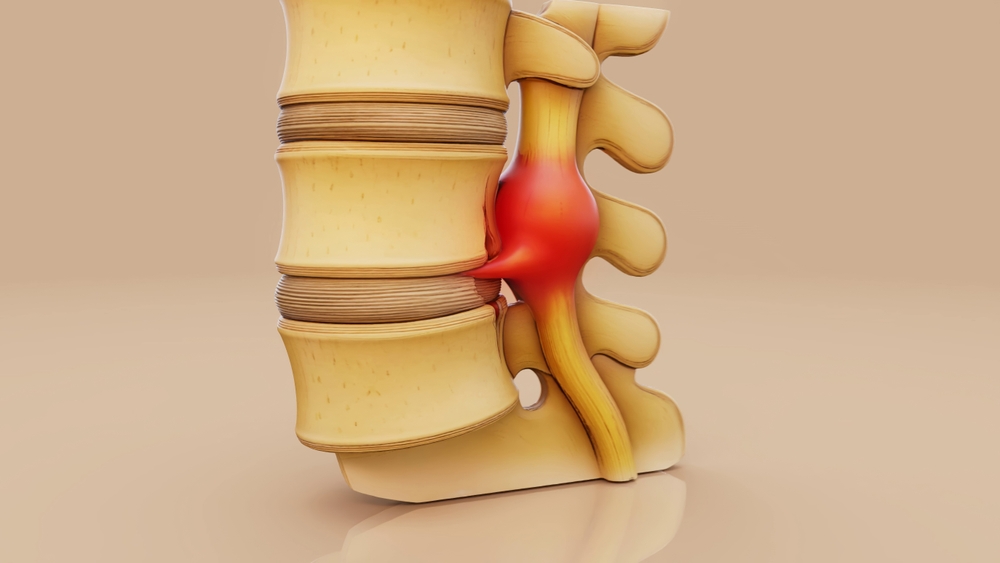
Spinal cord injuries can have life-changing consequences because the spinal cord carries messages between the brain and the rest of the body. These signals allow people to move their muscles, feel sensations, and control various bodily functions. When an injury damages this communication pathway, the effects can include paralysis, loss of sensation, and difficulties with breathing or bladder control.
One of the biggest challenges is that severely damaged spinal cord tissue has limited natural repair capabilities. Injured nerve pathways may struggle to reconnect, leaving the brain unable to communicate effectively with muscles below the damaged area. This is why scientists have been investigating regenerative medicine as a possible way to support the repair process.
Stem cell research offers several potential approaches because certain stem cells can develop into specialized cells found in different parts of the body. In the case of AST-OPC1, researchers focused on oligodendrocyte progenitor cells because of their role in producing the cells responsible for myelin. By supporting this process, scientists hoped to improve the conditions surrounding injured nerve fibers and potentially help restore some neurological functions.
The Clinical Trial Was Still In Its Early Stages
Despite Kris’s progress, the treatment was still experimental when he received it. The phase 1/2a clinical trial was designed primarily to evaluate safety and investigate suitable dosing levels. Researchers were also interested in gathering early information about how the treatment behaved in human patients following spinal cord injuries.
The study was progressing toward a 10-million-cell dose, which had shown effectiveness in earlier preclinical research. These earlier findings provided the basis for further investigation, but results from preclinical studies cannot establish whether a treatment will work safely and consistently in people. Human clinical trials are necessary to determine whether the potential benefits can be reproduced.

Kris’s recovery offered an encouraging example of what researchers were investigating, but one patient’s experience cannot establish that stem cell injections can reverse paralysis. Spinal cord injuries differ considerably in their severity and location, and recovery can involve several medical and rehabilitation factors. Larger clinical studies are needed to establish the treatment’s safety, effectiveness, and potential limitations.
Thousands Of People Experience Spinal Cord Injuries Every Year
The need for better spinal cord injury treatments remains significant. The National Spinal Cord Injury Statistical Center estimated that approximately 17,000 new spinal cord injury cases occur in the United States each year. These injuries can affect people of different ages and backgrounds, with consequences that may continue throughout their lives.
For people living with paralysis, regaining even a small amount of movement can make a substantial difference to everyday independence. Being able to hold an object, write, or perform basic tasks can change how someone manages daily activities. These are the kinds of improvements researchers hope future regenerative treatments might help more patients achieve.
Kris Boesen’s recovery brought attention to the possibilities being explored through stem cell research. His experience demonstrated why scientists continue investigating ways to repair damaged spinal cord tissue, even though significant medical challenges remain. For researchers, the next step is establishing whether similar improvements can be achieved consistently in larger groups of patients.
Kris went from being unable to move his arms and hands to writing his name again within months of his experimental treatment. His experience shows just how much is at stake in the search for better spinal cord injury treatments, and why every carefully studied advance deserves attention.