
Your cart is currently empty!
Scientists Reveal Countries Facing The Deadliest El Niño Heat Crisis

A powerful climate phenomenon is threatening to leave hundreds of thousands of people dead, and scientists have now created a map showing where the human toll could be greatest. The latest projections are particularly concerning for countries in Africa, Asia and South America, with India facing one of the highest estimated death tolls.
Contents
show
The Climate Impact Lab has released an updated forecasting tool suggesting that extreme heat associated with the current Super El Niño could contribute to approximately 857,000 additional deaths worldwide by March 2027. The figures have intensified concerns about the coming months, particularly as vulnerable communities prepare for increasingly dangerous temperatures.
New El Niño Map Reveals The Regions Facing The Greatest Danger
The Climate Impact Lab has developed a new forecasting tool called the El Niño Heat Mortality Tracker to identify the regions facing the greatest threat from extreme temperatures. The interactive tracker provides monthly projections of heat-related deaths and allows users to examine the expected impact across different countries and regions.
Its latest figures suggest that approximately 857,000 additional heat-related deaths could result from El Niño-driven extreme heat between June 2026 and March 2027. Around 373,000 of those deaths are projected to occur during the six-month period from October through March.
The estimates compare projected deaths against average conditions recorded between 1996 and 2005. They represent additional deaths associated with the weather phenomenon rather than the total number of people who may die from heat-related causes during the period.
The tool also tracks estimated deaths since El Niño began in June, giving researchers and policymakers a clearer picture of how the situation is developing. Its forecasts cover approximately 3,700 regions worldwide, allowing decision-makers to identify areas where resources could make the greatest difference.
Michael Greenstone, a co-founder of the Climate Impact Lab and professor at the University of Chicago, explained the thinking behind the project. “Our research puts new forecasting capabilities to work to answer one of the most urgent questions we face: where is extreme heat likely to cost lives?” Greenstone said.
He explained that being able to anticipate the deadly consequences of extreme heat gives authorities an opportunity to identify vulnerable communities before conditions become more dangerous. The tracker is intended to help officials act while there is still time to prepare.
India And Nigeria Could Face Tens Of Thousands Of Deaths

The latest projections reveal that the Global South could experience the greatest human cost from the current El Niño event. Nigeria and India are expected to face particularly serious consequences, with both countries recording projected additional death tolls above 50,000.
Nigeria is forecast to experience approximately 56,000 additional heat-related deaths during the October to March period. India follows closely, with approximately 55,000 projected deaths, most of them expected in March.
The remaining countries in the five highest projected death tolls also face significant risks. The Climate Impact Lab’s estimates identify Indonesia, Brazil and Sudan as other major hotspots during the same forecast period.
The five countries with the highest projected additional heat-related deaths are:
- Nigeria: Approximately 56,000 additional deaths.
- India: Approximately 55,000 additional deaths.
- Indonesia: Approximately 29,000 additional deaths.
- Brazil: Approximately 19,000 additional deaths.
- Sudan: Approximately 14,700 additional deaths.
Together, these projections illustrate how differently the consequences of extreme heat could affect countries around the world. The risks are especially concerning in regions where large populations already face difficult living and working conditions.
For India, the projected concentration of deaths in March deserves particular attention. The coming months will be important for authorities preparing healthcare services and communities for periods of dangerous temperatures.
These numbers are forecasts, not confirmed fatalities, and the eventual death toll could differ from the estimates. However, researchers believe the information can help identify communities that need additional protection.
What Makes The Current El Niño Event So Dangerous?
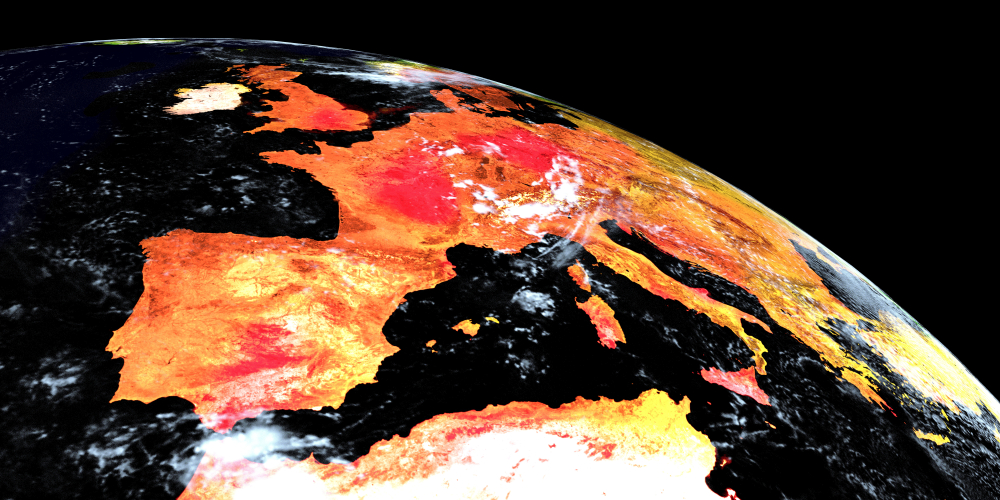
El Niño is a naturally occurring climate pattern involving changes in ocean temperatures and atmospheric conditions across the tropical Pacific Ocean. It typically develops when unusually warm water spreads across parts of the central and eastern Pacific, influencing weather systems far beyond the ocean itself.
These changes can affect rainfall, temperatures and atmospheric circulation across different continents. Some regions experience unusually heavy rainfall and flooding, while others face drought conditions and prolonged periods of extreme heat.
The effects are not identical everywhere, which makes forecasting particularly important. A weather pattern that increases rainfall in one region can contribute to dry conditions in another, creating different challenges for communities and governments.
The current event has attracted considerable attention because scientists expect its intensity to be exceptional. The supplied reports describe it as a Super El Niño, with unusually warm Pacific Ocean temperatures contributing to concerns about its global effects.
One report describes sea surface temperatures in the Niño 3.4 region of the east-central Pacific reaching 3.4 degrees Celsius above normal during the week of October 18 to 24. That measurement illustrates the unusual ocean conditions being monitored by researchers.
The World Meteorological Organization has also been cited in reports warning about the potential strength of the phenomenon. The combination of unusual ocean temperatures and shifting atmospheric patterns has raised concerns about the possibility of severe weather conditions in multiple regions.
Extreme heat is among the most dangerous consequences because prolonged exposure can place considerable stress on the human body. When high temperatures persist, people may struggle to cool down, particularly when nighttime temperatures remain elevated.
Why People In Vulnerable Communities Face Greater Risks

The dangers of extreme heat extend beyond people working outdoors or spending long periods under direct sunlight. Homes and other indoor spaces can also become dangerous when buildings retain heat and temperatures remain high throughout the night.
This creates serious problems for people who cannot afford reliable cooling. Even households with air conditioning may struggle to operate it continuously when electricity costs increase during repeated heatwaves.
Climate and law professor Sheila Foster has previously explained that many heat-related deaths occur indoors. She also pointed out that some people who own air conditioning cannot afford to keep it running through successive periods of extreme heat.
Urban environments can make these conditions worse. Concrete surfaces, densely packed buildings and limited tree cover can contribute to higher temperatures, leaving residents exposed even when they remain close to home.
According to Foster, urban exposure to extreme heat has increased by 200% since 1982, affecting approximately 1.7 billion people. The figures illustrate the scale of the challenge facing cities as they prepare for increasingly difficult temperature conditions.
Certain groups can face additional risks during prolonged heat events. Older adults, young children and people with existing health vulnerabilities may have greater difficulty coping with dangerous temperatures.
Low-income households can also face several disadvantages at once. Limited access to cooling, inadequate housing and outdoor employment can make it harder to avoid exposure when temperatures rise.
These challenges are particularly relevant to countries such as India and Nigeria, which feature prominently in the latest mortality projections. Protecting vulnerable residents will require preparation that reaches beyond major cities and includes communities with fewer resources.
El Niño Is Already Creating Problems Beyond Extreme Heat

Although the projected death toll has attracted considerable attention, extreme temperatures are only one part of the current El Niño threat. Changes in rainfall patterns can also affect agriculture, water supplies, infrastructure and the availability of essential resources.
The supplied reports describe several weather-related consequences associated with the current event. These include wildfire concerns in Indonesia, disrupted monsoon rainfall in India and drought conditions across Central America.
Reduced rainfall can create serious problems for farmers who depend on predictable seasonal weather. When crops receive insufficient water, agricultural production can suffer, placing additional pressure on food supplies and household incomes.
Drought can also affect drinking water availability and increase competition for limited resources. Communities already dealing with water shortages may find themselves facing even greater difficulties when dry conditions continue.
Other regions can experience the opposite problem, with excessive rainfall increasing the danger of flooding. Heavy storms can damage homes, roads and other essential infrastructure, making it harder for emergency services to reach affected communities.
The consequences can also extend into international markets. Disrupted agricultural production may contribute to higher food prices, while damage to transportation infrastructure can create shipping and supply chain difficulties.
For families already dealing with rising living costs, these pressures can become particularly difficult. Higher food prices and limited access to water can compound the problems created by dangerous temperatures.
The combination of heat, drought, flooding and agricultural disruption makes the current event a significant challenge for governments. Different regions will need different responses depending on the weather conditions they are experiencing.
Nine Countries Have Declared Emergency Measures
Governments across the Americas have already taken steps to prepare for El Niño-related weather conditions. According to the supplied Newsweek report, nine countries have officially declared emergency conditions associated with the phenomenon.
Bolivia became the latest country to announce an emergency on October 31, citing drought and the imminent threat of other extreme weather conditions. The decision followed similar measures introduced by several other governments across the region.
Countries mentioned in the report include Panama, Colombia, Peru, Ecuador, Argentina and El Salvador. Their emergency measures are intended to help protect residents and provide first responders with resources to deal with weather-related incidents.
The United States has also taken preventative action at the state level, although the supplied report states that there is no nationwide emergency declaration specifically covering the event.
California Governor Gavin Newsom previously declared a statewide emergency on September 21 in preparation for the 2026-2027 El Niño. The decision was intended to help protect vulnerable communities and prepare infrastructure for potential flooding and landslides.
An executive order issued on October 27 also gave local authorities additional powers to accelerate flood-control work in certain areas. These measures are designed to help communities prepare before potentially damaging winter weather arrives.
California’s location along the Pacific Coast makes monitoring El Niño conditions particularly relevant to state officials. The state has therefore focused on preparing roads and critical infrastructure for possible weather-related disruption.
These emergency preparations demonstrate how governments can respond to potential dangers before the worst conditions arrive. However, the growing projected death toll also raises questions about how effectively countries can protect populations from extreme heat.
The New Tracker Could Help Governments Prevent Deaths
Despite the alarming projections, researchers believe the new tracking system could provide an important advantage in preparing for extreme heat. By identifying regions facing the greatest risks, the Climate Impact Lab hopes to help authorities direct resources where they are most urgently needed.
Its monthly forecasts allow decision-makers to examine changing conditions and identify areas that may require additional support. This information could help governments prepare healthcare facilities, strengthen emergency responses and protect vulnerable residents.
Tamma Carleton, the Climate Impact Lab’s Faculty Head of Research and an assistant professor at the University of California, Berkeley, said the updated information highlights where action is most urgently needed.
She also emphasized the importance of addressing extreme heat alongside efforts to protect food security. Both challenges can place considerable pressure on communities during an unusually intense El Niño event.
The Climate Impact Lab’s Adaptation Inventory provides an evidence base of measures that have been shown to save lives through peer-reviewed research. These include several approaches that governments and local organisations can use when preparing for dangerous temperatures.
Some of the measures highlighted by researchers include:
- Early warning systems: Providing advance information about dangerous temperatures so residents and emergency services can prepare.
- Cooling centres: Establishing public spaces where people without reliable home cooling can escape extreme heat.
- Healthcare access: Expanding access to medical services and emergency assistance during prolonged heatwaves.
- Outdoor worker protections: Introducing measures that reduce exposure for people working in dangerous temperatures.
- Community assistance: Identifying vulnerable residents who may require additional support during periods of extreme heat.
These measures can be particularly valuable when authorities know which communities are expected to face the greatest danger. Early preparation allows resources to be organised before hospitals and emergency services experience overwhelming demand.
Researchers believe targeted adaptation efforts could save tens of thousands of lives. The tracker therefore offers governments an opportunity to use regional forecasts when deciding where additional assistance should be directed.
The Coming Months Could Determine How Deadly El Niño Becomes
The latest projections paint a deeply concerning picture of the potential human consequences of the current El Niño event. With approximately 857,000 additional heat-related deaths projected through March 2027, the coming months represent a serious challenge for communities across several continents.
India, Nigeria and Indonesia are among the countries facing some of the highest estimated death tolls. Their governments will need to pay particular attention to vulnerable populations as temperatures and weather patterns continue to change.
However, the projected figures should not be mistaken for confirmed deaths or an inevitable outcome. They are estimates based on the researchers’ forecasting model, and the actual impact will depend partly on how conditions develop and how effectively communities prepare.
The availability of detailed regional forecasts gives authorities an opportunity to strengthen emergency plans and direct assistance towards people facing the greatest danger. Access to cooling, healthcare and timely warnings could make a substantial difference during periods of extreme heat.
The map offers a clear warning about the potential human cost of the current climate event. Its most important contribution may be giving governments enough time to act before the projected numbers become a reality.