
Your cart is currently empty!
Europe Faces Dangerous Heat as El Niño Threat Grows
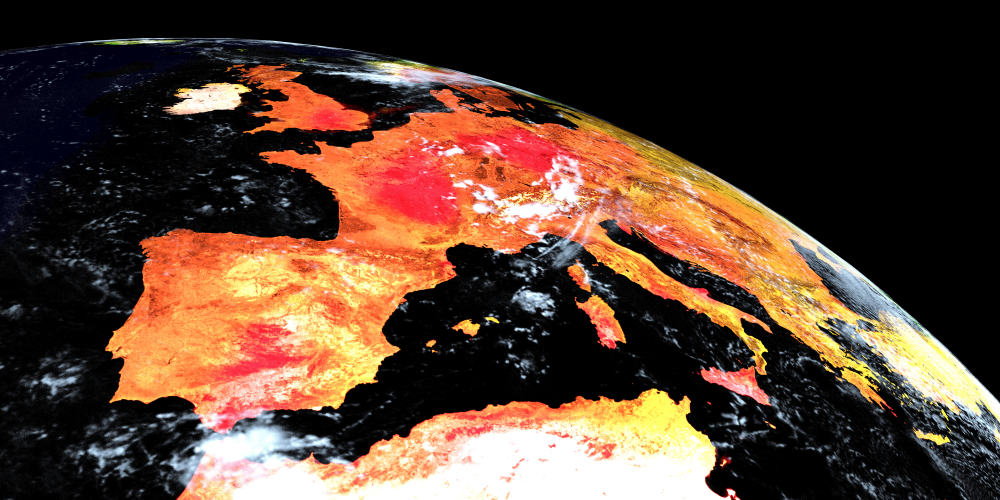
Europe has spent weeks under relentless heat that has shattered temperature records, strained hospitals, fueled deadly wildfires, and pushed millions of people into conditions that health officials describe as life threatening. What once would have been considered an extraordinary weather event is becoming increasingly familiar.
Contents
show
Scientists are now watching another development with growing concern. Forecasts suggest the current El Niño could become one of the strongest ever observed, adding another layer of heat to a planet that is already warming. While researchers continue to stress that no single event can explain every extreme weather disaster, they also agree that the combination of climate change and a powerful El Niño could increase the likelihood of dangerous conditions across many parts of the world.
Europe’s Heatwave Has Already Left a Deadly Toll
The World Health Organization has described extreme heat as a “silent killer,” warning that its impact is often underestimated because many deaths occur indirectly through existing medical conditions that worsen during prolonged periods of high temperatures.
According to WHO Director-General Tedros Adhanom Ghebreyesus, more than 1,300 excess deaths were linked to high temperatures in Europe after June 21. He warned that European homes, schools, and workplaces were never designed to cope with this level of sustained heat.
France has been among the countries hit hardest. Health authorities reported around 1,000 more deaths than expected over just a few days during the peak of the heatwave.
Officials also recorded a sharp rise in people dying at home, particularly among those aged 65 and older.
The crisis has stretched far beyond hospitals. Emergency services have responded to heat-related illnesses, transportation systems have struggled under soaring temperatures, and authorities have been forced to cancel public events or impose emergency restrictions.
Heat has quietly become one of the deadliest weather hazards on Earth.
Unlike hurricanes or floods, there is often no dramatic moment that marks the beginning of the disaster. The danger builds hour after hour as the human body struggles to cool itself, particularly when nights remain unusually warm.
Temperature Records Continue to Fall Across Europe
The scale of this year’s heat has rewritten weather records in country after country.
Germany recorded a preliminary temperature of 41.7 degrees Celsius in Coschen, making it the country’s hottest day on record. The Czech Republic reached 41.1 degrees Celsius, while Poland established a new national record of 40.5 degrees Celsius. Austria, Switzerland, Denmark, the Netherlands, Hungary, France, Spain, and the United Kingdom also experienced historic temperatures during the same period.
Many locations did not simply break monthly records.
They exceeded all previous temperature records ever measured.
Germany’s weather service described the event as historic after hundreds of weather stations registered all-time highs. Overnight temperatures also remained exceptionally high, preventing people, buildings, and infrastructure from cooling after sunset.
These unusually warm nights represent one of the most dangerous aspects of modern heatwaves.
Without cooler nighttime temperatures, the body receives little opportunity to recover from the stress accumulated during the day.
Why Heat Is Called the Silent Killer
Heat-related illnesses rarely receive the same attention as other natural disasters, yet they claim enormous numbers of lives each year.
The World Meteorological Organization estimates that approximately 489,000 heat-related deaths occurred annually between 2000 and 2019 based on modeled estimates. Many fatalities never appear in official statistics because heat often worsens existing heart disease, respiratory illness, or kidney problems instead of appearing as the direct cause of death.
Health experts explain that the human body normally regulates temperature through sweating and increased blood flow near the skin.
During prolonged periods of intense heat, especially when humidity is also high, those cooling mechanisms begin to fail.
Core body temperature rises.
The heart works harder.
Internal organs experience increasing stress.
Those risks grow substantially when temperatures stay elevated overnight.
According to experts from the WHO-WMO Climate and Health Joint Office, nighttime recovery is critical because the cardiovascular system normally cools during sleep. Warm nights prevent that recovery, meaning the body starts each new day already under considerable strain.
Older adults, young children, pregnant women, outdoor workers, people experiencing homelessness, and individuals with chronic medical conditions remain among the most vulnerable. However, health experts emphasize that prolonged extreme heat can affect anyone.
Climate Change Is Increasing the Odds
Researchers continue to distinguish between natural climate cycles and long-term global warming.
El Niño is a naturally occurring climate pattern that develops every few years as ocean temperatures in the tropical Pacific become unusually warm.
Climate change, by contrast, represents the long-term warming of Earth’s climate driven primarily by human greenhouse gas emissions.
The two are separate processes.
The concern is that they can reinforce one another.
Tedros warned that Europe is warming at twice the global average, making it the fastest-warming continent on Earth. He added that what were once considered “once-in-a-generation” heatwaves are now occurring nearly every year.
The World Meteorological Organization echoes that assessment.
Its latest climate updates state that extreme heat is expected to become more frequent, more intense, and longer lasting as global temperatures continue to rise. June 2026 became Western Europe’s hottest June on record, while global sea surface temperatures for the month also reached record levels.
Scientists point out that today’s heatwaves begin from a warmer baseline than similar events decades ago.
That means each new burst of natural climate variability has more energy available to produce extreme temperatures.
The Heat Is Affecting More Than Human Health
The consequences extend well beyond hospitals and emergency rooms.
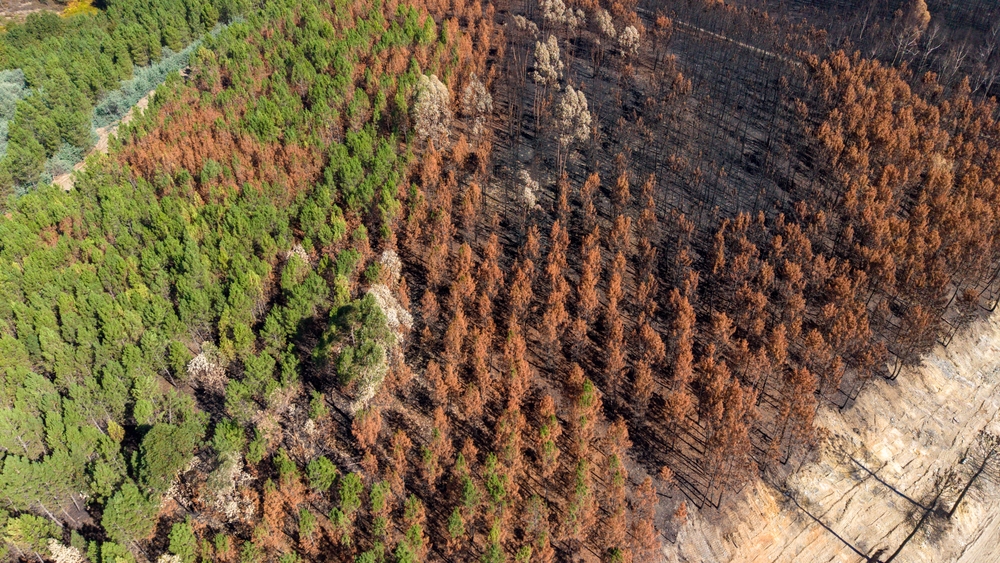
Dry vegetation combined with record temperatures has dramatically increased wildfire danger across much of Europe.
France and parts of the Iberian Peninsula have experienced destructive fires as drought conditions worsened throughout early summer. Authorities have repeatedly warned residents about elevated fire risks created by high temperatures, dry soils, and exceptionally low humidity.
Water supplies have also come under pressure.
Agricultural regions have watched soils lose moisture rapidly, creating difficult conditions for crops while increasing irrigation demands.
Cities face their own challenges.
Concrete, asphalt, and dense development create urban heat islands that trap warmth throughout the day and release it slowly overnight. According to climate and health specialists, city streets can feel several degrees hotter than surrounding rural areas, increasing health risks for millions of residents.
Infrastructure has shown similar signs of strain.
Electricity demand climbs as air conditioning use increases.
Transportation networks become vulnerable to overheating.
Schools have closed in some regions, and large public gatherings have been canceled as authorities attempt to reduce pressure on emergency services.
These impacts illustrate that extreme heat is no longer simply a seasonal inconvenience. It is becoming a challenge that affects healthcare, transportation, agriculture, emergency management, and daily life across entire countries.
Scientists Are Watching a Potentially Historic El Niño
As Europe deals with record-breaking temperatures, meteorologists are also tracking developments thousands of miles away in the tropical Pacific Ocean.
Climate models suggest the current El Niño is strengthening rapidly, with several forecasting systems indicating it could become one of the most powerful events since reliable observations began. While scientists caution that forecasts become less certain further into the future, the level of agreement among different models has attracted widespread attention.
Research scientist Zeke Hausfather of Berkeley Earth analyzed forecasts from hundreds of climate model simulations and concluded there is roughly a 90 percent chance that the current El Niño could become the strongest on record. Other experts urge caution about treating any forecast as a certainty, but they agree that the possibility deserves close attention.
Emily Black, Professor of Terrestrial Processes and Climate at the University of Reading, described the forecasts as “striking.”
She explained that while uncertainty always exists, the strong agreement among forecasting models and the observed warming already taking place in the Pacific mean the situation should be taken seriously. According to Black, a very strong El Niño would significantly increase the likelihood of damaging weather across many regions, particularly in countries that are already vulnerable to climate-related disasters.
Understanding What El Niño Actually Does

El Niño is a naturally occurring climate pattern that develops when surface waters in the central and eastern Pacific Ocean become warmer than average.
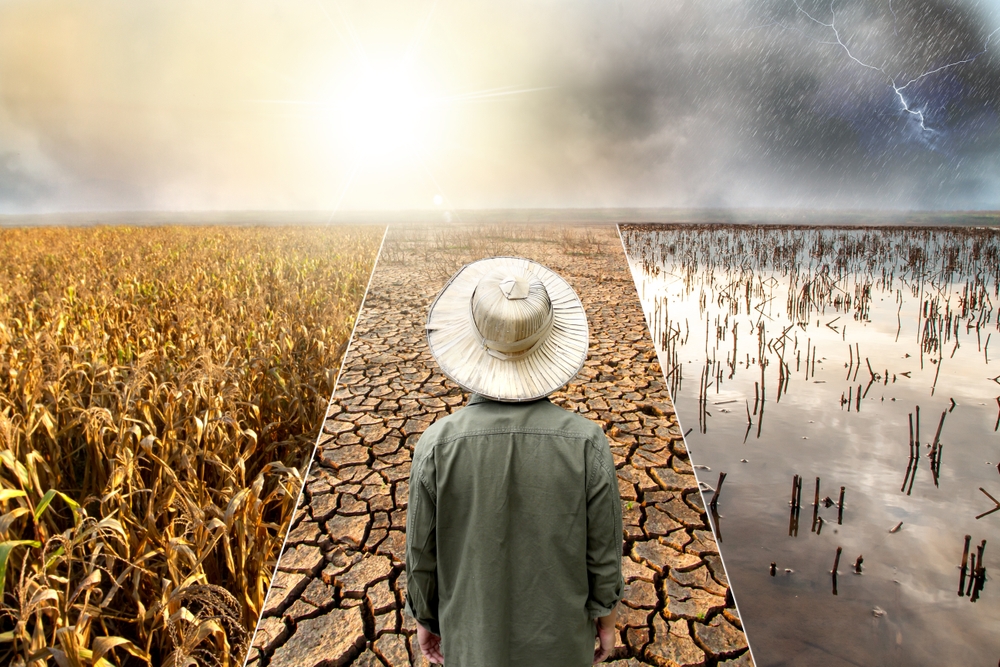
Those warmer waters release additional heat into the atmosphere and influence global weather patterns. The effects vary from one region to another, but they often include increased flooding in some countries, prolonged drought in others, marine heatwaves, disrupted rainfall patterns, and higher global temperatures.
Scientists emphasize that El Niño itself is not caused by climate change.
Instead, it operates on top of an already warmer planet.
Emily Black explained that this distinction is important.
She noted that El Niño can increase the chances of drought, flooding, marine heatwaves, disrupted monsoons, and unusually high global temperatures. Climate change then makes many of those extremes more severe because a warmer atmosphere holds more moisture and stores more heat.
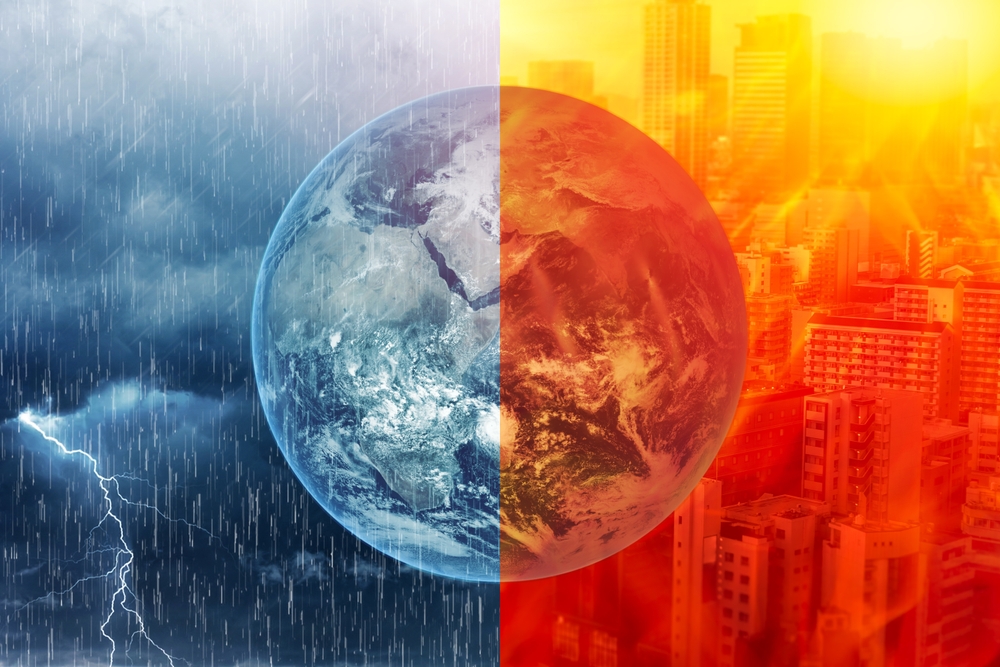
The interaction between natural climate variability and long-term warming creates conditions where records become easier to break than they once were.
Why Experts Are Focusing on the Human Impact
The phrase “strongest on record” naturally attracts headlines, but many climate researchers argue that the ranking itself is less important than the consequences.
Emily Black summed up that view by saying, “Records are compelling, but impacts are what matter.”
She added that even if the current El Niño ultimately falls short of becoming the strongest ever observed, it could still produce severe consequences around the world. More importantly, today’s forecasts provide governments and communities with valuable time to prepare before the most dangerous impacts arrive.
Humanitarian organizations are already paying close attention.
Reports cited in the reference material warn that a powerful El Niño could increase flooding and drought across parts of East Africa and Asia, placing additional pressure on food supplies and vulnerable communities.
History offers sobering examples.
The powerful El Niño events of 2015 and 2016 contributed to severe droughts, unusually active tropical cyclone seasons in some regions, and record global temperatures. Even earlier events demonstrated how environmental extremes can combine with social and economic pressures to produce humanitarian crises. Researchers stress that modern societies are better prepared than those of previous centuries, but no country is immune to widespread climate disruption.
Preparing for a Hotter Future
Scientists and public health officials increasingly argue that adapting to extreme heat must become as routine as preparing for storms or floods.
The World Meteorological Organization and the World Health Organization have expanded efforts to improve early warning systems, strengthen heat-health action plans, and help governments respond before dangerous temperatures arrive.
Their guidance includes better forecasting, clearer public communication, improved coordination between health agencies and weather services, and stronger protections for vulnerable populations. Through international initiatives, the organizations hope that earlier warnings will translate into fewer illnesses and fewer deaths during future heatwaves.
Experts also point to practical changes that can reduce risk at the local level.
Cities can expand tree cover, increase shaded public spaces, improve building design, and reduce the urban heat island effect that traps warmth overnight. Hospitals and emergency services can prepare for surges in heat-related illnesses, while employers can adjust working hours during periods of dangerous temperatures.
Individuals also play a role by recognizing early signs of heat stress, checking on elderly relatives and neighbors, limiting strenuous outdoor activity during the hottest parts of the day, and paying close attention to official weather advisories.
As temperatures continue to rise, these measures are becoming part of everyday public safety rather than exceptional emergency responses.
A Warning That Extends Beyond One Summer
The heat that swept across Europe this year may eventually fade, and the developing El Niño will also run its course. Neither represents a permanent condition.
What concerns scientists is the broader pattern emerging over time.
Each decade has brought higher average temperatures, more frequent heatwaves, and increasing pressure on communities that were built for a different climate. Natural weather cycles still come and go, but they are now unfolding against a warmer background than in previous generations.
Researchers continue to refine their forecasts, and uncertainties remain about exactly how the current El Niño will evolve and which regions will experience the greatest impacts. Yet there is broad agreement on one point supported throughout the reference material. Extreme heat is becoming a larger public health challenge, and preparation can save lives.
Whether this El Niño ultimately sets a new record or falls just short, its development is another reminder that weather extremes are no longer isolated events separated by decades. They are becoming part of the conditions governments, businesses, and communities must increasingly plan for as the climate continues to change.