
Your cart is currently empty!
Couple Spend $179000 On Lifetime Cruise Only To Be Kicked Off In Cambodia

Imagine selling your house, getting rid of almost everything you own, and spending $179,000 to secure what you believe will be your permanent home at sea. Now imagine being told that you have just a few hours to pack your belongings and leave, with no clear idea of when you might return.
Contents
show
That’s the situation American couple Lynn and Paul Montoya found themselves in after their retirement adventure aboard the Villa Vie Odyssey came to an unexpected halt in Cambodia. Despite potentially losing a substantial amount of money and being left without a permanent home, the couple insist they have no regrets about their decision.
Couple Sold Everything To Spend Retirement Travelling The World
Lynn and Paul Montoya, originally from Wyoming, wanted something different from a traditional retirement. Rather than buying another property or settling into a quieter lifestyle, they decided to spend their retirement years travelling around the world aboard a residential cruise ship.
The couple sold their house, cars, and other possessions to afford a permanent cabin aboard the Villa Vie Odyssey. They paid approximately $179,000 for their accommodation, alongside monthly maintenance expenses of around $6,000. The arrangement promised an extraordinary opportunity to visit more than 400 ports while enjoying the comforts of a familiar home.
For the Montoyas, the appeal was easy to understand. They could unpack their belongings once, sleep in their own cabin every night, and wake up in different destinations throughout the journey. They would also have the opportunity to meet other residents who shared their enthusiasm for travelling.
Paul explained to Reuters that he and Lynn had not travelled extensively outside the United States before discovering the opportunity. The residential cruise offered them a way to experience places they had previously only imagined visiting, without having to organise separate holidays or repeatedly change hotels.
“We really hadn’t travelled that much out of the United States until probably a few months before we boarded the ship… and we just saw it as a great opportunity to be able to see the world,” Paul told Reuters.
The Odyssey finally departed Northern Ireland in October 2024, following several delays that had pushed back its original departure plans. Its intended journey involved travelling around the globe, with a complete circumnavigation expected to take approximately three-and-a-half years.
For passengers who had invested their retirement savings, the vessel was supposed to become home for years. However, the Montoyas’ adventure lasted just 17 months before the company announced that operations would be suspended.
Passengers Were Given Just Hours To Leave Their Floating Home
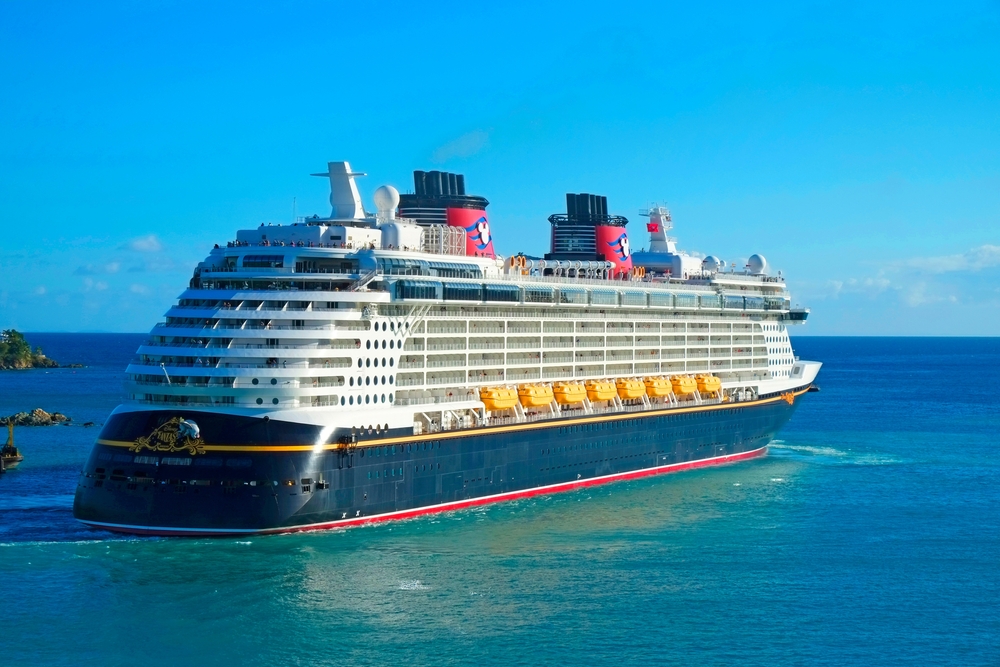
The announcement came while the Odyssey was docked in Cambodia, where passengers were informed that they would have to disembark because the company could no longer sustain its operating expenses. According to the Montoyas, the news arrived at approximately 8am, with residents reportedly being told they needed to leave by 2pm.
That left the passengers with very little time to process what was happening, decide which belongings to take, and find somewhere else to stay. For people who had sold their houses and treated the vessel as their permanent residence, the situation was particularly distressing.
Lynn described the atmosphere among residents as an emotional mixture of disbelief, sadness, and confusion. Many passengers were suddenly facing the prospect of losing their homes while trying to organise temporary accommodation in a country where they had not planned to settle.
“Disbelief, crying, sadness, and then that immediate rush that you’re losing your home and you have to pack everything up or take whatever you can with you,” Lynn told LADbible.
The Montoyas managed to gather two large suitcases, two smaller suitcases, and a backpack. They estimated that the belongings they managed to take would be enough for approximately two weeks, meaning much of their property remained inside their cabin.
The couple also had no confirmed date for returning to collect the remaining items. Their immediate priority was finding somewhere to stay while waiting for information about the company’s plans and the future of the ship.
Speaking to USA TODAY, Lynn explained how difficult it was to pack under such circumstances, particularly because the cabin had become their actual home. She said the couple had not been given enough time to properly organise everything they owned.
“It’s our home, so it would kind of be like trying to pack up your whole home in seven hours,” she said.
Lynn also described their situation in stark terms, telling USA TODAY, “We’re technically homeless right now.”
Rising Fuel Expenses Put The Cruise Company’s Future At Risk
Villa Vie Residences blamed the suspension on a dramatic increase in fuel expenses, which had placed significant pressure on its operating model. According to the company’s statements, monthly fuel costs that historically averaged approximately $1,800 per cabin had recently reached an estimated $6,000 to $8,000 in parts of Asia.
That represented a substantial increase for a business operating a residential cruise ship with hundreds of people depending on its services. The company explained that it could not realistically pass the entire increase on to residents through additional charges, leaving it struggling to cover the difference.
In its October 27 statement, Villa Vie said it had already introduced measures to reduce fuel consumption. These included slowing the itinerary and spending longer periods in port rather than continuing to sail between destinations as frequently.
However, those measures had not been enough to offset the extraordinary increase in operating costs. The company acknowledged that it could no longer continue carrying the resulting financial losses.
The operator also referred to restructuring and recapitalisation as possible ways forward. It said discussions were ongoing over the following 60 days, although no financing agreement or transaction had been finalised.
The company stated, “Our focus now is on supporting residents, crew, and employees while we work toward restructuring and recapitalisation over the next 60 days.”
For the Montoyas and other residents, those statements offered little immediate certainty. They had paid substantial amounts to secure long-term accommodation, but the company had not confirmed whether their original arrangements could be restored or whether they would receive any refunds.
Warning Signs Had Been Appearing Before The Sudden Shutdown
Although the announcement caught many passengers off guard, Paul said the financial difficulties had become increasingly noticeable during the weeks leading up to their departure. He believed the company had been experiencing problems for some time, and several changes aboard the vessel had raised concerns among residents.
One of the most obvious problems involved the ship’s internet service. Paul said passengers had lost access to Starlink because of non-payment, adding to concerns about whether the company could continue meeting its regular expenses.
Food quality had also deteriorated during the final months of the journey. According to Paul, the supplies available to residents had declined considerably, making the situation increasingly difficult to ignore.
Other passengers noticed that the vessel was spending longer periods in port and changing its itinerary. The company had explained that slowing the journey was part of its attempt to reduce fuel consumption, but residents were also concerned about the ship’s ability to continue operating.
The repeated requests for additional money were another major warning sign. Paul said residents had been approached several times and asked to contribute funds to help keep the operation going. He and Lynn voluntarily contributed money, alongside the monthly maintenance payments they were already making.
According to USA TODAY, Paul estimated that the couple had loaned Villa Vie approximately $100,000 during the financial difficulties. However, they had not received repayment, and he was doubtful that they would recover the money.
Other residents described similar experiences, suggesting that concerns had been growing throughout the passenger community.
Starr Davis, a former resident who had left the ship before the suspension, recalled being told that the company needed approximately $1.5 million to continue operating. She also described requests for additional contributions as the vessel approached certain ports.
The situation had become increasingly difficult for passengers who were already paying substantial monthly fees. Despite their efforts to help the company continue, the financial problems eventually reached a point where the voyage could no longer proceed.
Other Passengers Had Invested Hundreds Of Thousands Of Dollars

The Montoyas were far from the only passengers who had committed substantial sums to the residential cruise concept. Several other residents had viewed the Odyssey as a long-term retirement solution and invested heavily in the promise of a permanent home at sea.
American blogger Randy Cassingham and his wife Kit were among those affected. According to AFP, the couple had paid a substantial amount for their lifetime travel arrangement because they expected the experience to last at least 15 years.
Kit later told NewsNation that their initial cabin payment was approximately $370,000 to $380,000, with monthly expenses of at least $7,000. Randy also described their overall investment as approximately $1 million when discussing the lifetime arrangement and its associated costs.
Their reasons for joining were similar to those of the Montoyas. They enjoyed travelling but disliked the inconvenience of airports and airlines, making the idea of a permanent cabin aboard a cruise ship particularly attractive.
“My wife and I really enjoy travelling. But we really hate airports and airlines. This was a way that you could unpack once, you can sleep in your own bed every night and wake up in a new place every few days,” Randy told AFP.
When Kit was asked whether they expected to recover their money, her response suggested that they were not optimistic about their financial prospects. “No, no, no, no,” she said during her NewsNation interview.
Another passenger, 69-year-old Carol Larson from California, said she had initially paid $120,000 for her cabin, excluding monthly maintenance charges. She had expected the arrangement to provide accommodation for approximately 15 years or for the remaining life of the vessel.
Despite being left in Cambodia following the suspension, Larson said she considered the experience worthwhile. She described herself as fortunate to have participated in what she called the experiment of residential cruising.
Their experiences reveal the financial risks associated with committing retirement savings to an arrangement that depends heavily on a company’s ability to maintain expensive operations.
Why The Couple Still Say They Have No Regrets
Despite the sudden end to their journey, Lynn and Paul have maintained that they would make the same decision again. They acknowledge that losing such a significant investment is painful, particularly after selling their home and possessions to finance the adventure.
However, they also believe the 17 months they spent aboard the Odyssey gave them experiences they would never have enjoyed otherwise. Their journey took them to destinations they had not previously imagined visiting, while allowing them to build friendships with people from different countries.
Paul admitted that nobody enters an expensive retirement arrangement expecting it to fail. However, he believes the experience was still worthwhile even though it ended much earlier than planned.
“You know, I don’t think you go into it saying that it’s going to fail. But if it was an 18-month trip, it would have been marvellous too. We got to see a lot of wonderful places,” he said.
Lynn expressed similar feelings, explaining that the memories and relationships they developed remained valuable despite the financial disappointment. She also acknowledged that the sudden suspension was a shame after everything they had invested.
“We’ve had the chance to meet incredible people around the world and see incredible places that we never thought we would ever see,” she said.
The couple’s comments are particularly striking given the uncertainty surrounding their finances. They may never recover the money they invested, and they still do not know whether they will be able to return to their original cabin.
Nevertheless, they continue to describe their time aboard the vessel as a positive experience. Other residents, including the Cassinghams and Larson, have also expressed similar feelings despite the unexpected ending.
What Happens To The Passengers And The Odyssey Now?
Following their departure, Lynn and Paul planned to travel to Kuala Lumpur in Malaysia, where they intended to spend several days while considering their next steps. They were also staying in a hotel in Sihanoukville as they waited for further information about the vessel.
The couple remained hopeful that another company or investor might step in and rescue the operation. Paul even suggested that a resident-owned company could potentially become an option if the existing arrangement could not be restored.
However, Villa Vie had not confirmed any agreement that would allow passengers to return to their previous lifestyle. Its restructuring discussions remained ongoing, and the company had made clear that no particular outcome was guaranteed.
The situation also raised questions about what would happen to the belongings residents had left inside their cabins. Although passengers had been allowed to take essential items during the hurried disembarkation, many had no clear information about when they could retrieve everything else.
For people who had sold their homes to join the Odyssey, the uncertainty extended well beyond a cancelled holiday. They were dealing with the sudden loss of their accommodation, potentially unrecoverable investments, and the challenge of rebuilding their retirement plans.
The Montoyas’ experience also illustrates how dependent residential cruising can be on the financial health of its operator. Residents may purchase cabins and pay regular maintenance fees, but the ship still requires fuel, employees, supplies, and continuous funding to remain operational.
For now, the future of the Odyssey remains uncertain, leaving former residents waiting for answers about their money, belongings, and possible return.
Lynn and Paul may have lost the retirement arrangement they spent years preparing for, but they continue to stand by their decision. Their 17 months at sea may have been far shorter than promised, yet they believe the places they visited and the people they met made the experience worth having.