
Your cart is currently empty!
Inside The Pentagon’s Plan To Expand America’s Nuclear Options During Future Conflicts
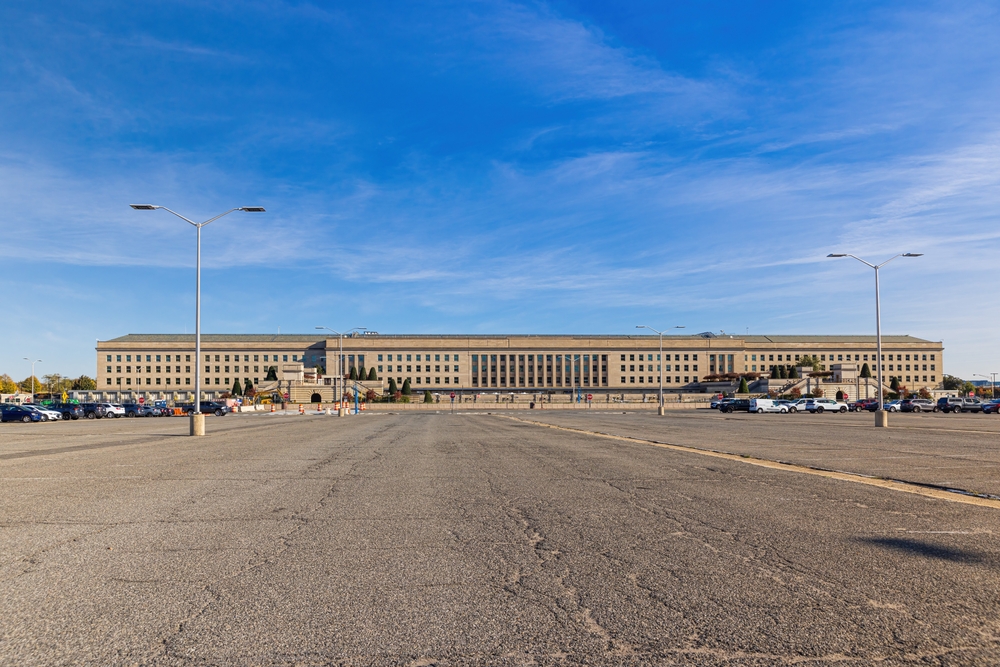
As tensions between the United States, China, and Russia continue to dominate global security discussions, the Pentagon is reportedly working on a new nuclear strategy that could significantly reshape how America responds to future military conflicts. Rather than relying primarily on long-range nuclear weapons capable of devastating entire countries, the proposal reportedly focuses on expanding the role of smaller, tactical nuclear weapons that could be used during regional conflicts. The reported review reflects growing concern inside the Defense Department that existing nuclear policies may no longer match today’s geopolitical realities, particularly as both China and Russia continue investing heavily in modernizing their military capabilities.
Contents
show
The proposal has already triggered debate among military officials, lawmakers, and defense experts. Supporters argue that giving the president more flexible nuclear response options would strengthen deterrence and make America’s threats more credible during a crisis. Critics, however, fear that emphasizing battlefield nuclear weapons could lower the threshold for their use and increase the risk of escalation during conventional wars. While the strategy remains under development, its implications could influence U.S. defense policy for years to come and reopen questions that have shaped nuclear doctrine since the Cold War.
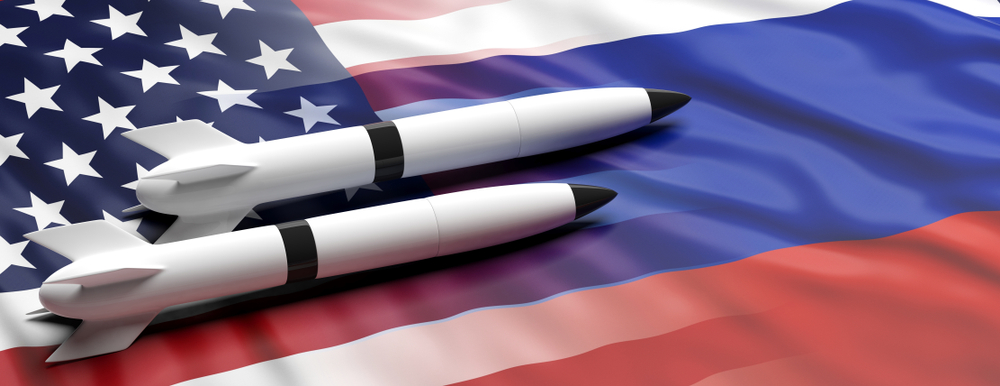
Pentagon Is Looking Beyond Traditional Nuclear Deterrence
According to reports, the strategy is being overseen by Elbridge Colby, the Pentagon’s policy chief, who has long argued that the United States needs a more flexible nuclear posture. NBC News reported that Colby was expected to discuss the review during a private military event in Nebraska while visiting U.S. Strategic Command, the organization responsible for overseeing America’s nuclear forces. Officials familiar with the proposal say the review is focused on preparing for situations in which China or Russia launches a regional attack against U.S. allies rather than a direct nuclear strike against the American homeland.
Current U.S. nuclear strategy has traditionally relied on strategic weapons capable of traveling thousands of miles and inflicting catastrophic destruction on an adversary. Those weapons remain the backbone of America’s nuclear deterrent, but some officials believe they leave too few practical options during limited regional conflicts. If the only available response is an overwhelming strategic strike, potential adversaries may doubt whether an American president would actually authorize such an extreme action, weakening the overall credibility of U.S. deterrence.
A senior Defense Department official explained that concern while discussing the reported review with NBC News.
“Our view is that we need credible nuclear options.”
The official added that the proposed strategy is not intended to limit President Donald Trump’s authority during a crisis. Instead, it would expand the range of military responses available if deterrence were to fail.
“The strategy would not restrict Donald Trump’s choices but instead expand the president’s option space by providing him with realistic and credible options and therefore strengthen deterrence.”
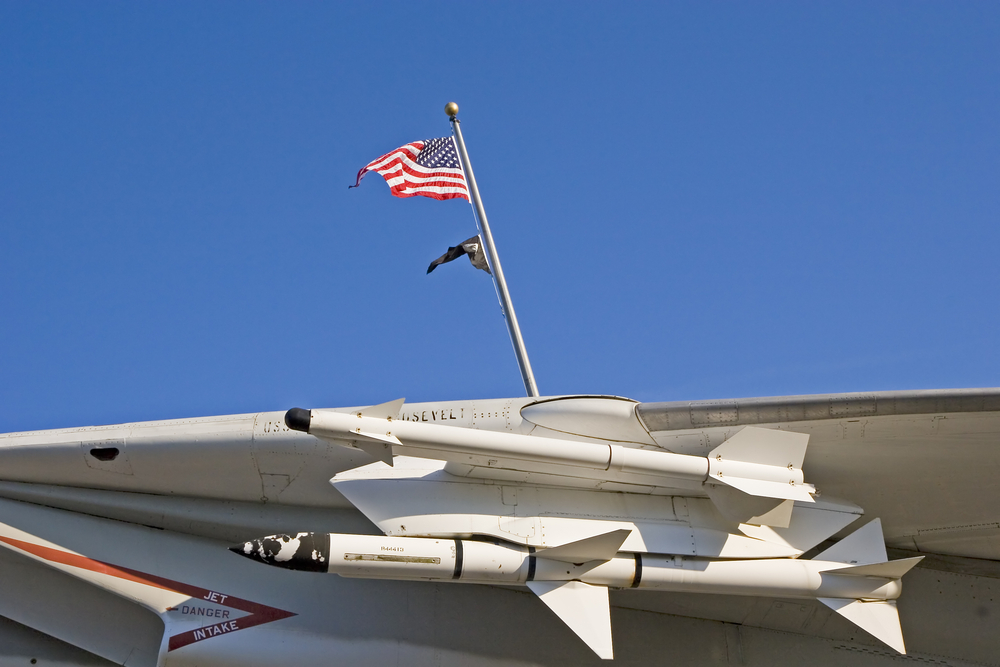
Why Tactical Nuclear Weapons Are At The Center Of The Proposal
Unlike strategic nuclear weapons, which are designed to strike cities, military infrastructure, or an opponent’s nuclear arsenal across vast distances, tactical nuclear weapons are significantly smaller and intended for use against specific military targets on the battlefield. Although their explosive power is still enormous compared to conventional weapons, they are designed for more limited military objectives rather than total destruction.
Supporters of the proposal believe those differences make tactical nuclear weapons more useful in regional conflicts involving major powers such as China or Russia. Instead of forcing U.S. leaders to choose between taking no nuclear action or launching an overwhelming strategic attack, advocates argue that smaller battlefield weapons provide additional options that could strengthen deterrence without immediately escalating into all-out nuclear war.
Elbridge Colby has consistently argued that America’s existing nuclear doctrine depends too heavily on threats that adversaries may view as unrealistic. According to supporters of the review, deterrence only works if an opponent believes the United States has military responses that its political leadership would actually be willing to use under certain circumstances.
A senior Defense Department official reinforced that argument while explaining the rationale behind the strategy.
“If you actually want extended deterrence to be credible, you have to provide the nation’s political leadership with nuclear capabilities that common sense indicates you could actually use.”

Critics Warn The Strategy Could Increase Nuclear Risks
While Pentagon officials argue that expanding America’s nuclear options would strengthen deterrence, the proposal has also reignited one of the oldest debates in modern military strategy. Critics worry that placing greater emphasis on tactical nuclear weapons could blur the line between conventional and nuclear warfare. Because these weapons are smaller and designed for battlefield use, some analysts fear political leaders could view them as a more acceptable option during regional conflicts, increasing the likelihood that nuclear weapons might actually be used.
For decades, U.S. nuclear doctrine has largely depended on the principle of deterrence through overwhelming retaliation. The devastating consequences associated with strategic nuclear weapons have helped discourage their use since World War II. Opponents of the reported strategy argue that introducing more flexible nuclear responses could unintentionally weaken that long-standing deterrent by making limited nuclear exchanges appear more plausible during military crises involving major powers.
Others have raised concerns that shifting resources and planning toward tactical weapons could come at the expense of America’s strategic nuclear capabilities. Some defense experts believe the United States must remain prepared for every possible scenario, including large-scale nuclear conflict, rather than placing greater emphasis on regional battlefield options. They argue that balancing both approaches will be essential if the country hopes to maintain a credible deterrent against increasingly sophisticated rivals.
The proposal has therefore become more than a discussion about new military capabilities. It has evolved into a broader debate over how the United States should prevent future wars while reducing the risk of nuclear escalation, a question that has shaped American defense policy for generations.
Political Debate Emerges Over The Pentagon’s Review
The reported strategy has also drawn criticism from some voices on Capitol Hill, where lawmakers and congressional staff continue to debate whether the review reflects President Donald Trump’s broader defense priorities. Although Pentagon officials insist the proposal would give the president more choices during a crisis, critics argue that the review moves in a different direction than Trump’s public calls to strengthen America’s nuclear deterrent.
A senior congressional aide familiar with the proposal questioned the study’s overall approach while speaking with NBC News.
“It’s hard to imagine a study that is more out of line with President Trump’s stated position of making our nuclear deterrent great again.”
The aide continued by arguing that the president has consistently favored expanding military capabilities rather than narrowing them.
“He clearly wants more options and capabilities, not less. This study is big-time low-T.”

Those competing viewpoints illustrate how divided Washington remains over the future of U.S. nuclear policy. While some policymakers believe greater flexibility is essential for modern deterrence, others argue that any shift in doctrine must avoid creating uncertainty about America’s willingness to respond decisively during a crisis.
Why China And Russia Are Central To The Discussion
The reported review comes at a time when U.S. defense officials have repeatedly warned that the international security environment is becoming increasingly complex. China’s rapid military modernization, combined with Russia’s continued nuclear investments, has prompted American defense planners to reassess whether existing strategies remain effective against two nuclear-armed rivals capable of challenging U.S. interests in different regions simultaneously.
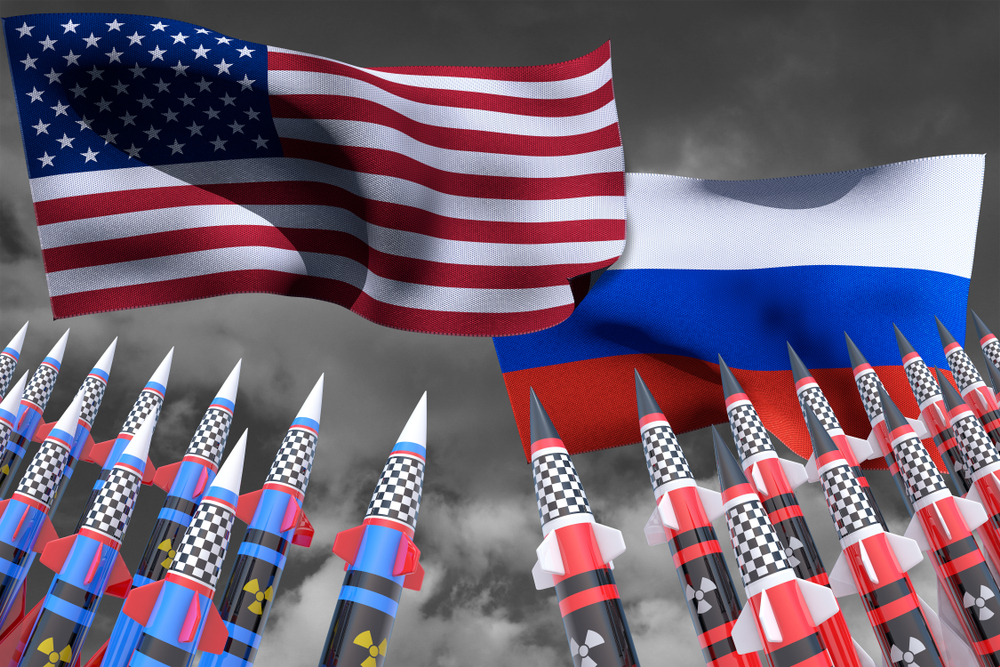
Unlike previous decades, when American nuclear planning largely centered on deterring a single major adversary, today’s security landscape presents the possibility of multiple crises unfolding at once. Officials familiar with the strategy reportedly say the review is specifically examining scenarios in which U.S. allies could come under attack during regional conflicts involving either China or Russia, requiring Washington to consider a wider range of military responses.
Supporters believe offering more credible response options could discourage adversaries from testing American commitments to its allies. Critics, however, argue that introducing additional nuclear choices could complicate crisis decision-making and increase the possibility of miscalculation during already dangerous confrontations.
As global competition between the world’s largest military powers continues to intensify, the Pentagon’s reported review reflects the growing challenge of maintaining deterrence without making nuclear conflict more likely.
A Debate That Could Shape Future U.S. Defense Policy
No nuclear weapon has been used in armed conflict since the United States dropped atomic bombs on Hiroshima and Nagasaki in 1945, bringing the Second World War to an end. That history continues to influence every discussion surrounding nuclear policy, regardless of which administration is in power or what strategic changes are proposed.
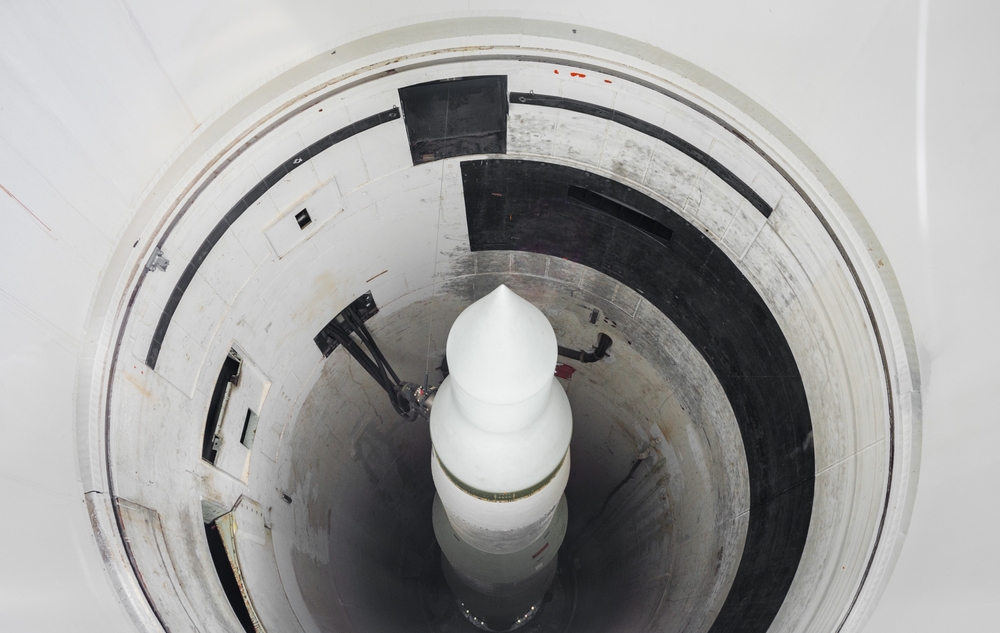
Whether the Pentagon ultimately adopts this reported strategy or modifies it during the review process, the debate has already highlighted the difficult balance between maintaining a credible deterrent and avoiding actions that could increase global instability. As tensions with China and Russia remain a defining feature of international security, decisions made today could influence American military planning for decades to come.