
Your cart is currently empty!
NASA Opens Astronaut Recruitment As It Prepares For A Permanent Moon Base
Imagine applying for a job and discovering that your future workplace could be the Moon. It sounds like something out of science fiction, but NASA is now inviting a new generation of candidates to help make that possibility a reality.
Contents
show
The US space agency has opened applications for its next astronaut class, with successful candidates potentially joining missions to the lunar surface, helping establish a permanent Moon base, and preparing for humanity’s eventual journey to Mars. However, anyone interested has a limited amount of time to apply, and the competition is expected to be fierce.
NASA Wants More Astronauts For Its Ambitious Moon Missions
NASA announced its latest astronaut recruitment drive on Saturday, November 7, during the Max Power air show at Kennedy Space Center in Florida. The agency is searching for candidates who can help support its expanding Artemis program and the increasingly demanding missions planned for the coming years.
NASA Administrator Jared Isaacman described the opportunity as an extraordinary moment to join the astronaut corps. He explained that the people selected could become part of missions that take human exploration considerably further than previous generations managed.
“This is an extraordinary time to join NASA’s astronaut corps,” Isaacman said in the agency’s announcement. He added that the people selected could walk on the Moon, live and work at the Moon Base, and help develop the systems needed to eventually carry crews to Mars.
The recruitment campaign comes as NASA prepares for another major phase of human space exploration. Its Artemis program aims to return astronauts to the lunar surface and establish a longer-term human presence there, creating opportunities for scientific research and increasingly complex missions.
For the agency, recruiting more astronauts is becoming increasingly important as its ambitions grow. The next class will be NASA’s 25th astronaut group since the original Mercury Seven were selected in 1959, marking another chapter in the agency’s decades-long human spaceflight program.
NASA Says It Does Not Have Enough Astronauts For The Work Ahead
Despite having decades of experience sending people into space, NASA currently has just 32 active astronauts in its astronaut corps. That is a relatively small workforce for an agency preparing to operate new spacecraft, test lunar landers, conduct spacewalks, and eventually support astronauts living on the Moon.
NASA astronaut Nichole Stilwell, who joined the 2021 astronaut class, explained the growing demand during an interview at Kennedy Space Center. She described the amount of work involved in preparing new vehicles, spacesuits, and other equipment for the agency’s lunar ambitions.
“There is a lot to be done in order to get all of these new vehicles and the new suits and everything as we continue to work towards the moon, build a base there, stay permanently, and then eventually onto Mars,” Stilwell told Space.com. She added that NASA needs more people to support those plans.
Artemis III commander Randy Bresnik also highlighted the shortage when speaking to The Associated Press. His assessment was direct and reflected the scale of the work NASA expects its astronauts to undertake.
“We have far more work than we have astronauts,” Bresnik said. The agency’s latest recruitment campaign is intended to strengthen its astronaut workforce before those missions become even more demanding.
NASA’s current astronaut corps has been built through decades of recruitment and training, with selected candidates representing a range of technical and professional backgrounds. Increasing that workforce will give the agency more people to prepare for future assignments while supporting its expanding mission schedule.
The Next Astronauts Could Help Build A Permanent Moon Base
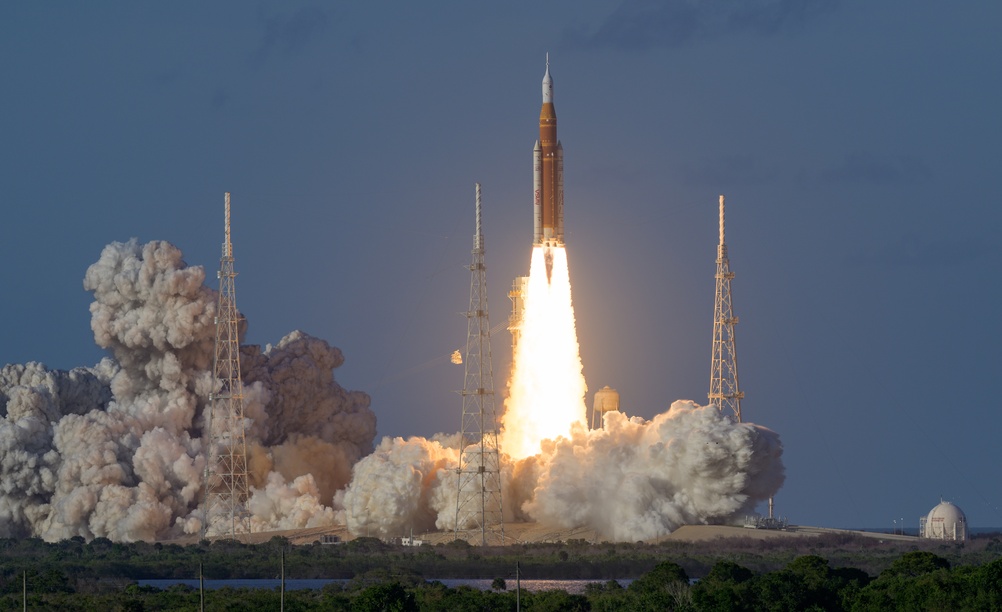
The Artemis program is central to NASA’s plans for expanding human activity beyond Earth. Following the Artemis II lunar flyby in April 2026, NASA is working toward additional missions that will test the equipment and systems needed for future lunar exploration.
Artemis III is expected to involve astronauts testing lunar lander technology in Earth orbit. According to the supplied mission details, four astronauts will take part in testing the docking of their spacecraft with lunar landers being developed by SpaceX and Blue Origin.
The mission is expected to serve as preparation for the subsequent Artemis IV mission, which is intended to attempt a lunar landing near the Moon’s south pole. These steps form part of a broader effort to develop the technology required for astronauts to work on the lunar surface.
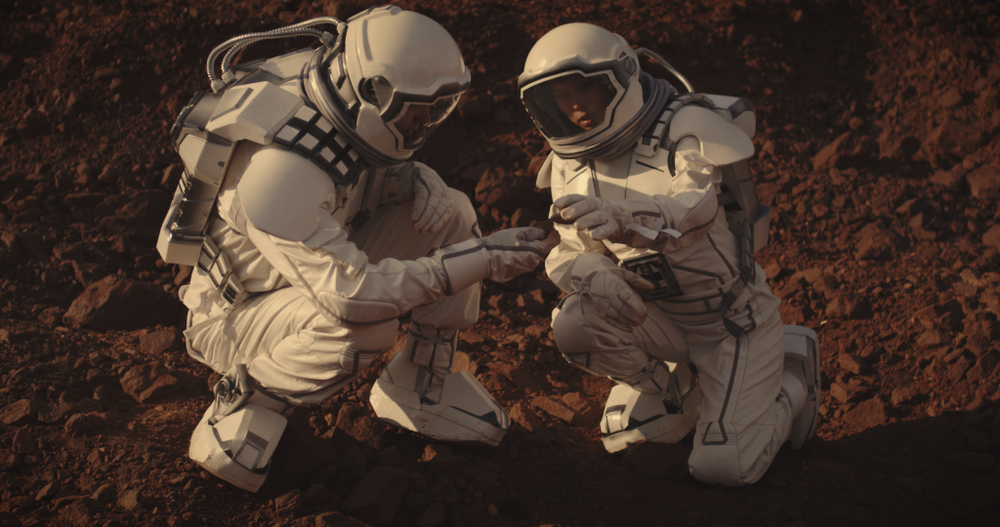
The longer-term objective involves establishing a sustained human presence on the Moon. That would require considerably more than simply landing astronauts and bringing them home, since a permanent base would need equipment and infrastructure capable of supporting people in an extremely challenging environment.
NASA’s plans include deploying additional rovers, robotic systems, structures, and power infrastructure as the lunar campaign develops. These systems would help astronauts carry out their work and support the gradual expansion of human activity on the surface.
The agency also wants to explore areas near the lunar south pole, where future missions could expand scientific understanding of the Moon. For the astronauts selected in this recruitment round, those plans could become a significant part of their careers.
However, being selected does not guarantee that every candidate will walk on the Moon or travel to Mars. Their eventual assignments will depend on NASA’s missions and operational requirements, while the work of preparing for those possibilities will begin long before any launch.
Who Can Actually Apply To Become A NASA Astronaut?

Although the opportunity sounds exciting, NASA has strict eligibility requirements. The application process is open to US citizens, and candidates must demonstrate strong academic qualifications and professional experience before they can be considered.
The standard educational requirement is a master’s degree from an accredited institution in an appropriate STEM subject. These include engineering, biological science, physical science, and computer science, according to NASA’s recruitment information.
Applicants must also have at least three years of related professional experience after completing their qualifying degree. This requirement means candidates need to demonstrate that they have applied their education in a professional setting rather than relying on academic qualifications alone.
For people considering applying, the main requirements include:
- US citizenship: Applicants must be citizens of the United States to qualify for the recruitment process.
- Advanced education: Candidates generally need a master’s degree in an appropriate STEM field from an accredited institution.
- Professional experience: At least three years of relevant professional experience is required after completing the qualifying degree.
- Medical and physical fitness: Candidates must pass NASA’s long-duration astronaut flight physical.
- Professional abilities: Strong leadership, teamwork, and communication skills are also expected.
However, NASA has provided several alternative routes for people who do not hold a traditional master’s degree. These options allow certain doctoral students, medical professionals, and qualified test pilots to satisfy the advanced education requirement through different qualifications.
There Are Other Educational Routes Into The Astronaut Corps
According to NASA, candidates may satisfy the advanced education requirement through certain doctoral, medical, and test-pilot qualifications. The alternatives are specific, meaning applicants should carefully check whether their qualifications match the agency’s requirements.
The first option involves completing at least two years of work toward a doctoral program in an appropriate technical field. Eligible subjects include engineering, biological science, physical science, computer science, and mathematics.
The second route is available to people with qualifying medical degrees. NASA accepts a Doctor of Medicine, Doctor of Osteopathic Medicine, Physician Assistant, Doctor of Nursing Practice, Family Nurse Practitioner, or a related medical degree.
The third option involves nationally recognized Test Pilot School training. Candidates must have completed the program or be currently enrolled, with completion required by July 2027; if this is their only advanced technical qualification, they must also hold a relevant STEM bachelor’s degree.
NASA also allows qualifying medical residency training to count toward professional experience, provided the residency is completed by July 2027. This gives eligible medical professionals another route to demonstrate the experience required for astronaut selection.
The different pathways show that NASA’s astronaut recruitment process is designed to consider several kinds of professional expertise. However, meeting one of these academic routes does not remove the other requirements involving experience, physical fitness, and personal capabilities.
Experienced Pilots Have Their Own Flight Requirements
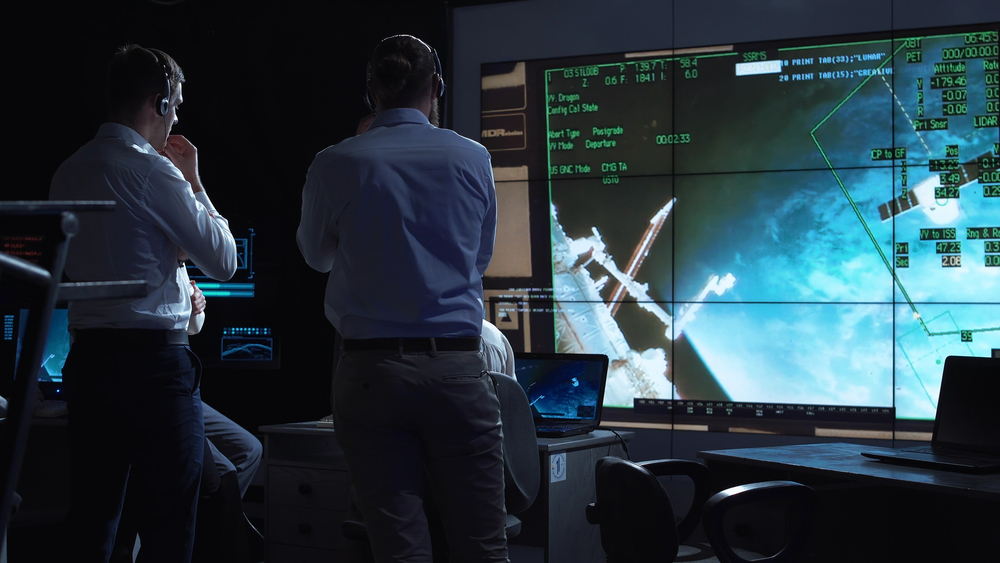
For people hoping to become pilot astronauts, professional flight experience is another major consideration. NASA has outlined different flight-hour requirements depending on the type of aircraft applicants have operated, allowing candidates to qualify through several aviation backgrounds.
Candidates can meet the relevant flight experience requirements through one of the following routes:
- High-performance jet aircraft: At least 750 hours as pilot in command.
- Other fixed-wing aircraft: At least 1,500 total flight hours, including 750 hours as pilot in command.
- Rotary-wing aircraft: At least 1,000 total flight hours, including 300 hours as pilot in command.
These requirements reflect the technical demands involved in operating aircraft and supporting complex spaceflight missions. They also distinguish the different experience routes available to pilots, depending on the aircraft they have flown and their responsibilities during those flights.
However, meeting the educational and professional requirements does not automatically guarantee selection. NASA also requires candidates to pass its long-duration astronaut flight physical, while demonstrating strong leadership, teamwork, and communication skills.
Those abilities are essential when working in environments where decisions can have serious consequences and crews must depend on one another. Astronaut candidates are expected to demonstrate that they can contribute to a team while handling the demanding responsibilities associated with human spaceflight.
Only 10 Astronaut Candidates Were Selected Last Time

NASA’s previous astronaut recruitment campaign attracted enormous interest when applications opened in 2024. More than 8,000 people submitted their details hoping to become astronauts, but only 10 candidates were ultimately selected in September 2025.
The successful group included five men and five women, who are currently completing their astronaut training. Their selection followed a competitive process in which thousands of applicants were considered for a limited number of positions.
The latest recruitment campaign will produce NASA’s 25th astronaut class, continuing a tradition that began with the original Mercury Seven in 1959. Since its early years, NASA has selected 370 people to train as astronaut candidates for increasingly challenging missions.
The agency’s current recruitment effort reflects how much human spaceflight has changed since those first missions. Early astronauts helped establish America’s ability to send people into space, while the next generation could be responsible for developing the operations needed to support humans beyond Earth for extended periods.
The number of available positions has not been specified in the supplied recruitment announcement. However, the previous selection figures demonstrate just how competitive the process can become, particularly when thousands of qualified people are interested in joining the astronaut corps.
For anyone considering an application, the competition should be taken seriously. NASA will be looking for candidates who can meet its demanding requirements and contribute to missions that could involve years of preparation.
What Happens After NASA Selects Its New Astronauts?
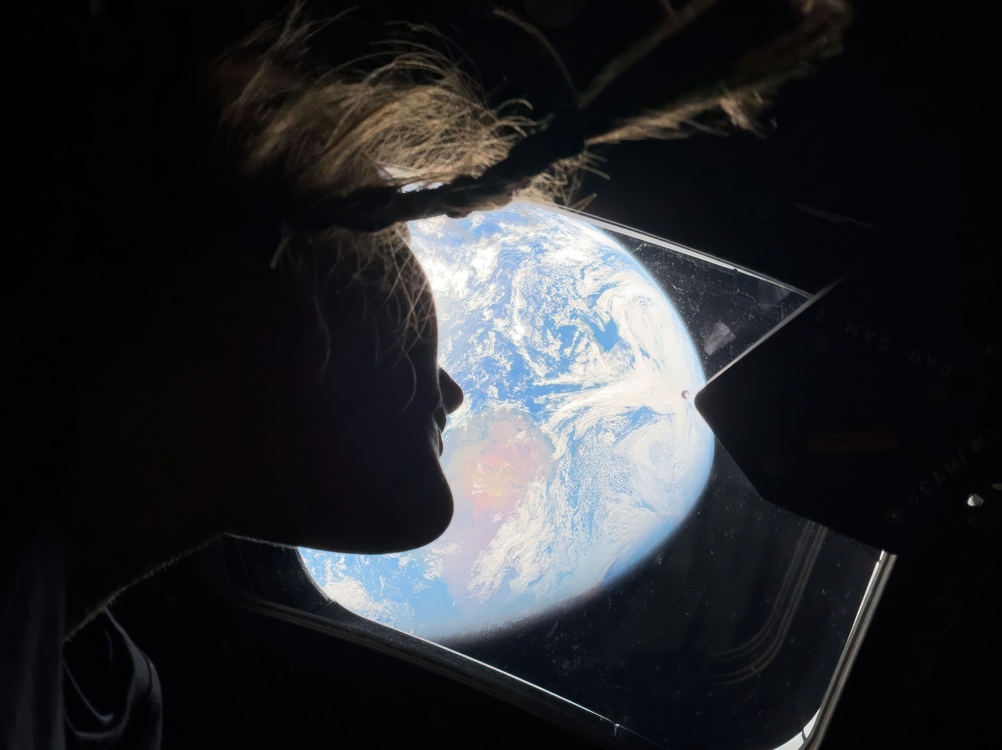
Anyone expecting to submit an application and immediately head into space will need plenty of patience. NASA expects to make its final selections in late 2027, with the successful candidates expected to begin training in early 2028 at Johnson Space Center in Houston, Texas.
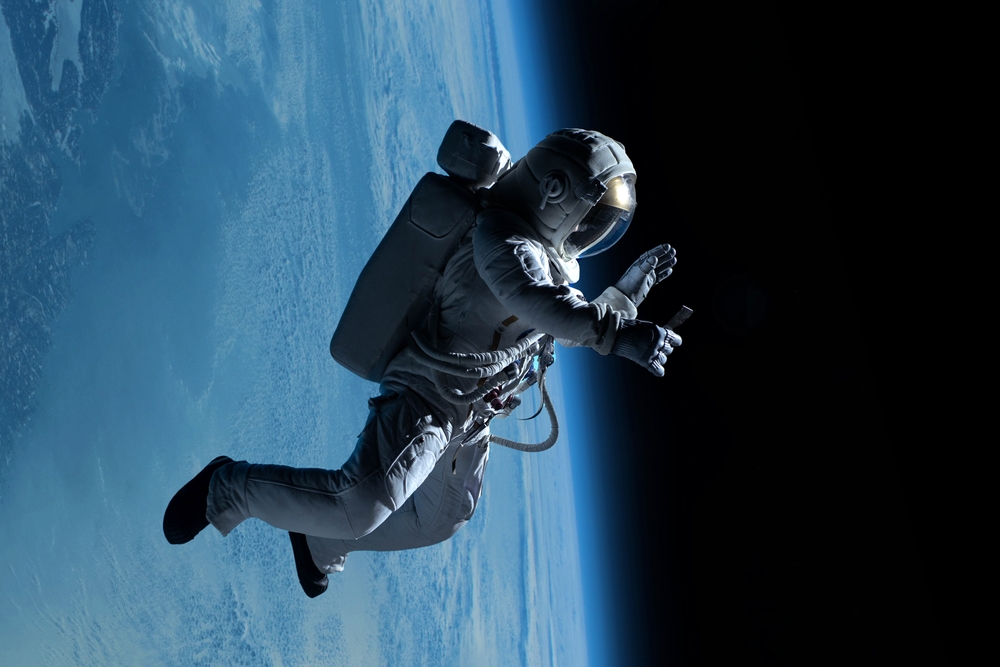
The training program lasts approximately two years and prepares candidates for the demands of human spaceflight. During this period, astronaut candidates study several areas, including spacewalking, lunar geology, and the operation of high-performance aircraft.
They must also learn how to work with spacecraft systems and handle the challenges associated with living and working in space. Their preparation is intended to develop the technical knowledge and practical abilities needed for demanding assignments.
Artemis III astronaut Frank Rubio, who holds the US record for the longest consecutive spaceflight at 371 days, offered an important perspective on what aspiring astronauts should expect. His comments also provide a useful reality check for anyone who imagines that the job involves spending most of their career travelling beyond Earth.
“It’s important for them to realize most of that work is not going to the moon, right?” Rubio told the Associated Press. He explained that actual lunar work could account for only around 1% of an astronaut’s overall experience.
The majority of the job involves contributing to the mission through years of preparation, training, and technical work. Astronauts must be ready to spend significant time developing their skills and supporting operations long before they receive an opportunity to participate in a spaceflight.
That is why patience is essential for anyone pursuing this career. Even after completing the initial training program, it could take several additional years before a selected candidate finally gets the opportunity to travel into space.
The December 3 Deadline Is Fast Approaching
For anyone who meets NASA’s requirements and dreams of joining the astronaut corps, applications are currently open. However, the opportunity comes with a firm deadline, and candidates must submit their completed application materials before the recruitment window closes.
According to NASA, applications must be submitted by 11:59 p.m. Eastern Standard Time on Thursday, December 3, 2026. Interested US citizens can find the official application information through NASA’s astronaut recruitment website.
NASA expects to announce its final selections in late 2027, with successful candidates joining the astronaut training program in early 2028. The agency will then begin preparing its newest recruits for the technical and physical demands of future human spaceflight missions.
NASA Chief Astronaut Scott Tingle, who chairs the agency’s Astronaut Selection Board, described the opportunity as something that extends beyond an ordinary career. He said the selected candidates would join a legacy of explorers who have pushed the boundaries of discovery and helped shape humanity’s future in space.
“For those who apply, becoming a NASA astronaut is more than a career opportunity,” Tingle said. His comments reflect the responsibilities associated with joining a program that depends on years of preparation and the ability to work through complex challenges.
NASA Deputy Administrator Matt Anderson also encouraged potential applicants to consider the opportunity, describing the recruitment window as an invitation to take part in human exploration. His message was direct: “The window is open. The mission is waiting. And the only thing missing from the greatest adventure humanity has ever embarked upon is you.”
For successful applicants, the road ahead could involve years of demanding preparation before they ever leave Earth. Yet the possibility of helping establish a permanent human presence on the Moon is now part of a real recruitment campaign, and December 3 is the date aspiring astronauts need to remember.