
Your cart is currently empty!
Elon Musk Shares Major Update On Neuralink Technology Designed To Help Blind People See
Elon Musk has made a striking claim about a technology that could change the future of vision restoration. Neuralink’s experimental brain implant, Blindsight, is reportedly ready from an engineering standpoint and awaiting regulatory approval before moving towards human testing.
Contents
show
The technology has an ambitious goal: helping people with severe vision loss experience visual perception by sending information directly to their brains. Musk has even suggested it could eventually help people who have been completely blind since birth, although that possibility has yet to be demonstrated in human patients.
Elon Musk Says Neuralink’s Blindsight Is Ready For Its Next Stage
Musk discussed Blindsight in an October 30, 2026, post on X, describing it as Neuralink’s second product. He said the device was “ready from an engineering standpoint” but “just waiting on regulatory approval.”
The announcement offered an update on the company’s development progress, although several important details remain unclear. Musk did not identify the regulator involved, confirm whether a formal application had been submitted, or provide an expected approval date.
His comments nevertheless brought renewed attention to a project that aims to approach blindness from an entirely different direction. Traditional approaches to vision restoration often focus on the eyes, the retina, or the optic nerves, depending on the underlying cause of vision loss. Neuralink’s Blindsight is designed to bypass much of that natural pathway by communicating directly with the brain.
Musk also made a particularly ambitious claim about the people who could eventually benefit. He suggested the technology could enable individuals who have never experienced sight to see, potentially opening possibilities for people with congenital blindness.
However, the announcement did not include a demonstration showing that Blindsight can produce visual perception in humans. Neuralink’s published information also indicates that clinical trials for its visual prosthesis are still part of its future development plans.
That distinction is important when assessing the announcement. Engineering readiness describes progress in developing a device, while clinical evidence determines whether it can safely and effectively achieve its intended medical purpose.
How Neuralink’s Blindsight Implant Could Help Blind People See
The human visual system depends on a complicated communication process involving the eyes, optic nerves, and brain. Light enters the eyes and reaches the retina, a layer of tissue at the back of each eye that converts incoming light into electrical signals.
Those signals travel through the optic nerves before reaching areas of the brain responsible for processing visual information. The brain interprets the signals and creates the visual experiences people use to recognize their surroundings.
Problems affecting any part of this pathway can cause significant vision loss. Injuries and diseases affecting the eyes or optic nerves can interrupt the transmission of visual information, sometimes resulting in complete blindness.
Neuralink’s approach attempts to overcome some of these limitations by delivering visual information directly to the brain. Instead of depending on the eyes to capture light and transmit signals naturally, Blindsight is designed to use a camera and a specialized implant.
A Camera Would Capture The Surrounding Environment
According to Neuralink’s official visual prosthesis page, Blindsight uses a video camera to capture images of the environment. This camera would collect visual information about the surroundings, including objects and people within the user’s field of view.
The captured information would then be processed and transmitted wirelessly to the specialized brain implant. This creates an alternative route for delivering information that would normally travel through the eyes and optic nerves.
The camera is therefore an important part of the system because it provides the visual input that the brain would otherwise receive through natural vision. However, capturing an image is only the first part of the process, and the technology must still establish how effectively that information can be translated into useful perception.
The Implant Would Communicate With The Brain
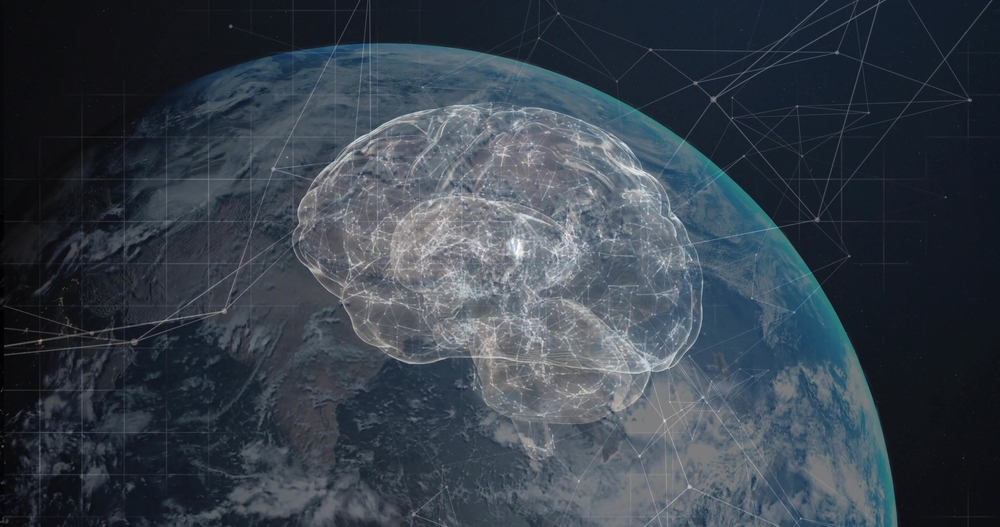
Once the visual information reaches the implant, Neuralink aims to stimulate brain areas responsible for visual function. The company describes this process as generating visual perception by activating the relevant parts of the brain.
The intended result is a system that can provide visual information even when the normal eye-to-brain pathway has been disrupted. This could be particularly relevant for people whose blindness results from damage to their eyes or optic nerves.
The technology’s effectiveness will depend on how the brain responds to these artificial signals. Researchers will need to determine whether the stimulation can produce recognizable visual experiences and whether those experiences can help users understand their surroundings.
FDA Breakthrough Device Designation Does Not Mean Approval

Blindsight reached an important regulatory milestone in September 2024, when Neuralink announced that the US Food and Drug Administration had granted the technology Breakthrough Device Designation.
The designation is intended to support the development of medical devices designed to address serious or life-threatening conditions. It can provide companies with more opportunities to communicate with FDA specialists and help accelerate aspects of the regulatory review process.
Neuralink confirmed the development on its official website, stating, “We have received FDA Breakthrough Device Designation for Blindsight.”
The company also explained that the designation accelerates its path towards helping restore visual perception to people who have lost their ability to see. For a technology intended to address severe blindness, this regulatory recognition represents an important development milestone.
However, the designation should not be confused with FDA approval or clearance. It does not establish that a medical device has successfully completed human testing or demonstrated that it is safe and effective for widespread use.
What The FDA Designation Actually Allows

The Breakthrough Device program is designed to support the development and review of certain medical devices that could provide more effective treatment options for serious conditions. Companies may receive opportunities for more frequent communication with FDA specialists during development and regulatory submissions.
This can help manufacturers address regulatory questions as they work towards establishing the safety and effectiveness of their products. However, receiving the designation does not guarantee that a device will eventually receive authorization.
Blindsight still needs the appropriate regulatory permissions and clinical evidence before it can become an established medical treatment. The FDA designation alone does not establish that Neuralink has demonstrated successful vision restoration in patients.
This distinction is particularly important because Musk’s latest comments could easily be interpreted as suggesting the implant is almost ready for public use. His statement concerned engineering readiness and pending regulatory approval, while the company’s website continues to describe clinical trials as a future stage.
For people hoping to benefit from the technology, the difference between a development milestone and an approved treatment remains significant.
Helping People Blind Since Birth Presents A Major Scientific Challenge
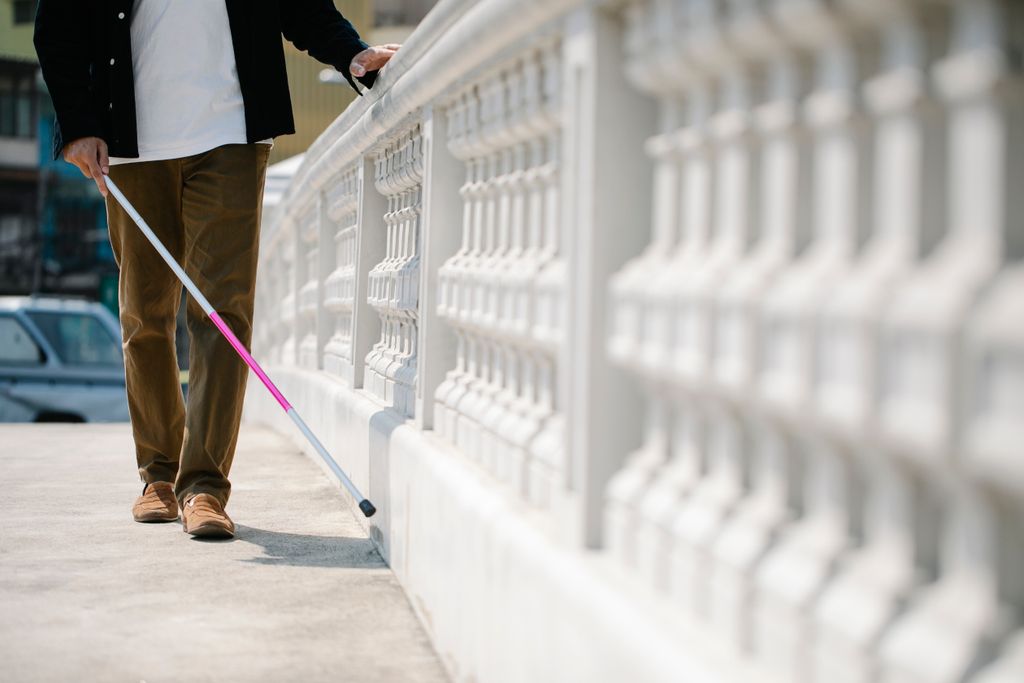
One of the most attention-grabbing aspects of Musk’s announcement was his claim that Blindsight could help people who have never seen before. If established through clinical research, this would potentially extend the technology’s applications beyond people who lost their vision after previously experiencing sight.
However, congenital blindness presents additional scientific challenges. People born without sight may experience differences in how their brains develop compared with individuals who lose their vision later in life.
The brain’s visual processing systems develop through a combination of biological processes and sensory experience. When visual information has never been received through the eyes, researchers face additional questions about how artificial stimulation might produce meaningful perception.
This does not establish that visual perception would be impossible for someone born blind. It does mean that the possibility requires careful investigation rather than assumptions based on the implant’s engineering design.
Why Congenital Blindness Requires Further Research

People can experience blindness for different reasons, and the underlying cause can influence which approaches to visual restoration may be suitable. Someone whose optic nerves are damaged may face different challenges from someone whose blindness results from conditions affecting other parts of the visual system.
Neuralink’s approach seeks to bypass damaged eyes and optic nerves by stimulating areas of the brain involved in vision. However, the brain’s previous experience with visual information could influence how successfully it interprets artificial signals.
Researchers will need to investigate how the implant performs across different groups of participants. They will also need to understand whether people who have never experienced sight can develop useful visual perception through this form of stimulation.
What Researchers Still Need To Establish

Several questions remain unanswered before Blindsight can be considered an effective treatment for severe blindness. Clinical research will need to examine the quality of the visual experiences produced by the implant and determine whether they offer practical benefits.
Researchers will also need to investigate the following areas:
- Recognition of objects: Can users distinguish between different objects through the visual information delivered by the implant?
- Understanding surroundings: Could the technology eventually help people identify obstacles and interpret their immediate environment?
- Brain adaptation: How will the brain respond to artificial signals delivered through repeated stimulation?
- Congenital blindness: Can people who have never experienced sight develop meaningful visual perception using the technology?
- Long-term safety: What risks could arise from having a specialized implant stimulate the brain over extended periods?
These questions represent important parts of the research process. Until clinical results become available, Musk’s claims about the technology’s potential should be understood as development goals rather than established medical outcomes.
Neuralink’s Telepathy Implant Has A Different Purpose
Blindsight is not the only brain-computer interface product Musk has discussed. In an earlier post, he identified Telepathy as Neuralink’s first product, describing its purpose as enabling communication with computers or other people through thought.
The two technologies have different objectives, even though both involve connecting neural activity with external technology. Telepathy focuses on helping people interact with digital devices, while Blindsight aims to generate visual perception through brain stimulation.
Neuralink’s Telepathy technology is particularly relevant to people who have lost the ability to move or use their hands. By interpreting neural signals and translating them into computer commands, the system aims to provide another way for users to control digital interfaces.
This could allow people to move a computer cursor, click on items, and interact with digital devices without relying on a conventional mouse or keyboard. Neuralink has conducted trials involving people with paralysis to investigate the capabilities of its brain-computer interface.
Musk has also discussed longer-term ambitions involving communication speeds that could eventually surpass conventional verbal or written interaction. However, those ambitions should be distinguished from the capabilities demonstrated by the technology so far.
The relationship between the two products is worth understanding because progress with Telepathy does not automatically establish that Blindsight will achieve its intended results. Each technology has different objectives and requires its own evidence of safety and effectiveness.
When Could Neuralink Begin Human Trials For Blindsight?
Neuralink has not announced a confirmed public launch date for Blindsight or provided a timetable for when patients could receive the implant. Its official website says the company plans to launch visual prosthesis trials in the United States and encourages interested individuals to join its Patient Registry.
The registry is intended for people who want to receive information about future clinical trials. Neuralink specifically invites individuals who are interested in its visual prosthesis research, including people who may have loved ones affected by severe vision loss.
The company states that people interested in learning more about its clinical trials can register through its official website. Joining the registry, however, does not mean someone has been selected for a trial or is guaranteed access to the technology.
The next stages will involve obtaining the necessary regulatory authorization and conducting clinical research. Those studies will need to collect evidence about the implant’s performance and identify any potential risks associated with its use.
Several milestones will influence how quickly the technology can progress:
- Regulatory authorization: Neuralink must obtain the necessary permission to proceed with human testing.
- Clinical trials: Researchers will need to evaluate Blindsight in human participants under an approved research program.
- Safety assessment: Studies must examine the risks associated with implanting and operating the device.
- Effectiveness research: Clinical results must establish whether the technology can generate useful visual perception.
- Further regulatory review: Evidence from testing will be needed before regulators can consider broader medical use.
The process could take time, particularly because the technology involves direct stimulation of the brain. A confirmed launch date cannot be established from Musk’s announcement or Neuralink’s current registry information.
Blindsight Could Change Vision Restoration, But Testing Comes First
Neuralink’s Blindsight project presents an ambitious possibility for people living with severe vision loss. Its proposed approach could offer another direction for visual prosthetics by sending information directly to the brain rather than relying on the damaged parts of the natural visual system.
Musk’s claim that the technology could eventually help people blind from birth has attracted particular attention. However, the company still needs to establish what the implant can achieve through human clinical research, including whether it can produce meaningful visual experiences and how safely it operates.
The FDA’s Breakthrough Device Designation provides a regulatory development pathway, while the company’s Patient Registry signals preparations for future research. Neither development establishes that the implant has already restored sight in a human patient.
For people who have spent their lives without vision, the prospect of experiencing sight through a brain implant is extraordinary. The next decisive milestone will be clinical evidence showing whether Blindsight can turn that possibility into a medical reality.