
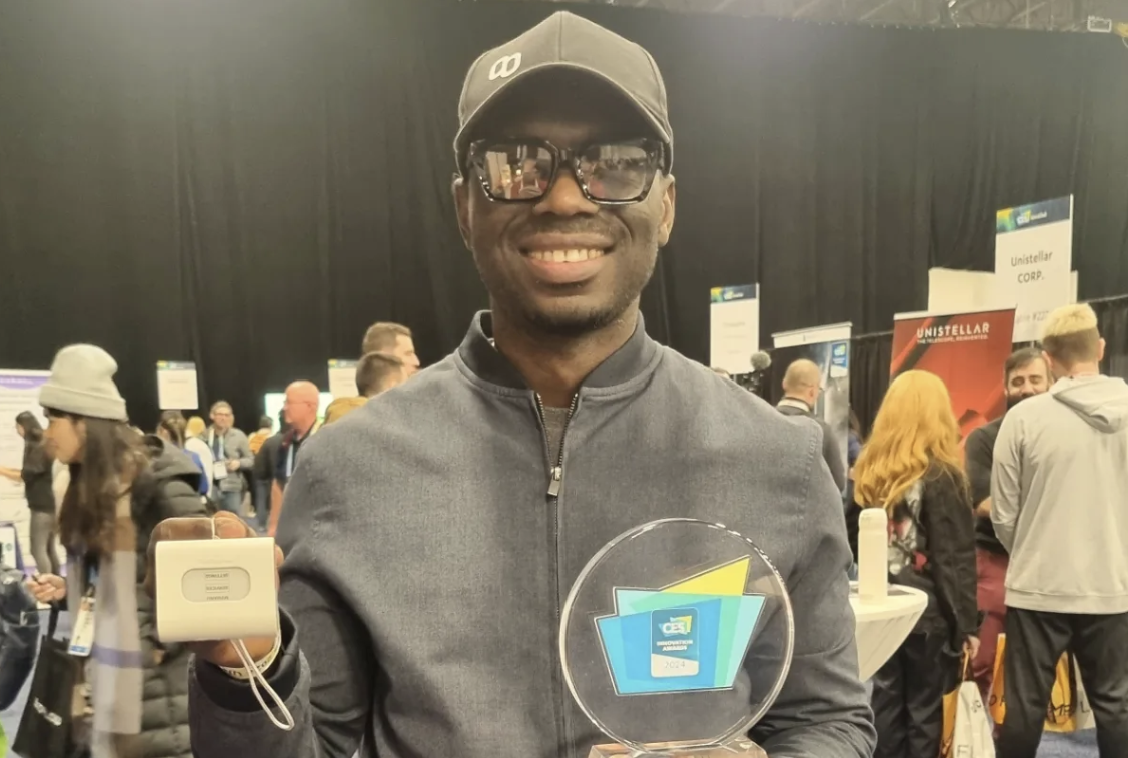
A conference involving sound engineers from across Europe was cancelled because organisers could not find translators. For Ghanaian-British engineer and entrepreneur Danny Manu, that frustrating experience sparked an idea that would eventually lead to a technology company developing wireless earbuds capable of translating conversations in more than 40 languages.
Today, his invention is attracting attention for its potential to make communication across language barriers easier. From international business meetings to holidays in foreign countries, Manu wants people to understand one another without constantly depending on human interpreters or translation apps. His journey from identifying a communication problem to building an international technology business is a story of persistence, engineering and entrepreneurial ambition.
A Cancelled Conference Gave Danny Manu An Unexpected Business Idea
Danny Manu’s journey into translation technology began with an experience that exposed a problem many international professionals encounter. While working with sound engineers from different parts of Europe, he witnessed how language differences could disrupt communication between people who needed to work together.
A conference involving the professionals had to be cancelled because translators were unavailable. Without someone capable of interpreting between participants, the language barrier became too significant for the event to proceed as planned.
For Manu, the experience raised an interesting possibility. Could technology provide a solution that allowed people to communicate directly, even when they did not speak the same language?
Rather than accepting that language differences would always require a human interpreter, he began considering whether wireless audio technology could make conversations easier. He imagined a device that could listen to someone speaking in one language and deliver the translated words directly into another person’s ears.
The idea was particularly interesting because wireless earbuds were already becoming popular for music, phone calls and everyday audio. Manu saw an opportunity to expand what these familiar devices could accomplish by combining sound engineering with translation software.
That initial concept eventually became the foundation of Mymanu, the technology company he established in 2014. The business would go on to develop several products designed to bring translation capabilities into everyday audio devices.
Mymanu CLIK Introduced A Different Approach To Language Translation

One of the company’s first major achievements was the development of Mymanu CLIK, a pair of wireless earbuds designed to help people communicate across language differences. The product launched in 2016 after a crowdfunding campaign that helped finance its development and move the invention towards the commercial market.
The concept was relatively straightforward but ambitious. Instead of requiring two people to type sentences into a translation application, the earbuds were designed to support spoken conversations through connected smartphones and dedicated software.
CLIK combined traditional wireless earphone functions with translation technology. Users could connect the earbuds through Bluetooth and access translation features using the company’s companion application.
This meant the product could serve multiple purposes rather than functioning exclusively as a translation device. People could use it for music and phone calls while also accessing features designed to make multilingual communication easier.
How The Translation System Was Designed To Work
Mymanu developed its own software system to support the translation experience. The original references identify the company’s proprietary translation technology as MyJuno, which was designed to process speech and deliver translated audio through the earbuds.
The basic process involves a smartphone connection and software that handles the language conversion. When someone speaks, the system processes the spoken words and provides a translated version for the listener.
This approach offers a different experience from conventional translation applications that require users to repeatedly look at their phone screens. Instead, the intention is to make conversations feel more natural by allowing users to listen through their earbuds.
The technology also incorporates speech-to-text and text-to-speech functions. These features allow spoken words to be converted into written information and written messages to be delivered as spoken audio.
More Than Ordinary Wireless Earphones
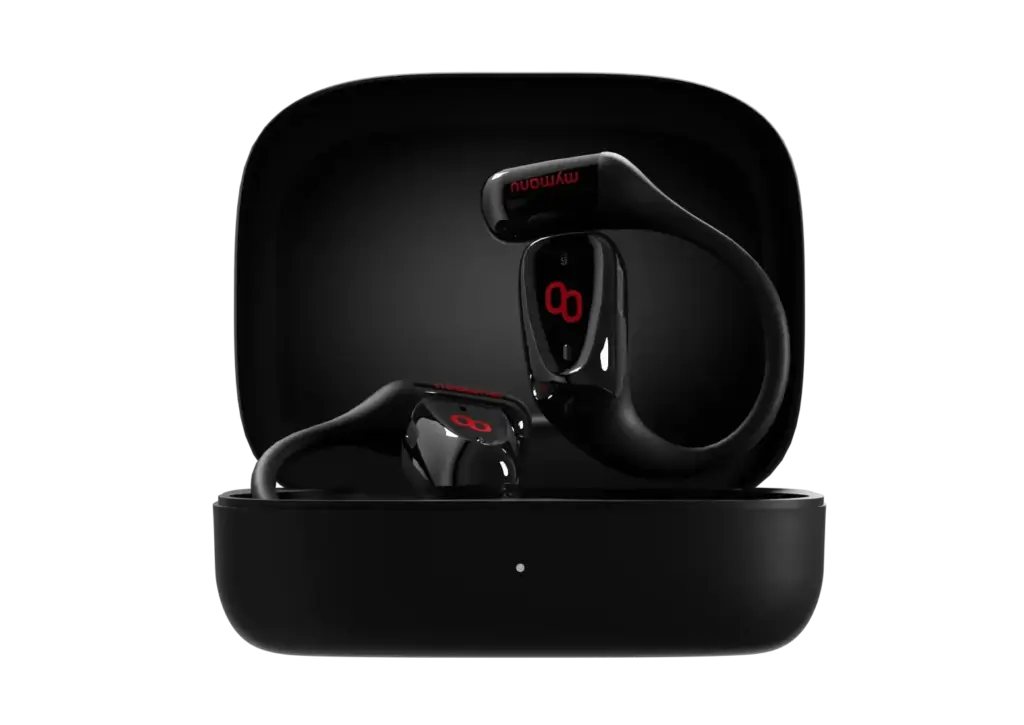
Image Credits – Website @mymanu
The company’s original product was designed to combine several communication and entertainment functions. This made CLIK relevant to people who wanted a regular pair of wireless earbuds alongside additional translation capabilities.
Its advertised features included music playback, phone calls, text notifications and translation support. The ability to combine these functions helped distinguish the product from devices designed exclusively for language conversion.
The technology was intended to be useful in situations where people needed to communicate without sharing a common language. Travellers, international professionals and people attending multilingual events were among the potential users who could benefit.
Danny Manu Had To Find His Own Way To Finance The Invention
Image Credits – Instagram @officialdannym
Developing an innovative product is only one part of establishing a successful technology company. Turning an engineering concept into a commercial device requires money, manufacturing resources, software development and the ability to reach customers.
Manu encountered difficulties securing conventional investment while trying to establish his business. Accounts of his entrepreneurial journey describe the challenges he faced as a Black innovator seeking financial backing in the British technology industry.
For an entrepreneur developing specialised hardware, a lack of investment can become a serious obstacle. Manufacturing physical devices requires financial resources long before a company begins receiving money from customers.
Rather than abandoning the idea, Manu pursued crowdfunding as an alternative route. This allowed him to present the product to potential supporters and raise money to help bring it closer to the market.
According to the reported campaign figures, the original CLIK crowdfunding effort raised more than $500,000. The funding helped support the company’s progress from product development towards commercial production.
The achievement represented an important step for Mymanu because the company was attempting to enter a competitive consumer technology market. Manu had to establish a product identity while demonstrating that his translation concept could work as an everyday audio device.
Crowdfunding also offered an alternative to relying entirely on traditional investors. Instead of waiting for established financial institutions to support the concept, he could build interest among people who saw potential in the technology.
His experience illustrates one of the difficulties faced by entrepreneurs developing hardware innovations. A promising idea still needs access to capital, technical expertise and manufacturing opportunities before it can become a product people can purchase.
Mymanu Orb Shows How The Company’s Technology Has Evolved
After introducing CLIK, Mymanu continued developing its product range and translation capabilities. One of its newer offerings is Mymanu Orb, which brings live translation features into a different wireless earbud design.
Orb uses an open-ear design rather than the traditional approach of placing an earbud inside the ear canal. This allows users to remain more aware of surrounding sounds while listening to audio through the device.
According to Mymanu’s product information, Orb supports live translation across more than 40 languages. Its functions are designed to assist with face-to-face conversations and phone calls, giving users additional ways to communicate with people who speak different languages.
The newer product also includes conventional audio features. This reflects the company’s continued effort to combine translation technology with the functions people already expect from wireless earbuds.
The Features Offered By Mymanu Orb
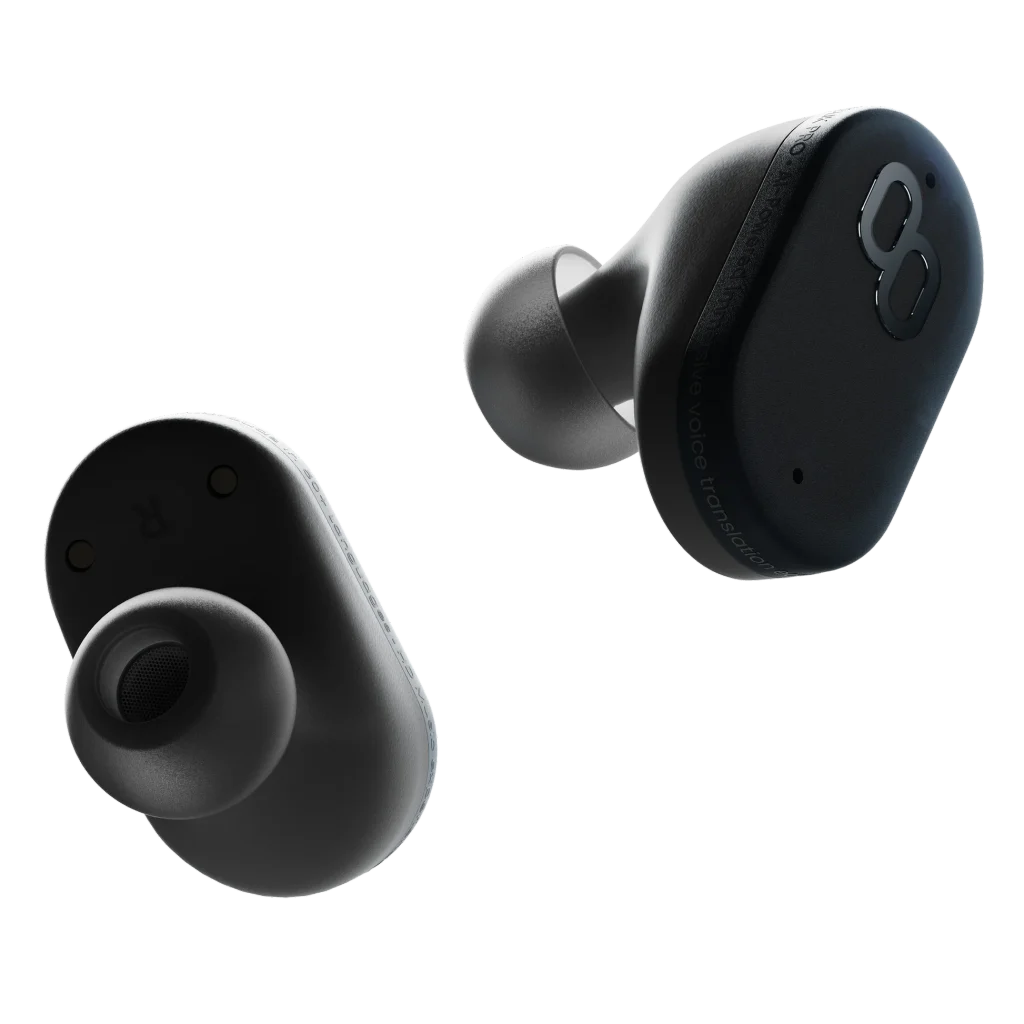
Image Credits – Website @mymanu
Mymanu’s product listing describes several features intended to make Orb useful in different everyday situations. Its advertised specifications include Bluetooth 5.1 connectivity and up to 35 hours of battery life when used with its charging case.
The product also offers music playback, call support and speech transcription capabilities. These features provide additional functionality beyond its central translation purpose.
Some of the advertised features include:
- Live language translation: Supports communication across more than 40 languages, helping users follow multilingual conversations.
- Open-ear construction: Allows users to hear their surroundings while listening through the earbuds.
- Bluetooth 5.1: Provides wireless connectivity with compatible devices.
- Battery performance: Offers up to 35 hours of battery life with the charging case, according to the company’s product information.
- Call support: Provides conventional wireless calling functionality.
- Speech transcription: Includes tools designed to convert spoken information into text.
Mymanu has listed Orb at $179.99, equivalent to approximately Rs 16,000 before applicable taxes, shipping costs and import charges. Actual prices can vary depending on the market and retailer.
The distinction between CLIK and Orb is worth understanding because they belong to different stages of the company’s development. CLIK introduced Manu’s early translation earbud concept, while Orb represents a newer product with an updated design and advertised features.
Who Is Danny Manu, The Engineer Behind Mymanu?
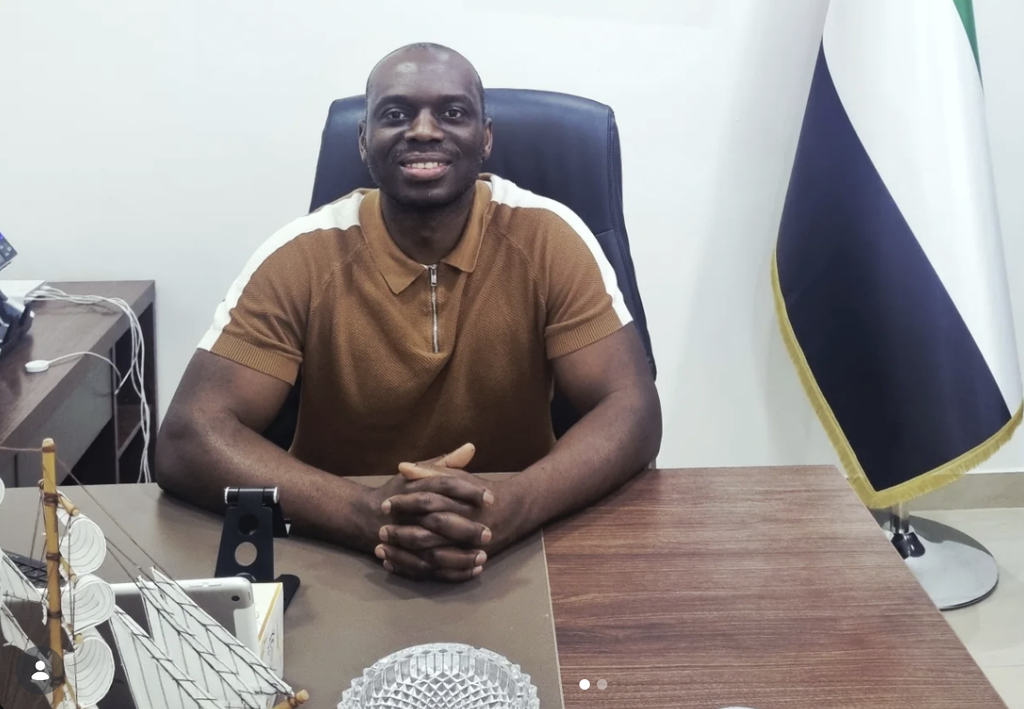
Image Credits – Instagram @officialdannym
Danny Manu is a British-Ghanaian engineer and technology entrepreneur who was born in the United Kingdom to Ghanaian parents. He studied at Oxford Brookes University and developed professional experience in engineering, technology and sound-related work.
His background in sound engineering gave him useful experience for pursuing a product that depended heavily on audio processing and wireless communication. Developing translation earbuds requires an understanding of how sound is captured, processed and delivered through compact devices.
Before establishing Mymanu in 2014, Manu had worked at Quanta Networks Inc. and had connections to MEDYBIRD. These experiences formed part of his professional background before he focused on developing his own technology business.
Manu has also described his personal ambitions through a statement published on his website. He called himself “a very ambitious, hard-working engineer who strives to develop life-changing solutions to improve people’s life”.
His translation earbuds reflect that stated interest in creating practical solutions to everyday problems. The original idea came from watching professionals struggle to communicate, and his subsequent work focused on developing technology that could help overcome similar situations.
He was also recognised by Google for his contributions to science, arts and culture. That recognition brought additional attention to his work and his efforts to develop technology with international applications.
Although his products are designed for a global market, his Ghanaian heritage remains an important part of the story surrounding his entrepreneurial journey. His achievements have also attracted attention among audiences interested in African and diaspora representation within the technology industry.
The Possibility Of Bringing More African Languages Into Translation Technology

One particularly interesting aspect of Manu’s work involves the potential expansion of translation support for African languages. While international translation platforms commonly prioritise widely spoken global languages, many African languages and regional dialects receive less attention from technology developers.
Africa has enormous linguistic diversity, with communities speaking hundreds of different languages. Even within individual countries, people may communicate using several languages and regional variations.
Ghana provides a useful example of this diversity. Alongside English, languages such as Twi, Ewe, Ga and Dagbani are spoken by different communities across the country.
Supporting these languages through translation technology could make digital communication more accessible to people whose everyday conversations do not always happen in widely supported international languages.
However, developing reliable translation systems for additional languages involves considerable technical work. Developers must account for vocabulary, grammar, accents, pronunciation and differences between regional dialects.
Manu has previously discussed the possibility of expanding Mymanu’s support for African languages, beginning with Ghanaian languages and potentially reaching more communities across the continent. This ambition could give the technology additional relevance beyond international tourism and business communication.
It also raises an important question for the technology industry: how can products designed for a global audience better represent people who speak languages that receive less commercial attention?
For African technology users, greater language support could improve access to digital tools and create more opportunities for communication across communities.
Mymanu’s Work Extends Beyond Translation Earbuds
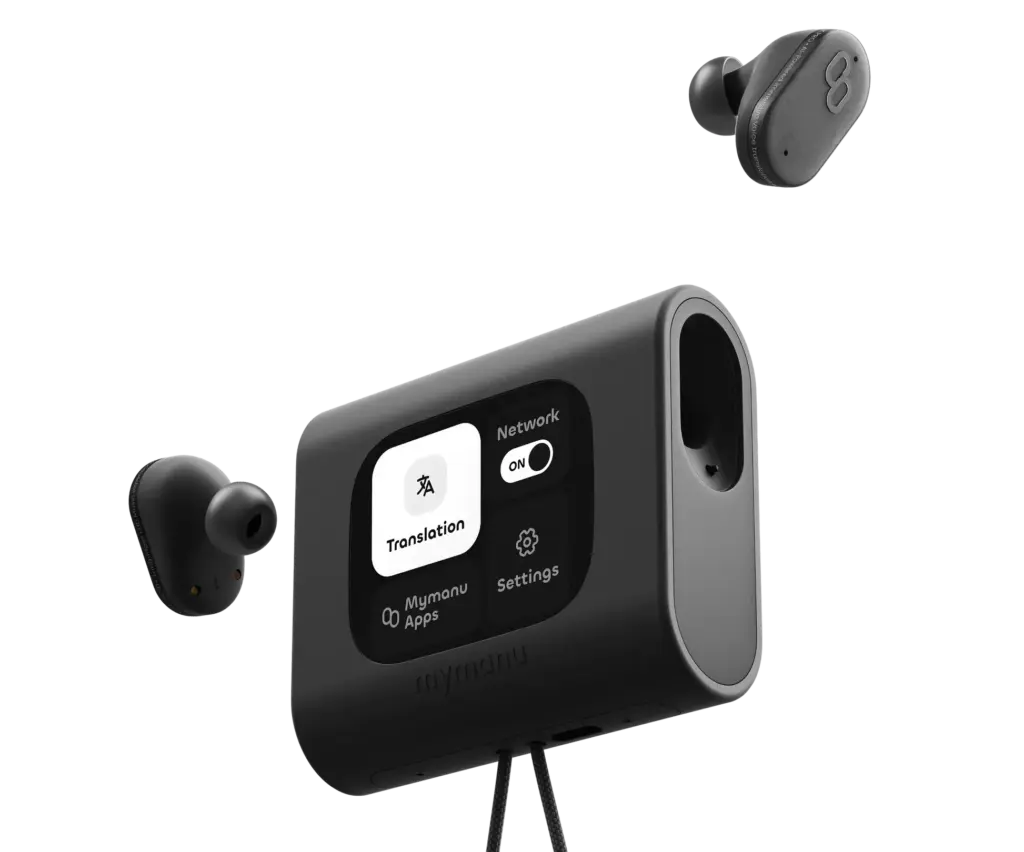
Image Credits – Website @mymanu
Although language translation remains a central part of the company’s identity, Mymanu has explored other audio products as well. One example is Gabby, a waterproof wireless speaker designed to support music playback and phone calls.
The product demonstrates the company’s wider interest in combining audio technology with practical everyday functions. Its work is therefore not limited to developing translation software for wireless earbuds.
Manu’s professional activities have also extended beyond the consumer audio market. During the COVID-19 pandemic, he was associated with Medybird, a business that supplied personal protective equipment to healthcare systems.
One of the supplied reference accounts reports that Medybird provided more than 15 million units of PPE during the pandemic. This represented another example of his involvement in a business responding to a practical need.
The experience also demonstrates how his entrepreneurial activities have involved different industries. From communication technology to healthcare supplies, his work has focused on developing or providing products that address identifiable problems.
For Mymanu, the continued development of audio products provides opportunities to reach customers with different needs. Some may be interested in translation, while others may value the company’s approach to wireless listening and communication.
Why Language Translation Earbuds Could Become Useful Across The World
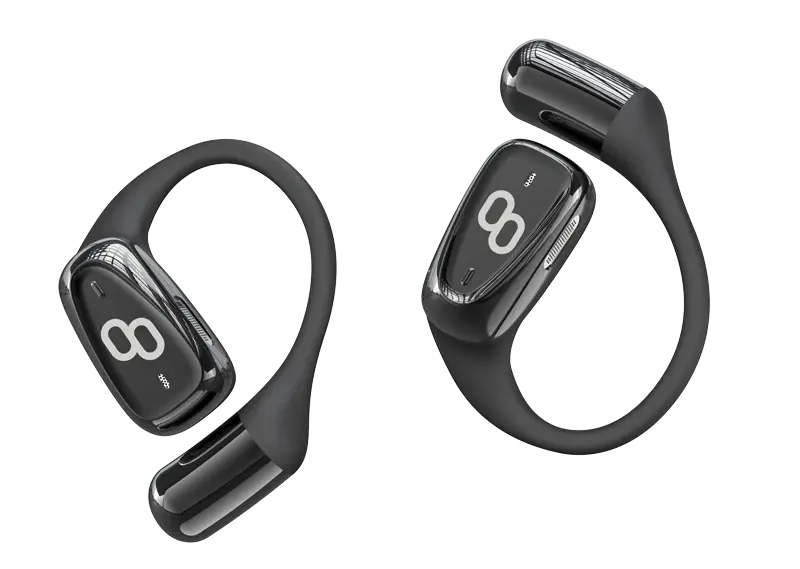
Image Credits – Website @mymanu
Language differences can create difficulties in situations that have little to do with international tourism. They can affect professional relationships, business negotiations, education, healthcare interactions and ordinary conversations between neighbours.
A person visiting another country may struggle to ask for directions or understand information from local residents. Someone working for an international company could face similar difficulties during meetings with colleagues who speak different languages.
Technology that supports live translation could help reduce some of these barriers. Instead of relying exclusively on printed translation guides or repeatedly typing sentences into a phone, users could access translated speech through a connected audio device.
International Travel And Everyday Conversations
Travellers are an obvious potential audience for translation earbuds. People visiting unfamiliar countries often encounter situations where understanding local languages can make everyday activities easier.
Ordering food, asking questions about public transport and communicating with hotel staff can become more straightforward when translation tools are readily available. Earbuds designed for spoken translation could help users participate in these interactions without constantly looking at a screen.
Business Meetings And International Work
International businesses also depend on communication between people with different linguistic backgrounds. Translation technology could provide additional support during meetings, conferences and conversations with overseas clients.
Although professional interpreters remain important for complex discussions, consumer translation devices may offer a convenient option for simpler interactions. Their usefulness will depend on the accuracy of the translations and the specific languages supported.
Education And Cultural Exchange
Language barriers can also affect students and people participating in international cultural exchanges. Translation devices could help individuals follow conversations and interact with people whose languages they have not studied.
They could also encourage more opportunities for informal communication between communities. However, technology still has limitations, particularly when conversations involve regional expressions, unfamiliar accents or complicated subject matter.
The Technology Still Has Challenges To Overcome
Despite the potential benefits, translation earbuds are not perfect replacements for professional interpreters or language learning. Their performance depends on the quality of speech recognition, translation software and the conditions in which people use them.
Background noise can interfere with audio processing, while fast speech and unfamiliar accents may create difficulties for translation systems. Some expressions also have cultural meanings that cannot always be translated accurately through direct word substitution.
Users should therefore check the specific language support and product requirements before purchasing a translation device. They should also understand that advertised features may differ between models and software versions.
Privacy is another consideration because conversations may involve sensitive personal or professional information. Anyone using connected translation technology should understand how the device and its companion application handle recorded speech and personal data.
These limitations do not remove the potential value of translation technology. They show why continued development and testing are necessary before consumers can depend on these products in every situation.
Danny Manu’s Invention Began With A Problem Many People Understand
The original conference that inspired Danny Manu’s idea was cancelled because participants could not find translators. What followed was the development of a company focused on making communication across languages easier through wireless audio technology.
From the original CLIK earbuds to the newer Orb range, Mymanu has continued developing products around that objective. Manu’s journey also involved overcoming funding difficulties, building a business through crowdfunding and pursuing opportunities in international markets.
His work offers an example of how an everyday problem can become the starting point for an ambitious engineering project. For millions of people who encounter language barriers, the ability to understand another person could begin with something as familiar as a pair of wireless earbuds.
Featured Image from Instagram @officialdannym