

The Trump administration has introduced a new approval requirement that could put the White House between federal officials and congressional investigators. The decision comes just weeks before Democrats take control of both chambers of Congress, setting up a potentially serious confrontation over the limits of presidential authority and the power of lawmakers to investigate the executive branch.
A memorandum issued by White House counsel William Scharf on November 16 directs federal agencies to obtain permission from two White House offices before employees agree to testify before congressional committees. The move has already drawn attention because Democrats have promised extensive investigations into President Donald Trump, his administration and several controversial government decisions.
White House Orders Federal Agencies To Seek Approval Before Testifying
The one-page memorandum, sent to general counsels across executive departments and agencies, establishes a new approval requirement for federal employees who receive requests to testify before Congress. Under the directive, agencies must obtain clearance from both the White House Office of Legislative Affairs and the Office of White House Counsel before an employee can agree to appear before a congressional committee.
Scharf made the requirement explicit in his November 16 memorandum, writing that executive departments and agencies “must obtain approval from the White House Office of Legislative Affairs and the Office of White House Counsel before any agency personnel may agree to appear before any congressional committee.” The instruction places the president’s legal and legislative affairs teams directly into the process of handling congressional testimony requests.
The White House has described the requirement as an established consultation process intended to coordinate communications between the executive and legislative branches. However, the timing has attracted considerable attention because Democrats are preparing to assume control of Congress in January 2027.
Scharf also indicated that the memorandum would not be the administration’s final instruction on the matter. He wrote that “further guidance regarding other engagements with Congress is forthcoming,” suggesting that additional restrictions or procedures governing interactions between federal employees and lawmakers could follow.
The document leaves several important questions unanswered, including how quickly the White House must respond to testimony requests and what standards officials will use when deciding whether to grant approval. It also does not explain how agencies should handle situations involving congressional subpoenas, which can carry different legal consequences from ordinary invitations to testify.
Democrats Prepare Investigations Into Trump And His Administration
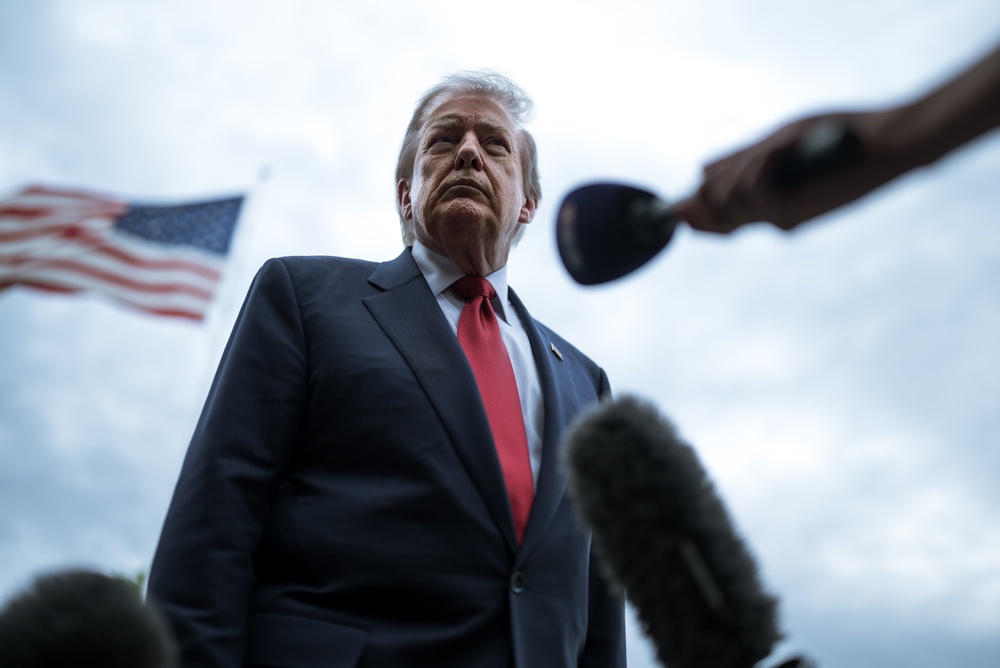
The memorandum arrives after Democrats secured majorities in both chambers during the November 3 midterm elections. Their incoming committee leaders are preparing to use their investigative authority to examine several aspects of the Trump administration, including government spending, immigration enforcement and the president’s business interests.
The House Oversight Committee is expected to become one of the most important battlegrounds. Representative Robert Garcia of California is expected to lead the committee when the new Congress convenes, giving him a prominent role in directing investigations and demanding information from federal agencies.
Democrats have identified several subjects they want to examine, with some investigations potentially involving senior administration officials and businesses connected to the president. The anticipated areas of scrutiny include:
- Trump family business dealings: Lawmakers want to examine whether the president or members of his family used government positions to secure financial benefits or favorable treatment.
- Immigration enforcement: The administration’s immigration policies and the conduct of federal agencies implementing them could receive renewed congressional attention.
- The Jeffrey Epstein investigation: Democrats are interested in examining the government’s handling of the Epstein case and related records.
- Defense Secretary Pete Hegseth: His conduct and reported involvement in military decisions could attract scrutiny from lawmakers.
- The White House ballroom project: Democrats have raised questions about donations connected to the construction project and whether contributors received benefits from the administration.
- Companies connected to the administration: Lawmakers are expected to examine whether particular businesses benefited from government decisions or relationships with senior officials.
These investigations could require testimony from Cabinet members, agency officials and other individuals with knowledge of government decisions. Congressional committees may also seek internal documents, communications and records that help establish how particular policies were developed.
The White House’s new directive could complicate that process by requiring agencies to seek permission before agreeing to send employees to testify. The extent of the disruption will depend on how officials apply the policy once incoming committee chairs begin making formal requests.
White House Accuses Democrats Of Politically Motivated Investigations
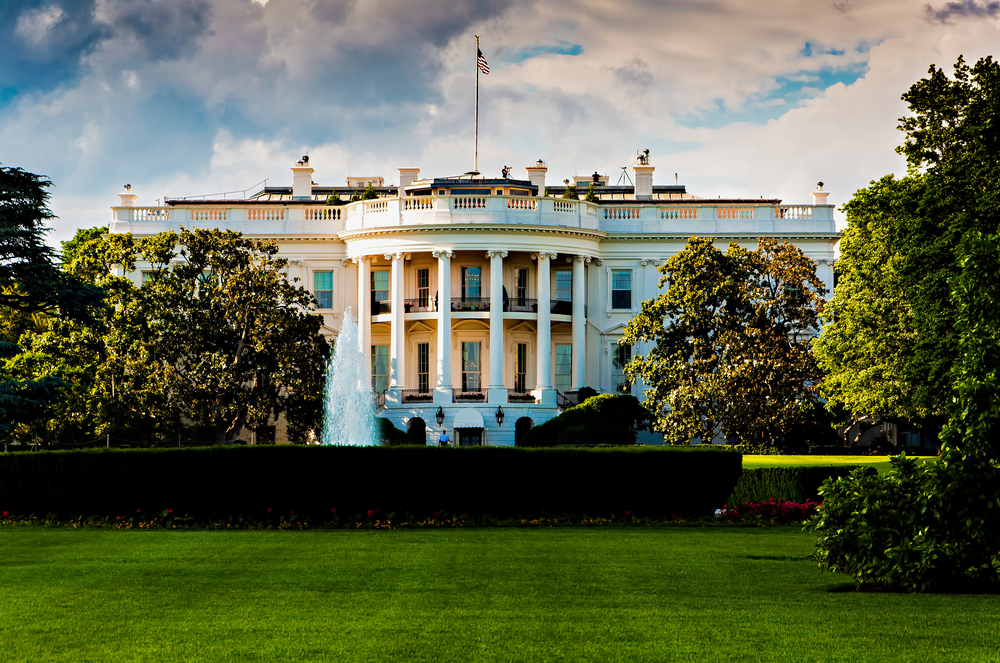
The November 16 memorandum follows a separate letter Scharf sent to Garcia on November 9. The letter warned Democrats against using congressional investigations to intimidate Trump administration officials or interfere with the government’s ability to function.
Scharf accused Democratic lawmakers of making “abusive and capricious threats” intended to interfere with the administration. He also argued that certain investigative tactics could cross legal boundaries if they were designed to punish political opponents rather than serve a legitimate legislative purpose.
One of the strongest warnings concerned the possibility of criminal consequences for conduct involving government officials. Scharf wrote that threats intended to deter executive branch employees from public service, or processes designed merely to intimidate their recipients, “may cross the line into blatant criminality.”
He also warned that issuing unlawful subpoenas could warrant further investigation by the executive branch. The language represented a forceful response to Democratic statements about investigating the president and members of his administration.
A White House official defended the administration’s position in a statement provided to news outlets, including PBS News. The official said the administration would resist investigations it considered politically motivated and baseless, while maintaining that legitimate congressional oversight requests could still be accommodated.
“The Trump Administration will not be extorted, intimidated, or threatened into submission by politically motivated baseless investigations,” the official said.
The official also argued that the approval process would help ensure legitimate requests were respected while allowing Cabinet officials to focus on their responsibilities. The administration has pointed to letters sent by House Democrats requesting that federal agencies preserve documents, describing those requests as excessive demands.
The White House’s position is that congressional investigations should have a legitimate legislative purpose and should not become tools for political retaliation. Democrats, however, maintain that examining the conduct of federal officials is a central responsibility of Congress.
Robert Garcia Rejects White House Attempt To Challenge Oversight
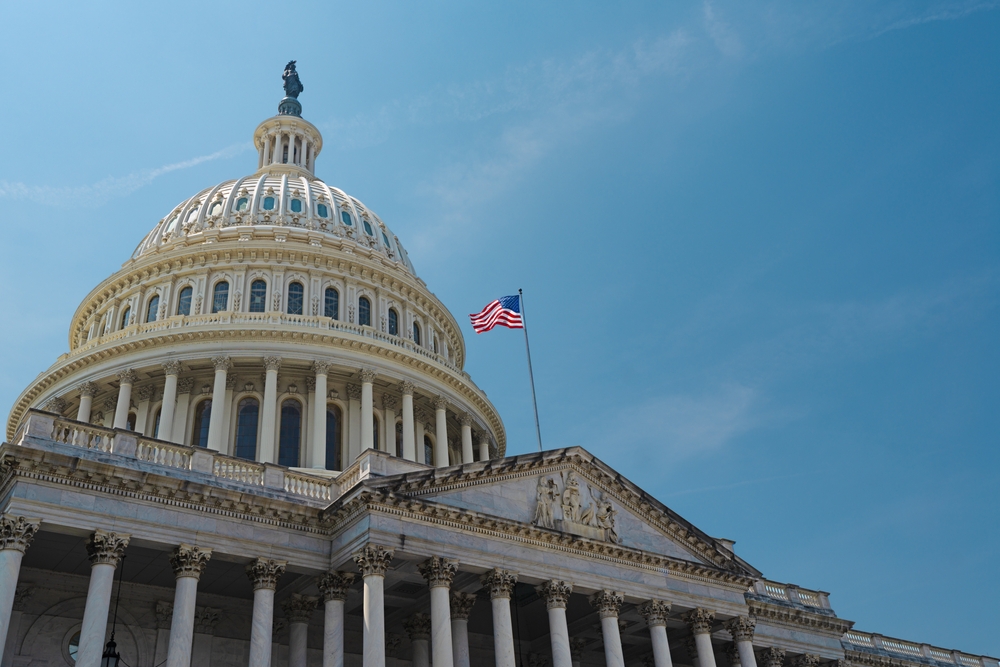
Garcia has strongly challenged Scharf’s earlier warning, arguing that the White House cannot determine the limits of congressional investigative authority. His response also suggested that the administration’s aggressive language could be an attempt to discourage lawmakers from pursuing investigations into Trump.
In a statement responding to Scharf’s letter, Garcia said it appeared the president had something to hide. He also emphasized that Congress receives its authority from the Constitution rather than from the executive branch.
“Let’s be clear: Congress’ authority comes from Article I of the Constitution, not from the permission of the White House,” Garcia said.
The disagreement reflects a broader separation-of-powers dispute that could become increasingly difficult to resolve as Democrats begin exercising control over congressional committees. Congress has constitutional responsibilities that include overseeing federal agencies, examining government spending and investigating matters connected to legislation.
The executive branch also has authority to supervise federal employees and manage official government communications. Presidents have traditionally argued that certain sensitive communications must remain protected to preserve the confidentiality of executive decision-making.
Those competing responsibilities can create disputes when lawmakers request testimony from officials who work directly under the president. The latest memorandum introduces another layer of disagreement by requiring White House approval before agency employees agree to appear.
Garcia and other incoming Democratic leaders are likely to face difficult decisions if agencies delay or reject requests for testimony. They may have to determine whether to negotiate with the administration, issue subpoenas or pursue other congressional procedures to obtain the information they want.
Federal Law Raises Questions About Restrictions On Employee Testimony

One of the most important legal issues surrounding the directive involves an existing federal statute protecting government employees’ ability to communicate with Congress. Under 5 U.S.C. § 7211, federal employees have the right to petition Congress and provide information to lawmakers and congressional committees.
The law states that this right “may not be interfered with or denied.” Its language provides an important statutory protection for communication between federal workers and the legislative branch, particularly when lawmakers are seeking information about government operations.
However, the executive branch has historically maintained that presidential authority includes the ability to supervise employees and control certain official communications. The administration may rely on those principles when deciding how federal agencies should respond to congressional requests.
A 2004 Justice Department Office of Legal Counsel opinion addressed a related dispute involving federal health officials and congressional requests for government cost estimates. The Justice Department concluded that senior agency officials could restrict employees from providing certain information to Congress, relying on executive authority and protections for privileged government communications.
That opinion rejected a broader interpretation of employee disclosure protections advanced by the Congressional Research Service. The disagreement demonstrated that federal law and executive branch interpretations can produce competing arguments over how much freedom agency employees have when responding to lawmakers.
The new memorandum brings those questions back into focus because it establishes a centralized approval process for congressional testimony. Its practical effect will depend partly on how the administration distinguishes between protected employee communications and official testimony requiring agency coordination.
There are also potential complications involving classified information, confidential government material and executive privilege. Congress may have legitimate reasons to request testimony, but certain information can remain subject to legal protections even when a committee is conducting an authorized investigation.
The memorandum does not settle these questions, and the supplied directive does not explain how the White House intends to handle every category of request. That uncertainty could become a major source of conflict once the new congressional leadership begins issuing formal demands.
Congress Can Use Subpoenas If Officials Refuse To Cooperate
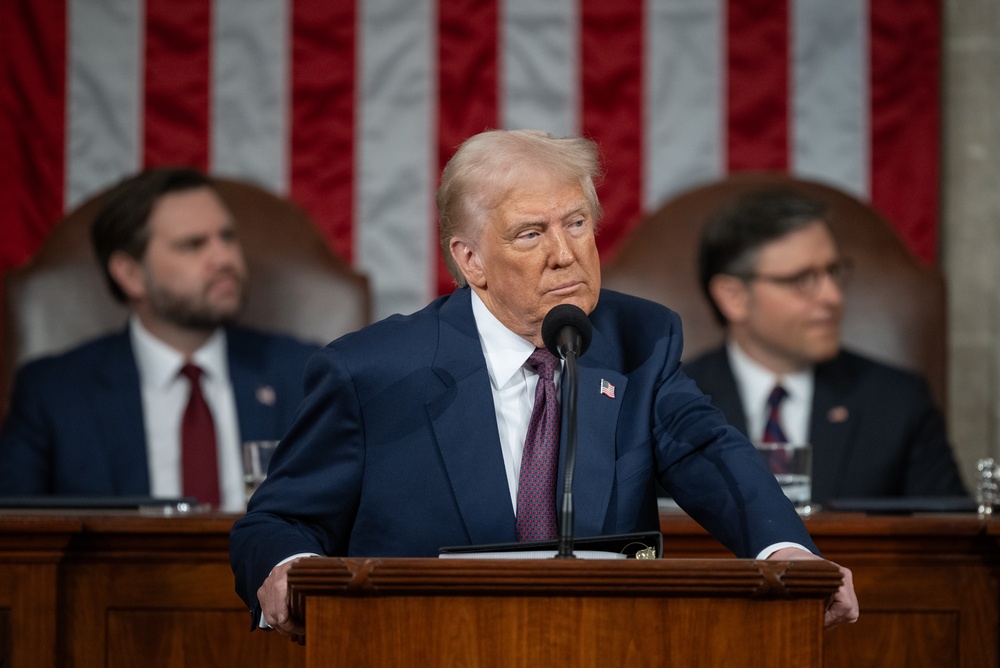
Congressional committees have several tools available when executive branch agencies do not voluntarily provide requested information. One of the most significant is the subpoena, which can compel witnesses to appear or require the production of documents relevant to an investigation.
A subpoena carries greater legal weight than an informal invitation to testify. However, the executive branch can challenge congressional demands, dispute their legal basis or invoke executive privilege to protect certain communications.
These disagreements can develop into lengthy institutional battles involving negotiations, contempt proceedings and federal court challenges. Previous disputes between Congress and presidential administrations have demonstrated how difficult it can be to establish clear boundaries when both branches claim constitutional authority.
The new approval requirement could create a complicated situation if an agency receives a subpoena but the White House refuses to authorize the employee’s appearance. Congress may argue that the subpoena must be respected, while the administration could maintain that executive branch authority provides grounds to challenge the demand.
Several practical questions remain unresolved. The first concerns whether the White House intends to approve legitimate testimony requests routinely or apply stricter scrutiny to requests involving senior officials and politically sensitive investigations. Another concerns how quickly agencies will be expected to respond when congressional committees establish hearing schedules.
The directive also raises questions about employees who may possess information relevant to multiple investigations. A single official could receive requests from different committees, potentially creating disagreements over scheduling, confidentiality and the scope of permissible testimony.
For Democrats, the challenge will be obtaining the information necessary to conduct oversight without allowing procedural disputes to consume the entire investigative process. For the administration, the challenge will be defending its authority without creating the impression that legitimate congressional scrutiny is being blocked.
Howard Lutnick’s Upcoming Testimony Could Become An Early Test
One potentially significant congressional appearance already attracting attention involves Commerce Secretary Howard Lutnick. He is expected to testify before the Senate Banking Committee about allegations concerning his resistance to stronger restrictions on advanced artificial intelligence chip sales to companies with connections to China.
The issue has attracted interest from lawmakers in both political parties, including Republican Senator Tim Scott, who chairs the Senate Banking Committee. Their request makes the anticipated testimony particularly interesting because it does not fit neatly into a confrontation between Democratic investigators and the Republican administration.
Lutnick’s appearance could provide an early indication of how the White House intends to apply its new approval process. If the testimony proceeds, it could demonstrate that the administration remains willing to accommodate congressional requests when officials consider them legitimate.
However, the circumstances could become more complicated if the White House delays approval or places conditions on the appearance. Lawmakers could question whether the new process is being applied consistently or whether it gives the administration excessive influence over which federal officials can answer questions publicly.
The issue also involves broader concerns about advanced technology sales and national security. Congressional committees have an interest in understanding how the administration approaches sensitive exports, particularly when lawmakers believe commercial decisions could have implications for relations with China.
Lutnick’s expected appearance could therefore become an important early example of how the administration balances its internal approval process with congressional demands. The outcome may offer clues about how much practical control the White House intends to exercise over agency testimony.
January Could Bring A Major Constitutional Confrontation
The new Congress is scheduled to convene in January 2027, when Democrats will begin exercising their committee leadership and investigative powers. Their plans have already drawn a forceful response from the White House, which appears determined to challenge investigations it considers politically motivated.
The coming months could produce disputes involving testimony requests, subpoenas and access to government records. Much will depend on whether both branches can establish workable procedures for handling investigations without turning every disagreement into a larger constitutional battle.
For now, Scharf’s memorandum establishes a new approval requirement without providing detailed answers about how the process will operate in difficult cases. The administration’s next set of instructions could clarify whether the policy is primarily intended to coordinate congressional appearances or impose broader restrictions on executive branch communications.
The first major test will come when incoming committee chairs begin requesting testimony from officials whose decisions are central to their investigations. If the White House and Congress cannot agree on who gets to answer those questions, the dispute could move beyond individual hearings and become a direct test of the constitutional limits separating the two branches of government.