
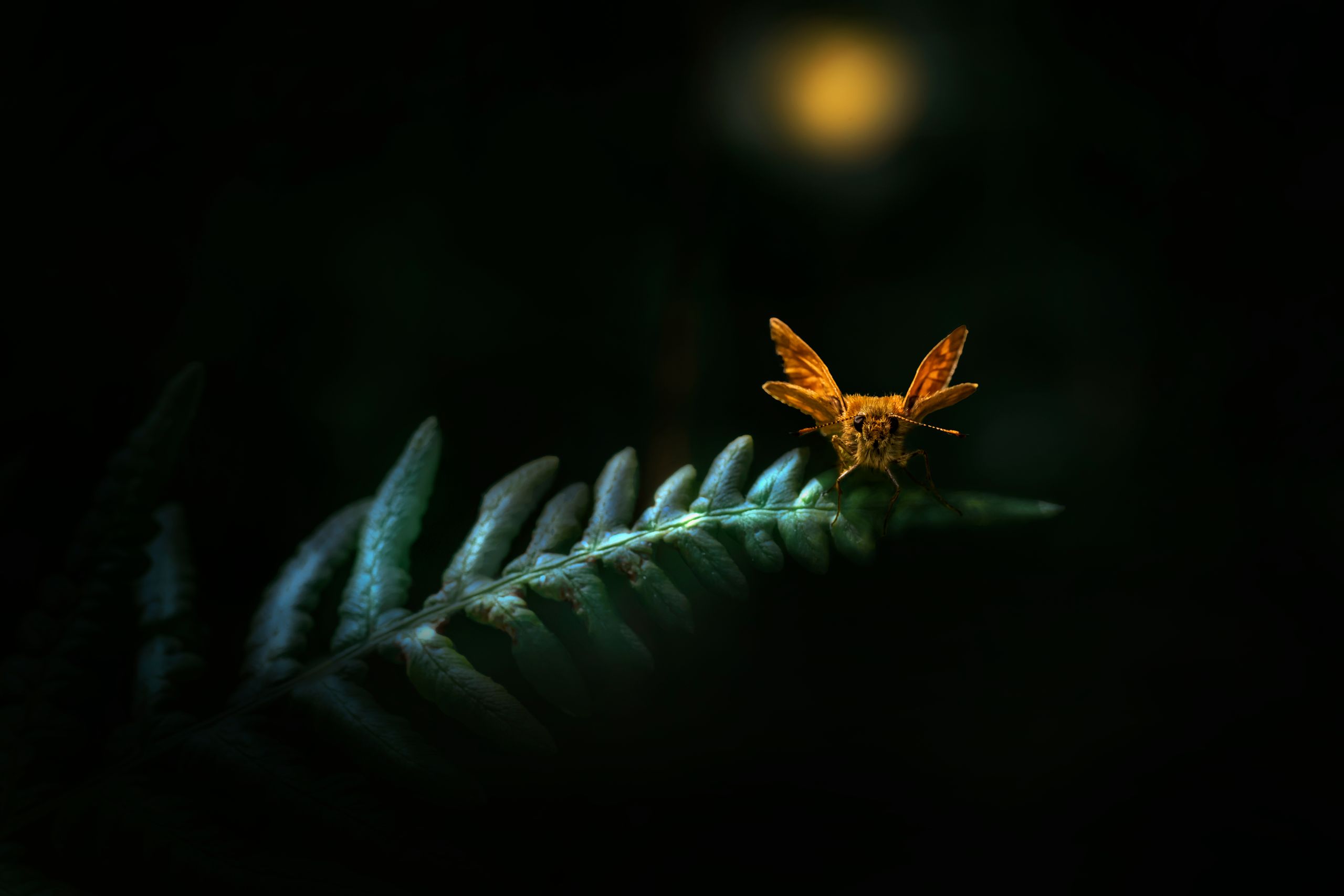
For more than four decades, scientists had no confirmed record of a tiny firefly that once lived across parts of the eastern United States. Its disappearance left researchers wondering whether the species had quietly become extinct or was simply surviving somewhere beyond their searches.
Now, after 43 years without a documented sighting, the unusual insect has appeared again. Researchers have confirmed its return after discovering several individuals flashing their distinctive amber mating signals in a Delaware meadow, and the discovery has raised hopes that dozens of other supposedly lost firefly species could still be alive.
A Firefly Missing Since 1983 Has Finally Reappeared
The insect at the center of the discovery is the similar firefly, scientifically known as Pyractomena similis. Before its rediscovery, the species had not appeared in confirmed scientific records since 1983, making it one of North America’s missing fireflies.
Its disappearance eventually earned it a place on Re:wild’s Search for Lost Species Most Wanted list. The international conservation initiative focuses on finding plants and animals that have gone at least 10 years without a documented sighting, bringing attention to species that might otherwise receive little scientific attention.
The search finally produced results during spring 2026, when the similar firefly was spotted three times in the eastern United States. Two sightings occurred in Virginia, while the third took place in Delaware, providing researchers with fresh evidence that the species had survived its lengthy absence from scientific records.
The Delaware discovery happened on June 3, when entomologist Christopher Heckscher was surveying a meadow at Brandywine Creek State Park. He was observing the fireflies emerging after sunset when a particular sequence of amber flashes caught his attention.
The light pattern looked different from the signals produced by other fireflies he knew in the region. Recognizing its unusual rhythm, Heckscher suspected he had encountered the missing species, although further examination would be needed to establish its identity.
“I was confident I had found the species the moment I saw the flash pattern,” Heckscher said. The discovery represented a major moment for researchers who had spent years trying to establish whether the similar firefly still existed in its historical range.
The Firefly’s Unusual Flashing Pattern Helped Identify It
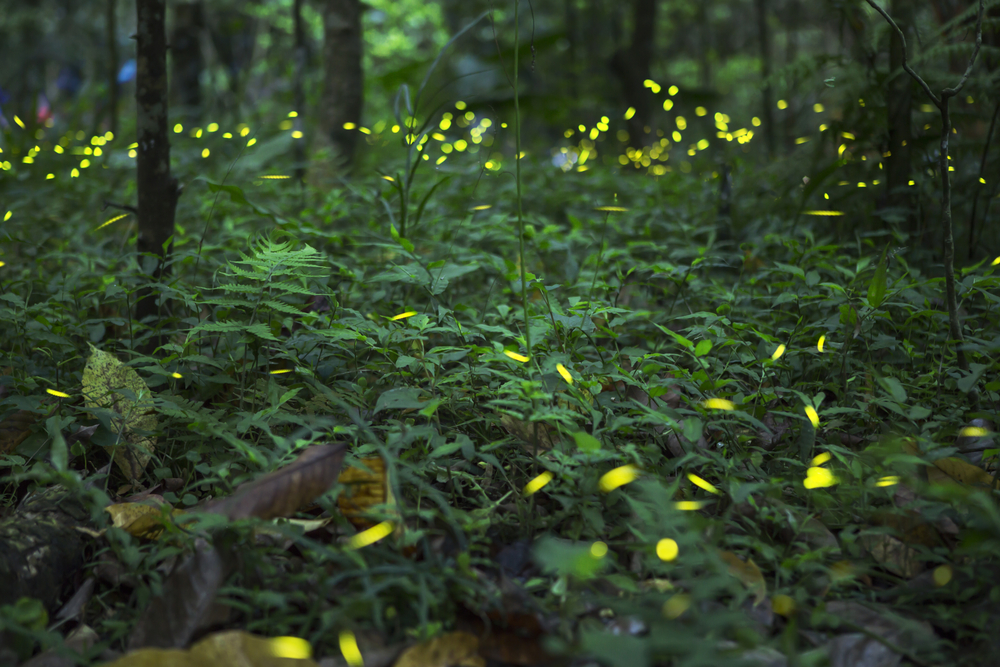
Fireflies communicate through light signals, particularly during their mating season. Different species produce distinctive flashing sequences that help individuals recognize potential mates, making these patterns valuable clues for researchers studying their behavior and distribution.
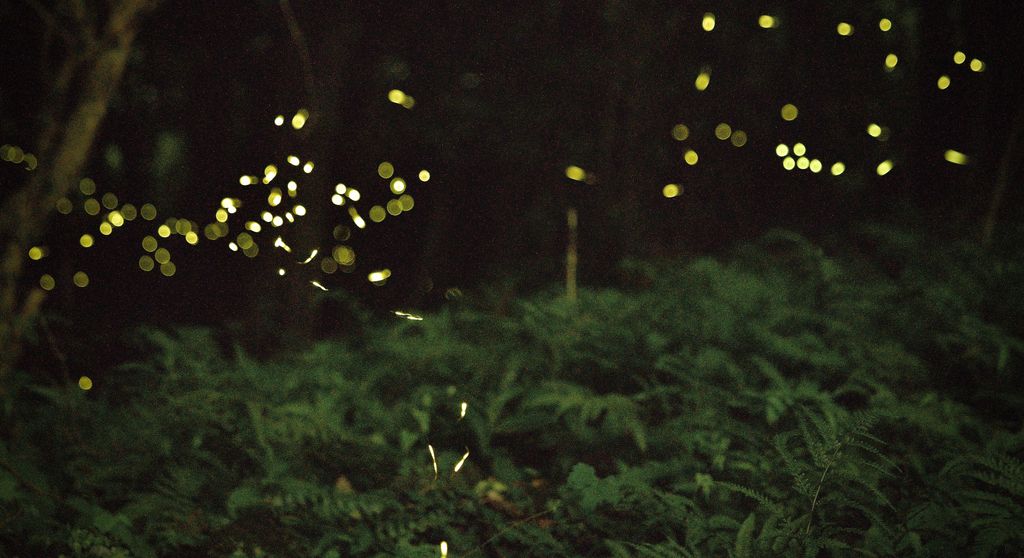
The similar firefly has a particularly recognizable signal. Males produce between 10 and 20 short, amber-colored pulses in rapid succession, pause briefly, and then repeat the sequence to attract females.
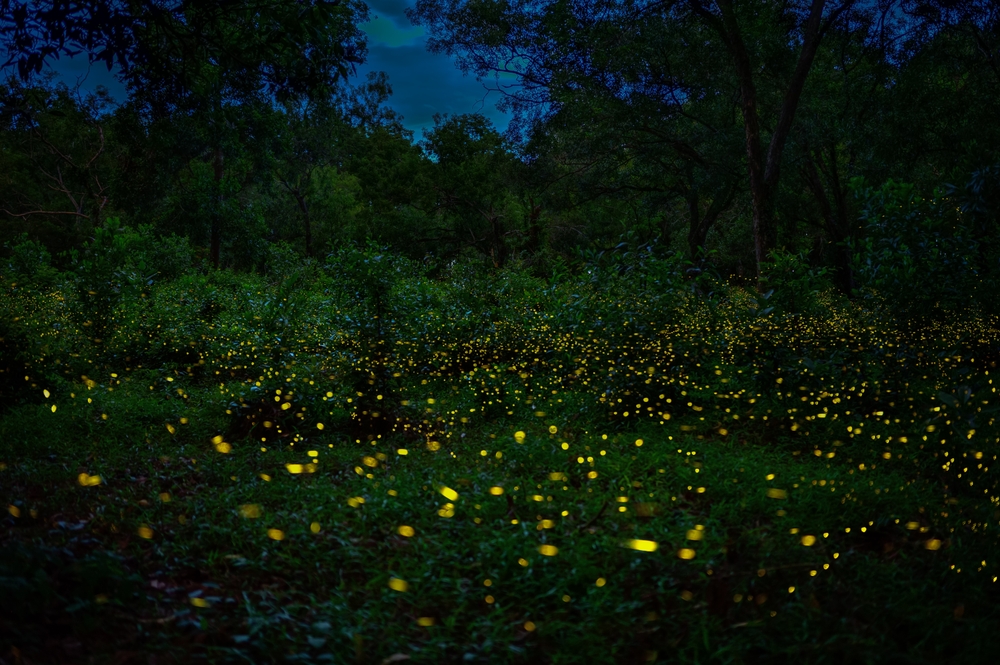
Heckscher noticed that several insects in the Delaware meadow were producing precisely this unusual pattern. He estimated that between eight and 12 male fireflies were flashing in the area, suggesting that the discovery could involve more than one isolated individual.
However, recognizing the light pattern was only the first step. Researchers needed physical evidence to confirm that the insects belonged to Pyractomena similis, especially because other firefly species can also produce flashing signals.
How Scientists Confirmed The Rediscovery
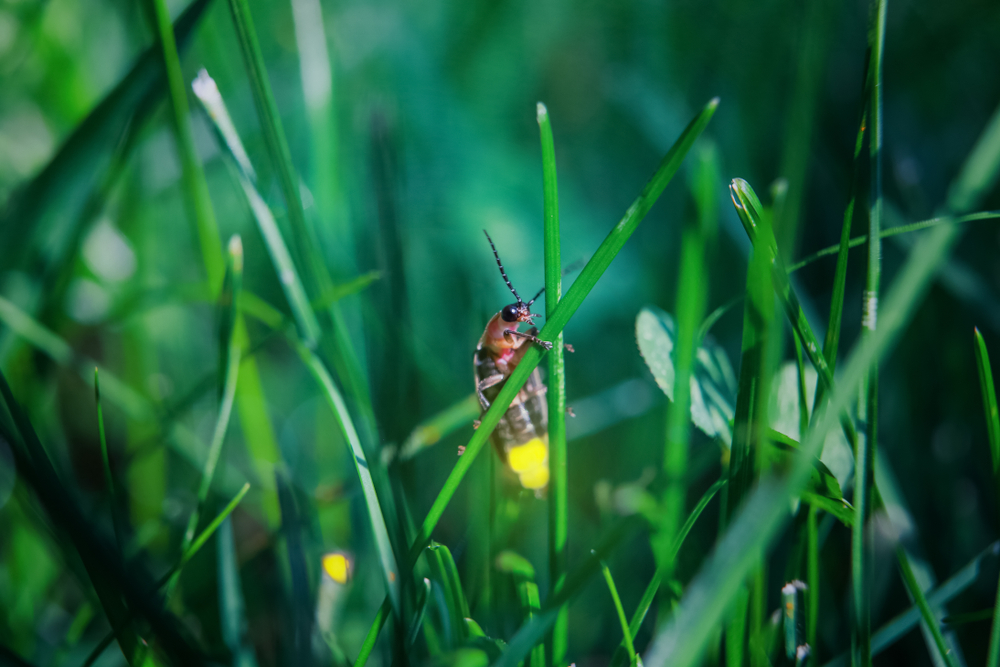
Heckscher examined one of the fireflies under a microscope to establish its identity. The magnification allowed him to inspect specific anatomical characteristics that distinguish the similar firefly from other related species.
He identified distinctive features in the male insect’s genitalia that are known to belong to Pyractomena similis. This examination provided the confirmation needed to establish that the long-missing species had returned to the scientific record.
The discovery was subsequently included in a scientific paper published in the Journal of Lost Species. The research examined the status of firefly species across the United States and Canada, including those that have gone years without confirmed observations.
The identification also demonstrated why researchers cannot always rely on photographs or light patterns alone when documenting rare insects. Detailed examination can be necessary to distinguish closely related species and prevent mistaken identifications from entering scientific records.
The Missing Firefly Was Found In A Meadow Near Water
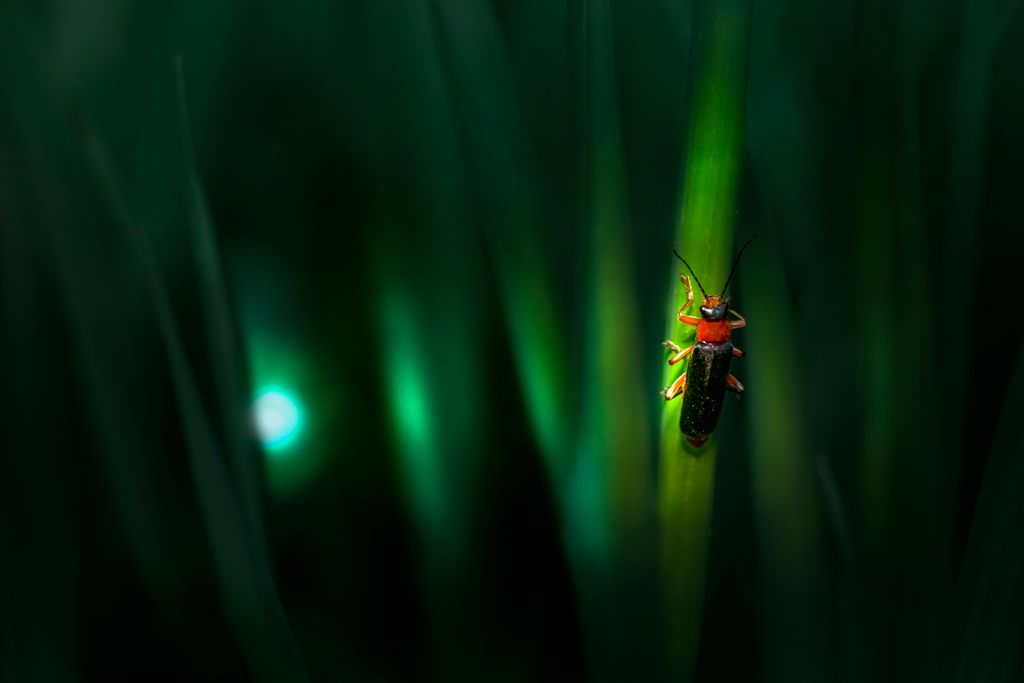
The rediscovery also revealed something important about the places where scientists should concentrate their future searches. Historically, similar fireflies were recorded across parts of the eastern and southeastern United States, including Washington, D.C., Maryland, Virginia, South Carolina, Alabama, and Mississippi.
Despite this historical range, researchers know surprisingly little about the insect. Scientists had not studied the species extensively before it disappeared from documented records, leaving major gaps in their understanding of its behavior, population, and preferred environmental conditions.
One of the few established details is its association with open fields and meadows near water. These environments can provide the vegetation and surrounding conditions required by the species, making suitable habitat an important consideration when planning surveys.
Why The Delaware Location Was Different
Heckscher surveyed three locations between May and June 2026, including Fair Hill Natural Resources Management Area in Maryland and White Clay Creek State Park in Delaware. Neither location produced a confirmed sighting of the missing firefly.
His final survey took him to Brandywine Creek State Park, where he concentrated on a mature meadow filled with shrubs, brush, and low vegetation. Unlike many regularly maintained fields, this particular area had largely been allowed to grow naturally.
That difference may have been important because the similar firefly appears to prefer habitats that are becoming less common. Heckscher explained that many open fields are managed for livestock or periodically mowed, potentially removing the conditions that the insect needs.
“The habitat is not terribly common,” Heckscher said. His observation points toward a possible explanation for why the species became difficult to find, although researchers will need additional surveys to understand its current habitat requirements.
Delaware’s Department of Natural Resources and Environmental Control manages 34 nature preserves to protect important natural and cultural features. Brandywine Creek State Park contains four nature preserves, and its landscape includes hilly terrain that stands out in a state known primarily for its flatter geography.
Chris Bennett, environmental stewardship program manager at the department’s Division of Parks and Recreation, said the discovery reflected the importance of protecting natural spaces while supporting scientific research. The park’s management has helped preserve an environment where researchers could investigate species that might otherwise remain undocumented.
Scientists Have Identified 28 Other Lost Firefly Species
The similar firefly’s return has attracted attention because it represents a much larger conservation puzzle. According to the recent scientific assessment, 28 firefly species in the United States and Canada have gone at least a decade without documented sightings.
That figure represents approximately 16% of the 178 known firefly species in the region. The assessment also identified considerable gaps in scientists’ understanding of the conservation status of many other species.
Researchers found that 69 species were classified as data deficient on the International Union for Conservation of Nature’s Red List. This means there is insufficient information available to determine their extinction risk, while another 48 species have never been evaluated.
An earlier assessment published in 2021 examined 132 firefly species in the United States and Canada. Researchers identified at least 18 species as threatened with extinction, adding further concern about the pressures affecting these insects.
The figures reveal how much remains unknown about an insect family that many people associate with warm summer evenings. While familiar fireflies are regularly seen in gardens and fields, many less common species receive far less attention from researchers and wildlife observers.
Candace Fallon, senior conservation biologist and firefly lead at the Xerces Society, emphasized that the disappearance of a species from scientific records does not necessarily mean it has vanished completely. She explained that many insects may simply be overlooked because researchers have not conducted enough targeted searches.
“The good news is that a lot of these species likely aren’t gone forever. They are simply overlooked,” Fallon said.
Why A Missing Scientific Record Does Not Mean Extinction
Scientists generally consider a species lost when it has not been documented for at least 10 years. This classification describes the absence of confirmed observations rather than proving that every individual has died.
Some species occupy small geographical areas or emerge during relatively short periods of the year. Researchers who visit the wrong location or arrive outside the insect’s active season could easily miss them.
The similar firefly provides a useful example of this problem. Its distinctive mating signals were still being produced in a suitable meadow, but the species had remained outside confirmed scientific records for decades.
This distinction is particularly important for conservation planning. Researchers need reliable information about where species live and how their populations are changing before they can accurately assess their conservation needs.
Habitat Destruction Could Explain Why The Firefly Disappeared
Several factors could explain why the similar firefly went undocumented for so long. Habitat destruction is one possibility because open meadows and fields near freshwater are becoming increasingly difficult to find in many areas.
Development, intensive agriculture, and frequent mowing can change these environments dramatically. When vegetation is removed or natural areas are converted for other purposes, insects that depend on particular habitat conditions may lose suitable places to survive and reproduce.
Heckscher suggested that the species’ preferred meadow habitat may be less common than people assume. Fields that appear suitable from a distance might be regularly managed in ways that prevent the insect from establishing a stable population.
Artificial lighting presents another potential problem for fireflies. Streetlights, illuminated buildings, and garden lights can interfere with the signals that nocturnal species use to communicate and attract mates.
The specific impact of artificial light on the similar firefly has not yet been established. However, researchers recognize light pollution as a potential threat to many firefly species because their reproductive behavior depends heavily on visual communication.
Other environmental pressures can also affect firefly populations, including:
- Habitat loss: Development and agricultural activity can destroy the meadows and natural environments where fireflies live and reproduce.
- Pesticides: Chemical treatments can harm insects directly and potentially affect the smaller organisms that form part of their food supply.
- Light pollution: Artificial lighting can interfere with mating signals and make it harder for some fireflies to find potential partners.
- Water pollution: Contaminated freshwater environments can damage habitats that support fireflies and other wildlife.
- Climate change: Changing environmental conditions can affect suitable habitats and create additional pressures for species with specific ecological requirements.
The similar firefly’s short active season may have made it particularly difficult to locate. Researchers must search during the right period and under suitable conditions to observe its distinctive mating signals, creating a narrow opportunity for successful surveys.
Its nocturnal behavior presents another challenge. Unlike animals that can be observed throughout the day, these insects require researchers to conduct their investigations after darkness falls, when their flashing signals become visible.
Fireflies Have A Fascinating Life Cycle That Scientists Still Study
Fireflies belong to the beetle family Lampyridae. Despite their familiar name, they are not actually flies, and the family includes several different groups of light-producing insects found across the world.
Some species produce the familiar blinking signals associated with summer evenings. Others include glowworms and daytime dark fireflies, which communicate without producing the same visible flashes.
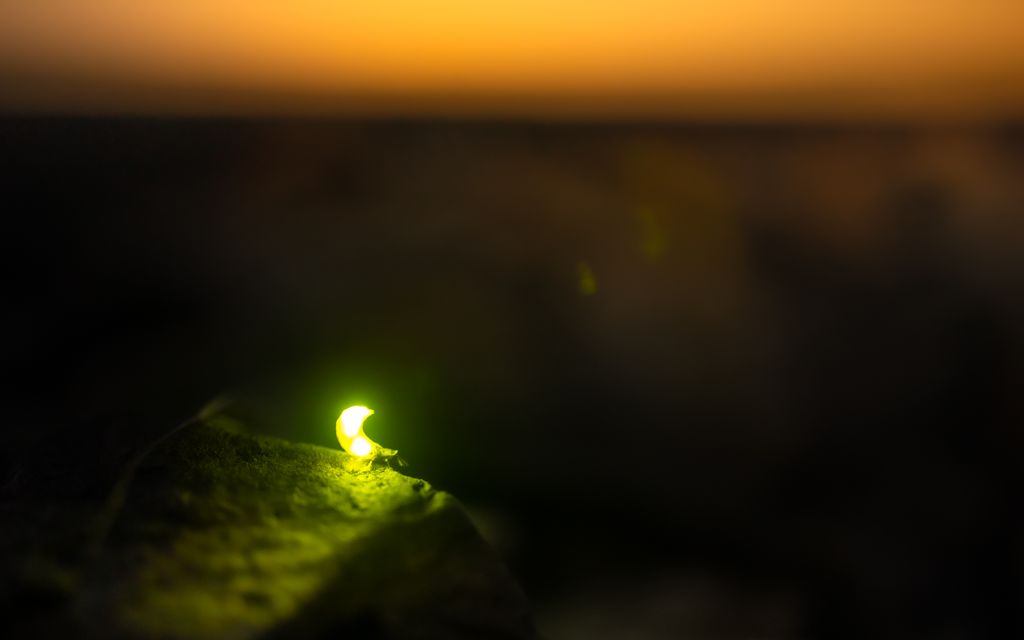
Their ability to produce light comes from a chemical reaction involving oxygen, a molecule called luciferin, and an enzyme known as luciferase. This process takes place inside specialized light-producing organs and allows fireflies to create their characteristic glow.
For many species, these flashes serve an important reproductive purpose. Males use particular patterns to attract females, while the timing and rhythm of the signals can help individuals recognize members of their own species.
Why Darkness Is Essential For Many Fireflies
Approximately three-quarters of firefly species are nocturnal and rely on light signals to find mates. Some species are especially sensitive to surrounding illumination and can require very dark conditions for successful mating.
This dependence helps explain why artificial lighting has become a concern for researchers studying firefly populations. When outdoor lighting becomes widespread, natural flashing signals can become harder to distinguish.
Fireflies also have interesting life cycles that extend well beyond their brief appearances during summer nights. Adult fireflies usually live for less than a month, while their larvae can survive for up to two years.
The larval stage is particularly important because young fireflies depend on suitable environmental conditions while developing. Their survival can be affected by habitat changes and threats from other organisms.
Fireflies and their larvae also contain defensive chemical compounds called lucibufagins. These substances help protect them against predators, including birds and amphibians, which can encounter the insects while searching for food.
Their ecological role makes firefly conservation relevant beyond the insects themselves. Protecting healthy meadows, wetlands, and surrounding vegetation can also benefit other species that depend on the same environments.
Scientists Believe More Lost Fireflies Could Be Rediscovered
The return of Pyractomena similis has encouraged researchers to continue searching for other missing fireflies. The discovery provides evidence that some species classified as lost may still survive in places that have received little dedicated scientific attention.
Re:wild’s Search for Lost Species initiative has worked with local partners around the world since 2017. Its efforts have resulted in the rediscovery of 14 of its most wanted lost species, including the similar firefly.
Other rediscoveries have involved animals and plants from different countries. These include Wallace’s giant bee in Indonesia, the silver-backed chevrotain in Vietnam, Voeltzkow’s chameleon in Madagascar, and De Winton’s golden mole in South Africa.
The initiative demonstrates how targeted research can produce results even when a species has remained undocumented for decades. However, successful rediscoveries require researchers to understand historical records and identify the environmental conditions that could support surviving populations.
Community Scientists Could Help Find Missing Species
Professional researchers are not the only people who can contribute to these searches. Community science platforms such as iNaturalist allow ordinary wildlife observers to photograph insects and record where they encounter them.
Experts can review these observations and identify species that might otherwise escape scientific attention. The Virginia sightings of the similar firefly illustrate how observations outside traditional research projects can contribute to rediscoveries.
Anna Walker, species survival specialist for invertebrates at the New Mexico BioPark Society and a co-author of the recent assessment, highlighted the value of additional surveys and community participation.
She explained that dedicated funding, better data sharing, and taxonomic research could help scientists locate many species currently considered lost. Walker also emphasized that community scientists are an irreplaceable resource in understanding North America’s firefly populations.
Researchers now want to conduct follow-up surveys in suitable habitats across Delaware and other historically documented locations. These investigations could help establish the similar firefly’s current geographical range and provide a clearer understanding of its population size.
The discovery has also raised the possibility that other missing fireflies could be living in similar meadows. Heckscher observed spring four-flashers in the same area and suggested that other species with comparable habitat preferences might also be present.
For now, the similar firefly’s return has given scientists a reason to keep searching. Its distinctive amber flashes went unnoticed in scientific records for 43 years, yet the insect was still present when researchers finally returned to the right kind of habitat. Across North America, other missing fireflies could be waiting for someone to notice their light.