
Your cart is currently empty!
The Magical Summer Sight Millions Grew Up With Is Slowly Disappearing

For countless people, some of the best childhood memories happened after sunset. Long before smartphones, streaming services, and endless notifications competed for attention, summer evenings often ended with children racing across lawns chasing tiny flashes of light dancing through the darkness. Fireflies transformed ordinary backyards into something that felt almost magical. A simple mason jar could become a lantern filled with glowing insects, and entire neighborhoods would flicker with thousands of tiny lights as the sun disappeared beyond the horizon. It was one of those experiences that felt permanent, something future generations would naturally inherit the same way previous generations had.
Contents
show
Yet many adults have started noticing something unsettling. The fireflies that once seemed impossible to miss have become harder to find. Backyards that used to sparkle during warm summer nights now sit strangely dark. Social media has amplified those observations, with viral posts claiming today’s children could be the last generation to witness fireflies at all. While that prediction may sound dramatic, scientists agree that there is a very real problem unfolding across North America. Firefly populations are declining in many areas, and researchers say human activity is playing a major role in making one of nature’s most beloved spectacles increasingly rare.
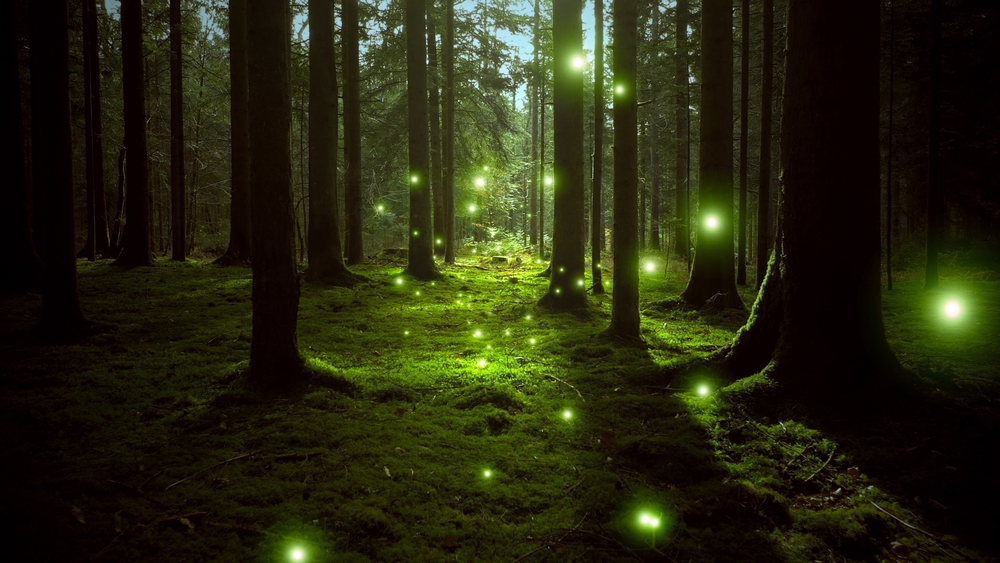
Scientists Confirm Fireflies Are Declining Across North America
The concern surrounding fireflies is not based on nostalgia alone. Researchers have spent years gathering evidence showing that many populations are experiencing measurable declines. One of the largest efforts to understand what is happening came through a 2024 study that analyzed more than 24,000 citizen science surveys from across North America. The project gave scientists one of the clearest pictures yet of where fireflies are thriving and where their numbers are falling.
The findings painted a worrying picture. While fireflies have not disappeared, they are becoming less abundant in many regions that once supported large populations. Areas that historically experienced impressive seasonal displays are now reporting fewer insects year after year. Researchers found that local environmental conditions often determined whether populations remained stable or entered decline, highlighting how sensitive fireflies are to changes in their surroundings.
Scientists also discovered that the situation is not identical everywhere. Some locations recorded temporary increases in firefly activity during favorable seasons, particularly when weather conditions provided the moisture and temperatures these insects need to thrive. Darin McNeil from the University of Kentucky summarized the issue clearly when he explained, “Weather and climate appear to be the most important variables for predicting firefly abundance.”
That observation helps explain why some people still see large numbers of fireflies while others feel as though they have almost vanished. The overall trend remains concerning, but local conditions continue to influence how visible the decline appears from one community to another.
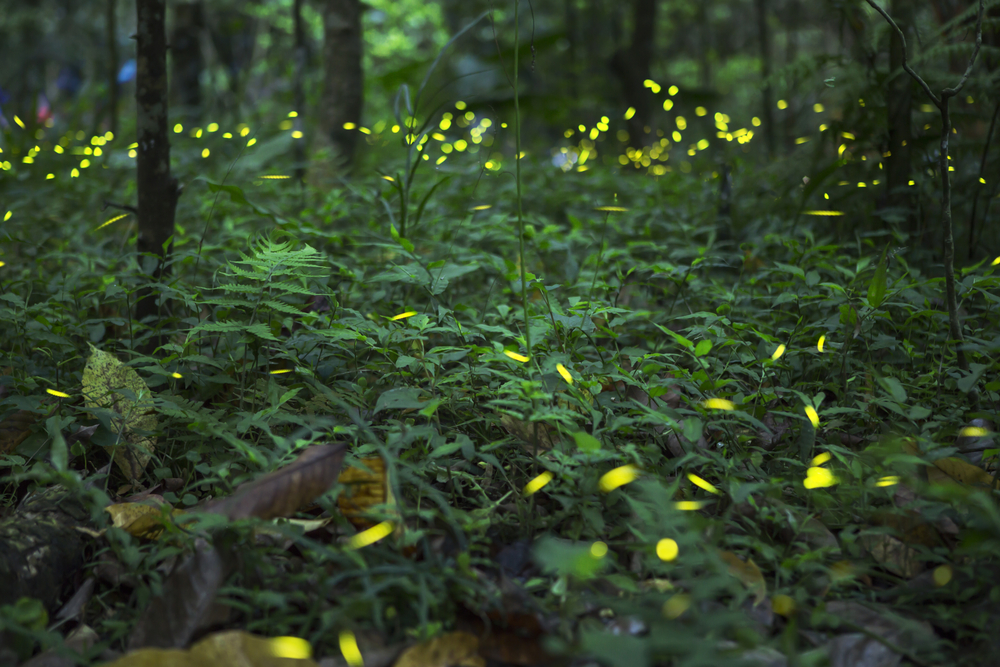
The Viral Extinction Claim Doesn’t Tell The Full Story
The idea that modern children will be the last generation to ever see fireflies has spread rapidly online because it taps into a powerful fear. Nobody wants to imagine a world where one of summer’s most iconic sights disappears forever. The claim has been shared millions of times across social media platforms, often accompanied by emotional stories about childhood memories and disappearing wildlife.
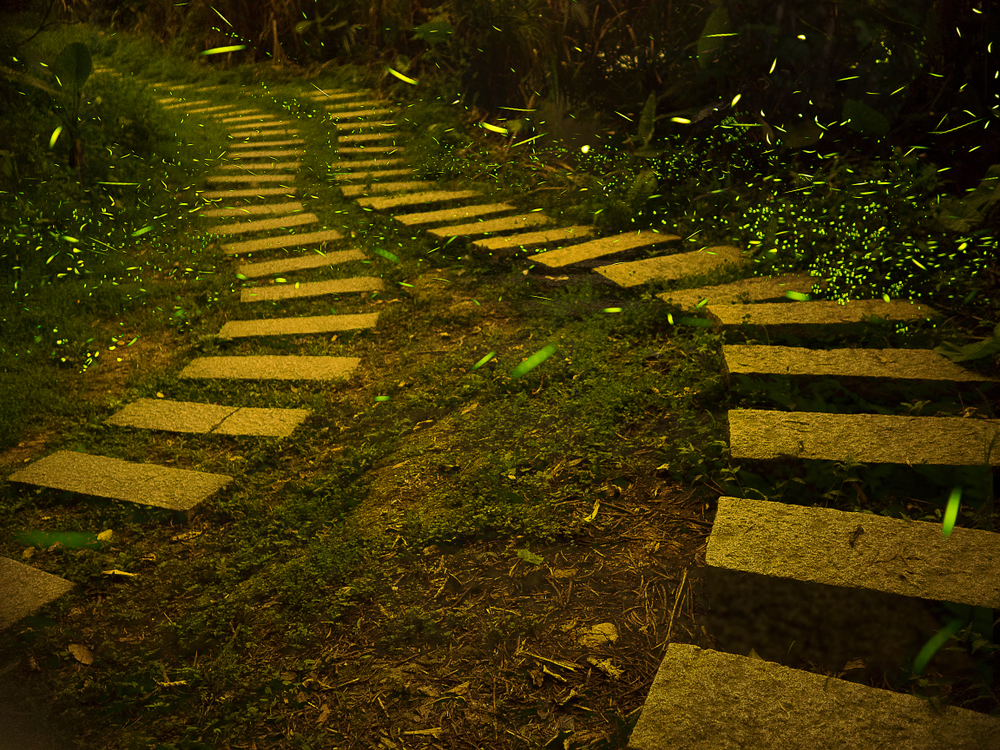
Scientists, however, say the reality is more complicated than those viral posts suggest. Fireflies are facing genuine threats, but there is currently no evidence that all firefly species are on the verge of extinction. North America alone is home to more than 200 species, and researchers continue discovering new information about many of them. Some species are struggling, while others appear to be adapting more successfully to changing environmental conditions.
A major assessment conducted by the International Union for Conservation of Nature found that 18 of the 167 North American species evaluated were classified as threatened. While that number is concerning, it does not indicate that fireflies as a whole are about to disappear. An even bigger challenge is that scientists simply lack enough information on many species to accurately determine their status. More than half of the assessed species were categorized as data deficient, meaning researchers do not yet have enough evidence to understand how those populations are faring.
That uncertainty creates a different kind of concern. The greatest threat may not be that all fireflies suddenly vanish. It may be that certain species disappear quietly before scientists fully understand where they live, how they behave, or what conservation efforts could help protect them.
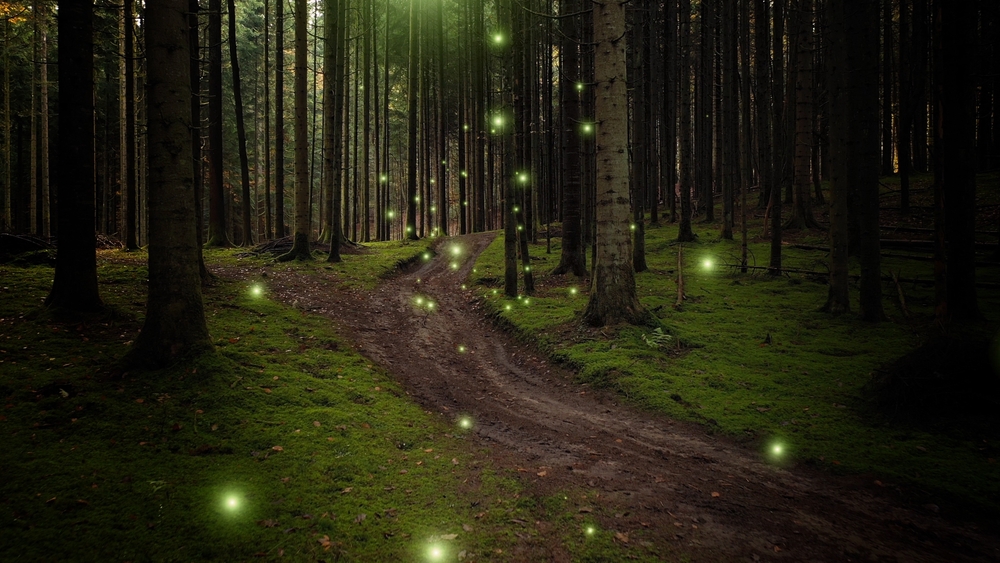
Your Backyard Lights May Be Making Things Worse
One of the most surprising threats facing fireflies comes from something many homeowners never think twice about. Every year, neighborhoods become brighter. Motion-activated floodlights, landscape lighting, decorative LEDs, illuminated pathways, security cameras, and permanently lit porches have transformed the nighttime environment across much of the country.
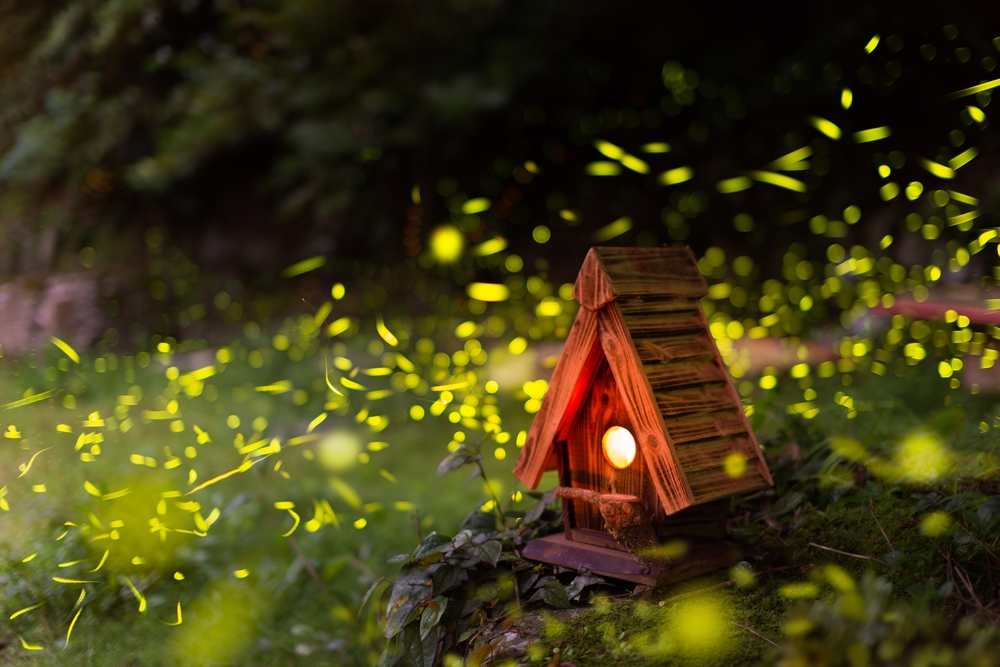
For fireflies, darkness is not just a preference. It is a necessity. Their flashing patterns are how they communicate and find mates. Each species has its own unique light signals, allowing males and females to identify one another during the brief period when adults emerge to reproduce. When artificial lighting floods an area, those signals become harder to detect.
Researchers have found that light pollution can reduce reproductive success by as much as 50% in some affected populations. A male firefly searching for a mate depends on being seen. A female waiting in vegetation relies on being able to recognize the correct signal. Bright artificial lighting interferes with both parts of that process, effectively drowning out a communication system that evolved over millions of years.
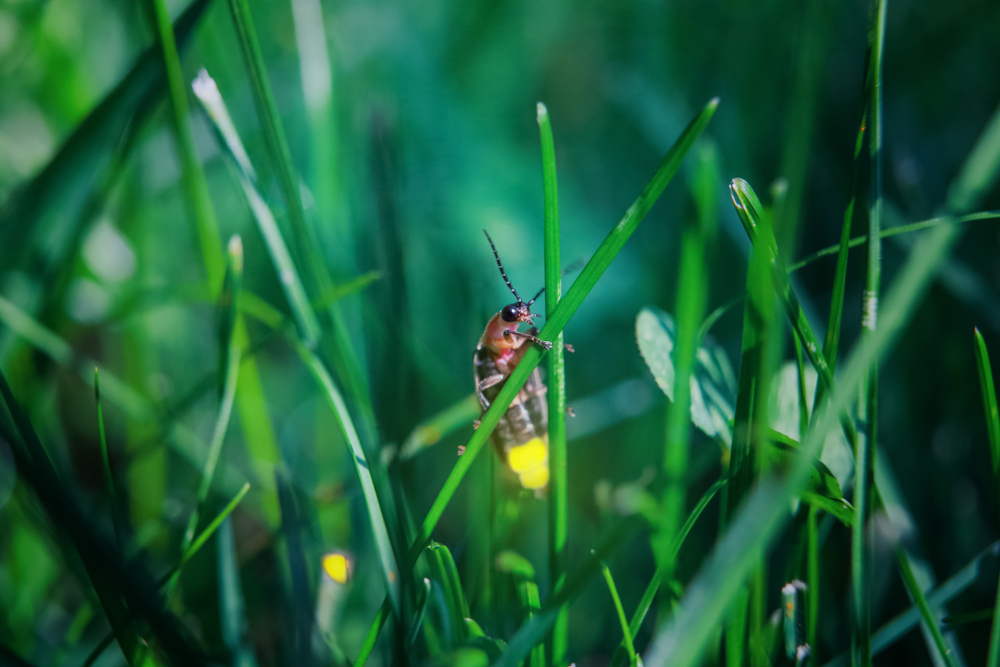
The problem has become especially severe in suburban and urban areas where nighttime darkness barely exists anymore. What humans perceive as convenience and security often creates a confusing environment for creatures whose survival depends on the ability to communicate through light.
Sources:
- Michelle. (2026, June 12). The magical summer sight millions grew up with is slowly disappearing. Advice for Life by Bird Advice. https://www.birdsadvice.com/the-magical-summer-sight-millions-grew-up-with-is-slowly-disappearing/
- Fallon, C. E., Walker, A. C., Lewis, S., Cicero, J., Faust, L., Heckscher, C. M., Pérez-Hernández, C. X., Pfeiffer, B., & Jepsen, S. (2021). Evaluating firefly extinction risk: Initial red list assessments for North America. PLoS ONE, 16(11), e0259379. https://doi.org/10.1371/journal.pone.0259379
- Wagner, D. L., Grames, E. M., Forister, M. L., Berenbaum, M. R., & Stopak, D. (2021). Insect decline in the Anthropocene: Death by a thousand cuts. Proceedings of the National Academy of Sciences, 118(2). https://doi.org/10.1073/pnas.2023989118
backyard wildlife, biodiversity, citizen science, climate change, conservation efforts, disappearing fireflies, Ecology, endangered species, environment, environmental awareness, fireflies, firefly conservation, firefly habitats, firefly population decline, Habitat Loss, insect decline, insects, light pollution, nature, nature lovers, North America, outdoor lighting, Science news, summer nights, summer traditions, trending news, viral stories, wildlife conservation, wildlife news