
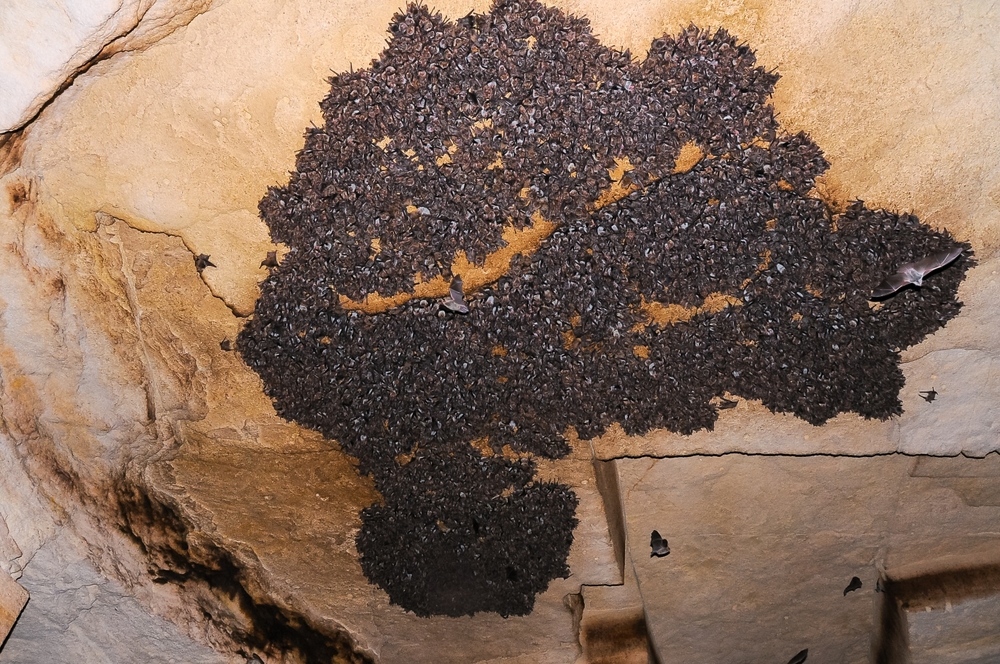
Scientists exploring a vast protected wilderness in Bolivia have uncovered a wildlife discovery that could change how researchers understand the country’s biodiversity. Hidden among its forests and mountains are 99 recognized bat species, alongside another unusual animal that may represent a species never formally identified by science. The findings are particularly striking because researchers had spent years piecing together scattered records before realizing just how extraordinary this population was.
The discovery was made in Madidi National Park, one of the most biodiverse protected areas on Earth. Researchers found that the park supports approximately 68% of all bat species known from Bolivia, making it one of the richest protected areas for bat diversity documented worldwide. Even more fascinating, the team discovered that several species had escaped previous surveys because different bats require different techniques to detect them. Their findings suggest that the park could still hold species that scientists have yet to discover.
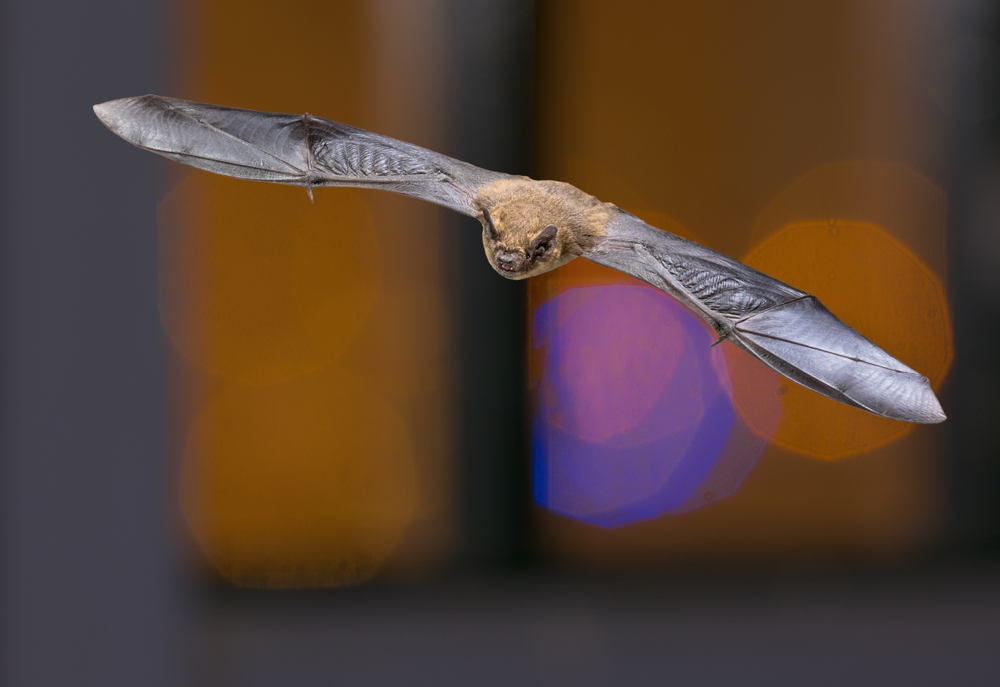
Scientists Discover An Extraordinary Bat Population In Bolivia
Madidi National Park is located in northwestern Bolivia and contains an extraordinary range of natural environments. Its landscape extends from Amazonian lowland forests to high-elevation Andean habitats, creating conditions that support an enormous variety of plants and animals. Although the park has long attracted scientific attention for its biodiversity, its bat population remained surprisingly poorly documented. Existing information was scattered across museum collections, scientific publications, technical reports, and previous field investigations, making it difficult to establish exactly how many species lived there.
That changed when a research team led by Lizette Siles of the Museo de Historia Natural Alcide d’Orbigny brought together historical records and new field observations. The resulting study, published in the open-access scientific journal ZooKeys, confirmed 100 bat taxa in the park. These included 99 recognized species and one potentially new species that requires further investigation. The findings also added 25 species to Madidi’s previous bat inventory, revealing a considerably richer wildlife population than earlier records suggested.
The researchers also documented seven species in Bolivia for the first time, increasing the country’s recognized bat total to 146 species. Madidi alone now accounts for approximately 68% of that national total. The scale of this discovery makes the park particularly important for wildlife research, especially because its varied elevations create habitats that support different bat communities. Researchers believe the latest inventory provides an important foundation for understanding how these animals are distributed throughout the region.

Researchers Explored Habitats Across An Enormous Elevation Range
The investigation formed part of Identidad Madidi, a multi-institutional expedition designed to document the park’s biodiversity. Siles worked alongside researchers from the Colección Boliviana de Fauna at the Museo Nacional de Historia Natural, the Wildlife Conservation Society Bolivia Program, Texas Tech University, the Red de Investigadores en Herpetología – Bolivia, and the Universidad Mayor de San Andrés. Their combined work brought together scientific expertise and historical evidence that had previously remained dispersed across different collections and research projects.
Between 2015 and 2017, the team conducted surveys at 12 locations throughout Madidi. These sites covered an extraordinary elevation range, beginning in lowland Amazonian forest at approximately 198 meters above sea level and extending to high Andean terrain at 4,814 meters. Such differences in elevation expose wildlife to changing temperatures, vegetation, food availability, and environmental conditions. Bats living in these contrasting habitats can have very different ecological requirements, making a broad survey essential for understanding the park’s overall diversity.
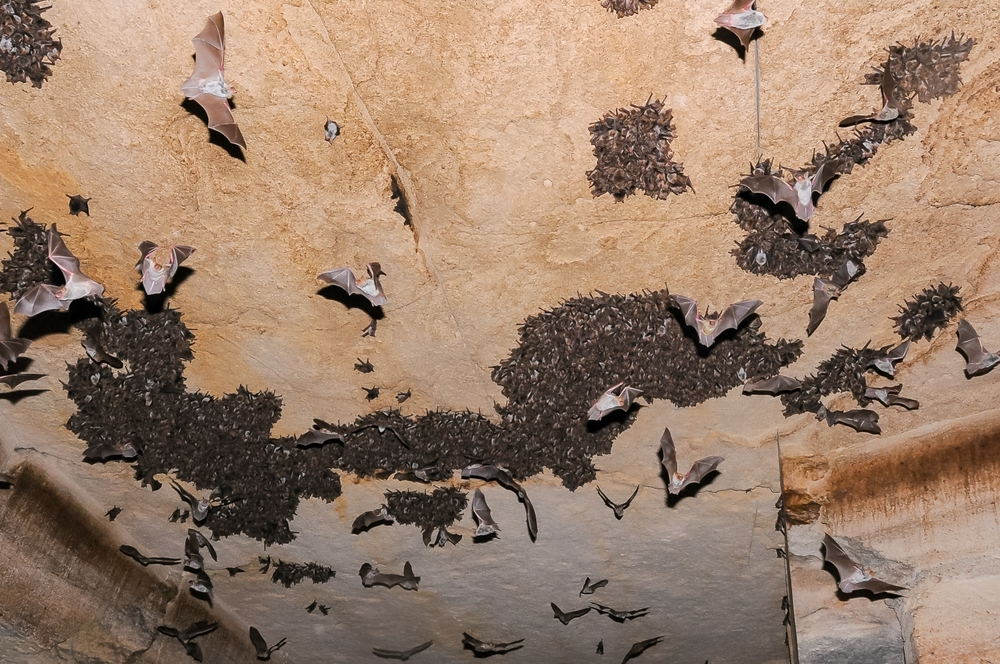
The researchers used these expeditions to investigate areas that had received limited attention in earlier assessments. They also compared their findings with museum specimens and historical records to avoid overlooking species that had already been collected or documented. This combination of historical research and fieldwork proved particularly valuable. It allowed the team to build a much more complete picture of Madidi’s bat population while identifying species that had not previously appeared in the park’s official inventory.
Four Different Survey Methods Helped Reveal Hidden Species
Studying bats can be surprisingly difficult because different species behave in different ways. Some fly through dense vegetation, while others prefer open spaces or particular roosting environments. Their feeding habits, activity patterns, and echolocation calls can also vary considerably. This creates a challenge for scientists because a technique that successfully detects one species may fail to identify another. Siles explained, “No single sampling method can adequately document the entire community.”
To overcome these difficulties, researchers combined four different approaches during their investigation:
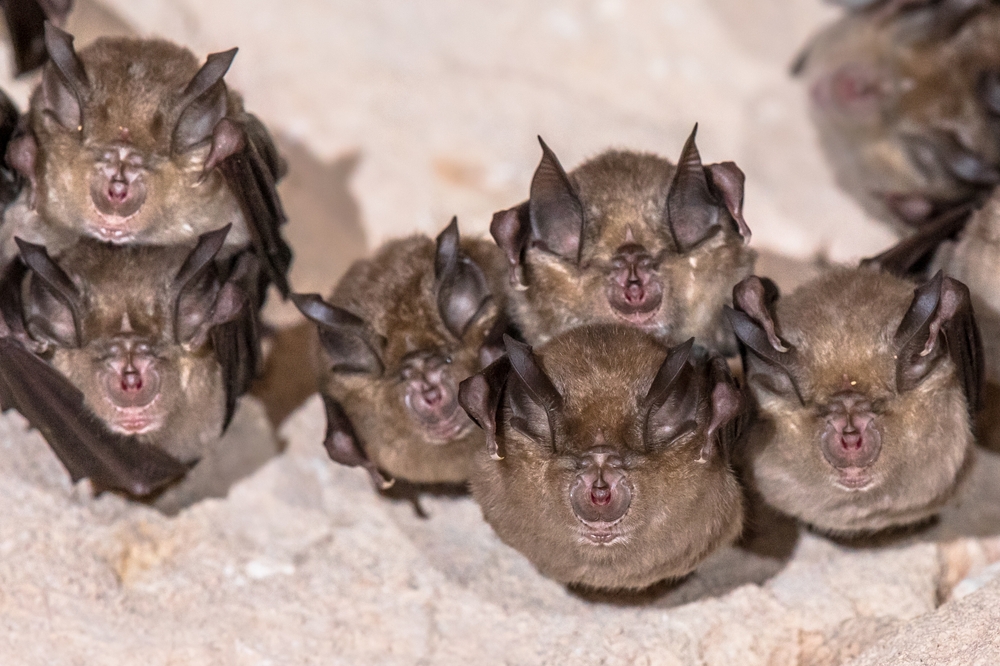
- Mist nets: Fine nets helped researchers capture bats flying through selected areas of the forest.
- Harp traps: These specialized traps provided another way to capture bats that might avoid conventional mist nets.
- Roost searches: Researchers examined potential resting locations where bats gather during daylight hours.
- Acoustic recorders: Specialized equipment captured ultrasonic calls that scientists could analyze to identify species without physically capturing them.
The team captured 820 individual bats during the investigation and documented 69 species through physical captures. Acoustic recordings provided another layer of information, allowing researchers to identify 28 species through their calls. Combining these approaches was particularly important because bats do not always respond to survey equipment in the same way. Some species may be difficult to capture, while others can be detected through their distinctive acoustic patterns.
Siles explained the difficulty of studying these animals, saying, “Bats are particularly challenging to survey because species differ in their behaviour, roosting habits, and echolocation calls.” The findings demonstrated why relying on a single technique could produce an incomplete wildlife inventory. By using several methods together, the team was able to identify a much larger range of species than conventional capture-based surveys might have revealed.
Acoustic Recordings Detected Bats That Physical Surveys Missed
One of the most revealing findings came from the team’s acoustic monitoring. Bats use echolocation to understand their surroundings, locate prey, and avoid obstacles while flying. They produce high-frequency sounds that bounce off nearby objects, allowing them to interpret their environment through returning echoes. Many of these calls occur beyond the range of ordinary human hearing, meaning specialized recording equipment is needed to capture and analyze them.
In Madidi, acoustic surveys detected 14 species that researchers did not record through physical captures. This was a particularly important result because it showed how easily wildlife assessments can underestimate biodiversity when researchers depend on only one survey method. A bat might fly through an area without entering a net, or it might occupy a habitat that scientists cannot easily access. Acoustic monitoring provides another opportunity to document these animals without requiring physical capture.
Siles said, “Acoustic surveys alone detected 14 species that were not recorded through physical captures.” She added, “That demonstrates how much diversity can be overlooked when biodiversity assessments rely on a single sampling method.” The finding provides a strong argument for combining traditional field techniques with modern acoustic technology in future biodiversity research.
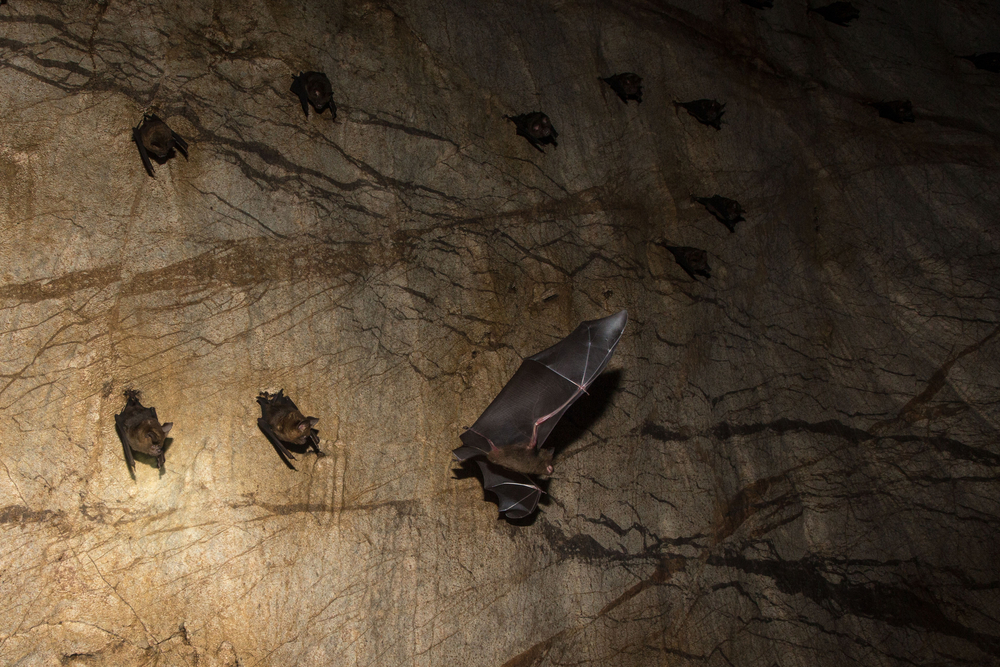
The results also have practical implications for conservation projects. Researchers need reliable information about which species occupy particular habitats before they can properly assess the ecological value of those environments. If surveys consistently overlook certain animals, conservation assessments may underestimate the importance of the areas supporting them. Madidi’s findings demonstrate how more comprehensive monitoring can reveal wildlife diversity that would otherwise remain undocumented.
A Potentially New Bat Species Has Caught Researchers’ Attention
Among the most intriguing findings were several bats belonging to the genus Histiotus. Researchers encountered specimens at two high-elevation locations that appear to differ from every species currently described. Their unusual characteristics have attracted further scientific investigation, raising the possibility that the team has encountered an animal previously unknown to formal science.
However, the researchers have not yet confirmed that these specimens represent a new species. Scientists must carefully compare an animal’s physical characteristics with existing species descriptions before formally recognizing it. Depending on the available evidence, additional morphological and genetic investigations may also be necessary. This process helps establish whether an unusual specimen represents a genuinely distinct species or an existing animal with characteristics that have not previously been documented.
For now, the researchers classify the finding as one potentially undescribed taxon within the park’s confirmed total of 100 bat taxa. If further investigation confirms its distinct identity, Madidi could eventually gain another officially recognized bat species. The possibility also demonstrates why scientific exploration remains important even in places already recognized for their extraordinary wildlife.
Why Madidi’s Bats Are Important To Forest Ecosystems
Bats are sometimes overlooked when people think about the animals responsible for maintaining healthy forests. Larger mammals often attract more attention, but bats perform several ecological functions that support the environments in which they live. Different species have different diets and behaviors, allowing them to contribute to ecosystems in several ways. Some feed on insects, while others consume fruit or nectar, creating relationships with plants and other organisms.
Insect-eating bats can help control populations of insects, including species that damage agricultural crops. Fruit-eating bats contribute to seed dispersal by carrying seeds away from parent plants and depositing them elsewhere. This process supports forest regeneration and helps vegetation spread across different areas. Nectar-feeding species also visit flowers and can contribute to pollination, supporting the reproduction of certain plants.
Madidi’s remarkable variety of bat species makes it especially valuable for understanding these ecological relationships. Researchers documented 77 species in Sub-Andean Amazon Forests, 66 in Pre-Andean Amazon Forests, and 49 in the Yungas. These figures demonstrate that different habitats support different bat communities, highlighting the importance of protecting the park’s entire range of environments.
The loss of particular bat species could disrupt ecological relationships that other organisms depend on. Changes in insect populations, seed dispersal, and plant reproduction can have consequences that extend beyond individual animal populations. Madidi’s extensive bat diversity therefore provides scientists with an important opportunity to study how wildlife communities function across different ecosystems.
Illegal Mining And Resource Exploitation Threaten Madidi
Despite its protected status, Madidi continues to face environmental pressures. The researchers specifically identified illegal mining, land conversion, and the exploitation of natural resources, including oil and gas, as threats affecting protected areas. These activities can disturb natural habitats and place pressure on wildlife populations that depend on stable environmental conditions. For animals with specific roosting and feeding requirements, changes to their surroundings can make survival increasingly difficult.
Mining and other forms of land disturbance can also affect surrounding ecosystems and waterways. Clearing vegetation may reduce the availability of suitable resting locations and feeding areas, while wider habitat changes can disrupt the ecological relationships that support wildlife. The effects can be particularly concerning in places like Madidi, where different species depend on distinct environmental conditions across a large elevation range.
Siles emphasized the importance of helping people understand what protected areas contain. She explained, “When people understand what these places contain, how extraordinary their ecosystems are, and how much biodiversity they sustain, they have more reasons to value them and become involved in protecting them.” The research gives conservation organizations and policymakers additional scientific evidence of the park’s ecological importance.
She also described Madidi as “an extraordinary natural heritage, not only for Bolivia but for the world.” The findings provide a stronger basis for conservation discussions because they document a remarkable concentration of wildlife that might otherwise receive less attention. Protecting the park’s habitats could help safeguard species whose distributions and ecological requirements are still being studied.
Scientists Believe Madidi Could Still Hold More Species
Although the study confirmed 99 recognized bat species, researchers caution that the actual number living in Madidi could be higher. Some environments, particularly high-elevation habitats, were sampled at relatively few locations. This means certain species may have remained undetected during the investigation. Seasonal differences could also influence which bats are active or detectable during particular periods of the year.
The research team believes additional surveys across different seasons and habitats are needed to improve the inventory. Further acoustic monitoring could identify species that avoid physical capture, while continued examination of museum collections may reveal additional historical records. The potentially new Histiotus species also requires further taxonomic work before scientists can determine whether it represents a formally distinct animal.
The study, titled Bats (Chiroptera) from Madidi National Park: An Integrative Assessment From Field Surveys, Museum Collections, and Historical Records, was published in the open-access journal ZooKeys. Its DOI is 10.3897/zookeys.1296.206387. The research offers an important scientific baseline for future investigations into the park’s wildlife and provides evidence of just how much biodiversity can remain hidden across seemingly familiar environments.
Madidi already holds an extraordinary concentration of Bolivia’s known bat species, yet researchers still have unanswered questions about what lives in its forests and mountains. The potentially new bat awaiting confirmation is just one indication of how much remains to be investigated. For scientists, the next expedition could reveal another species that has been sharing this remarkable wilderness with the world, entirely unnoticed.
Sources:
Siles, L., Hidalgo-Cossio, M., Bernal-Hoverud, N., Ocampo, M., & Wallace, R. B. (2026). Bats (Chiroptera) from Madidi National Park: an integrative assessment from field surveys, museum collections, and historical records. ZooKeys, 1296, 231–262. https://doi.org/10.3897/zookeys.1296.206387