
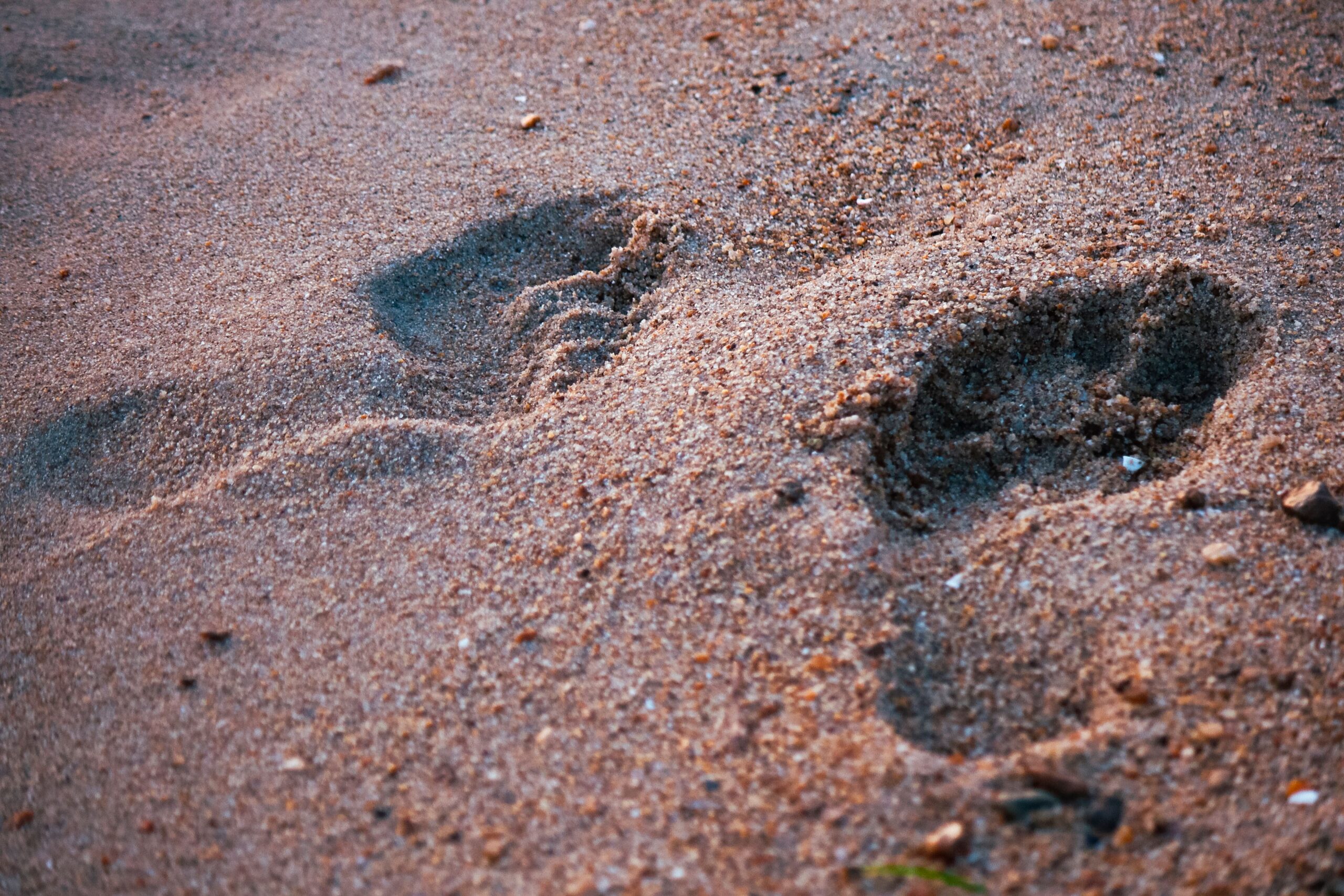
The US government has officially made several decades-old Bigfoot records available to the public, and some of the accounts contain details that sound like something from a horror movie. Among the documents are reports of enormous footprints, a missing elk carcass, and a wildlife biologist who investigated suspicious tracks in an Oregon forest.
The records were released through the US Department of Agriculture (USDA), bringing renewed attention to one of America’s most enduring mysteries. Although the documents offer no definitive proof that Bigfoot exists, they reveal just how seriously some unusual encounters were documented by federal personnel.
The Trump Administration Has Released Three Bigfoot Files
On October 15, the US Department of Agriculture published three documents under the title “Bigfoot/Sasquatch Records” in its Freedom of Information Act (FOIA) Reading Room. The documents were added to the frequently requested records section of the US Forest Service website, making the historical material accessible to the public.
The collection originated from the Forest Service’s Washington Office and contains accounts connected to Montana and the Pacific Northwest. The three records cover reported incidents from 1949, 1982, and 2003, offering a glimpse into several decades of Bigfoot-related investigations and local encounters.
The disclosure has attracted attention because it involves government records concerning a creature that has fascinated Americans for generations. Bigfoot, also known as Sasquatch, is traditionally described as a large, hairy, human-like creature that walks upright and supposedly inhabits remote forests across North America.
The release also comes amid renewed public interest in government documents concerning unexplained phenomena. Earlier this year, the Pentagon expanded its publicly accessible UFO archive, encouraging fresh discussion about what federal agencies have recorded over the years.
However, the Bigfoot collection has a different focus. Rather than containing classified intelligence or evidence of an extraordinary discovery, the documents preserve historical reports, photographs, and observations involving people who believed they had encountered something unusual.
The three files have nevertheless attracted attention from cryptid enthusiasts, particularly because one contains an investigation conducted by a Forest Service wildlife biologist. His observations raise interesting questions about footprints that were difficult to explain at the time.
A 1982 Investigation Examined Enormous Footprints In The Forest
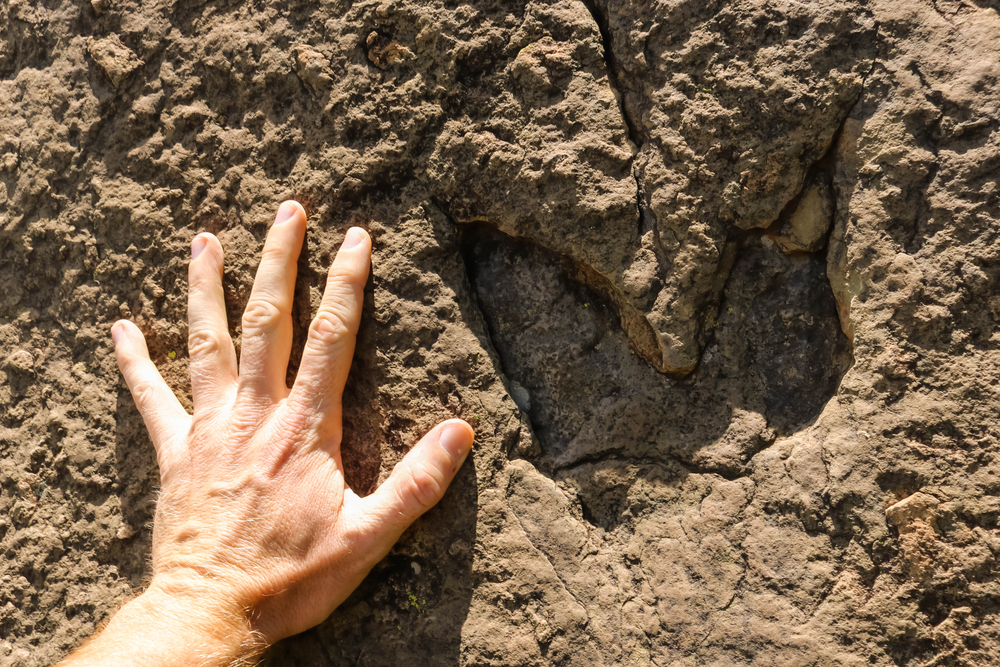
Perhaps the most intriguing document concerns an investigation conducted on June 18, 1982, in the Mill Creek Watershed of the Umatilla National Forest. The report describes three separate observations of unusually large footprints discovered in the area, prompting investigators to examine the impressions and document their findings.
The investigation included several attempts to preserve the physical evidence. Personnel recorded measurements, took photographs, and produced plaster casts of the reported tracks at different locations.
These casts allowed investigators to retain physical impressions of the footprints rather than relying entirely on written descriptions or photographs. The process also provided an opportunity to examine the shape and details of the impressions more closely.
Rodney Johnson, identified as a wildlife biologist in the report, was among those who examined the unusual tracks. His assessment was particularly interesting because he considered whether the impressions could have been produced by an unusually large animal or deliberately created by someone.
Johnson concluded that the large tracks “were made by something other than” a two-footed being weighing more than 300 pounds. That description closely resembles the traditional physical characteristics attributed to Bigfoot in eyewitness accounts.
However, the biologist also considered the possibility that someone had fabricated the footprints. His comments suggested that producing such detailed impressions would have required considerable effort.
“If the tracks were faked, someone went to a great deal of trouble and detail,” Johnson wrote in the investigation.
He also questioned whether artificial feet could have been responsible for the impressions. Johnson believed that certain details would have appeared differently if the footprints had been created using a manufactured object.
“I would almost suspect a cast made of an actual foot would have had to be used to make the ‘fake’ feet,” the report stated. He added that other creases in the foot should have been visible if that explanation were correct.
The observations make the investigation particularly interesting for people following the Bigfoot legend. Nevertheless, the report did not identify the creature responsible for the tracks or establish that the impressions belonged to an unknown primate.
A Missing Elk Made A Montana Hunting Trip Even Stranger

Another document takes readers back to a hunting trip near Petty Creek, Montana, in 1949. The six-page historical account was written by Leo Kinney, who recalled an unusual experience involving three other hunters and a set of enormous tracks.
According to Kinney, the group discovered large footprints while hunting in the area. Their discovery became even more concerning when they noticed a strong odor and heard an unusual grunting sound nearby.
The hunters initially suspected that a very large bear was responsible for the tracks. Bears are known to inhabit Montana’s forests, so the explanation would have appeared reasonable under ordinary circumstances.
However, the situation became considerably stranger when the group discovered that an elk they had shot had disappeared. Kinney believed the animal had been carried away by whatever had left the enormous footprints.
The missing carcass raised questions because the hunters could not understand how a bear would have transported such a large animal without leaving the expected signs of dragging it along the ground. Kinney specifically addressed this possibility in his recollection.
“Except,” Kinney wrote, “bears don’t walk on their hind legs only for short distances and ordinarily would drag a carcass this large.”
He then described what he believed had happened to the elk. According to his account, the animal had been lifted entirely off the ground and carried away.
“Whatever it was had picked up the elk whole and clear of the ground,” Kinney added.
The hunters eventually discussed whether they should follow the tracks and investigate the unidentified creature. However, their conversation ended with a decision that suggested none of them was particularly comfortable pursuing whatever might have been responsible.
The Hunters Reportedly Felt Uneasy About Following The Tracks
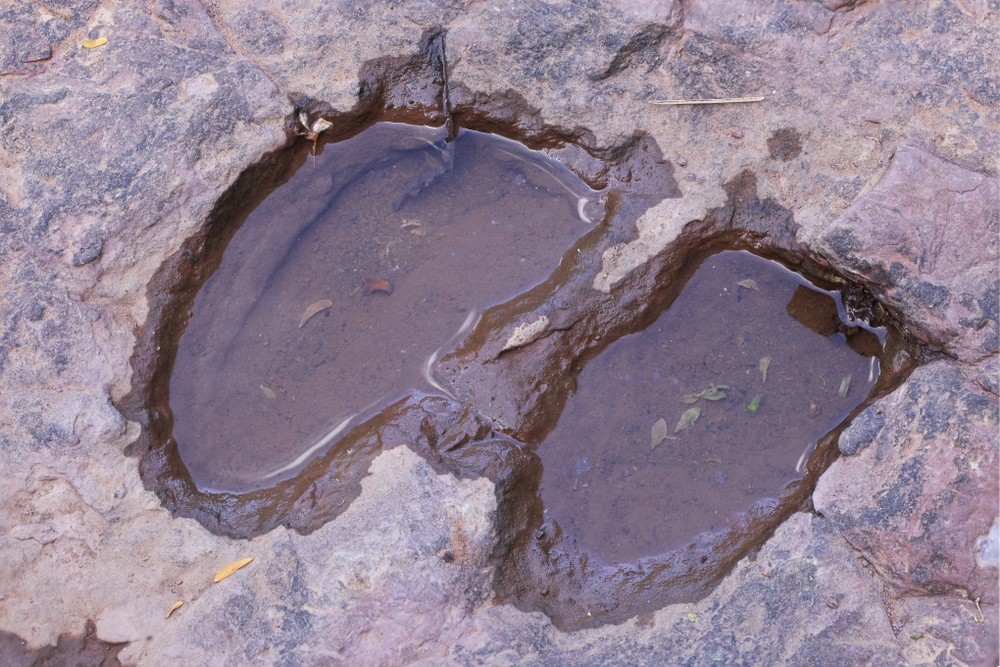
Kinney’s recollection included a particularly revealing description of the group’s reaction. He explained that the hunters discussed the situation and decided they were not especially interested in catching up with the mysterious animal.
“At this point we held a conference and decided that we were not particularly anxious to catch up to whatever it was,” Kinney wrote.
He also recalled that the men later admitted feeling uncomfortable during the experience. Their reactions suggest that the encounter left a lasting impression on the group, even though they never established what had actually happened.
The account remains one of the more unusual entries in the newly released collection. However, it is important to remember that Kinney’s recollection represents a historical eyewitness account rather than independently verified evidence of Bigfoot.
Hundreds Of Unidentified Footprints Appeared In Montana
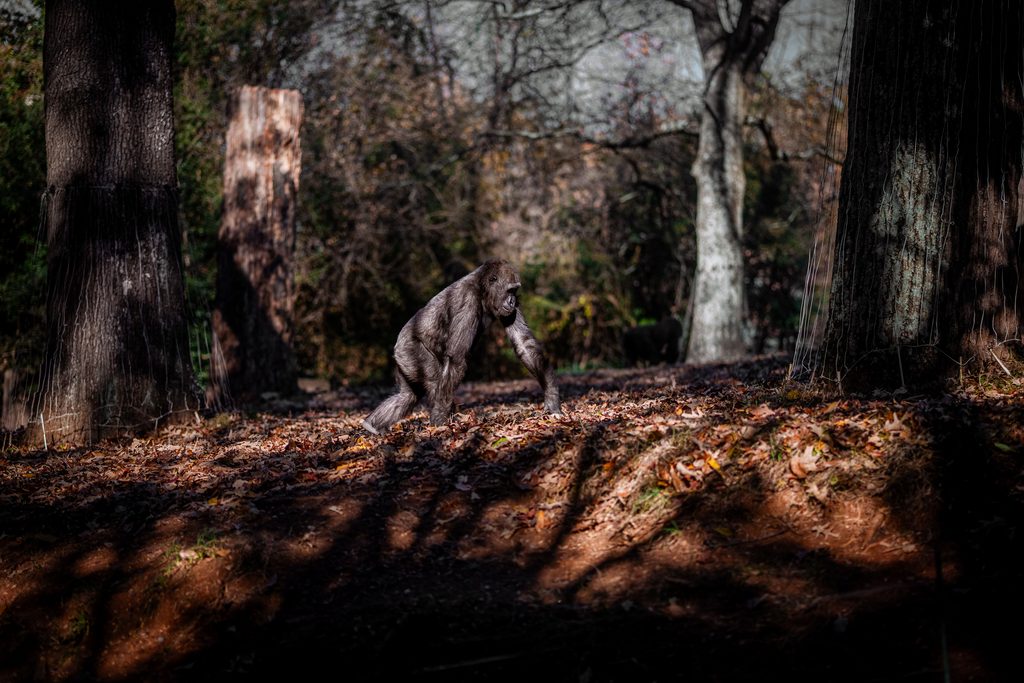
The third document in the collection concerns another unusual incident reported in Montana, this time in 2003. Rather than an official investigation report, the file contains a newspaper clipping from the Clark Fork Valley Press describing hundreds of unidentified footprints discovered near a local road.
The newspaper excerpt included interviews with residents who had encountered the impressions. Photographs were also included, giving readers a visual record of the tracks that attracted attention throughout the area.
Some residents believed the footprints could have belonged to Sasquatch. One person questioned what else could have produced the unusual impressions, asking, “What else could it be?”
The report did not establish whether the tracks belonged to a known animal, an unidentified creature, or someone attempting to create a hoax. It also did not describe a formal scientific investigation comparable to the one conducted in 1982.
Nevertheless, the incident demonstrates how reports of unusual footprints continued to circulate in Montana decades after the earlier hunting encounter. The newspaper clipping also preserves the reactions of local residents who believed they had encountered something that ordinary explanations could not easily account for.
For Bigfoot enthusiasts, the photographs provide another historical piece of material to examine. Skeptics, meanwhile, may question whether the impressions were produced by wildlife or deliberately manufactured.
Neither interpretation was conclusively established by the document.
The Forest Service Has Previously Hosted A Bigfoot Forum
The newly released files are not the only examples of the US Forest Service documenting public interest in Bigfoot. According to reporting by The Washington Post, Forest Service employees previously organized a “Bigfoot in Your Backyard” forum at California’s Stanislaus National Forest.
The event focused on discussing local sightings and reports involving the legendary creature. It provided an opportunity for people interested in the subject to share their experiences and discuss the stories circulating in the surrounding region.
The agency reportedly acknowledged that it could neither confirm nor deny Bigfoot’s existence. That position reflects the difficulty of assessing claims involving a creature for which no conclusive biological evidence has been established.
The forum is particularly interesting because it demonstrates that Bigfoot reports have occasionally become part of public discussions involving government agencies. However, hosting an event about reported sightings does not mean the Forest Service has confirmed the creature’s existence.
Federal agencies routinely maintain historical records and document unusual observations connected to the lands they manage. Reports involving unidentified tracks or possible wildlife encounters can therefore become part of an agency’s records without establishing an extraordinary explanation.
The newly released collection offers a glimpse into that process, preserving accounts that might otherwise have remained buried in historical files.
Experts Say The Government Release Does Not Prove Bigfoot Exists
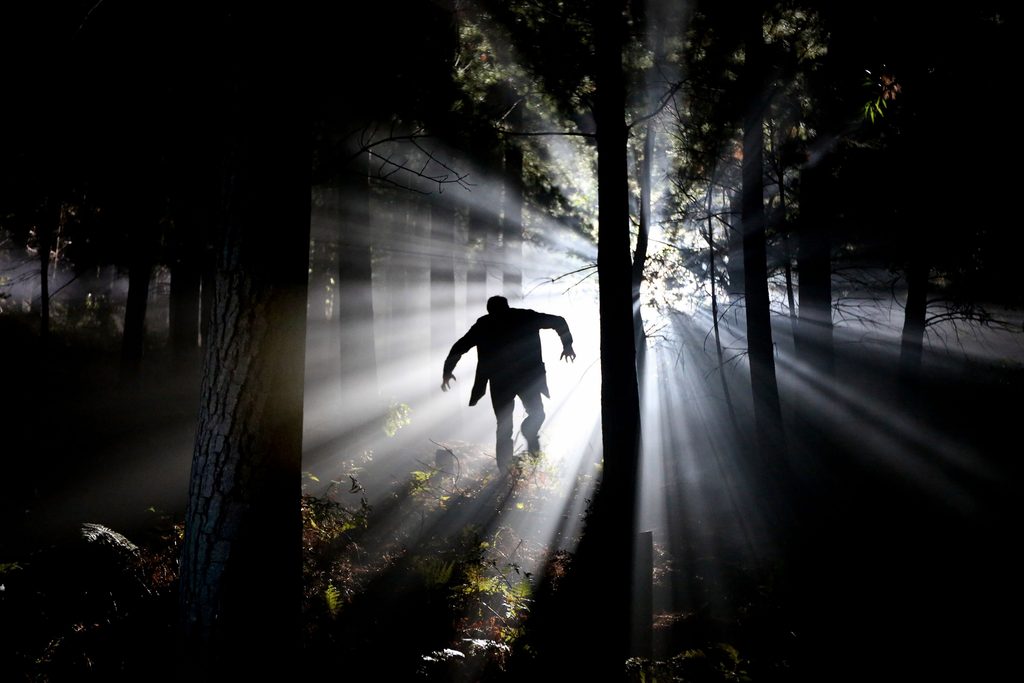
The disclosure has understandably attracted attention from people who have followed Bigfoot stories for years. However, experts have been more cautious about what the documents actually establish.
David Daegling, an anthropology professor who authored a book examining Bigfoot’s place in American culture, offered a relatively dismissive assessment of the newly available records.
Speaking to The New York Times, Daegling described the documents as “standard Bigfoot fare.” He also said the release was “not groundbreaking in the least.”
His assessment highlights an important distinction between releasing historical records and presenting new scientific evidence. Although the documents are newly available to a wider audience, the incidents described inside them happened decades ago.
The presence of an official government document does not automatically establish the accuracy of every claim contained within it. An agency can preserve an eyewitness account or investigate unusual physical impressions without confirming the explanation offered by the people involved.
In the case of the 1982 investigation, the wildlife biologist examined the reported tracks and considered whether they might have been fabricated. His observations provide an interesting record of the investigation, but they do not identify the source of the footprints.
Similarly, the Montana hunting account contains details that cannot be independently confirmed through the recollection alone. The missing elk, unusual sounds, and large tracks remain elements of Kinney’s historical account.
The records therefore offer historical insight into Bigfoot reports rather than proof of an undiscovered species.
Bigfoot Sightings Continue To Capture Public Attention
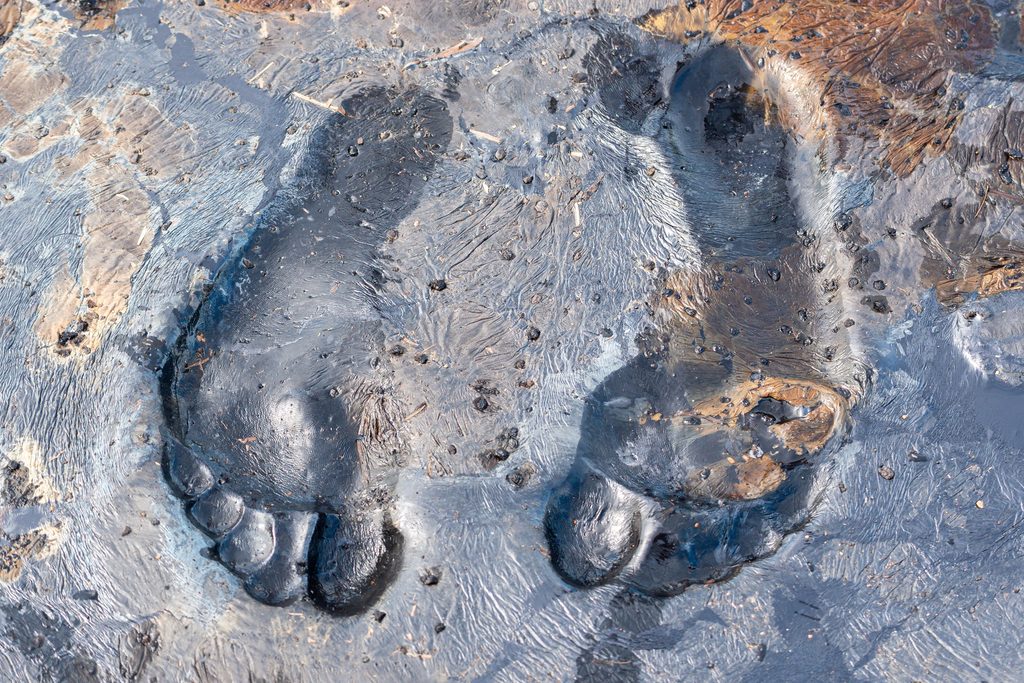
Despite the lack of conclusive physical evidence, Bigfoot remains one of the most recognizable creatures in American folklore. Stories about the supposed forest-dwelling giant have inspired generations of documentaries, books, television programs, and investigations.
Interest in the creature has also extended beyond traditional documentaries and eyewitness accounts. Its appearance in popular entertainment has helped introduce the legend to younger audiences who may have little knowledge of its history.
Earlier this year, alleged sightings in Ohio attracted renewed attention, with reports drawing comparisons to the famous Minerva Monster incidents from the late 1970s. The renewed interest demonstrated that Bigfoot stories continue to find an audience even decades after their original reports.
The legend has also become a subject of debate among documentary filmmakers. Marq Evans produced a film examining the famous Patterson-Gimlin footage, which has remained one of the most recognizable pieces of alleged Bigfoot evidence since it was recorded in 1967.
The documentary, which debuted at SXSW, presented Evans’ argument that the iconic footage was an elaborate hoax. His position adds another chapter to the ongoing debate surrounding the authenticity of famous Bigfoot sightings.
Several factors have helped keep the mystery alive over the years:
- Unusual footprints: Reports of enormous tracks continue to attract attention, particularly when photographs or physical impressions are available for examination.
- Eyewitness encounters: Hunters, hikers, and rural residents have shared accounts of seeing unidentified creatures in remote locations.
- Remote forests: Vast stretches of wilderness provide settings where unusual wildlife encounters can be difficult to investigate independently.
- Popular entertainment: Documentaries, films, television programs, and video games have introduced Bigfoot to successive generations.
- Unanswered questions: The absence of conclusive physical evidence has allowed competing explanations and speculation to continue.
These factors help explain why even decades-old government documents can generate fresh interest in the creature. The latest release gives enthusiasts additional historical material to examine, although it does not resolve the questions surrounding Bigfoot’s existence.
The Newly Released Records Leave The Bigfoot Mystery Open
The Forest Service documents provide an unusual look at decades of reported encounters involving one of America’s most famous cryptids. From the missing elk in Montana to the detailed footprint investigation in the Umatilla National Forest, the records preserve stories that have remained part of Bigfoot folklore for years.
The Trump administration’s disclosure has made these historical accounts easier for the public to access. However, the difference between documenting an unusual report and proving an extraordinary claim remains significant.
For now, the files offer more material for investigators, historians, and Bigfoot enthusiasts to examine. The creature itself, however, remains unconfirmed, leaving the question of what those mysterious footprints belonged to unanswered.