
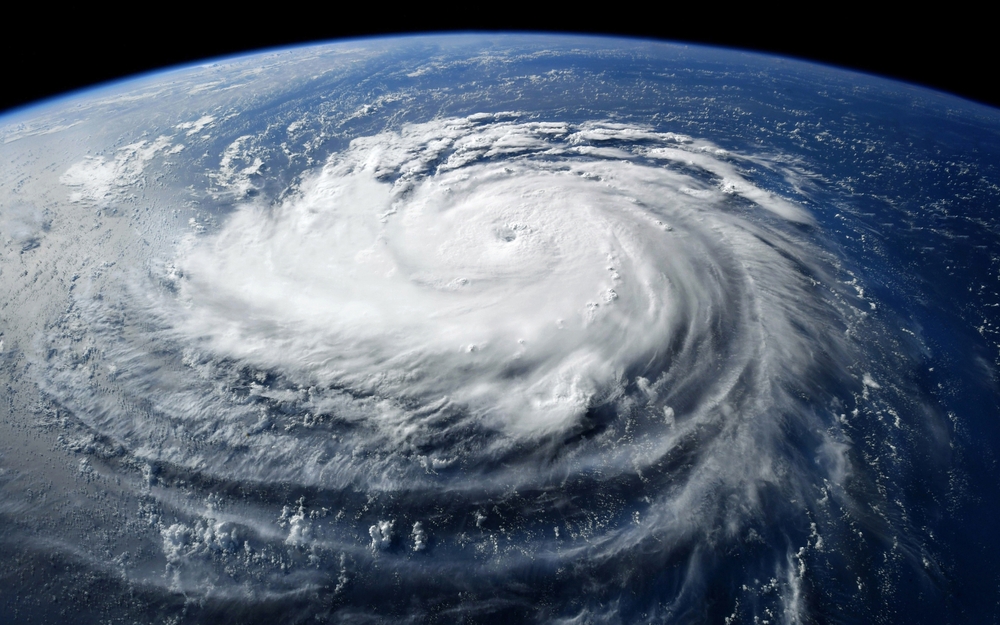
Thanksgiving celebrations across the United States were thrown into chaos after a powerful storm battered large parts of the country, leaving nearly one million homes and businesses without electricity. Floodwaters inundated neighbourhoods, emergency crews rescued stranded residents, and thousands of holiday travellers faced significant disruption during one of America’s busiest travel periods.
The scale of the destruction also forced New York’s iconic Macy’s Thanksgiving Day Parade to be postponed for the first time in its history. With several states dealing with emergencies and communities struggling to restore essential services, President Donald Trump said he would consider releasing emergency funds as the country faced the aftermath of the severe weather.
Nearly One Million Americans Lose Power During Thanksgiving
What should have been a day of family gatherings and holiday celebrations became a difficult experience for hundreds of thousands of Americans on Thursday, November 26. A powerful storm system swept across the country, bringing heavy rainfall, damaging winds, coastal flooding and significant snowfall in parts of the Midwest.
The storm stretched from Missouri to Massachusetts, affecting communities across several states and creating widespread problems for electricity providers. According to outage tracking website PowerOutage.us, more than 900,000 homes and businesses were without electricity at the height of the storm on Thursday evening. The number of affected customers approached one million as severe weather continued moving through the country.
Pennsylvania recorded the highest number of electricity outages, with more than 213,000 customers affected. Virginia reported over 150,000 customers without power, while Missouri experienced nearly 120,000 outages. New York, North Carolina, Illinois, Maryland and New Jersey were among the other states dealing with significant disruptions.
The widespread outages created additional difficulties for families attempting to celebrate Thanksgiving. Electricity disruptions also affected essential infrastructure, forcing authorities to issue warnings and take emergency measures in some communities. Residents faced uncertainty about when electricity would return as utility providers worked through challenging weather conditions.
Pennsylvania Governor Josh Shapiro said utility providers were working tirelessly to restore electricity to affected communities. However, the scale of the disruption meant restoration efforts would take time, particularly in areas where fallen trees and damaged infrastructure complicated access for repair crews.
The National Weather Service warned that although conditions were expected to improve in some eastern areas, the effects of the storm would not disappear immediately. Communities would still need to deal with damaged properties, disrupted services and potentially dangerous roads after the strongest weather conditions passed.
Floodwaters Trigger Emergency Rescues Across Multiple States
While electricity crews worked to restore power, emergency responders faced another serious challenge as floodwaters inundated neighbourhoods and trapped people inside vehicles. Several coastal communities along the East Coast experienced particularly dangerous conditions as heavy rainfall combined with strong winds and high tides.
Atlantic City in New Jersey was among the areas dealing with substantial flooding. Water reached depths of two to three feet in some low-lying locations, leaving vehicles stranded and creating dangerous conditions for residents. Emergency teams evacuated people from affected homes and carried out more than 14 rescues involving vehicles trapped in floodwaters.
Although water levels had started to recede, several roads remained closed as authorities assessed conditions and worked to make affected areas safe. Residents in Margate City were also warned that flooding could continue into Friday morning because another high tide was approaching.
Virginia experienced similarly difficult conditions, with emergency services carrying out numerous rescue operations. Norfolk Fire-Rescue teams rescued 39 people as rising water created dangerous situations across the area. Nearby Poquoson also saw around five residents evacuated from their homes, while two dogs were rescued in Norfolk. No injuries were reported during these particular rescue operations.
New York Mayor Issues Urgent Safety Warning
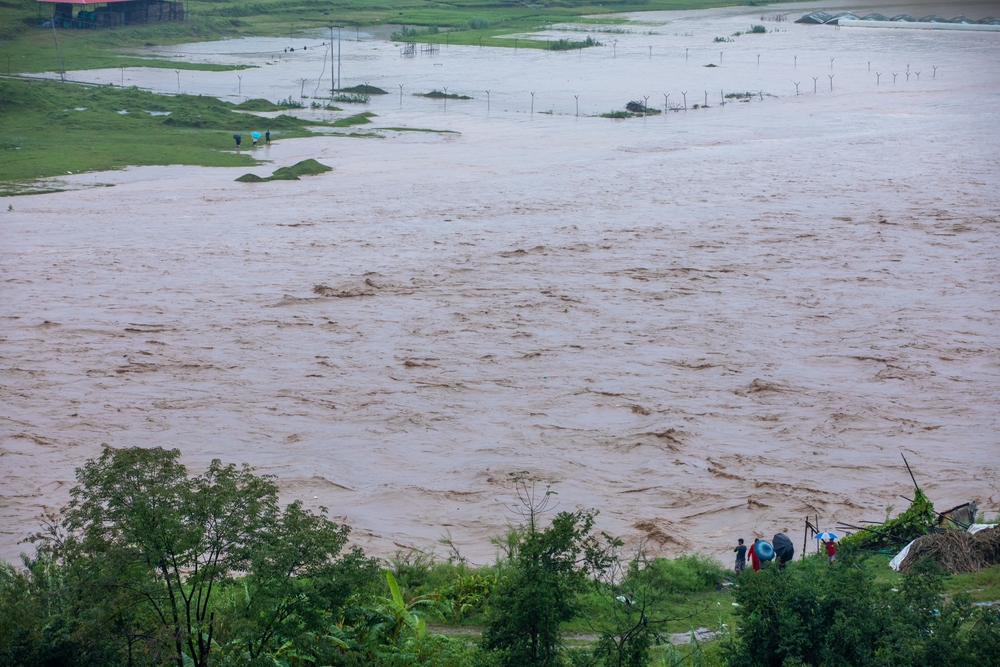
New York City was another community dealing with serious flooding as the Thanksgiving storm moved through the region. Mayor Zohran Mamdani confirmed that two people had been rescued from vehicles caught in floodwaters, highlighting the risks facing motorists who attempted to travel through flooded streets.
Speaking during an event in Harlem to distribute Thanksgiving meals, Mamdani described the emergency response and explained that people had already needed assistance after becoming trapped in their cars. He said, “We’ve already had two New Yorkers that we’ve rescued from their cars as a result of the flooding.”
The mayor also urged residents to take the dangerous conditions seriously, particularly when deciding whether to drive through roads affected by rising water. He added, “We want to remind everyone to stay safe and to remember that there is no destination worth your safety.”
His warning came as emergency responders continued dealing with flooding across the region. The incidents also demonstrated how quickly ordinary journeys could become dangerous when heavy rainfall and coastal flooding affect busy urban roads.
Fallen Trees And Powerful Winds Damage Infrastructure
Flooding was only one part of the damage caused by the Thanksgiving storm. Powerful winds also brought down trees, damaged buildings and disrupted important transportation connections across several states. Maryland experienced particularly concerning incidents as emergency responders received hundreds of calls involving fallen trees and damaged properties.
In Montgomery County, emergency services received more than 300 calls on Thursday morning. Dozens involved trees falling onto houses, creating dangerous situations for residents and emergency personnel. One incident involved a tree partially crushing an occupied home, while residents in another property became trapped after a fallen tree blocked their way out.
Strong winds also forced authorities to close the Commodore Barry Bridge, which connects Pennsylvania and New Jersey. The Delaware River Port Authority said damaged work platforms above the bridge’s road lanes had made the roadway unsafe for motorists. Wind gusts across the region reached between 50 and 70 miles per hour, creating difficult conditions for repair crews.
Officials expected workers to secure the damaged structures once the weather allowed them to operate safely. The closure added another complication for people attempting to travel between the two states during the holiday period.
Maryland also faced problems involving its water supply system. Authorities in Montgomery and Prince George’s counties asked almost two million water customers to limit consumption to essential use because intermittent power disruptions were affecting operations. Residents were therefore dealing with warnings involving both electricity and water services during the holiday.
Trump Considers Emergency Funding As States Face Disruption
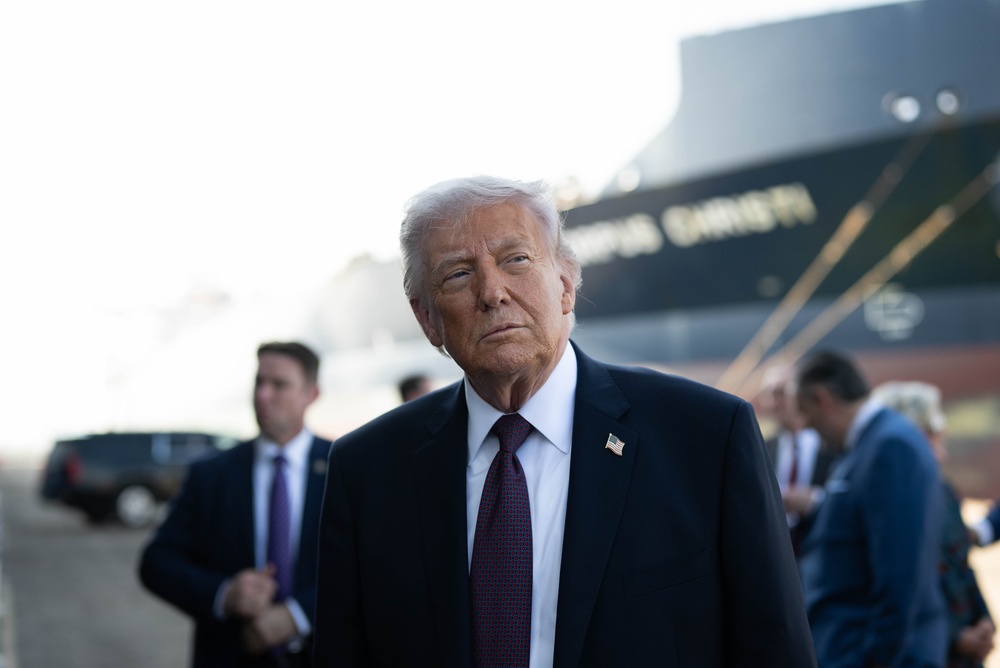
With multiple states dealing with outages, flooding and infrastructure damage, the federal government’s response has become another important part of the developing situation. President Donald Trump said he would consider releasing emergency funds as communities faced the consequences of the severe weather.
The potential assistance comes as state and local authorities work to restore essential services and assess damage caused by the storm. Pennsylvania, Virginia, Maryland and New Jersey were among the states experiencing substantial disruption, while New York also faced emergency conditions and widespread travel problems.
Emergency funding could help affected communities address immediate needs, although the available reports do not specify how much assistance might be released or which areas would receive it. The announcement also comes at a time when local emergency services and utility providers are dealing with several problems simultaneously.
For residents who spent Thanksgiving without electricity or faced flooding inside their neighbourhoods, restoring basic services remains the immediate priority. Fallen trees have damaged homes, roads have been closed, and transportation networks have struggled to operate normally.
The scale of the outages has also placed considerable pressure on electricity providers. Repair crews must reach affected locations, assess damaged equipment and restore connections while dealing with the consequences of severe weather. Conditions in some areas could make that process particularly difficult.
The situation has highlighted the challenges facing local and state authorities when major storms strike during a national holiday. Emergency responders must continue protecting residents while utility companies work to restore services and transportation officials deal with damaged infrastructure.
Macy’s Thanksgiving Parade Postponed For First Time In History

One of the most visible consequences of the storm was the postponement of New York City’s annual Macy’s Thanksgiving Day Parade. The event has been a major American Thanksgiving tradition for generations, attracting enormous crowds and millions of television viewers who follow its elaborate floats, giant balloons and performances.
However, powerful winds and heavy rainfall made conditions unsuitable for holding the parade as scheduled on Thursday. Organisers announced that the event would instead take place on Saturday, November 28, marking the first weather-related postponement in the parade’s history.
The decision represented an unusual interruption to an event that has remained a familiar part of Thanksgiving celebrations for decades. Its postponement also reflected the seriousness of the weather conditions, particularly as organisers had to consider the safety of spectators, performers, balloon handlers and other participants.
The parade’s giant balloons require careful handling, especially when wind conditions become dangerous. Strong gusts can make controlling large inflatables difficult and create risks for people participating in the event. Heavy rainfall and flooding also complicated the arrangements for an outdoor celebration involving large crowds.
The postponement meant families who had planned to watch the parade on Thanksgiving morning would have to wait until Saturday. For New York residents already dealing with flooding and transportation disruption, the weather had affected another familiar part of their holiday.
Thousands Of Flights Delayed As Holiday Travel Descends Into Chaos
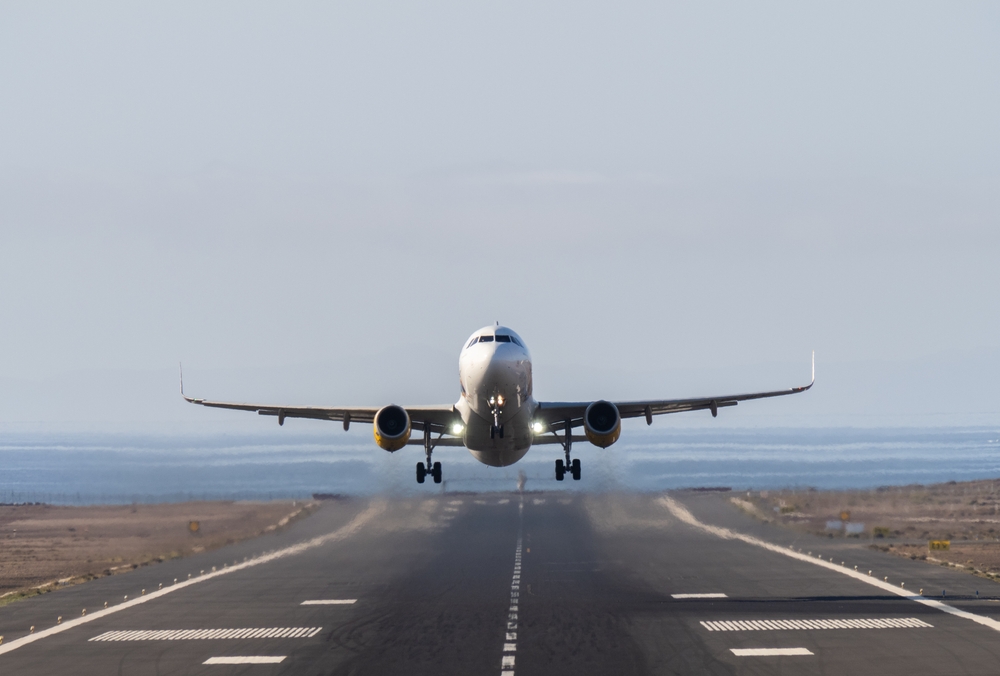
The storm arrived during one of America’s busiest travel periods, creating additional difficulties for people attempting to reach family and friends. Thanksgiving traditionally brings enormous numbers of travellers onto highways and through airports, with many Americans travelling long distances for the holiday.
According to FlightAware, more than 2,500 flights within, into or out of the United States were delayed on Thursday. More than 450 flights were cancelled as severe weather affected airport operations and disrupted schedules across the country.
The disruption continued into Friday, with hundreds of additional delays and cancellations reported. New York’s LaGuardia Airport experienced particularly difficult conditions, leaving some passengers waiting for hours as they attempted to reach their destinations.
One passenger told the BBC that he had been stranded at LaGuardia for 13 hours while trying to fly to Chicago to meet friends for Thanksgiving. His experience illustrated the difficulties facing travellers whose holiday plans depended on flights operating through storm-affected regions.
The Federal Aviation Administration also issued a ground stop affecting Delta Air Lines flights heading to LaGuardia until 7:30 pm ET. At Newark Liberty International Airport, strong winds forced the suspension of the AirTrain monorail, with buses arranged to replace the service.
The wider transportation disruption affected several important networks during the holiday period:
- Air travel: Thousands of flights were delayed or cancelled as severe weather affected airport operations across the country.
- Road connections: The Commodore Barry Bridge was closed after wind damage made the roadway unsafe for motorists.
- Airport transportation: Newark’s AirTrain monorail was suspended because of strong winds, with replacement buses arranged.
- Coastal rail services: Amtrak Pacific Surfliner cancelled several trains because of washout conditions associated with high tides.
- Holiday celebrations: New York’s Macy’s Thanksgiving Day Parade was postponed until Saturday because of dangerous weather.
The American Automobile Association had predicted that 81.5 million Americans would travel at least 50 miles from home during the seven-day Thanksgiving holiday period. That forecast highlighted the enormous number of people potentially affected by the disruption.
With hundreds of additional flight problems reported on Friday, travellers also faced uncertainty about their return journeys. The approaching weekend was expected to bring further transportation challenges as another storm system threatened parts of the country.
West Coast Also Faces Dangerous Coastal Conditions
Although the East Coast experienced widespread outages and flooding, the West Coast was dealing with its own weather-related dangers. Exceptionally high tides raised concerns about coastal flooding, with authorities warning people to avoid vulnerable beach areas.
San Diego and Los Angeles recorded high tides exceeding eight feet earlier in the week. The conditions raised concerns about waves reaching coastal communities and affecting roads, beaches and other infrastructure located close to the water.
Along California’s coastline, record tides forced evacuations in areas stretching from Humboldt County in the north to Ventura County near Los Angeles. Beach-goers were advised to avoid coastal areas because of the risks associated with unusually high water levels.
The Amtrak Pacific Surfliner, which operates along the California coast, cancelled several trains because of what the company described as “washout conditions from high tides”. The cancellations demonstrated how coastal weather can affect transportation even when the strongest rainfall is occurring elsewhere.
Oregon also witnessed a frightening incident when a man and a dog were swept into the sea by powerful waves during a king tide. Police later confirmed that both escaped unharmed. The incident attracted attention because of the force of the water and the danger facing people near exposed coastal areas.
The Midwest experienced a different set of weather problems as heavy snowfall affected transportation and infrastructure. Parts of eastern Missouri and western Illinois recorded between eight and 12 inches of snow, with some locations in Missouri receiving as much as 14 inches.
The snowfall also caused part of the Wentzville Ice Arena, approximately 40 miles west of St Louis, to collapse. Fortunately, no injuries were reported. The damage added another incident to a storm system that had already affected several regions through flooding, wind damage and electricity outages.
Another Round Of Severe Weather Could Disrupt Weekend Travel
Although rainfall and strong winds were beginning to ease in parts of the Mid-Atlantic, forecasters warned that conditions could deteriorate in New England overnight. The National Weather Service also cautioned that the effects of the Thanksgiving storm would take time to resolve, even as some communities began experiencing improving weather.
Another storm system was expected to bring additional rain and snow across parts of the country over the weekend. This could create further transportation problems on Sunday, which is expected to be one of the busiest days of the Thanksgiving holiday period.
The timing could prove particularly difficult for Americans returning home after spending the holiday with relatives and friends. Travellers already affected by Thursday’s cancellations and delays may face further uncertainty if weather conditions disrupt airport and road operations again.
Communities recovering from the initial storm also have several immediate concerns. Electricity providers must continue restoring power, emergency services must assess damaged properties, and local authorities need to determine when closed roads and bridges can safely reopen.
The effects have extended far beyond inconvenience for holiday travellers. Residents have faced flooding, fallen trees, damaged homes and interruptions to essential services, while emergency crews have spent the holiday responding to dangerous situations.
With nearly one million customers affected by electricity outages at the storm’s peak, Thanksgiving 2026 has become a major emergency response challenge across the United States. For families still waiting for their electricity to return and residents dealing with flood damage, the priority now is getting safely through the aftermath before the next round of severe weather arrives.