
Your cart is currently empty!
The Donkeys Keeping One Spanish National Park Safe From Fire
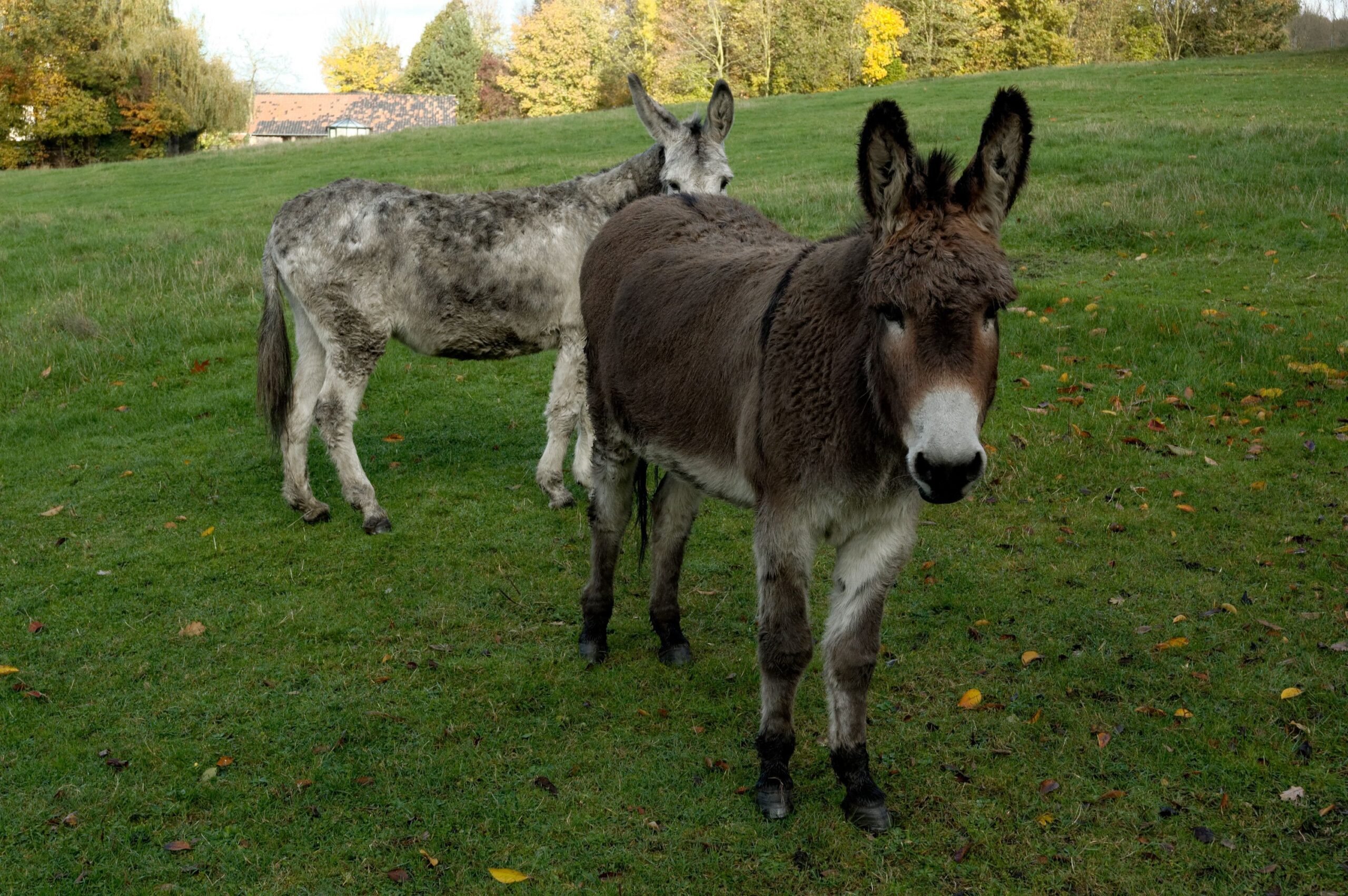
Wildfires have become one of the defining environmental challenges of our time. Rising temperatures, prolonged droughts, and changing weather patterns have turned fire seasons longer and more destructive across much of the world. As governments invest in satellites, drones, artificial intelligence, and sophisticated firefighting equipment, one national park in southern Spain has relied on a solution that has existed for thousands of years.
Contents
show
The unlikely heroes are not firefighters in protective suits or expensive machines. They are a small herd of rescued donkeys whose daily routine has quietly transformed one of Spain’s most vulnerable landscapes into a remarkable wildfire success story.
A Simple Idea That Produced Extraordinary Results
Since around 2014, 18 donkeys have been patrolling the edges of Doñana National Park in Andalusia as part of what has become known as the Firefighting Donkey Battalion. The animals belong to the rescue organisation El Burrito Feliz, or “The Happy Little Donkey,” which gives abandoned donkeys a second chance while putting them to work protecting one of Europe’s most valuable natural environments.
Their assignment is surprisingly straightforward. Every day between March and November, the donkeys spend around seven hours grazing through carefully selected sections of land around the park. As they feed, they consume dry grasses, shrubs, weeds, and other vegetation that would otherwise become highly flammable during Spain’s scorching summer months.
Each grazing zone covers roughly 130 by 50 feet. Once the donkeys have cleared one section, they move on to another, gradually creating a network of natural firebreaks around vulnerable areas of the park.
It is slow work, but it never stops.
Unlike machines that are used occasionally or only during scheduled maintenance, the donkeys work every suitable day throughout the fire season. Their constant grazing steadily removes the fine fuels that allow small fires to grow into devastating wildfires.
The results have attracted international attention.
According to those managing the programme, Doñana National Park has gone years without recording a wildfire in the areas maintained by the donkey brigade, even as other parts of Spain have experienced increasingly destructive fire seasons.
Why Doñana Matters So Much
The success of the project becomes even more impressive when considering what is at stake.
Doñana National Park is one of Europe’s most important protected ecosystems. Located in southwestern Spain, it contains marshes, forests, dunes, and Mediterranean scrubland that support hundreds of species of birds, mammals, reptiles, and insects.
It also serves as a critical migration stop for birds travelling between Europe and Africa.
Among its most famous residents is the endangered Iberian lynx, one of the world’s rarest wild cats. The park also provides habitat for imperial eagles and countless other species that depend on healthy Mediterranean ecosystems.
A large wildfire in this environment would threaten far more than trees.
It could destroy breeding grounds, fragment wildlife habitats, and undo decades of conservation work.
Spain has experienced exactly these kinds of disasters elsewhere. Climate change has brought hotter summers and longer dry periods that leave forests increasingly vulnerable. Rural depopulation has added another challenge, with fewer farmers and grazing animals naturally controlling vegetation growth.
As grass, shrubs, and brush accumulate year after year, forests effectively build their own fuel supply.
The donkey project tackles that problem before a single spark appears.
How Eating Grass Becomes Fire Prevention
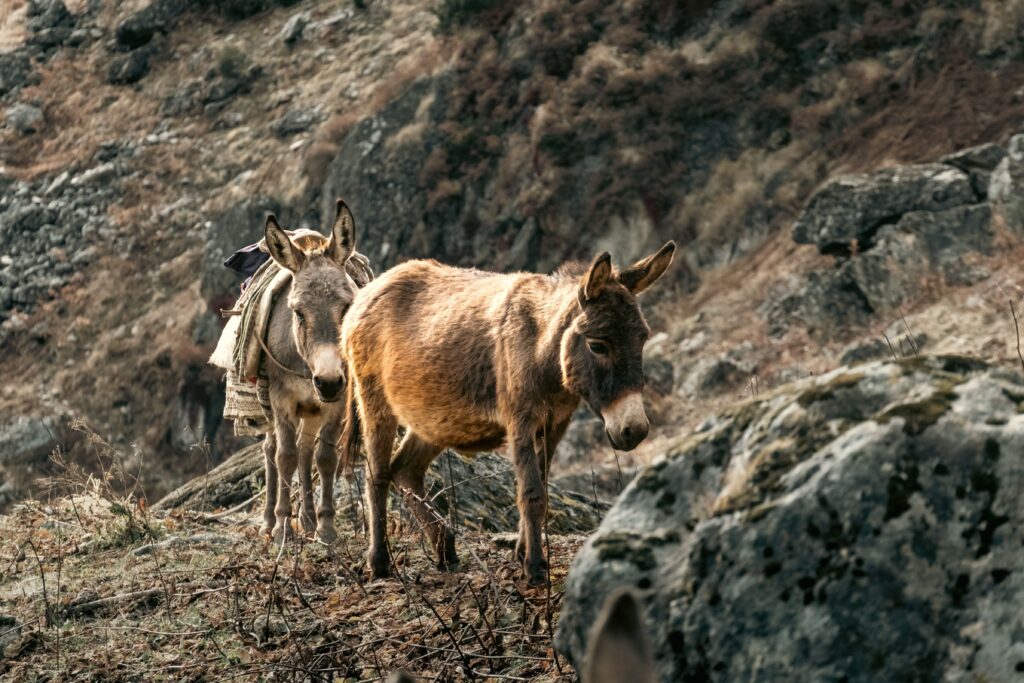
The science behind the project is surprisingly simple.
Wildfires need three basic ingredients: heat, oxygen, and fuel. While nobody can control the weather or eliminate oxygen, reducing available fuel dramatically lowers the chances of fires spreading rapidly.
Dry grasses and low shrubs are among the most dangerous fuels because they ignite easily and allow flames to move quickly across landscapes.
This is exactly what the donkeys remove every day.
Rather than allowing vegetation to dry out and accumulate, the animals convert it into food long before it becomes hazardous.
Professor Rosa María Canals Tresserras, a grassland ecology and restoration expert at the Public University of Navarre, explained that donkey grazing reduces vegetation fuel loads, helping limit the spread of fire across landscapes increasingly covered with brush and woody plants.
The cumulative effect is significant.
Each branch eaten is one less piece of fuel available during the hottest days of summer.
Each patch of cleared ground interrupts the continuous layer of vegetation that fires depend upon to spread.
Unlike mechanical clearing, the process also removes the vegetation naturally without creating piles of cut material that still require disposal.
What Makes Donkeys Different From Other Grazing Animals?
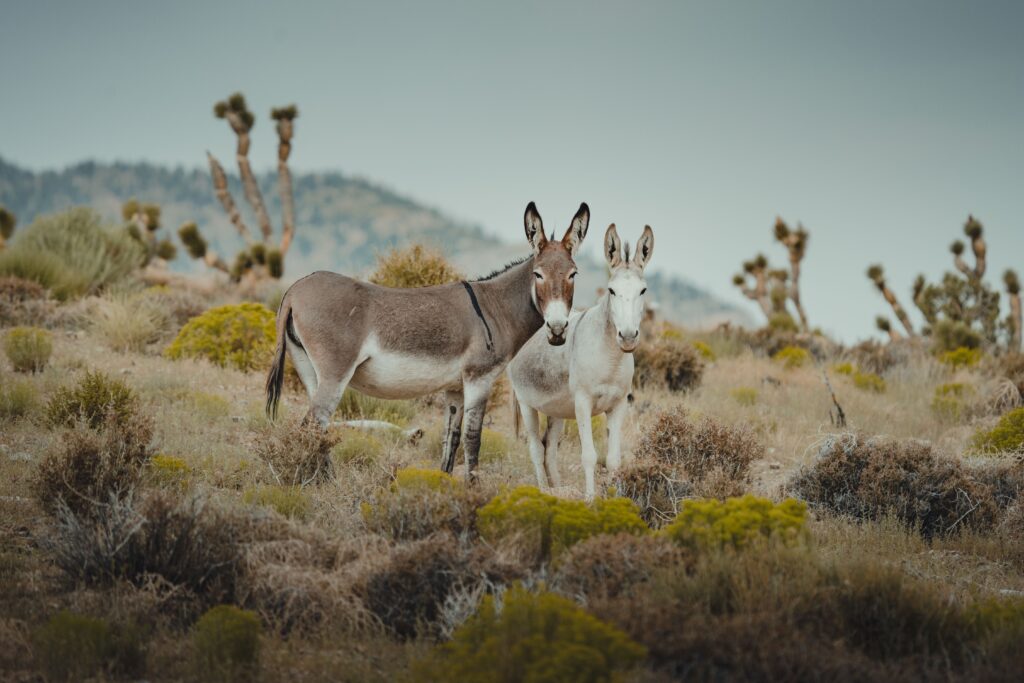
Many grazing animals eat vegetation, but donkeys possess several characteristics that make them particularly effective for this role.
Their digestive system allows them to feed repeatedly on coarse, dry vegetation that many other animals find less appealing. They consume grasses and shrubs that remain standing long after greener plants have disappeared, precisely the material that poses the greatest fire risk during drought.
They also eat consistently throughout the day.
Instead of clearing one area rapidly and moving on, donkeys steadily graze across landscapes, creating a more even reduction in vegetation over time.
Their physical size also gives them another advantage.
According to Joan Cedó, founder of the Tivissa Donkey Firefighters project, a donkey weighs around three times more than a goat. Every step helps break apart layers of dry plant material lying on the ground.
Cedó also argues that donkeys consume substantially more vegetation than goats, increasing their overall impact on reducing fire fuel.
Their calm temperament offers another benefit.
Donkeys can quietly access rugged terrain that is difficult for tractors and other machinery to reach. They require no fuel, produce virtually no noise, and create little environmental disturbance while working.
At the end of each day, they simply receive water, rest, and basic care before repeating the process again the following morning.
A New Purpose for Rescued Animals
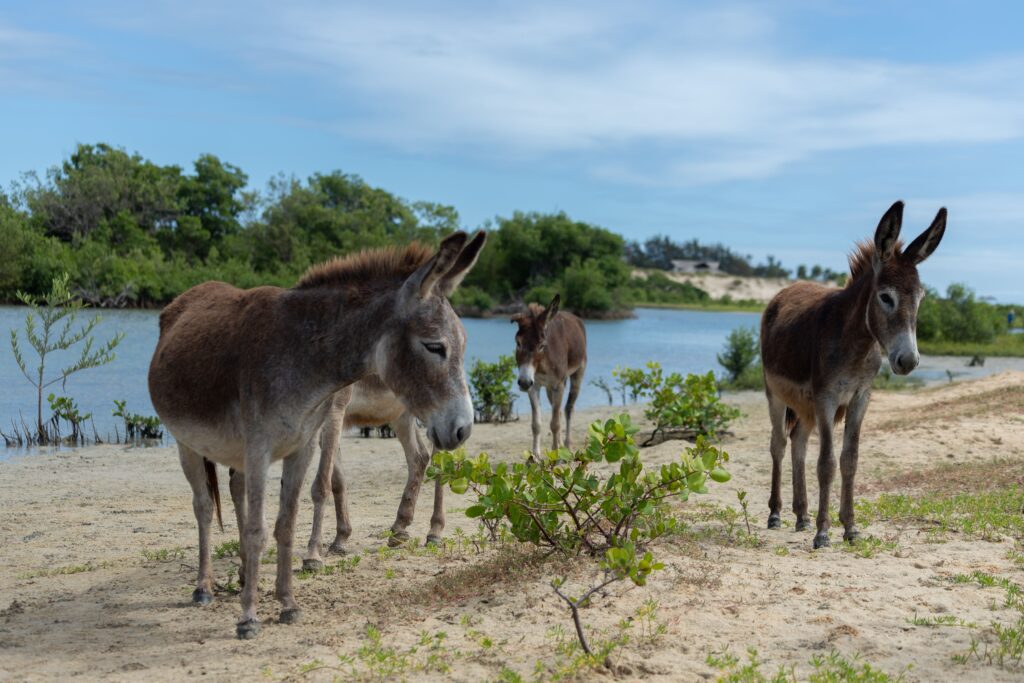
One of the most remarkable aspects of the programme is that nearly all of these donkeys were rescued from abandonment or neglect.
Animals that might otherwise have faced uncertain futures now perform an important environmental service while receiving food, veterinary care, and permanent homes.
Some of the Firefighting Donkey Battalion have even become local celebrities.
Mortadelo, Magallanes, Leonor, Ainoa, and Ume are among the names regularly associated with the project. Visitors to the park have become familiar with the animals, and even Spain’s Queen Sofía has visited Leonor during one of her trips.
Luis Manuel Bejarano, president of El Burrito Feliz, has described them as “the best herbivorous firefighters.”
Their work has also earned recognition from Spain’s Military Emergency Unit, known as UME, which responds to major fires, floods, and natural disasters. During one visit to Doñana, members of the unit symbolically adopted one of the donkeys and even presented it with a miniature firefighter’s helmet.
While the gesture was light-hearted, it reflected growing appreciation for a project that had quietly demonstrated measurable results over many years.
Behind the scenes, volunteers from the environmental organisation Mujeres por Doñana help support the operation. They monitor the animals, deliver water through forest areas that vehicles cannot easily access, and ensure the donkeys remain healthy throughout the grazing season.
The partnership combines animal welfare, environmental conservation, and community involvement into a single initiative that has attracted attention well beyond Spain’s borders.
Climate Change Is Making Prevention More Important Than Ever

The donkey project has become increasingly relevant because Spain’s wildfire problem continues to grow.
Recent years have brought some of the country’s most destructive fire seasons on record. Prolonged drought, record-breaking temperatures, and stronger winds have combined to create conditions where even small fires can rapidly become major emergencies.
Climate change has amplified these risks across much of southern Europe.
At the same time, decades of rural abandonment have altered the landscape itself.
Traditional farming practices once kept vegetation under control through regular grazing by livestock. As tractors replaced working animals and rural populations declined, fewer animals remained to perform that natural maintenance.
The result has been an accumulation of dry biomass across forests and hillsides.
Experts increasingly recognise that modern firefighting cannot focus only on responding after fires begin. Preventing dangerous fuel build-up has become equally important.
The donkeys of Doñana represent one example of how older agricultural practices may still have an important role alongside modern technology.
Their work does not replace firefighters, aircraft, satellites, or emergency planning.
Instead, it reduces the amount of fuel waiting for the next spark.
That distinction has become one of the project’s greatest strengths.
The Donkey Model Is Spreading Across Spain
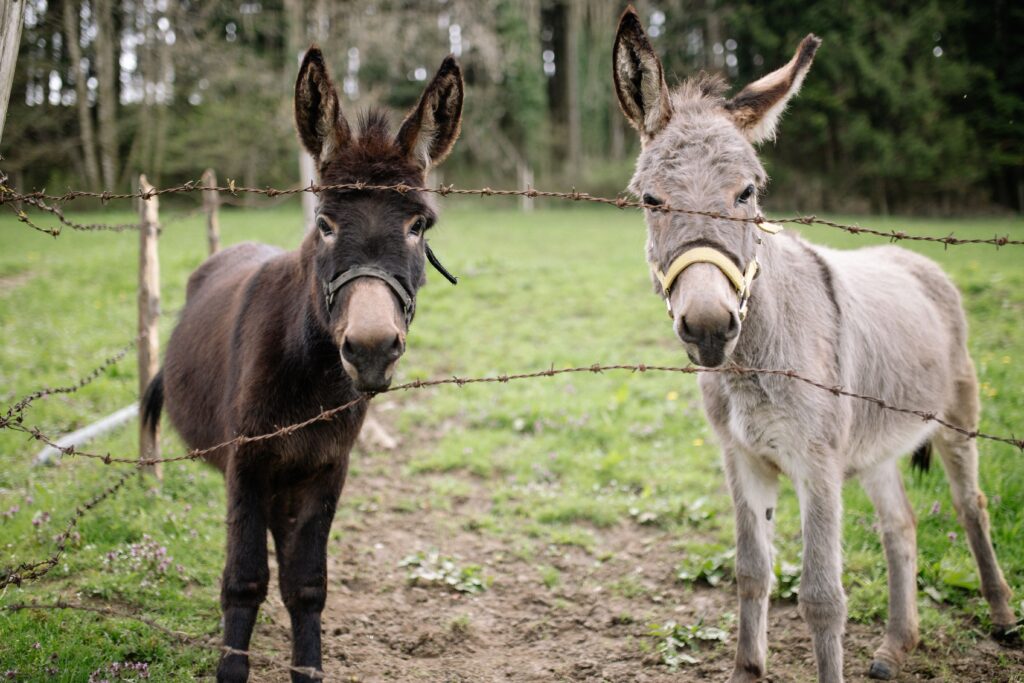
The success seen around Doñana National Park has encouraged other communities to adopt similar approaches. Instead of treating the project as an isolated experiment, local organisations have adapted the idea to suit their own landscapes and wildfire risks.
One of the best-known examples is the town of Tivissa in Catalonia.
The Tivissa Donkey Firefighters project began in 2020 with just three rescued donkeys. Founder Joan Cedó wanted to see whether the animals could clear the dense undergrowth surrounding his property after witnessing devastating fires near the area years earlier.
The early results convinced him to expand the programme.
Today, the project has grown into a much larger operation with dozens of donkeys maintaining hundreds of hectares of public and private land. Cedó says the municipality has not experienced a wildfire since the initiative began.
The animals themselves each have their own stories.
Some were rescued after years of neglect, while others had been abandoned when they were no longer considered useful. Roberto, for example, had once been a racing donkey before being sent to slaughter when he stopped winning races. Another donkey, Paloma, arrived severely overweight after being fed sweets and processed food unsuitable for livestock.
Instead of facing uncertain futures, these animals now spend their days carrying out work that benefits entire communities.
Cedó believes the arrangement benefits everyone involved.
The donkeys receive veterinary care, proper nutrition, companionship, and purpose. In return, they provide an environmental service that would otherwise require expensive machinery and constant maintenance.
Ancient Farming Knowledge Meets Modern Conservation
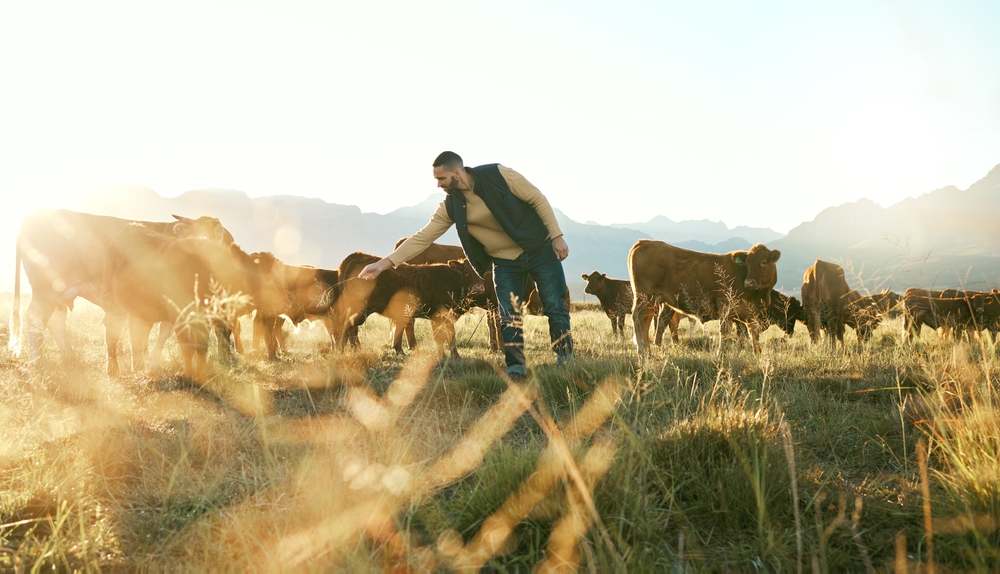
Although the programme has gained attention because of climate change, the basic principle behind it is far from new.
For centuries, grazing animals naturally controlled vegetation across Mediterranean landscapes.
Donkeys, sheep, goats, cattle, and wild herbivores continually removed grasses and shrubs before they could accumulate into dangerous fuel loads. Rural communities depended on these animals not only for transport and farming but also for maintaining healthier landscapes.
Mechanised agriculture gradually changed that relationship.
As tractors replaced working animals and more people left rural villages for cities, traditional grazing declined. Areas that had once been regularly maintained slowly filled with dense vegetation.
Professor Rosa María Canals Tresserras explained that donkeys were once common draft animals used for agricultural work and transport. As machinery replaced them, their practical value seemed to disappear.
Only later did many communities begin to recognise another role the animals had quietly been performing all along.
Their grazing had helped regulate ecosystems.
Without those herbivores, vegetation continued to build until drought and extreme heat transformed forests into vast stores of combustible material.
Researchers studying grazing ecology argue that restoring these natural processes can reduce fire intensity, even if they cannot eliminate wildfires completely.
The concept has become part of a wider movement that combines conservation with practical land management rather than relying solely on emergency response.
Donkeys Are Part of the Solution, Not the Entire Answer
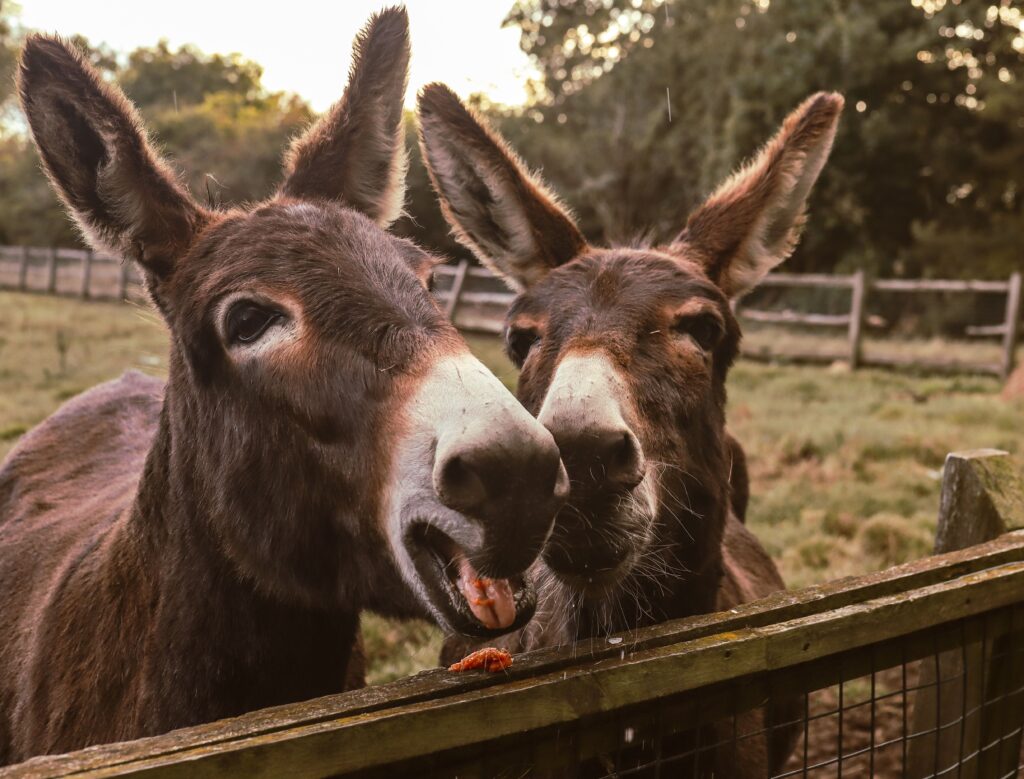
The organisations behind these projects are careful not to present grazing animals as a miracle cure.
Even the strongest supporters acknowledge that wildfire prevention requires multiple strategies working together.
Proper land management remains essential.
Forest planners continue to stress the importance of controlling highly flammable tree species in vulnerable areas, maintaining roads and emergency access routes, and carrying out selective vegetation management where necessary.
David Lema, president of the Andrea Association in northwestern Spain, has repeatedly emphasised this point.
His organisation uses GPS-monitored donkeys to maintain thousands of acres within a UNESCO biosphere reserve. Although the areas grazed by the animals have remained free from wildfire, Lema argues that wider land-use planning remains the decisive factor.
He has warned against planting extensive areas with highly flammable species such as pine and eucalyptus in places where wildfire risk is already high.
The donkeys reduce fuel loads.
Thoughtful planning determines how vulnerable the surrounding landscape becomes in the first place.
Scientists share a similar view.
Research suggests that grazing can significantly reduce vegetation capable of carrying fire across a landscape. Lower fuel loads often mean fires burn with less intensity and become easier for firefighters to contain.
That does not guarantee fires will never occur.
Lightning strikes, human activity, and extreme weather can still ignite vegetation under severe conditions.
The goal is not perfection.
It is creating landscapes where fires are smaller, slower, and less destructive.
Similar Ideas Are Emerging Beyond Spain
Spain is not the only country rediscovering the value of grazing animals.
California has increasingly turned to goats to reduce wildfire risk in difficult terrain where machinery cannot easily operate. Companies specialising in targeted grazing transport herds to hillsides, parks, and communities threatened by seasonal fires.
Goats are particularly effective at consuming woody shrubs and invasive plants that contribute to dangerous fuel accumulation.
Spain has expanded beyond donkeys as well.
Projects such as Ramats de Foc, meaning Fire Flocks, bring together shepherds, sheep, goats, and local firefighters to manage fire-prone landscapes. Consumers can even support these efforts by purchasing products carrying wildfire prevention labels, creating an economic incentive for continued grazing.
Other regions are experimenting with restoring wild herbivores as part of broader rewilding efforts.
The underlying principle remains remarkably consistent.
Large grazing animals consume vegetation gradually throughout the year, reducing the amount of material available to burn during the hottest months.
Modern technology continues to play a critical role through satellites, drones, weather forecasting, and early detection systems.
Natural grazing complements those tools by addressing the problem before flames appear.

An Affordable Approach With Long-Term Benefits
One reason these projects continue attracting attention is their relatively modest operating costs.
Mechanical clearing requires fuel, specialised equipment, trained operators, maintenance, and repeated visits to the same locations. In steep or remote terrain, those costs increase significantly.
Donkeys require care, veterinary attention, water, and supervision.
However, they also feed themselves while carrying out the work.
Their environmental footprint remains exceptionally small.
They produce no emissions while grazing, generate little noise, and improve soil health through natural fertilisation. Because they move slowly across the landscape, they also avoid many of the disturbances associated with heavy machinery.
There are social benefits as well.
Several of Spain’s donkey projects rescue animals that had previously been abandoned or mistreated. Volunteers, local councils, environmental organisations, and residents often work together to support the programmes.
In some communities, the donkeys have become local ambassadors for conservation.
Visitors come to see them, schools organise educational trips, and public awareness of wildfire prevention has grown alongside the projects themselves.
That combination of environmental protection, animal welfare, and community engagement has helped generate support that extends beyond traditional conservation circles.
Looking Back to Move Forward
Climate change is forcing countries to rethink how they protect forests, wildlife, and rural communities from increasingly destructive wildfires. Much of that effort will continue to depend on advanced forecasting systems, specialised firefighting aircraft, and sophisticated monitoring technology.
Yet one of Spain’s most encouraging success stories depends on something far simpler.
Each morning, a small group of rescued donkeys heads into the countryside and begins eating.
Hour by hour, mouthful by mouthful, they remove the dry vegetation that could otherwise feed the next wildfire. Their work is neither dramatic nor fast, but over months and years the cumulative impact has proved difficult to ignore.
The Firefighting Donkey Battalion demonstrates that some of the most effective climate adaptation strategies do not always involve inventing something new. Sometimes they involve recognising the value of practices that quietly worked for generations before modern technology took centre stage.
As wildfire seasons continue to grow longer across southern Europe, these patient grazers offer an important lesson. Progress is not always measured by bigger machines or more complex systems. Sometimes resilience begins with restoring the balance between people, animals, and the landscapes they have shared for centuries.