
Your cart is currently empty!
A New Deep Sea Discovery Is Forcing Scientists to Rethink Where Oxygen Comes From
We tend to believe that the most important truths about life were already discovered long ago. We assume the air filling our lungs follows a simple story that begins with sunlight touching leaves and ends with oxygen entering our bloodstream. It is a comforting narrative because it feels complete and predictable. Light creates life, and life creates the air we breathe.
Contents
show

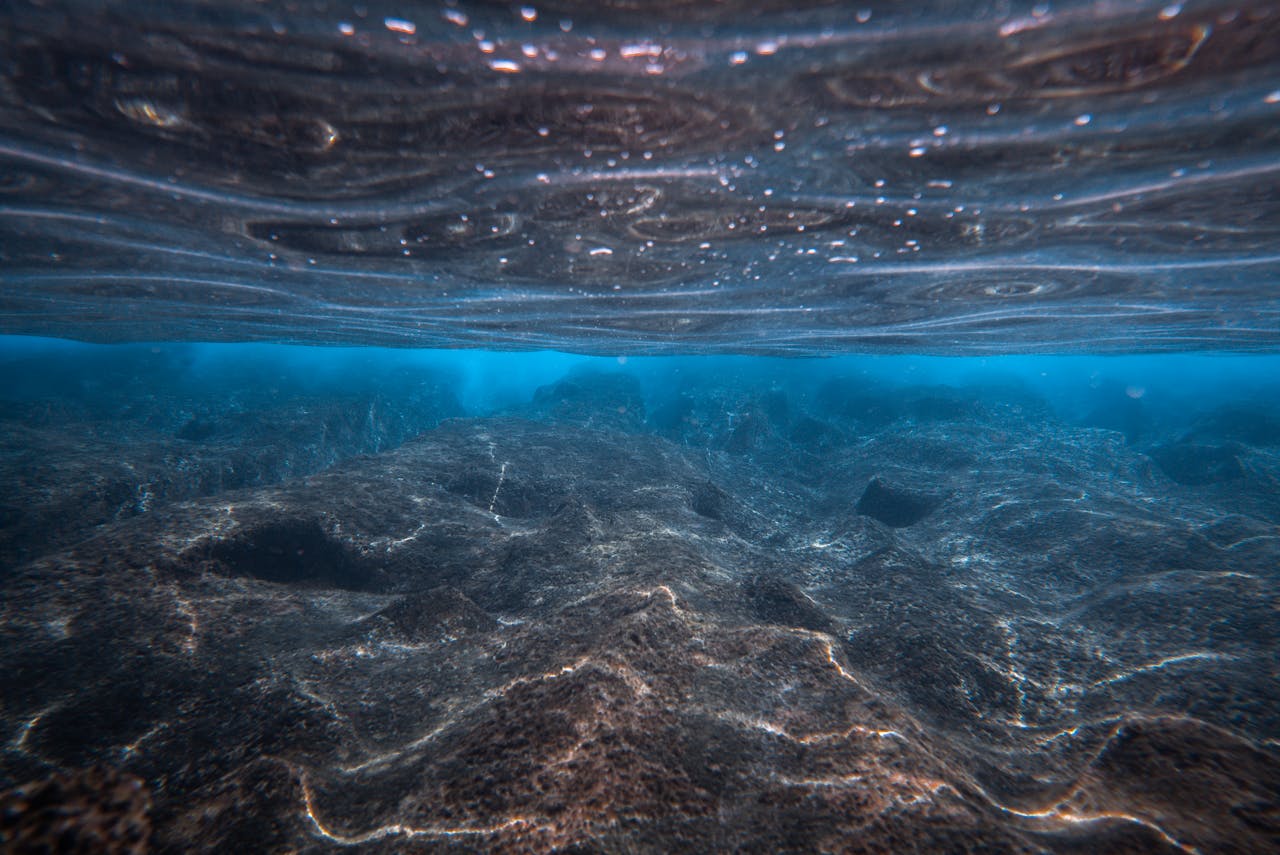
But what if the story of oxygen does not begin only in light? What if, far beneath the waves in a place no human could survive without machinery, something unexpected is happening? Nearly 13000 feet below the Pacific Ocean’s surface, in darkness so absolute it has never seen a sunrise, scientists have found evidence that oxygen may be forming without sunlight at all.
If that finding continues to hold under further research, it does more than adjust a scientific theory. It challenges the quiet confidence we place in what we think we know about life’s foundations. It invites us to question how many essential processes are unfolding beyond our awareness, and whether the world is far more inventive and mysterious than our textbooks ever suggested.
Where the Ocean Breathes Without Light
When scientists speak about oxygen, the conversation usually begins with sunlight and living cells. Yet a recent study in Nature Geoscience by researchers led by the Scottish Association for Marine Science directs our attention somewhere entirely different. The team describes what they call “dark oxygen,” referring to oxygen that appears to form in the deep ocean without the involvement of photosynthesis. Rather than a theoretical idea, this finding is grounded in direct measurements taken from one of the most remote regions on Earth.
The research took place in the Clarion Cliperton Zone, a massive stretch of seabed located between Hawaii and Mexico. Nearly 4000 meters below the ocean surface, this environment exists in constant darkness under immense pressure and near freezing temperatures. Sunlight does not reach these depths, and for decades scientists assumed that any oxygen present there must have originated at the surface, produced by algae and other photosynthetic organisms before gradually mixing downward through ocean currents.
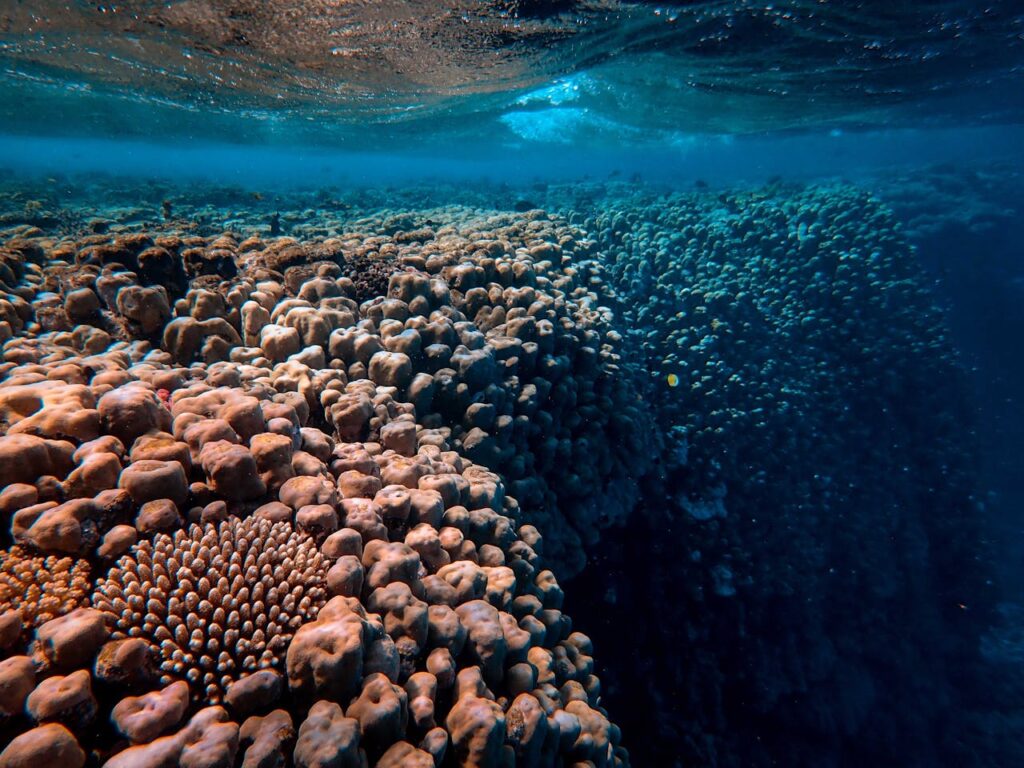
During their exploration of the seafloor, researchers focused on polymetallic nodules scattered across the sediment. These small rocks, rich in cobalt and nickel, have long attracted commercial interest because of their value in battery production and modern electronics. What makes this discovery different is evidence suggesting that these nodules may act as natural “geobatteries,” carrying electrical charges strong enough to trigger seawater electrolysis.
This reaction splits water molecules into hydrogen and oxygen, meaning that purely geological processes may generate oxygen in complete darkness. While photosynthesis remains the primary global source of oxygen, this research expands the scientific understanding of how oxygen can form and challenges the assumption that light is always required for life sustaining chemistry.
Did Life Learn to Breathe in the Dark
For years, the origin story of oxygen based life has centered on a single dramatic turning point known as the Great Oxidation Event, which occurred roughly 2.4 billion years ago. During that period, photosynthetic microorganisms released significant amounts of oxygen into the atmosphere, gradually transforming Earth’s chemistry and allowing more complex aerobic organisms to evolve. This framework has shaped how scientists understand the timeline of life, linking the rise of oxygen directly to sunlight driven biological activity.
The possibility that oxygen can form through geological processes in the deep ocean introduces a different layer to that timeline. If localized oxygen production occurred on the seafloor long before atmospheric levels increased, then small, isolated pockets of oxygen may have existed in ancient marine environments. In such niches, early organisms could have adapted to using oxygen even while the broader atmosphere remained largely depleted. This idea does not overturn the importance of photosynthesis, but it suggests that the pathway toward oxygen based metabolism may have begun in more than one place.
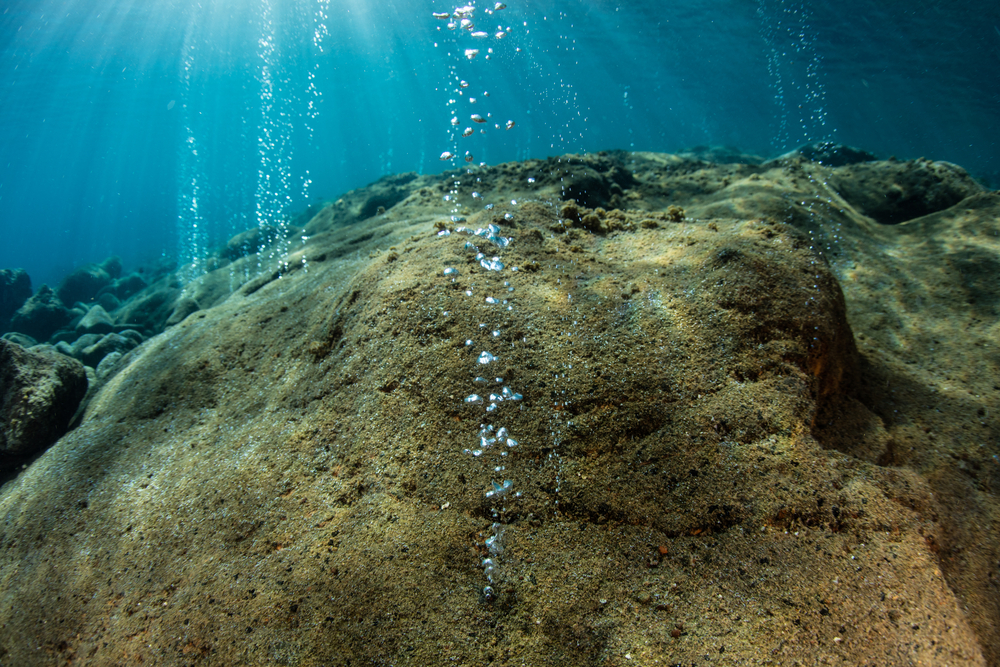
The conversation also expands beyond Earth itself. If oxygen can be generated without sunlight through interactions between rocks and water, scientists may broaden their criteria when evaluating other worlds for signs of life. Subsurface oceans on distant moons or planets with limited light could still host chemical conditions capable of producing oxygen locally. While this does not confirm the presence of life elsewhere, it encourages a wider view of habitability and underscores a larger truth about science. Understanding evolves through refinement rather than replacement, and each discovery invites deeper questions about how life begins and adapts under conditions once thought impossible.
Progress at What Cost
The discovery that certain seafloor minerals may contribute to oxygen production arrives at a moment when those same minerals are drawing intense global interest. Polymetallic nodules scattered across the Clarion Cliperton Zone contain cobalt and nickel, materials widely used in electric vehicle batteries and renewable energy storage systems. As nations work to reduce carbon emissions and shift away from fossil fuels, demand for these resources continues to rise, placing the deep ocean at the center of a growing industrial conversation.

From a climate standpoint, expanding renewable energy infrastructure is essential. Cleaner transportation and large scale energy storage are critical components of lowering greenhouse gas emissions and reducing pollution related health risks. However, the deep sea remains one of the least explored environments on Earth. If these nodules play a role in localized oxygen production or support fragile marine ecosystems that depend on stable chemical conditions, removing them could alter systems that scientists are only beginning to understand.
The research does not claim confirmed ecological damage from mining activity, but it does highlight significant knowledge gaps. Industrial proposals in the Clarion Cliperton Zone are already being discussed, while international regulatory standards continue to evolve. The core issue is not whether progress should occur, but how it should proceed when the long term effects are uncertain. When environments have developed over millions of years, decisions made within decades carry weight that extends far beyond economics or technology, shaping the balance between environmental responsibility and human ambition.
What This Means for the Way We Do Science
Beyond the environmental and industrial debates, this discovery also highlights something important about how scientific knowledge develops. For generations, the link between oxygen production and photosynthesis was supported by strong evidence and repeated observation. The new findings do not invalidate that foundation, but they demonstrate that even well established models can expand when new data emerges from unexplored environments.
The deep ocean has historically been difficult to study because of technological and logistical limitations. Advances in remote operated vehicles, deep sea sensors, and chemical measurement tools have made it possible to collect more precise data from extreme depths. As these tools improve, researchers are able to test assumptions that once went unchallenged simply because they could not be observed directly. This progression reflects the strength of the scientific method, which depends on continuous testing, replication, and revision rather than fixed conclusions.

The broader lesson is that scientific certainty is always provisional. Established theories are built on the best available evidence at a given time, and they remain open to refinement as new information appears. Discoveries such as oxygen production in darkness reinforce the importance of funding exploratory research, maintaining transparent peer review, and allowing space for unexpected results. In that sense, the story is not only about the ocean floor but also about the ongoing process through which human understanding evolves.
Rethinking What We Consider Distant
The deep ocean rarely enters everyday conversation, yet it plays a measurable role in regulating climate, supporting marine food systems, and shaping global chemical cycles. Because these environments are physically remote and difficult to access, they are often treated as separate from daily life. The emerging evidence that oxygen may form in complete darkness challenges that distance and suggests that essential processes sustaining life can occur in places that remain largely unseen and poorly understood.
When decisions involve extracting resources from such regions, the central issue extends beyond technological capability. The more pressing question becomes whether scientific knowledge is comprehensive enough to anticipate long term consequences. Prioritizing independent research, transparent environmental assessments, and adaptive regulations is critical when dealing with ecosystems that influence global systems in subtle but meaningful ways. Awareness of how shared natural resources are governed can shape expectations around accountability and stewardship.

This perspective encourages a shift in thinking. Environments that seem remote are still connected to the systems that sustain daily life. Recognizing that connection does not require alarm, but it does call for careful evaluation before large scale changes are introduced. When unseen processes support visible outcomes, caution and informed decision making become essential components of responsible progress.
The Air We Trust Has a Deeper Story
The idea that oxygen may form in complete darkness challenges more than a scientific assumption. It reminds us that the systems supporting life are layered, interconnected, and still unfolding before us. What feels stable and familiar, such as the air we breathe each day, depends on processes taking place far beyond our sight. When new research reveals another source within that system, it calls for both curiosity and responsibility rather than quick conclusions.
This discovery does not replace what we know about photosynthesis, nor does it offer simple answers about energy, climate, or the future of the oceans. Instead, it invites a shift in perspective. Progress, whether scientific or technological, must move alongside understanding. The deeper we explore our planet, the clearer it becomes that wisdom lies not only in discovering new knowledge but in deciding carefully how we use it.